We Are Still Here; A glance into Native American Culture hosted by Sage Romero

(Mia and Sage at Eureka City School)

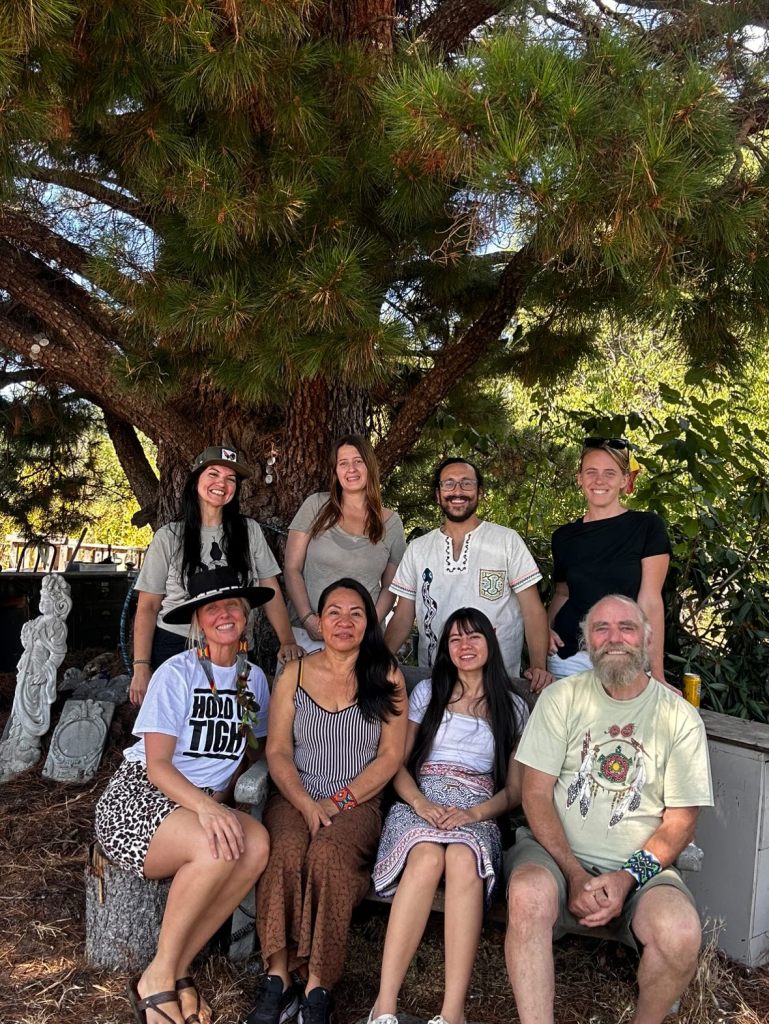
September 28, 2024, Eureka High School, Eureka, CA: After seeing Sage preform next to local Native students at two different Eureka City Schools during California Native American week I was able to sit down with him and Mia, a Eureka High School student, and ask him a few questions about his non-profit and his mission to showcase Native American culture and ceremony to our community. Never before have I seen cultural healing practices in educational setting. I was intrigued by these assemblies going on in Northern California schools and community centers.

Natascha: Hello! Welcome to the Little Lost Forest blog. I am here today with Sage at Eureka High School. He has been performing at schools in Northern California for California Native American/ Indian day.

Natascha: Hello Sage, thanks for sitting with us. How is your day going?

Sage: Manahu, it’s going well. Thank you.

Natascha: I just want to know, what’s your mission?

Sage: So, my mission is to help spread awareness of us as native people still being present. You know, we still have our culture. We still have a living way of sharing the traditions that our people have today, and also that we have a presence, you know, because there are many times when our people are overlooked or often seen as no longer really around. We don’t have a voice. Or there’s even where I’m from there’s this, perspective of like, oh, you guys are you’ve been defeated. You know, you need to sit quietly and, uh, it’s just a mentality that’s, you know, that’s been in people’s minds for a long time. So, my mission is to, you know, show that we’re still here. We still have strength. We still have grace. We’re still all about keeping things going. And, uh, you know, it’s about honoring the legacy of our loved ones that have gone on, the ones that have, uh, that are no longer here, that we can continue the traditions of song and dance and language and things that they taught and keep them going. So that’s what my mission is.

Natascha: And when you say we, you’re talking about your tribe? What tribe are you from?

Sage: So, I’m from the Big Pine Paiute tribe. From my mother, my late mother, Margaret Romero. And we call ourselves the Tovowahammatu Numu. And I’m also of the Taos Pueblo, the Tuah-Tahi people, people of the Red Willow. That’s the people of my late father, Andrew Romero. And we, when I say we, it’s obviously talking about my tribe, my community. But then again, you know, I don’t really have the right to speak for everybody. I’m just generally speaking, in terms of everybody that’s within our community. But, you know, I say it in a respectful way. So that’s who I mean.

Natascha: What about your culture do you feel has been lost?

Sage: Quite a few things have been lost. Where we come from, our people experience the Owens Valley Indian Wars, which was in 1862. And so, you know, fairly recent if you think about the history of the United States. And within that, our people were removed from our valley. And it wasn’t until the early 1900s, 1912, 1914, that our people started coming back because of the failure of the fort systems. They weren’t able to, you know, retain or keep our people there in a healthy manner or also just functional manner because it was so terrible back then. But back then they started putting our people back in the valley. Our people started moving back. And within that, of course, there was a loss of a lot of, you know, family members that didn’t survive the movement, the basically trail of tears of our Paiute people during that time.

Sage: And so, we lost a lot of connection to language, dances, songs, stories, things that had been passed down because obviously people that held those didn’t survive those times. So, they weren’t able to carry it on. And then with the introduction of Colonization efforts and, you know, being indoctrinated into different religions of people from different parts of the world. You know, it made our people forget about who we were and start adopting the beliefs of others because they lost a lot of the connection of the ancestors from that time. And so, you know, they started learning like Christianity and different teachings from other people.

Sage: And so, within that, there was also the effort of eliminating the Indian identity and making sure we all become a part of the general population, you know, the melting pot of America. And so, the idea was to eliminate language, eliminate culture, eliminate things that they do and just make them citizens of the United States. Work job, pay bills, retire, and that’s it. You know, you’re done. Uh, so within that, we lost a lot of culture, and now our people are really working to revitalize a lot of those things. There’s a big revitalization of language, right now. Of course, with dance and song, you see a lot of these things coming back. More people are practicing, more people are learning. Young, young ones are starting to learn earlier. And, uh, you know, that’s a big part of our culture. And we still got it going on today. But we did lose a lot in those times.

Natascha: And when you refer to the medicine, what are you referring to?

Sage: So, when I’m doing my presentations, I often talk about medicine. And as i explained to the children, it’s not about pills or a drink you have to take. It’s just the medicine to us is a spirit and the emotion. Your body, what’s around you, how you portray yourself, how you carry yourself, how you treat others. That’s a medicine. How you make people feel. And so, when you’re doing something like me sharing the hoop dance, you know, it’s, uh, affecting people differently that watch it, you know, some people will see it and they’ll see take something out. And I believe that, that’s a medicine. That feeling that I’m giving them. And so, within myself, I have to make sure I’m living in a good way. I don’t partake of any type of drugs or alcohol. Things like that, substances. Because I know that when I’m out there dancing, I want to make sure every message that’s going through my body, through the hoops is received in a good way. You know, because when you mix just like any prescription drug, you mix them wrong. You can make people sick, right? So, there’s that whole aspect of the spirit.

Sage: Same idea.

Sage: You want to make sure you’re in a good place when you’re sharing these type of things. Because that medicine, the dance, the songs, everything that helps people and that’s what it is to us.

Natascha: Well, thank you for sharing the medicine with our community.

Speaker1: Thank you.

Natascha: Do you feel like the community as a whole can and should participate in a Native American cultural celebration?

Sage: Uh. It depends. It really is dependent upon what community you’re around, because there are some ceremonies that our people keep private that we still have. And oftentimes our people will share that, this is just for our community, this is for our people. And, you know, it’s just a way of having respect given people, our people and space and time to have that just for our people. But like with the gatherings like tonight or like a powwow or a social gathering, a big time, which often happens here, that’s everybody’s welcome to come to those. So that’s always a good thing. And I think it’s a good spirit, you know, because it shows people what we do. You hear the stories, you hear the protocol. You learn how to how to act when you’re there. And oftentimes, you know, we ask people when you come to these gatherings, so make sure you’re not under any type of influence. You’re not drunk, you’re not high or anything like that. Come with a clear mind when you’re there so you can be present. And, you know, as I talked about before, medicine, how it’s important. That’s also so you can receive that good medicine and balance.

Sage: So, I think it’s good for people to come and attend to our public ones like tonight and take part and learn, you know, because as my mission is to, you know, spread awareness. If nobody’s coming, they’re not going to, you know- it’s not going to- my awareness efforts aren’t going to spread because people aren’t hearing the stories. But if people from the community non-natives are coming, they’ll hear the stories. They’ll see the perspective; they’ll experience it hands on in a sense. You know, being right there and hearing it and seeing things in person is so much more powerful than, you know, watching YouTube videos or TikToks and things like that. There’s more, you know, it has more impact upon your soul when you’re there, present with it. So that’s always good to have. So yeah, I’d encourage people to come to public, but remember the protocols and make sure you. Ask first if it’s something that the public can come to, or if it’s just for the tribe.

Natascha: Thank you. Can you tell us the story on love?

Sage: So, there’s many stories of love within our tribal peoples, and really depends on where you’re at and what time of the season it is and stuff like that. But the one I’ve been telling at the presentations, because I play the Native flute, has been a story of courtship about the efforts someone would take if they had become interested in somebody. And this comes from the Plains people.

Sage: And so, this story talks about an individual falling in love with another. And so, when that time comes and they’re of age, you know, the proper age, they’re kind of grown a little bit. And they’re given permission by their family that they could start doing these types of things. Perhaps they had gone through their puberty ceremonies, adolescent ceremonies, because that’s something you have as native people, so they’re seen as an adult.

Sage: All right. So, if you become interested in somebody you would often start learning the protocols of your family. So, one of those protocols is a flute song for those people from the plains. And the flute song would have been passed down for generations. So, their family has a song that’s specific to them. And they would go, and they would learn that song. And then once they knew it, they took time and devoted themselves to that practice. They would take the time to go to that person that they were interested in, go to their lodge, which was not just the person, but also their family, and they would sit outside it at night after the sun had gone down. And then they would begin playing that one song, and they’d play that song all through the night until, you know, the first light started coming.

Sage: And then they would take the time to go get a little rest themselves, because you’re not supposed to sleep all day just because you’re trying to be romantic. And so, they would go and rest up, and they would come back the next night, and they would do that again all through the night. And then after that they would come back again. Third night. Then they’d come back again a fourth night. So, they would do this for four nights in a row. And then after the fourth night was the time to show it out, because as they were doing that, the person being played for in the lodge, that they’d have an idea, you know, someone was interested in them, so they know, but they were never allowed to look out and see who was playing for them.

Sage: So, it was a little bit of a mystery, per se. And so, after that fourth night, the individual that was interested played the flute would go in front of everybody in the village in the middle of everybody, and they would start playing that same song over and over again in the middle of the day. And this would, you know, make people say, oh, there’s that song that was played at that lodge over there. Somebody go get that individual that was living there. Someone go find them and bring them back so they could see who’s been playing for them. And so, they would do that and that person would come back to the village and they could finally see who was playing the flute. And so, if they were interested, you know, and they accepted that courtship, all they had to do was go up to that person and take their hand in front of everybody in the front of the village, and then everybody would bear witness and say, okay, these two are now together. Let’s let them build a relationship. Let’s let them get to know each other. Nobody else tried to come and disrupt that. Let’s respect that space so that. That’s what that would be known.

Sage: And from there, that couple would begin, you know, their life, whatever their family would be, they would start creating that. And there was also the turn of maybe they weren’t interested. And if that would happen, they would simply just have to turn around and walk away. And that person in the middle with the flute would continue playing and just wait and wait and wait and maybe someone will come and tap him on the shoulder and say, it’s okay, how come you know that? Kind of give them the give them the little assurance that they’ll be all right. You know, and it’s time to stop.

Sage: So, there’s that story there.

Sage: And then they would just continue on. And I was accepted. You know, it wasn’t something that you wouldn’t try to go and protest and say, how dare you not accept my flute song? You know, you couldn’t do that. You just said accept it because it wasn’t your time. And so that’s how it was done. And that’s a story that’s passed down. And that’s the way that a lot of families were created back in the day, was using such a technique of courtship.

Speaker1: Out of curiosity. Did you ever play the flute for four days?

Speaker3: I’ve tried, yes, I’ve tried and failed, unfortunately.

Natascha: It’s awfully romantic.

Sage: Sometimes, too romantic for this day and age. [Both laughing] Yeah.

Natascha: How do you think sharing culture can unite and make our communities stronger?

Sage: As I said before, it’s about raising awareness and getting an understanding of each other. Because if you’re creating barriers, if you’re pushing people away, you don’t want to have them around. You’re never going to get a sense of connection. You’re never going to be able to form any type of relationship, whether it’s a big one or a small one or whatever. So, to be able to have that connection of seeing each other and hearing each other’s stories and feeling things on a human level, you know, that’s important because that’s what is so important about multicultural gatherings, people coming together and sharing whatever it may be. It gives you an understanding of where other people come from.

Sage: It doesn’t necessarily mean you’re going to go and, you know, um, be an appropriator go appropriate to the culture. You know, it’s not that. It’s just your understanding of what they’re doing because, you know, everybody’s life journey is different, and it’s beautiful to see all these cultures and how they became the way they are. Even within tribes, native tribes, different languages, different songs, different types of dances. But still, you know, we all respect that. We give each other space and time and understand that, oh, this is how you do it. Oh, this is how we do it. But it’s not like an argument. It’s not like, oh, we’re doing it better and we’re doing it right. No, it’s just that, oh, this is our people’s way. This is your way. That’s good, I understand that. So, I’ll give you space when I need to. You know, that’s that understanding. And I think that’s really important to have in the world today some, some connections so that people can experience each other and just see where they’re coming from. I think it’s beautiful when you can use art and culture as a way to connect to that.

Natascha: Oh, I totally agree. I’m talking about art and culture. How does art play a part in your ceremony?

I think there is a teaching of an elder that said that to us, art is our ceremony. It’s not necessarily art. It is just a ceremony. What it is, you know, our dances and our songs. You could label it as art, right? But to us, to do this dance in itself is a ceremony. There’s no distinction, there’s no separation.

Sage Romero

Sage: It’s just one thing to us. And so, to us, you know, it has to be there where we can share these things together. And, well, like you look at the sand paintings of the Diné people, how they paint with sand and my people with our baskets, how we utilize them. Again, people can see that as arts and crafts, right? But to us, there’s always a deeper meaning to these things. And there’s just it just doesn’t really make sense to me as a native person to separate them because they’re so intertwined and connected. And I think it’s just it’s pretty much just one thing to us.

Natascha: Awesome. Is there anything else you would like to add or share on culture and community to our readers?

Speaker3: I would just say continue learning about others in a good way. You know, appropriate way. Don’t be appropriator or don’t be going and stealing other people’s culture. You know, always ask permission and find out what’s proper for you to do and what’s something you can learn. And you can go and develop yourself. Make sure there’s communication. You know that’s important. But as for other things, I think it’s just important to be a part and share it. Like these gatherings like this, community gatherings, experiencing things, you know, be in the moment. That’s the important part. Be there, be there, be present. Use your eyes to watch. Use your skin to feel the wind around you, the air, the music. You know, how the drum can impact the air around you and all the things that are happening and just be there. That’s what I would say is take it in as much as it is. Take it for what it is. You know, make that effort to be a part of something and go with an open mind and a good mind and good heart. That’s all I can say about that.

Natascha: Well, thank you so much, Sage, for sharing all this awesome wisdom and stories with me.

Sage: All right. Thank you.

Sage Andrew Romero is a member of the Tovowahamatu Numu (Big Pine Paiute) and Tuah-Tahi (Taos Pueblo) Tribes. He is an accomplished Hoop Dancer/ Cultural Presenter/ Director/ Animation Artist/ Singer/ Keynote Speaker and has traveled internationally sharing the Culture of his people through song, story, dance and art. He is the founder and Director of the AkaMya Culture Groups, a Native American owned and operated 501(C)(3) Nonprofit Organization based in Tovowahamatu, Payahu Nadü (Big Pine, California).
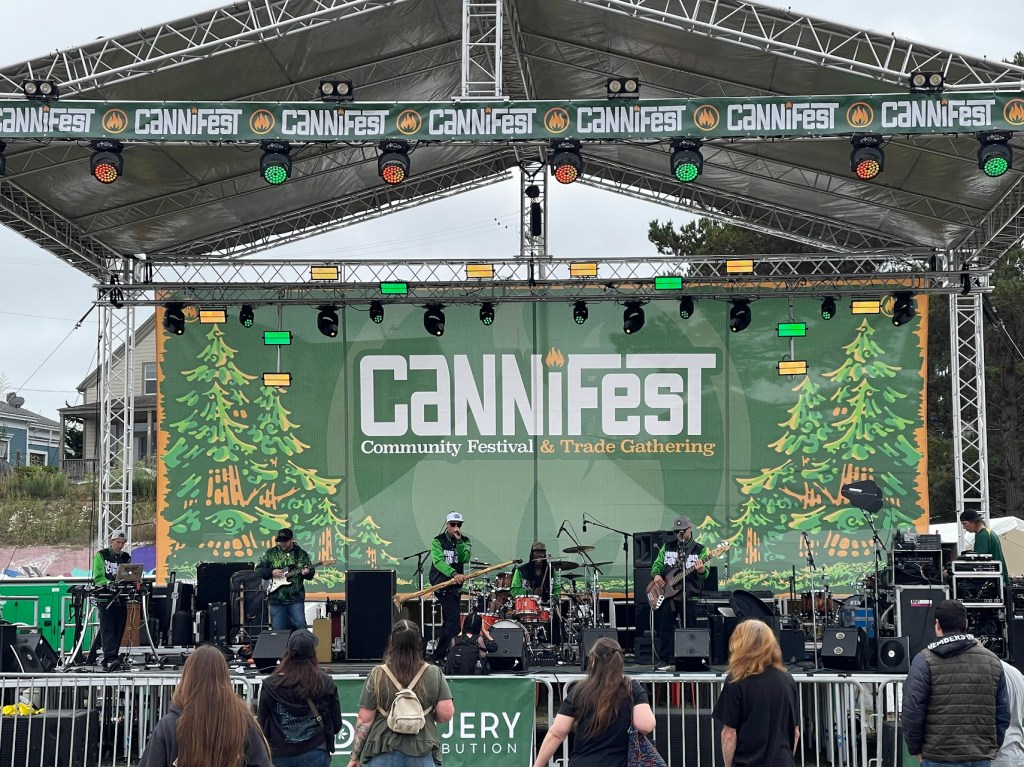
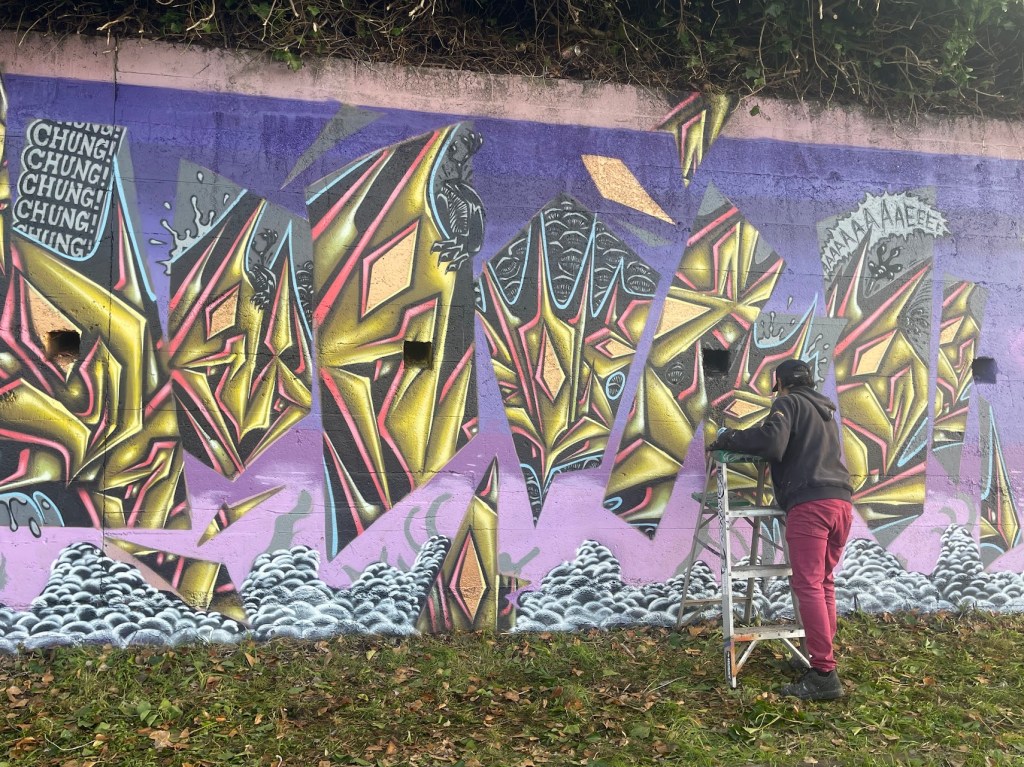
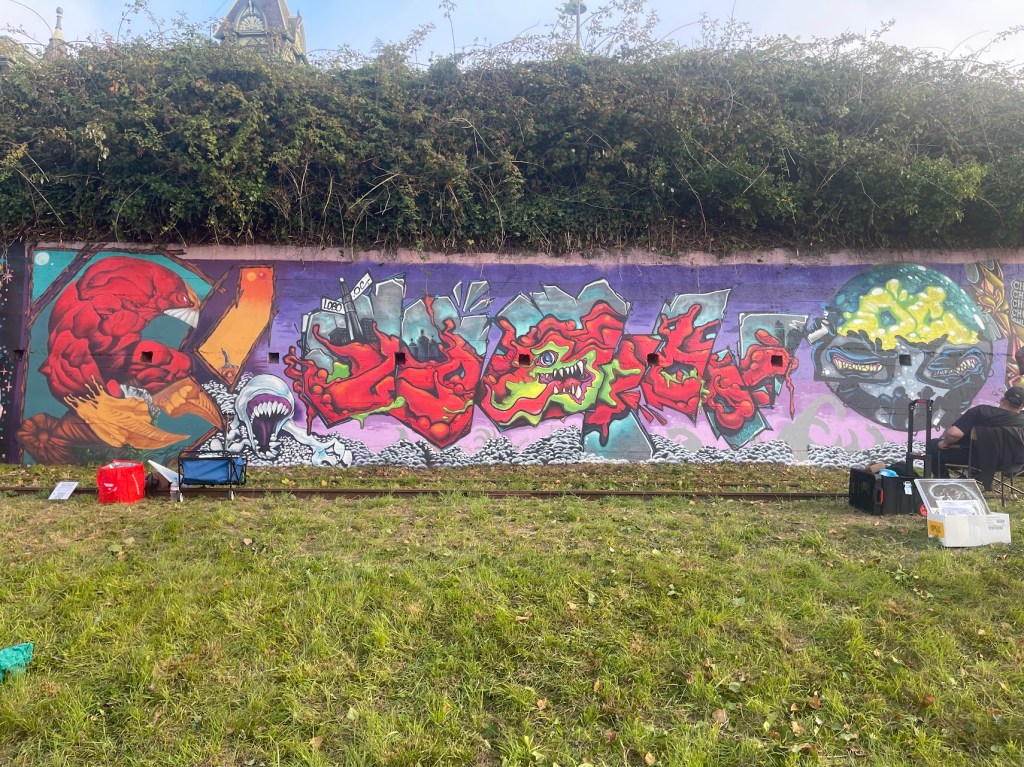
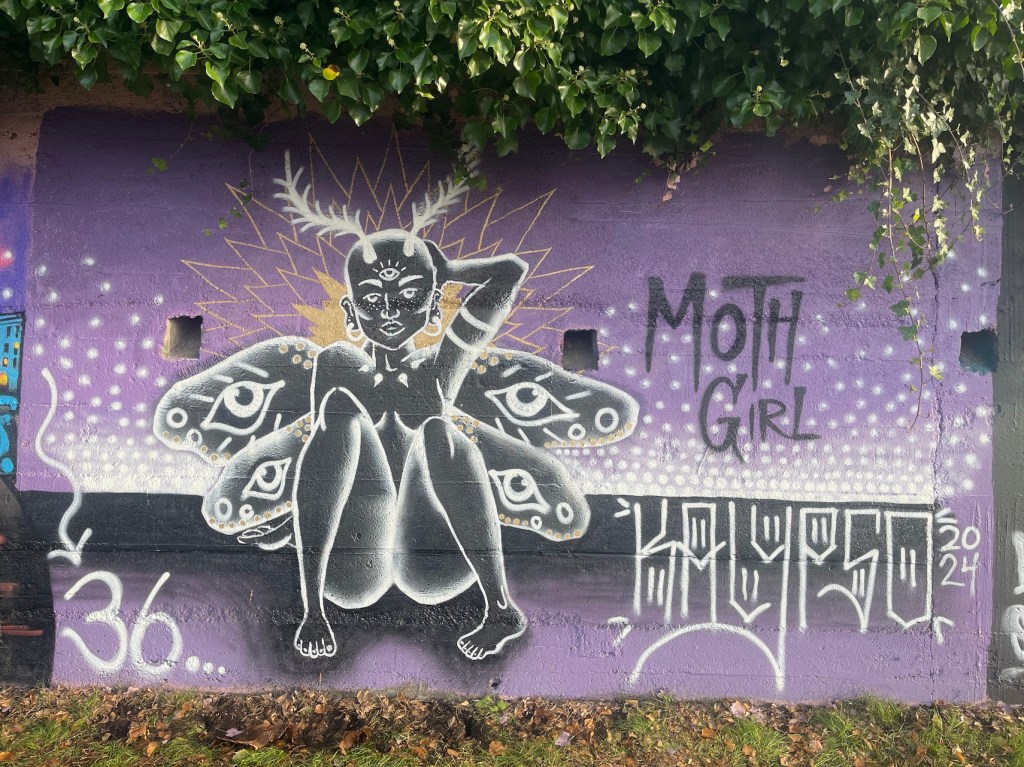
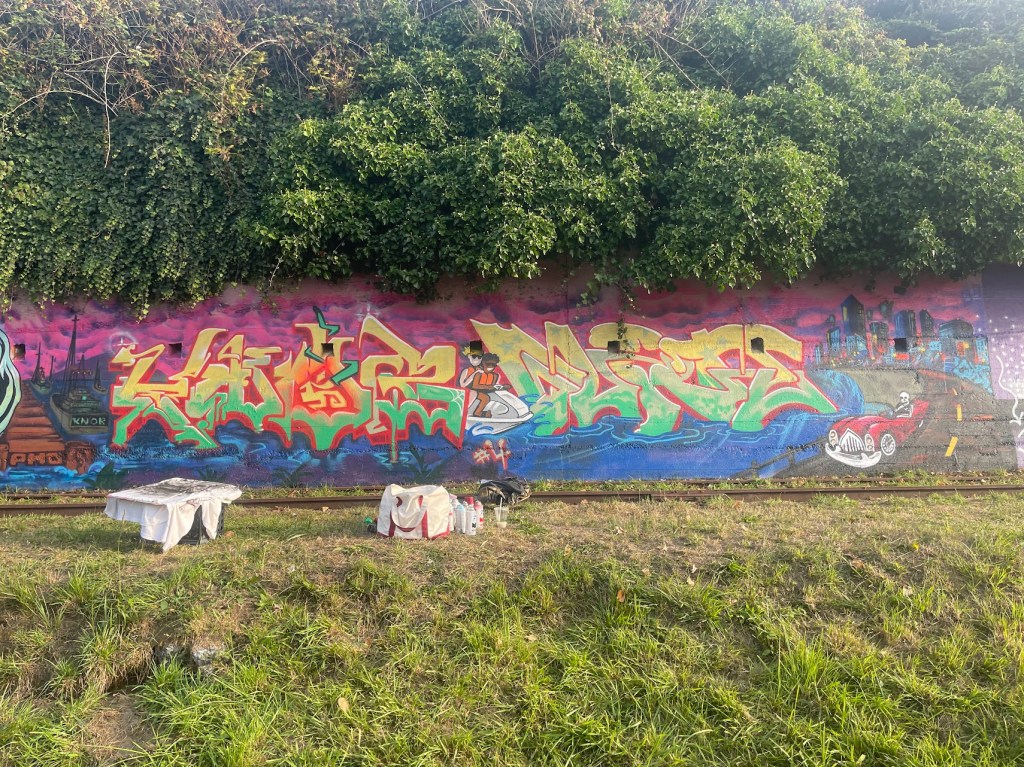
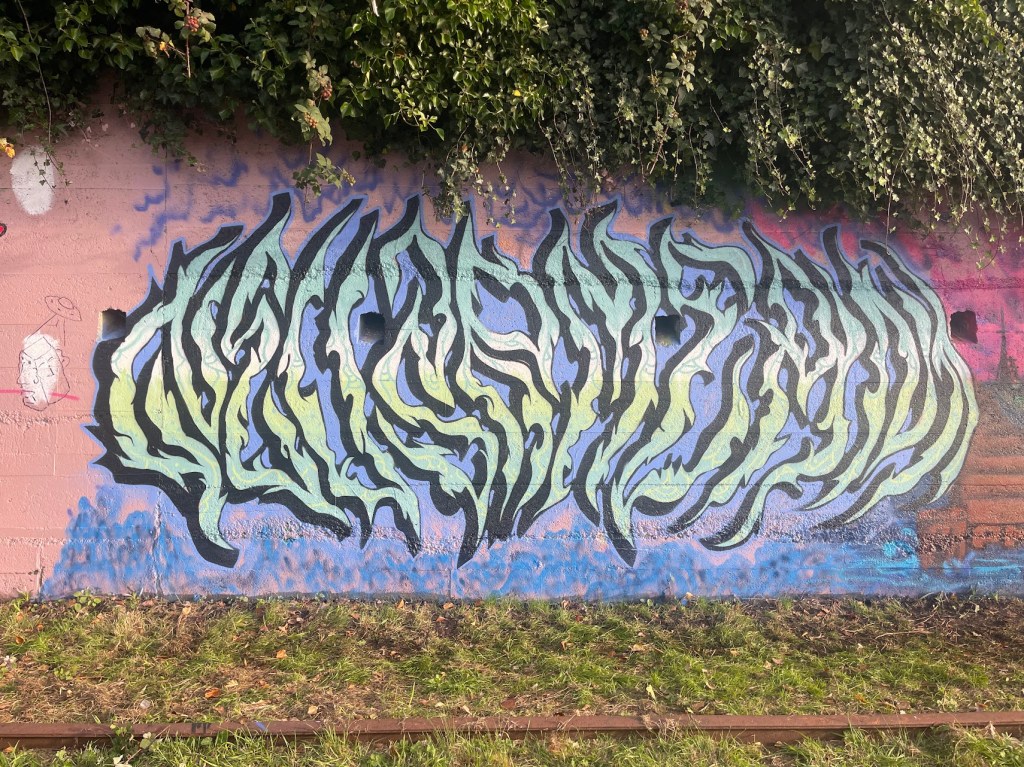
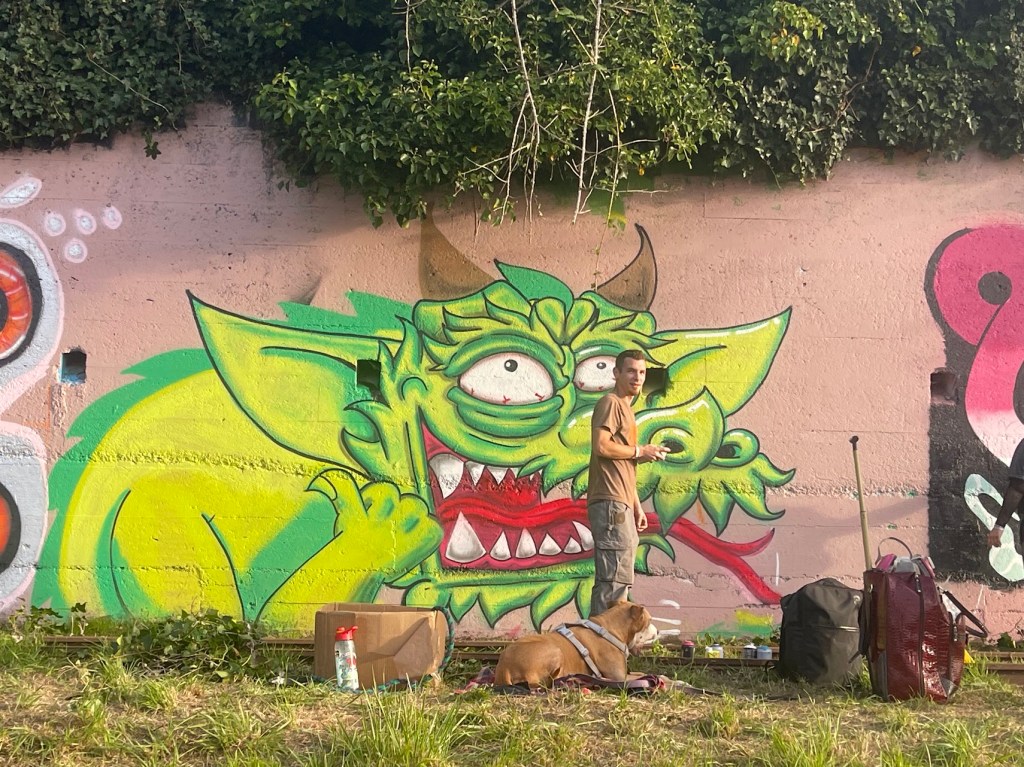
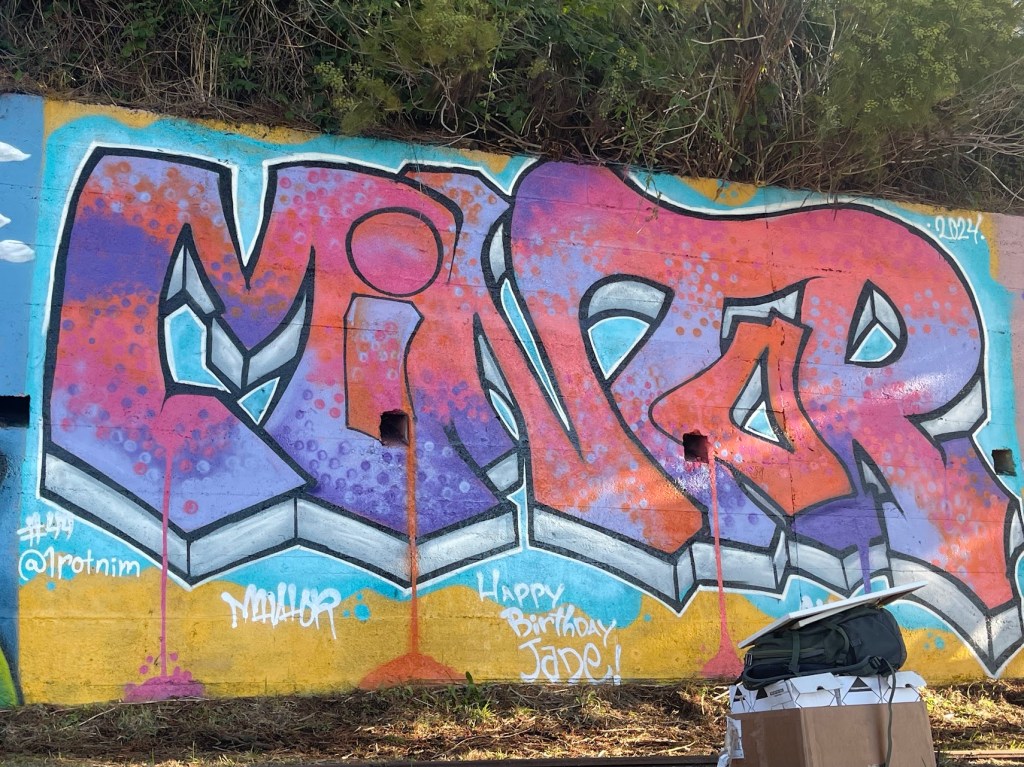
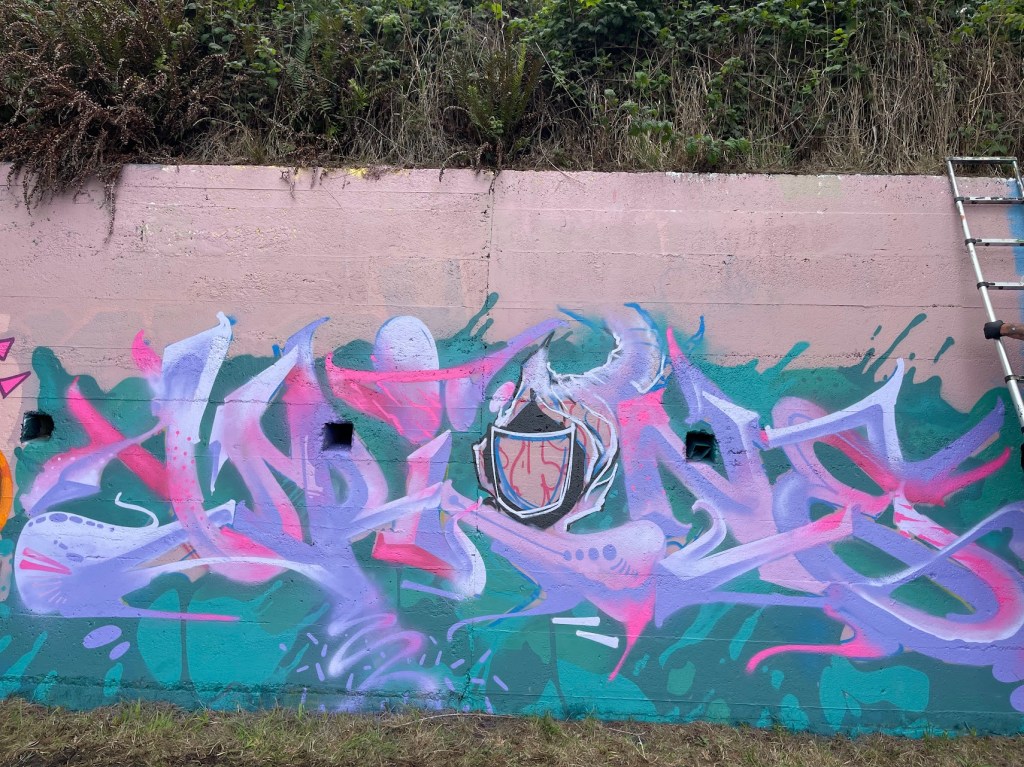
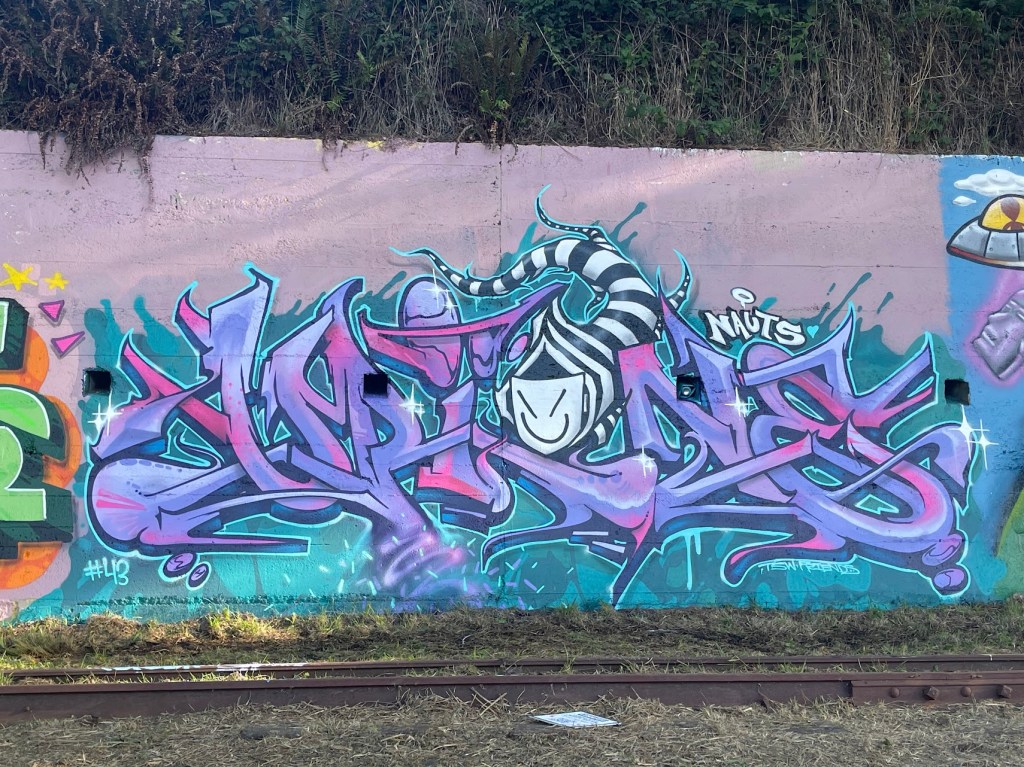
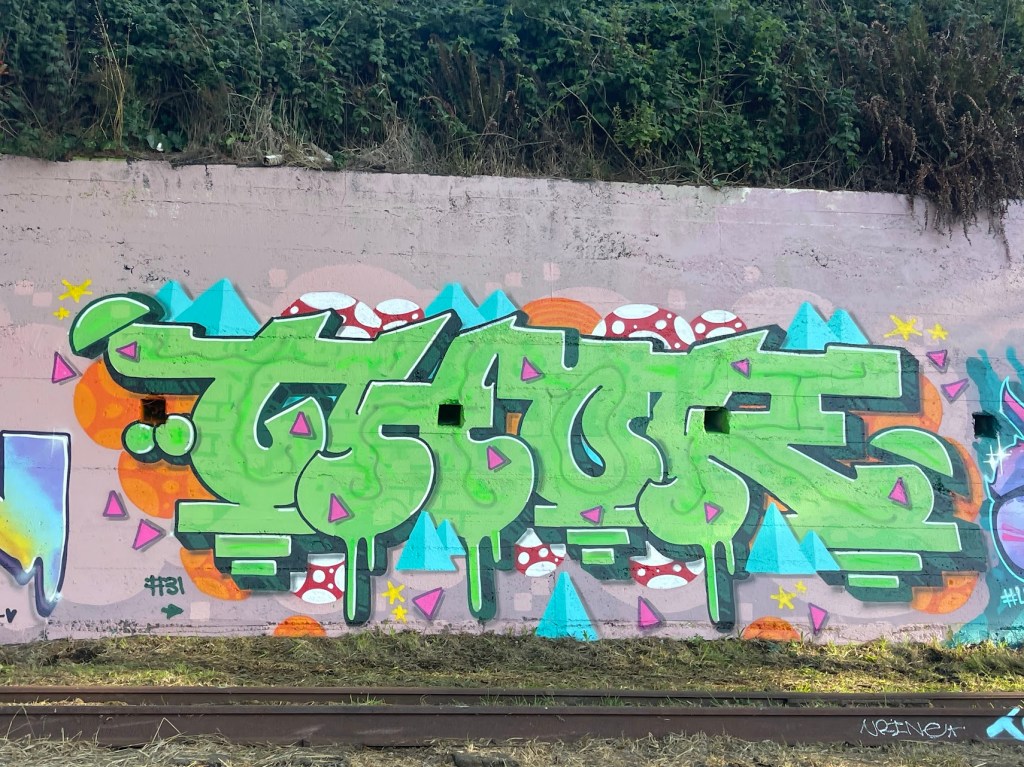
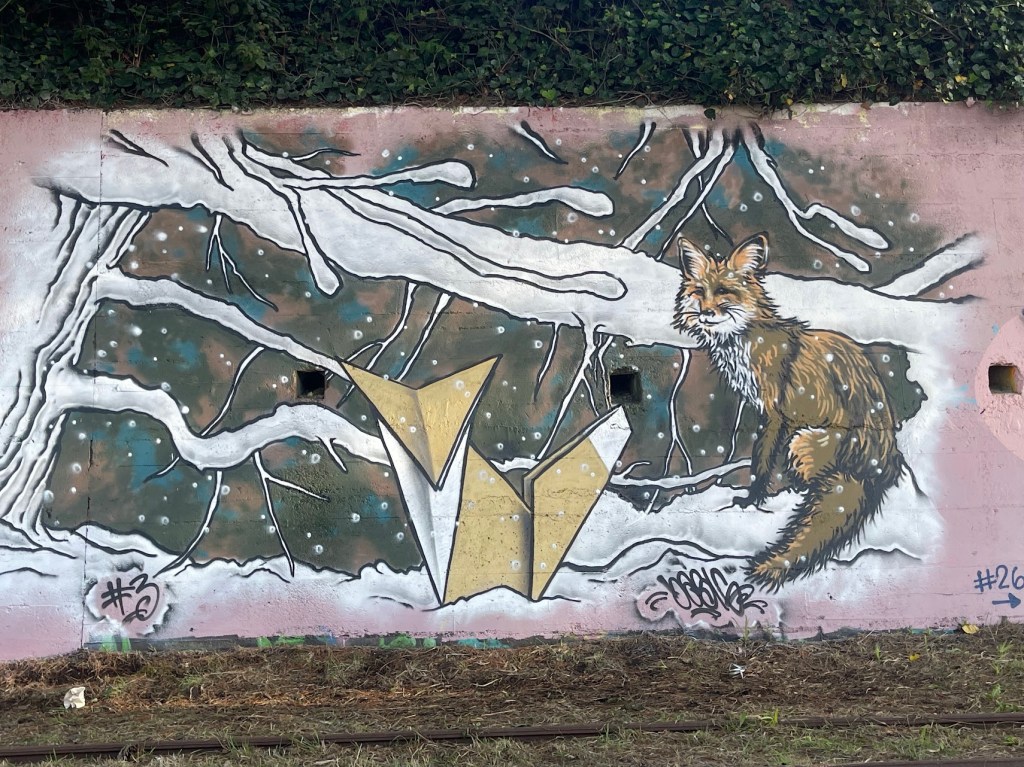
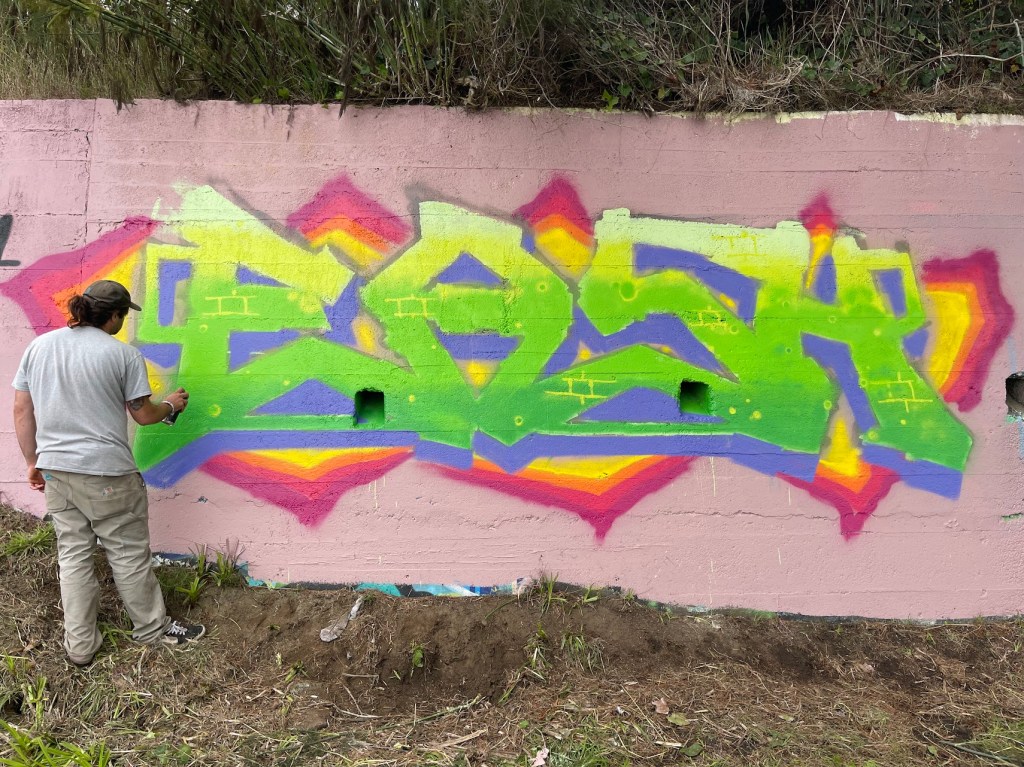
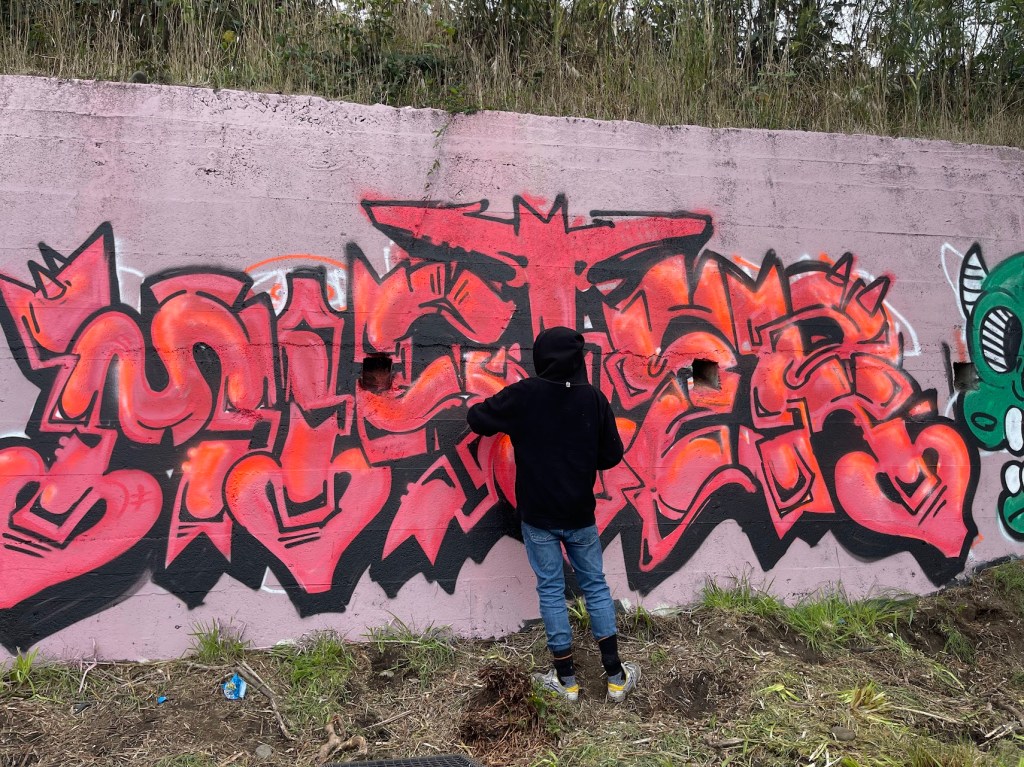
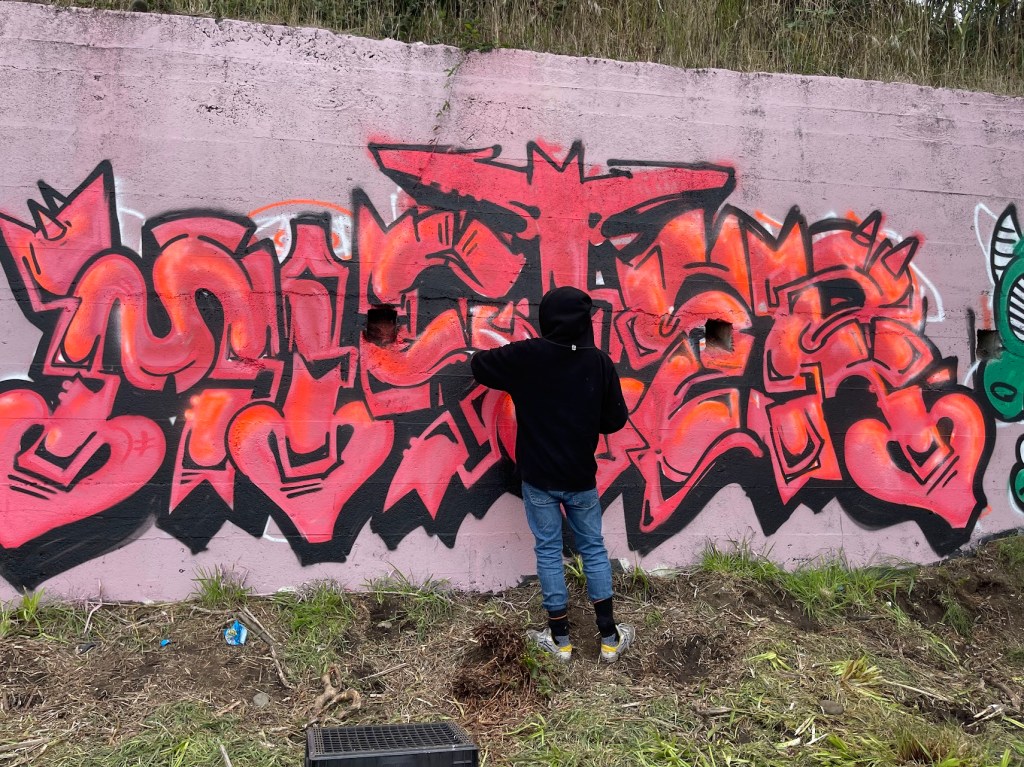
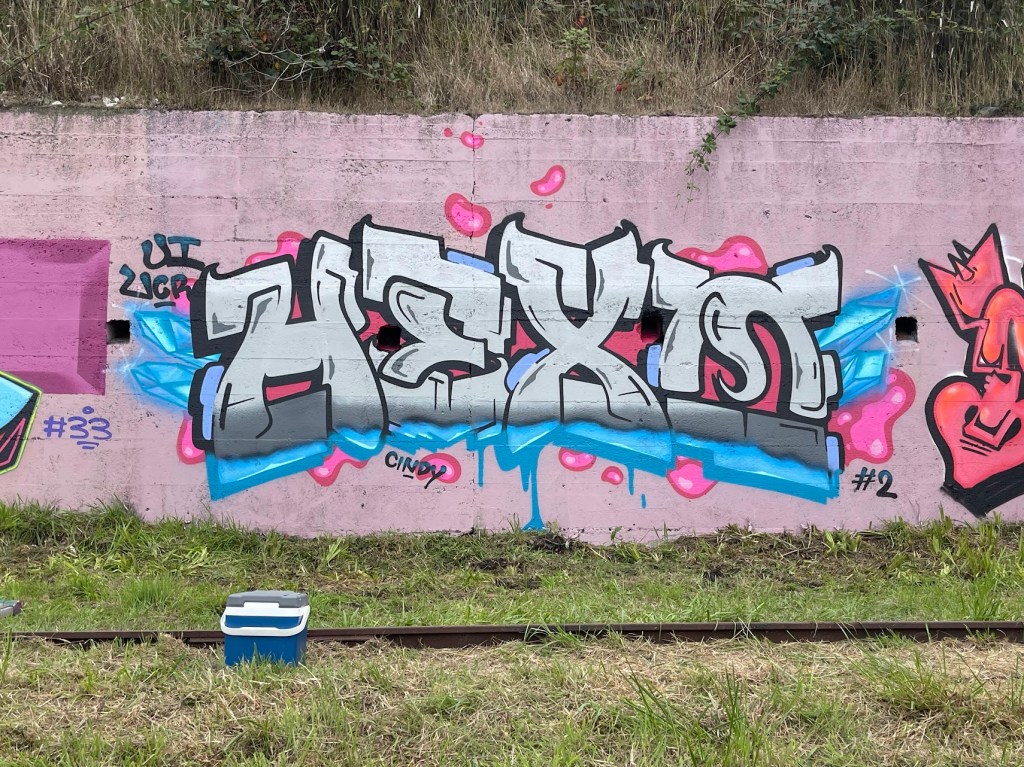
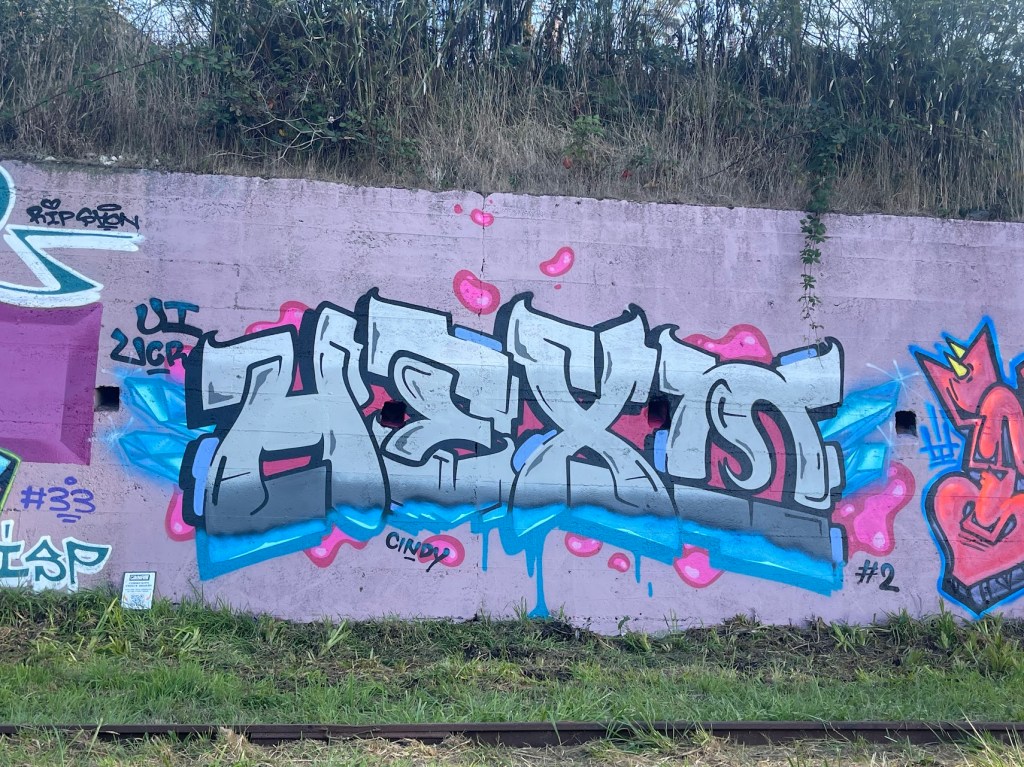
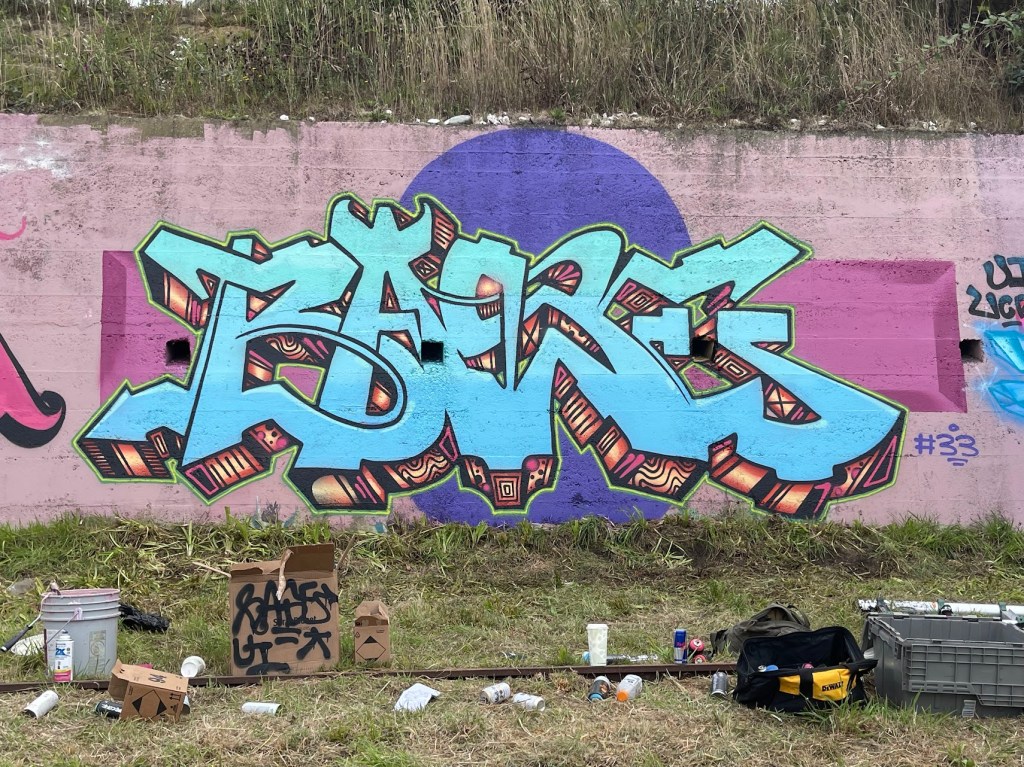
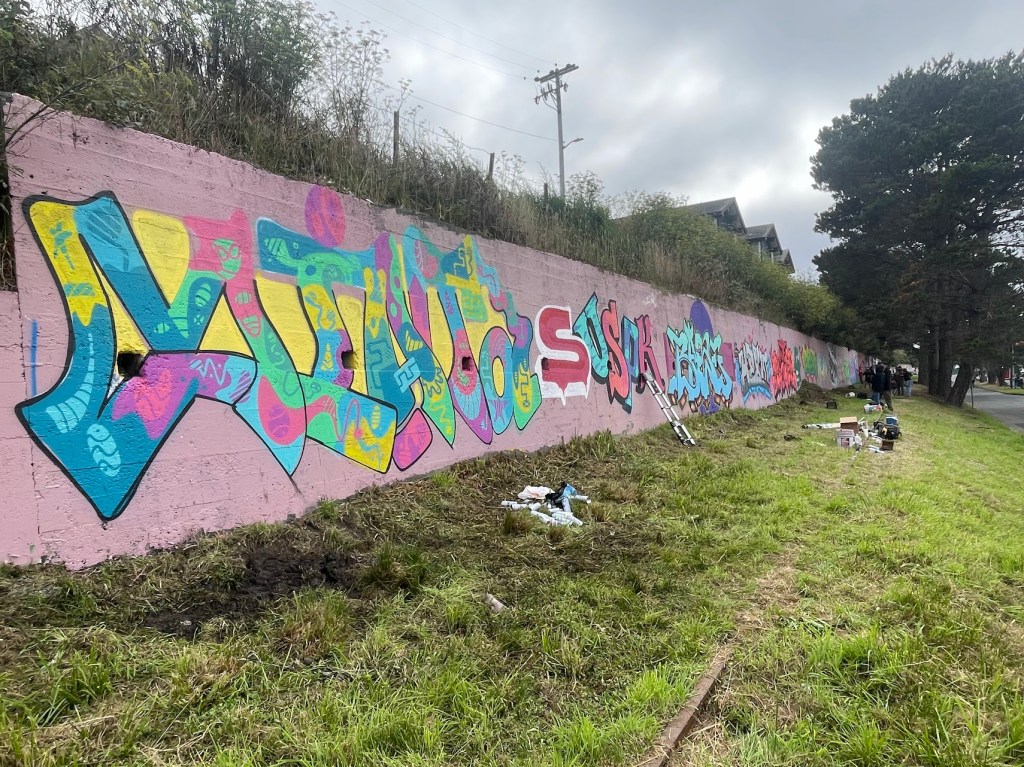
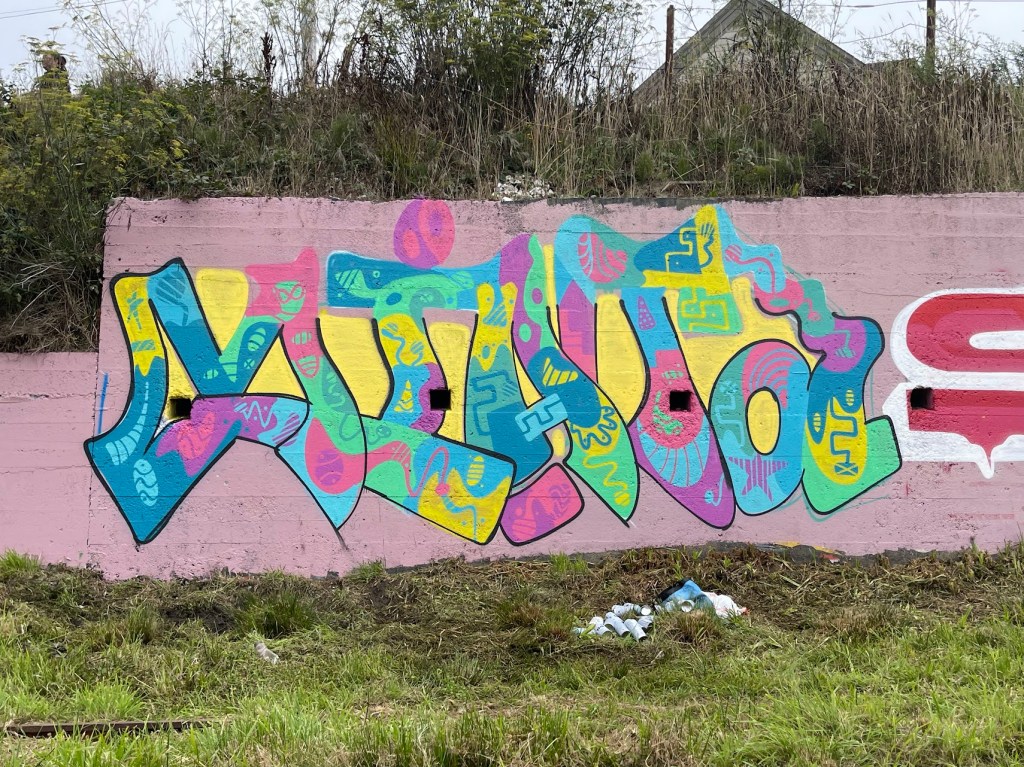
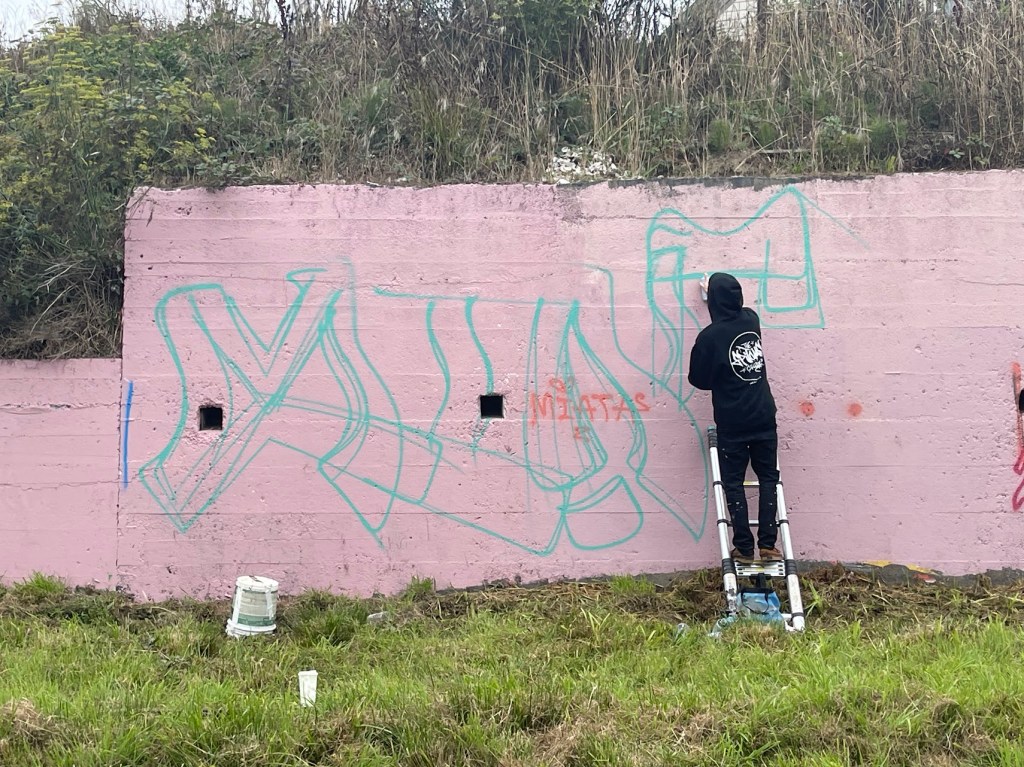
SPRAY PAINT ART @ Cannifest 2024 Humboldt, CA Headlining Lettuce

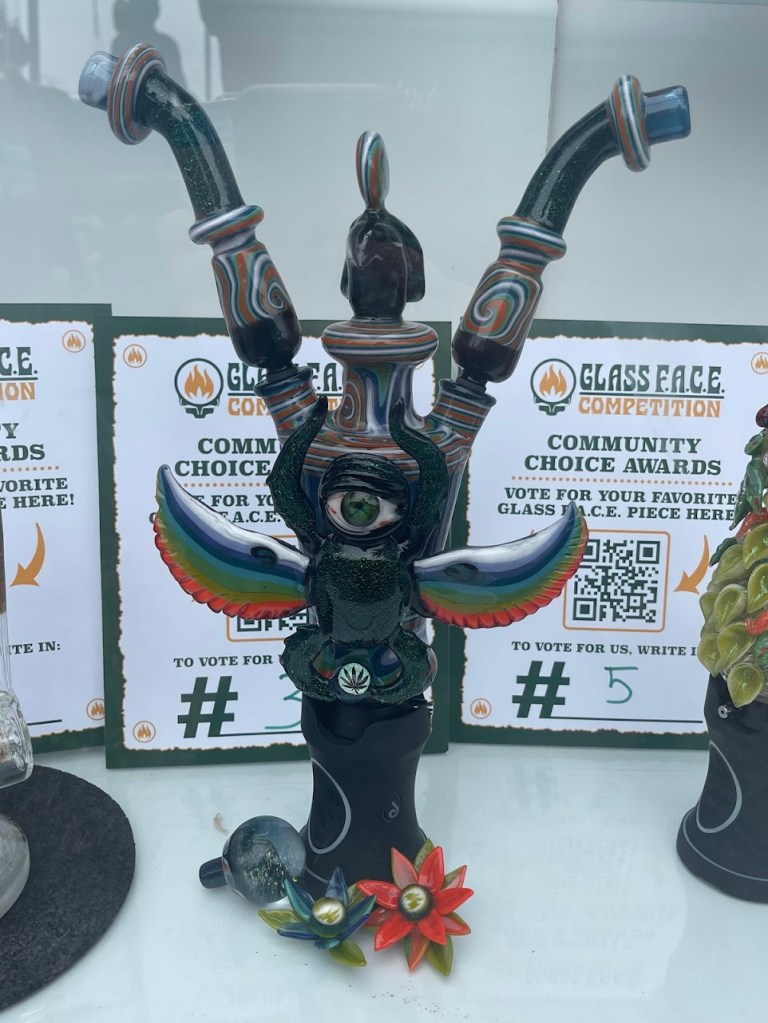
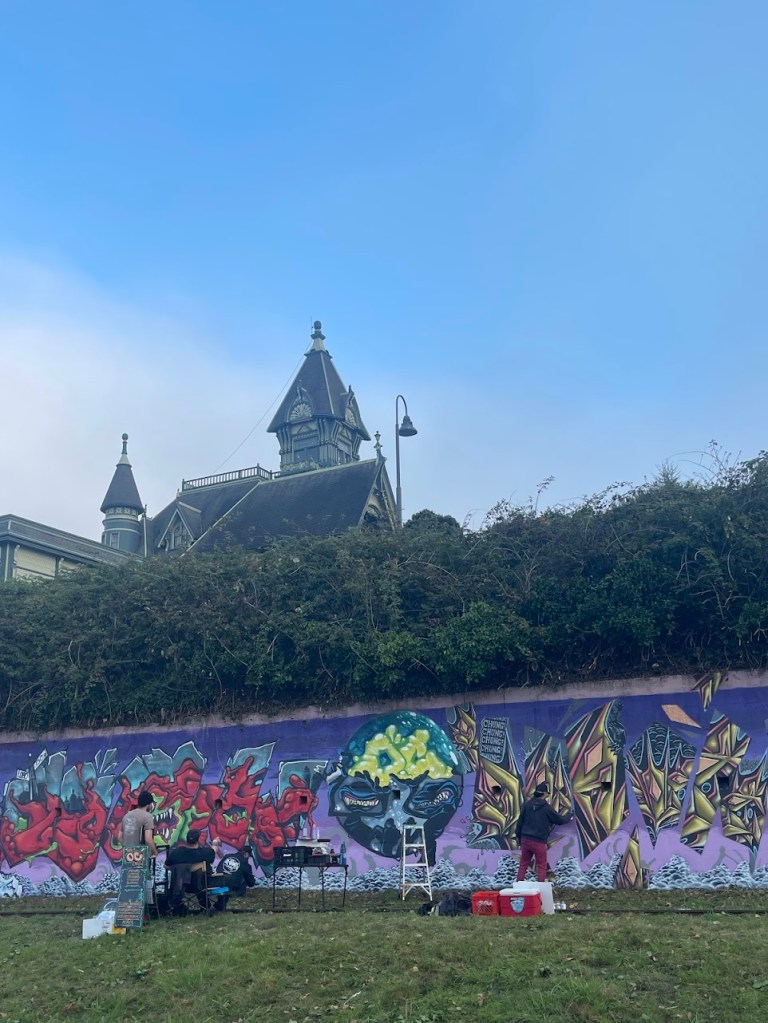
 I came to Cannifest to support my local cannabis scene, and it didn’t disappoint. Sponsored by SAFFY THC, the first Black and Jamaican-owned cannabis farm in Humboldt County that offers the community sun-grown, greenhouse-controlled dank light dep flower that can be found at Zen Humboldt and Proper Wellness. What I discovered went beyond my favorite cannabis community, local glass artists, and funky, groovy music—what truly captivated me was the underground street art culture.
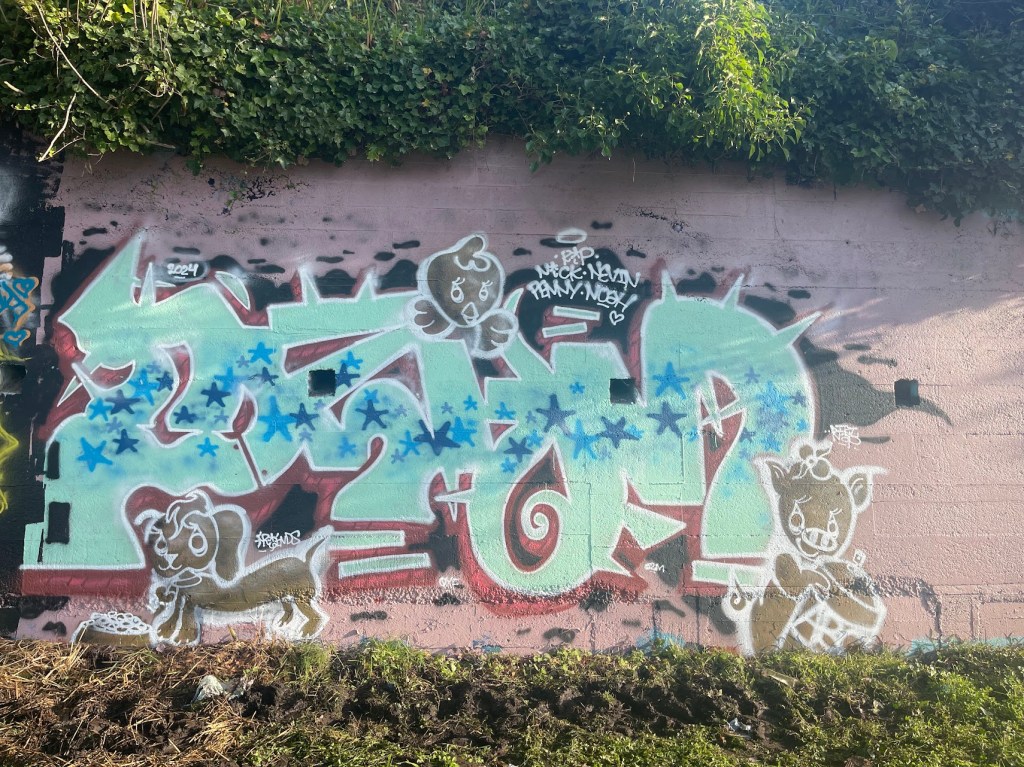
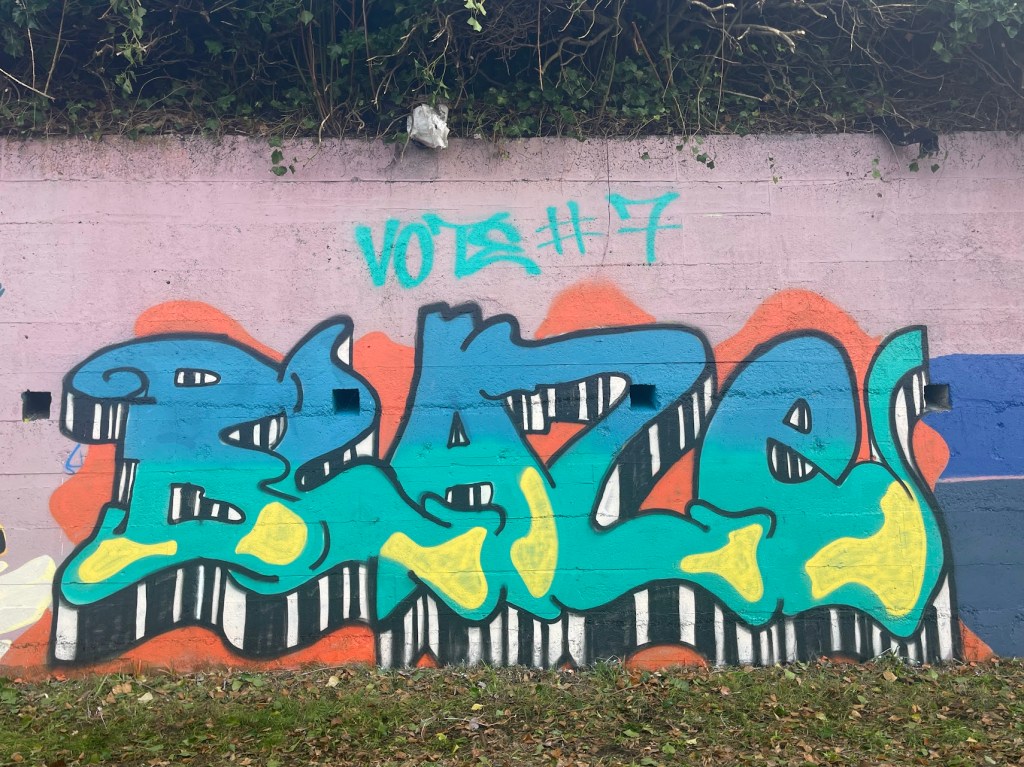
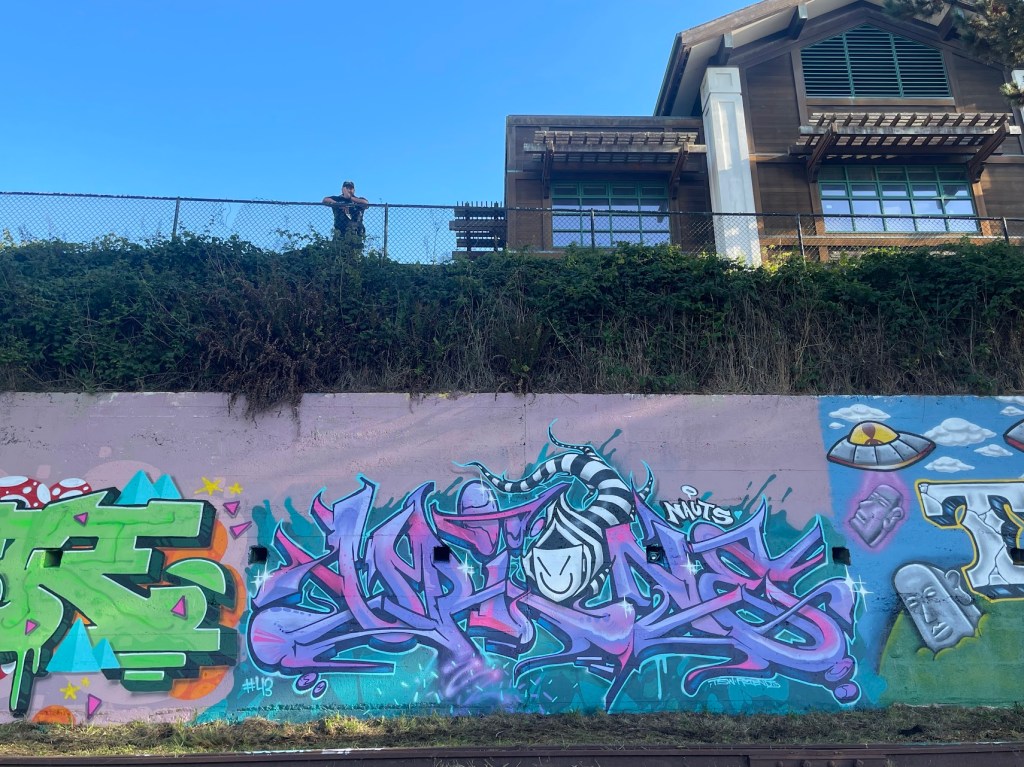
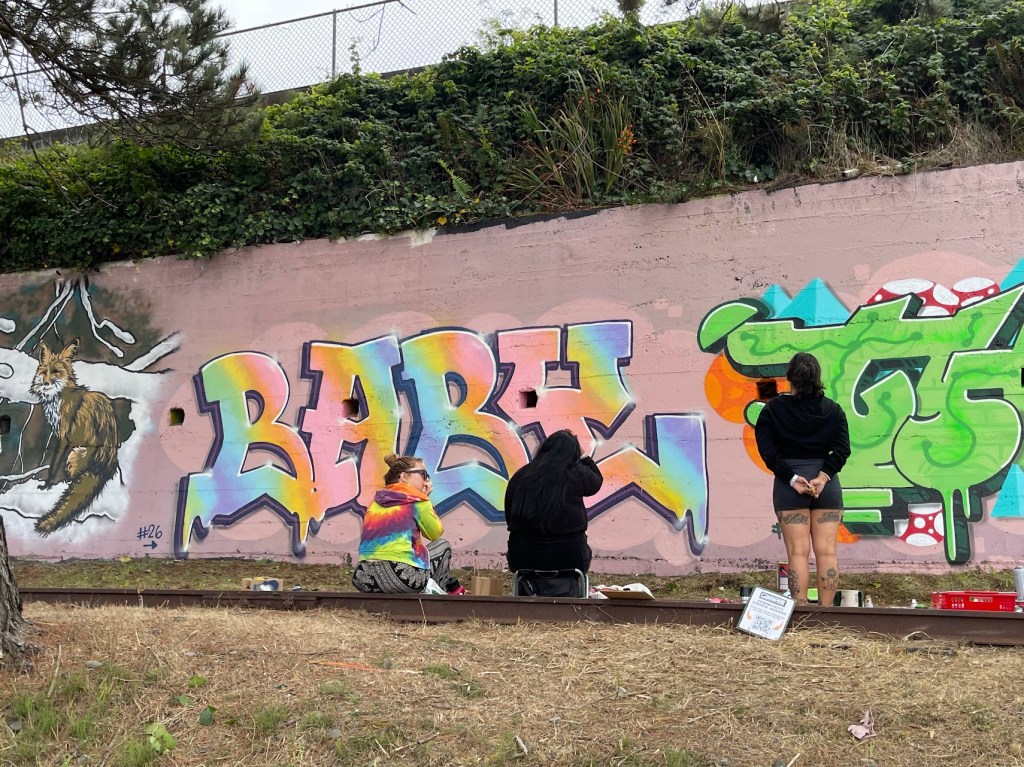
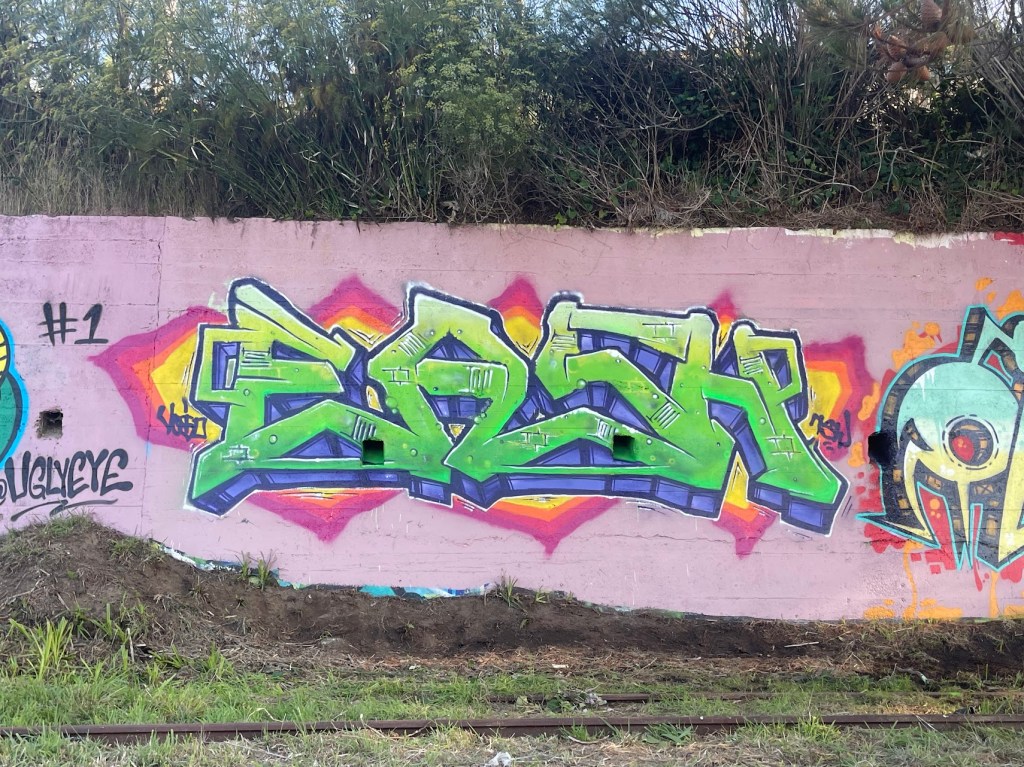
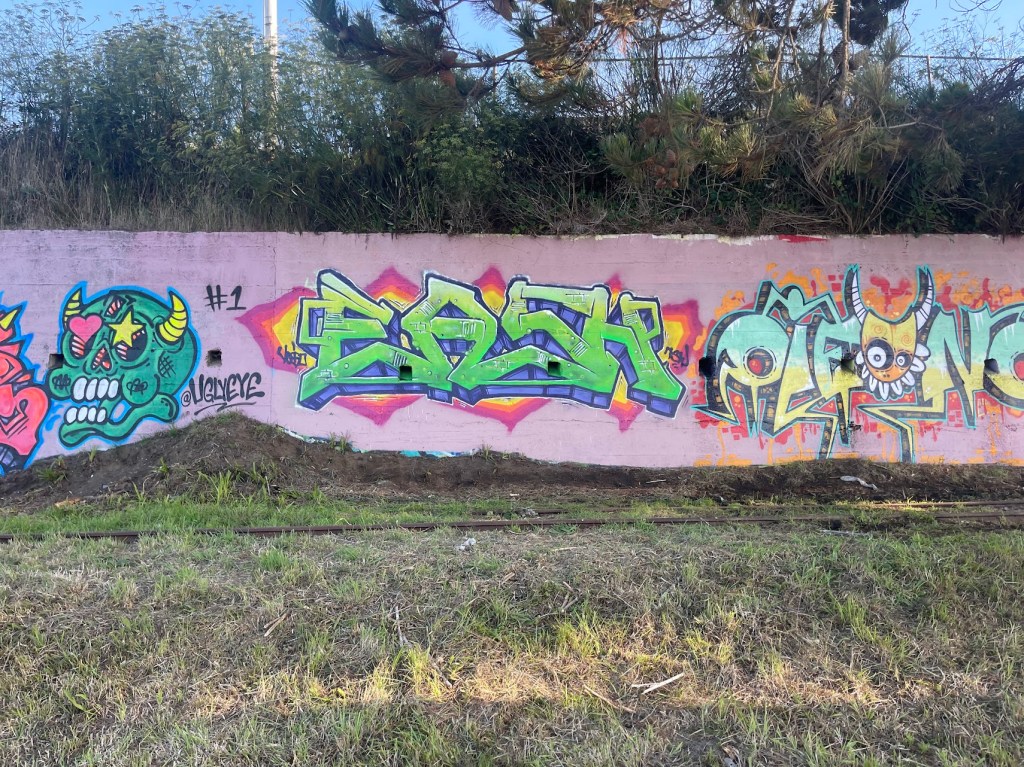
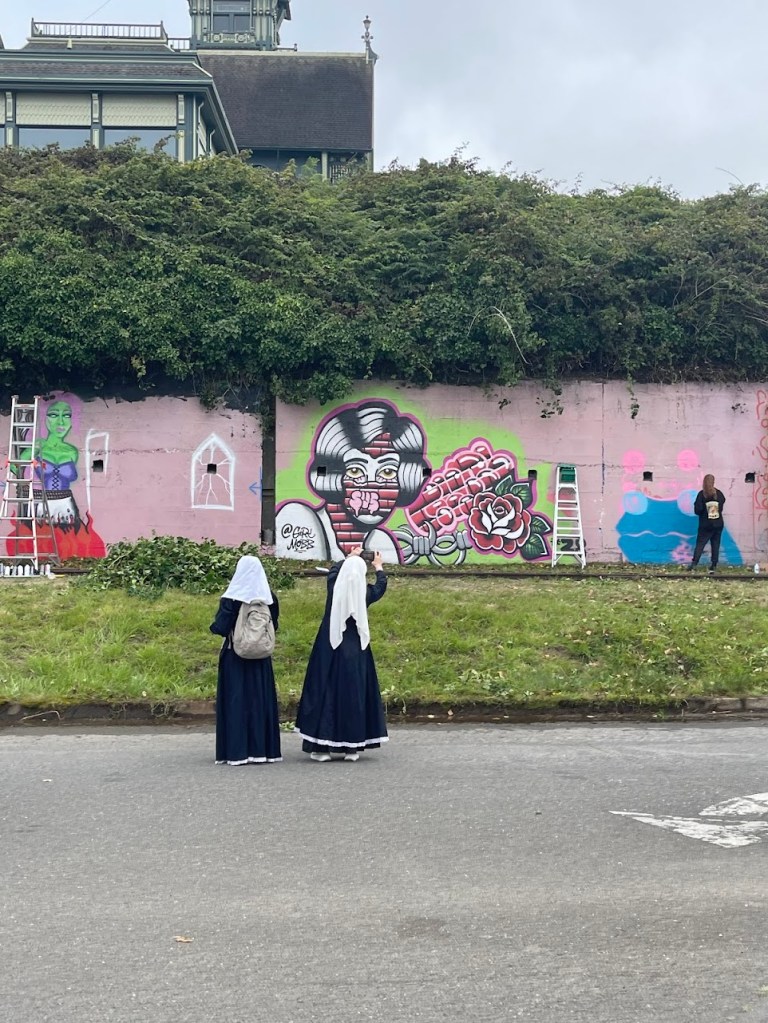
Cannabis businesses, dispensaries, and farms from all over California gathered to showcase their products. Local dispensaries like Arcata Fire, Proper Wellness, Phenotopia (Santa Rosa), Zen Humboldt, Moca + The Ganjery, and Heritage (Ukiah) were all in attendance, showing the diversity and dedication of California’s cannabis industry. Many out-of-towners were surprised to see street artists painting directly on the city walls. These murals stay up until Cannifest rolls around the following year, when they are painted over, and the cycle starts again.

“It’s too bad,” Ember from Soulshine Glass remarked to me. “I really liked some of the previous art.”
“Well, it’s kind of like your glass art,” I said, perhaps a bit dimly. “It doesn’t last forever.”
“Well, it can,” she replied. That’s when I realized I’ve been seriously mistreating my own glass collection.

The impermanence of street art is something I find absolutely beautiful. Artists create for themselves—to express a fleeting moment, connect with their community, push boundaries, and make bold statements. Knowing their work will eventually be covered challenges them to create again and again, evolving with every piece. It’s a cycle of relentless creativity. Maybe that’s why graffiti culture pulls at my heartstrings so strongly.

This year at Cannifest, I made it a point to chat with some of the street artists to hear what they had to say about their work and the impact of this ephemeral art form.

And of course, the music was on fire! The main stage lineup featured incredible performances from Lettuce, the Dirty Dozen Brass Band, Rainbow Girls, Mendo Dope, Oteil & Friends, the Nth Power, Junior Toots, the Magnificent Sanctuary Band, and a Wiyot Tribe Blessing to honor the event. Over at the Unity Stage, Deep Groove Society, Storytime Crew, Pressure Anya, One Wise Sound, Redwood Roots, and Marjo Lak kept the energy flowing.

Note from Conversations with Participants
Indoor growers will tell you they’re too good for trimming—“Trimming sucks!” Meanwhile, outdoor homegrown farmers will tell you how much joy they get from trimming fat, crystal-coated nugs—“Oh yeah, I love trimming!”

Take the poll: Where do you stand on trimming?

Natascha: So. What’s your tag name?

Artist1: Eesh.

Natascha: Eesh. Can you tell me some advice about tagging to unexperienced artists?

Artist1: Get in where you fit in.

Natascha: All right. Thank you very much. I love the colors that you use. Is there anything that inspires this piece that you did today?

Artist1: Artwork and vandalism.

Natascha: Hi. I’m here with a tag artist. What was your tag name?

Artist2: Oh, I don’t have a tag name. My name is Matthew Olivieri, though.

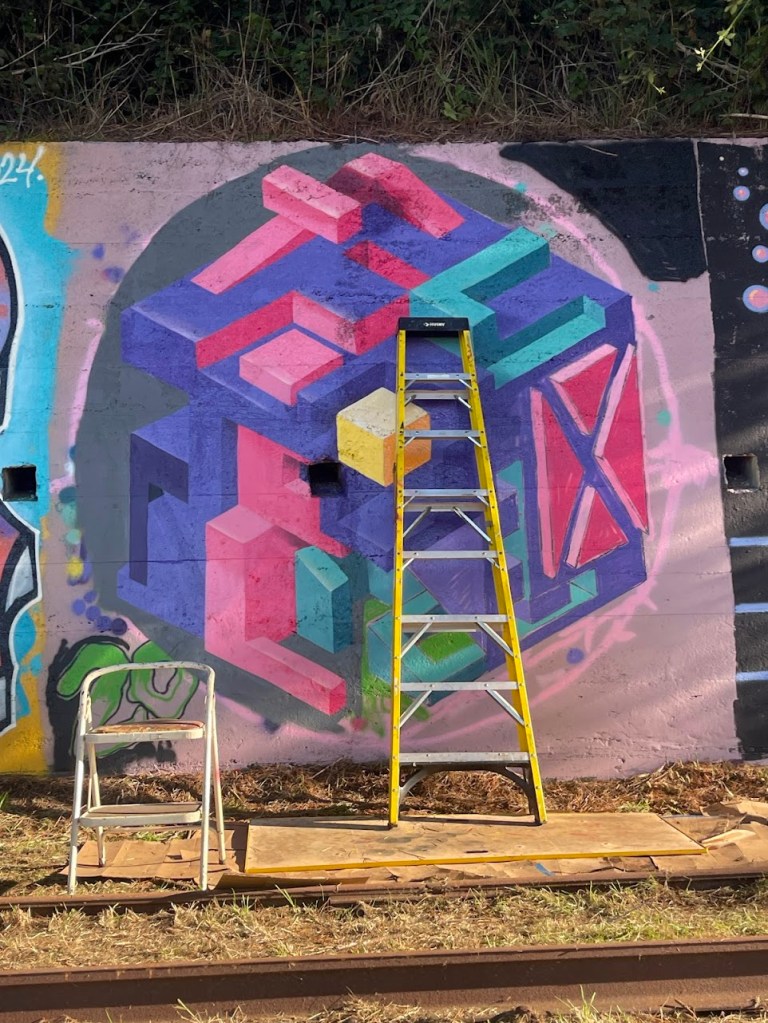
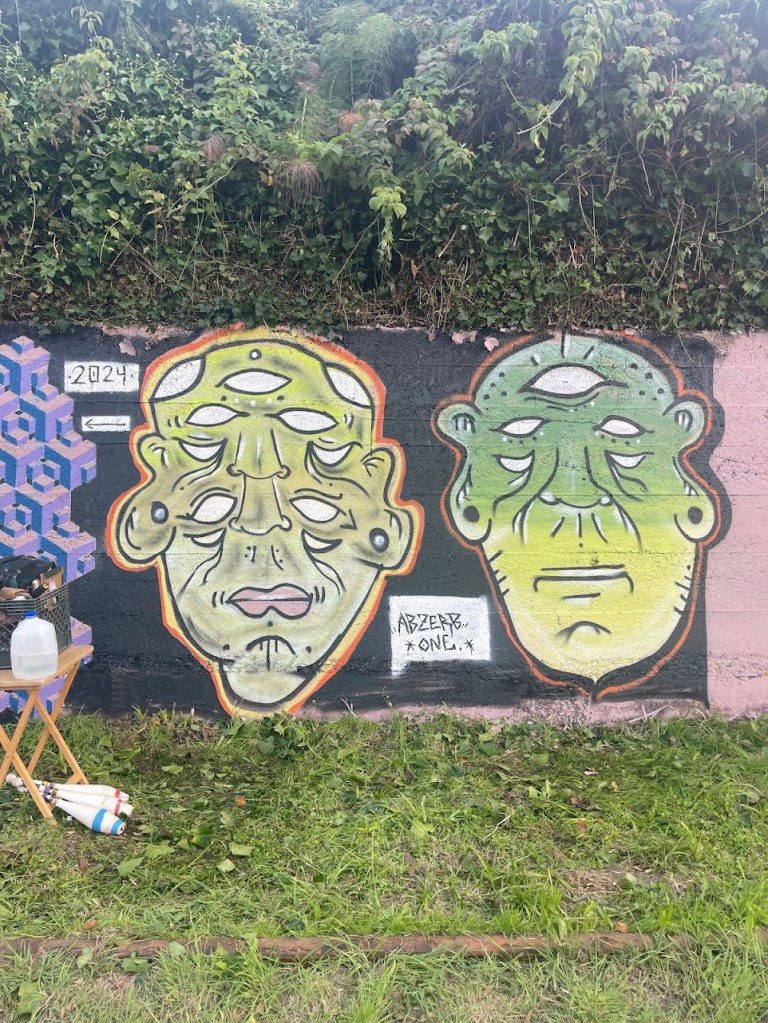
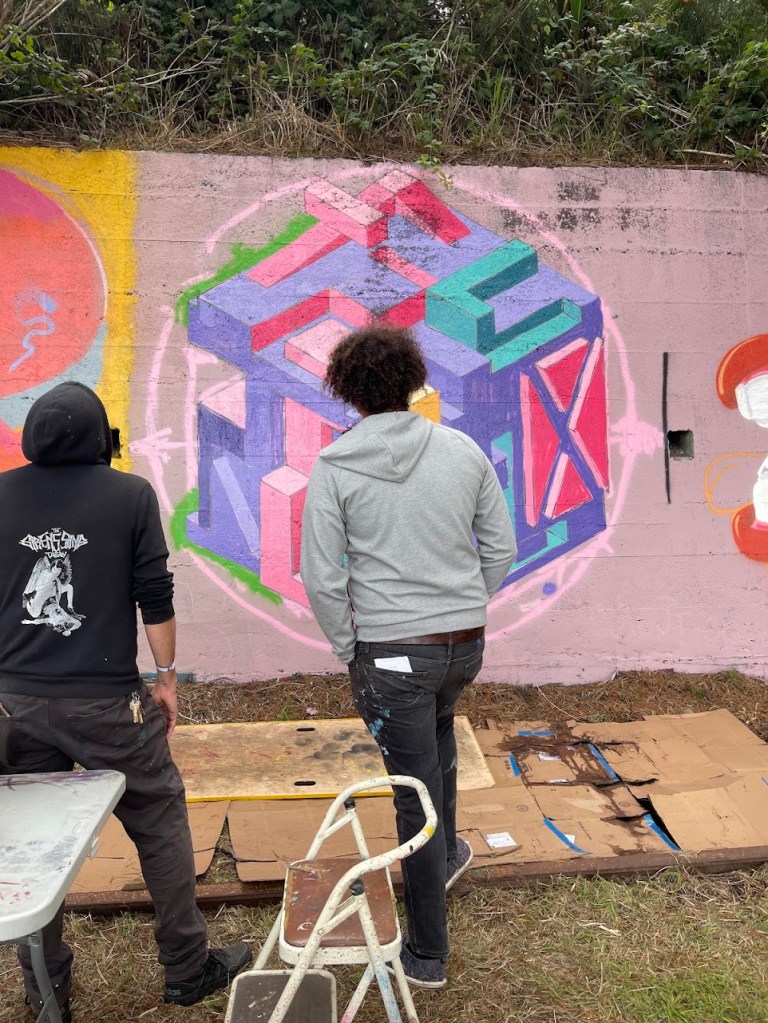
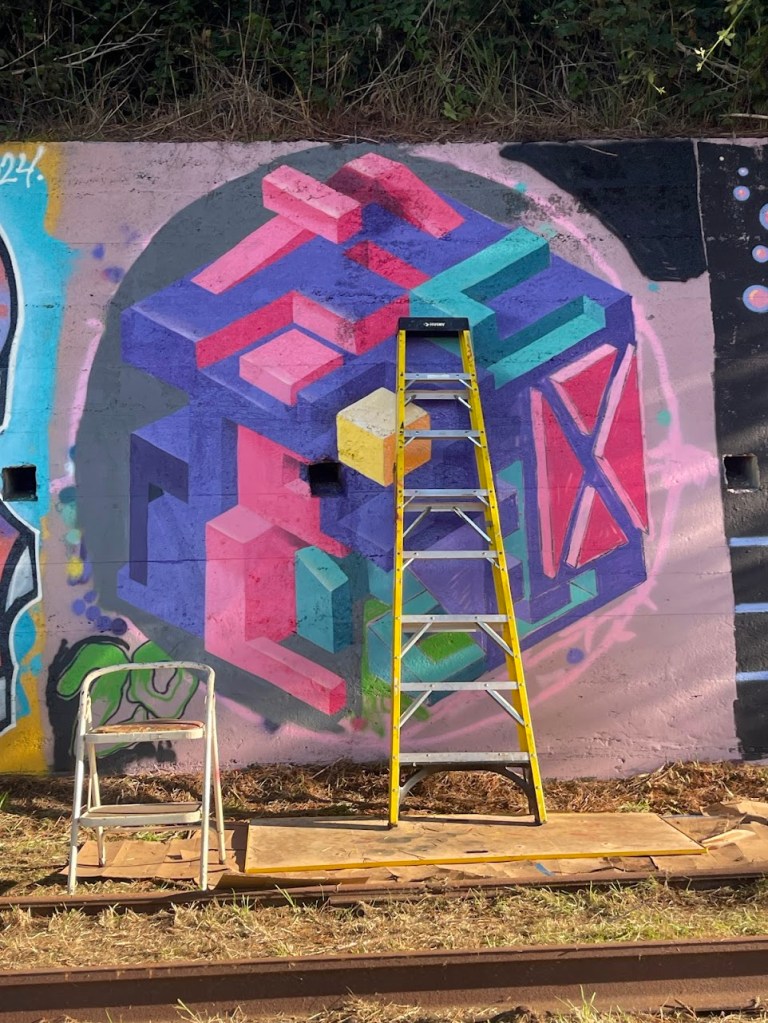
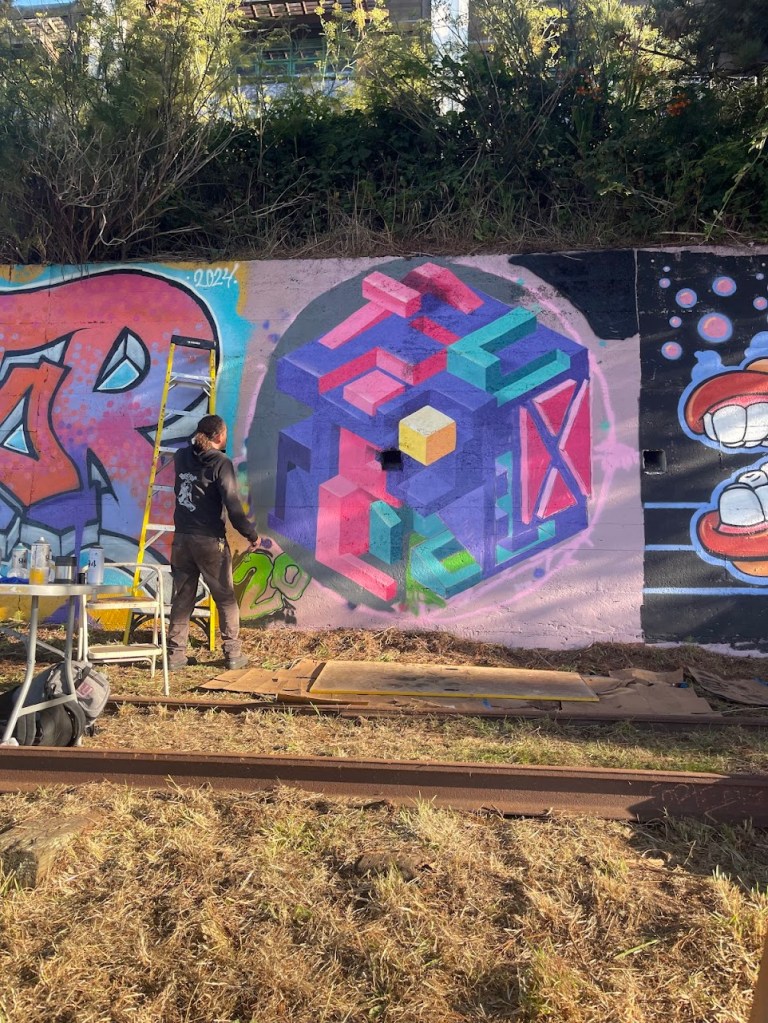
Natascha: Okay. Thank you, thank you. Matthew. Um, this is a very distinct cube.

Natascha: What kind of cube is this?

Artist2: Well, um. That’s a different question. Um, yeah, it’s.

Natascha: Revert back to the original question.

Artist2: The original question? Um, yeah. The shape of the cube is an isometric cube.

Natascha: Yes. Thank you. And where did you learn about isometric? And, like, what inspired the isometric cube?

Artist2: Well, I actually teach a lot of, uh, I teach art at the juvenile detention facility here in town. Yeah, so I teach how to do 2D or. I’m sorry. Two. Two point perspective and three point perspective and things like that. So I’ve been working with kind of geometric stuff like this for a little while. Um, but in an educator capacity. But I kind of take my, my work home with me a little bit by drawing things like this for myself, you know? So this is actually a logo of sorts. Um, a shout out of sorts for the business that I’m starting with my cousin.

Natascha: Um, what’s the business name?

Artist2: It’s called Faux Real Design Group.

Artist2: Cool for real design group FAUX.

Artist2: And it actually says F A U X.

Artist2: R e a l.

Natascha: Oh, I see it. So, so, um, and then we do.

Artist2: He does, uh, augmented reality on top of my artwork.

Natascha: Wow.

Artist2: So if you scan this QR code, you can actually activate activate the the augmented reality on your phone.

Natascha: Sweet. I’ll tag it in the blog. I really appreciate your time and your art and what you do for the community. That’s awesome. Thank you.

Artist2: Thank you.

Natascha: Hi. What’s your tag name?

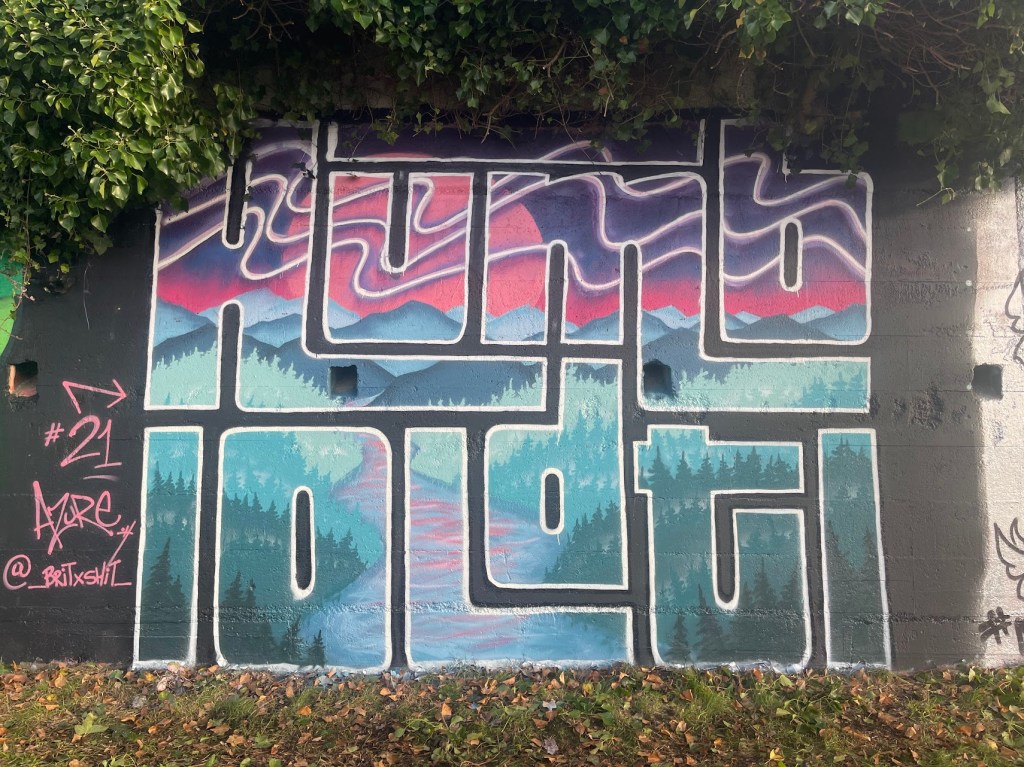
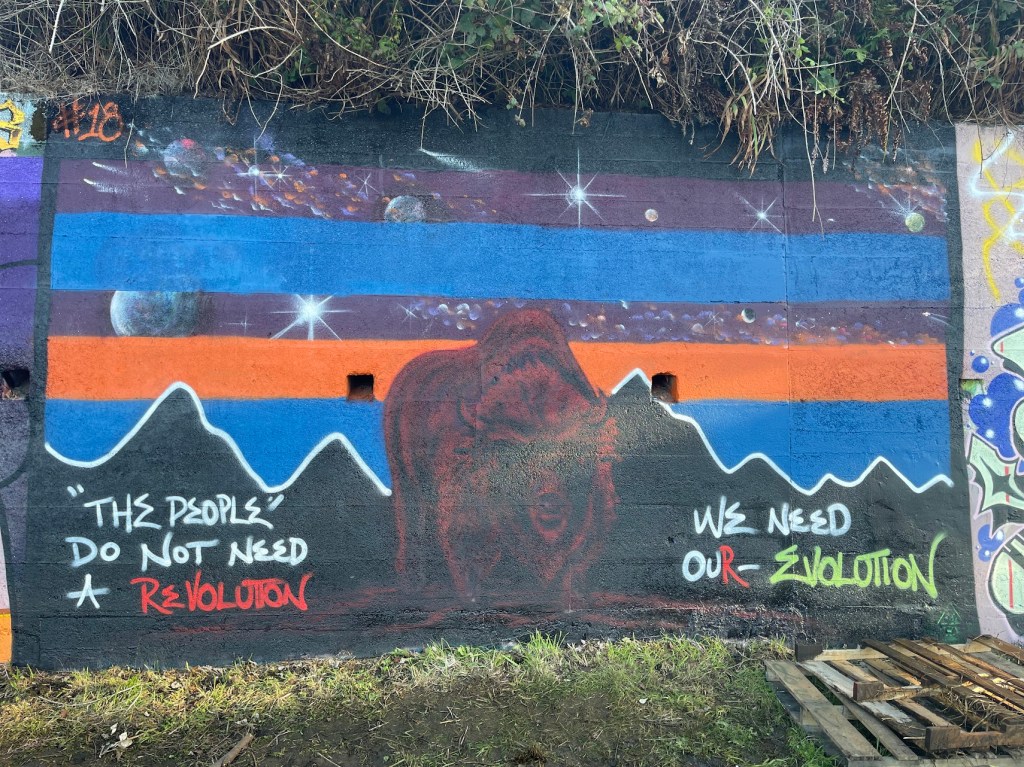
Artist3: Uh, Lauren Wheeler. Oh, tag. Uh, I’m. For what? For this. Okay. Yeah. Or. Yeah. Uh, 21 bangers over Instagram.

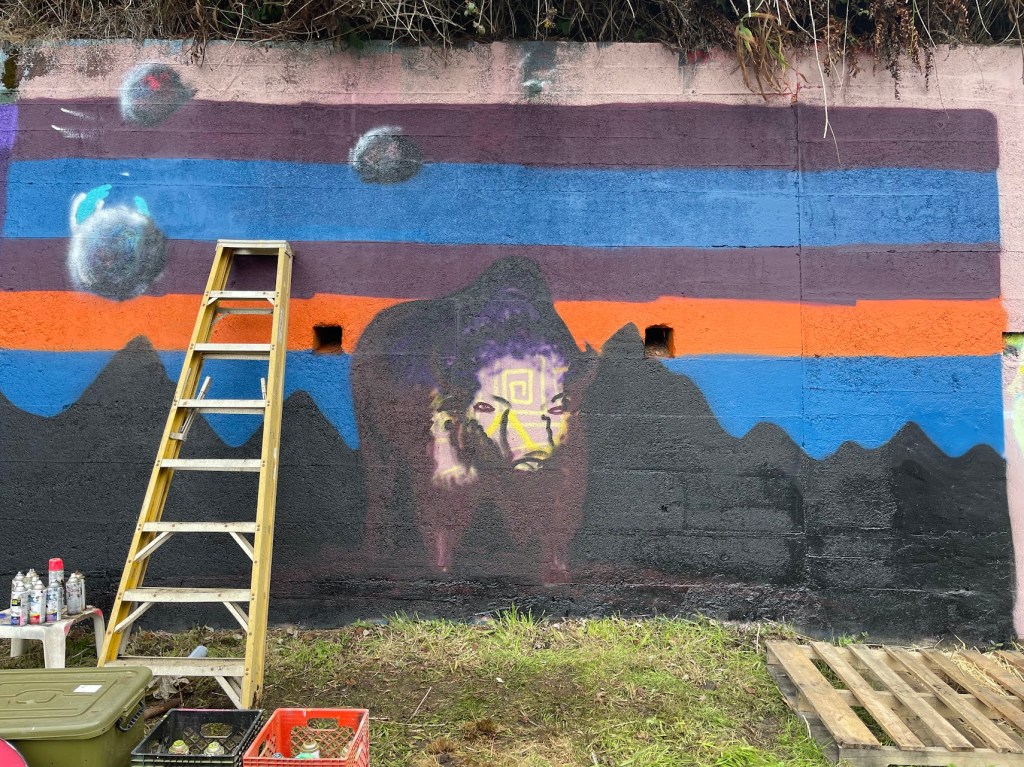
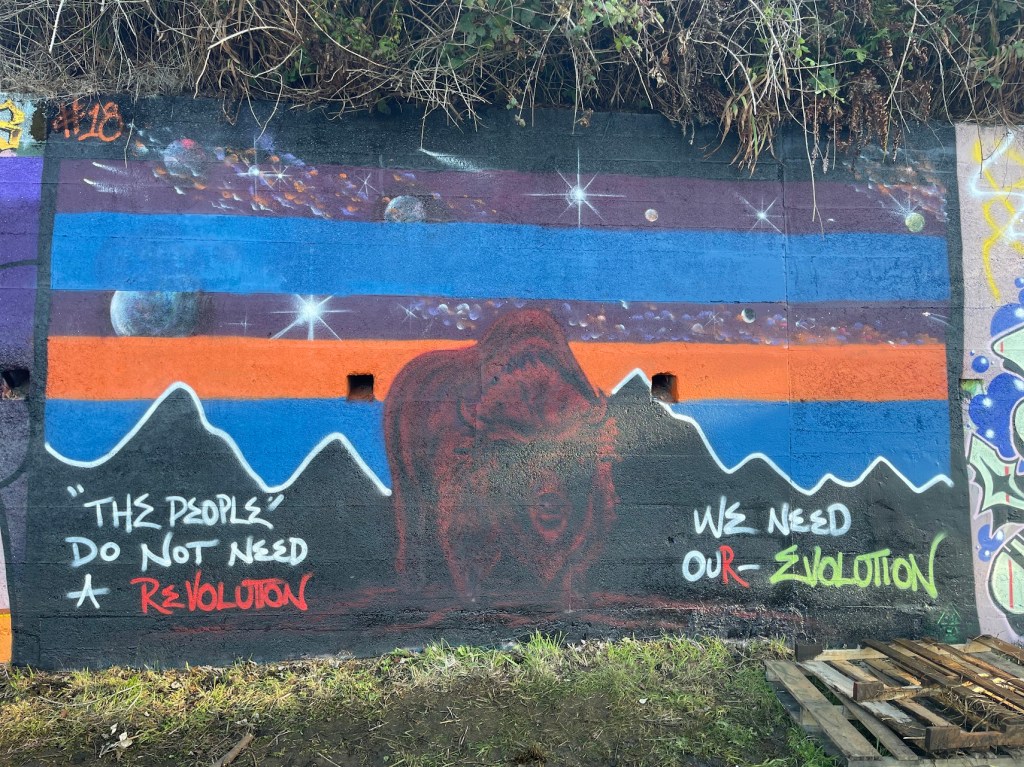
Artist3: What does this piece mean to you- Politically.

Artist3: Politically?

Natascha: Yeah.

Artist3: Uh, I’m not into politics, so it doesn’t have anything to do.

Natascha: So is it anti-political?

Artist3: It ain’t. Anti anything. It’s it’s it’s pro thinking.

Natascha: Um, you don’t feel like there’s revolutions going on all the time when people protest and speak up?

Artist3: Well, I feel like revolutions just puts you right back into the same spot. It’s an evolution that has to happen.

Natascha: Do you think that happens within, or do you think that happens on a governmental level, on a whole country level.

Artist3: That happens within because it’s thought that put us into these spots. It’s thought that even is going on right now. Everything is only a thought and people’s been killed to think this thought for many years. And then everybody thinks the same thought about the revolt or what’s going on with the government or the money or all this thing. Right? So to evolve, you got to think drastically different and not in those terms.

Natascha: If people are looking for healing, what kind of community do you recommend to find healing in.

Artist3: The same vibration.

Natascha: All right. Thank you very much.

Artist3: Yeah. Thank you.

“The people shouldn’t confirm around the community, the community should confirm around the people.

Lauren Wheeler

Natascha: Hi. What’s your tag name?

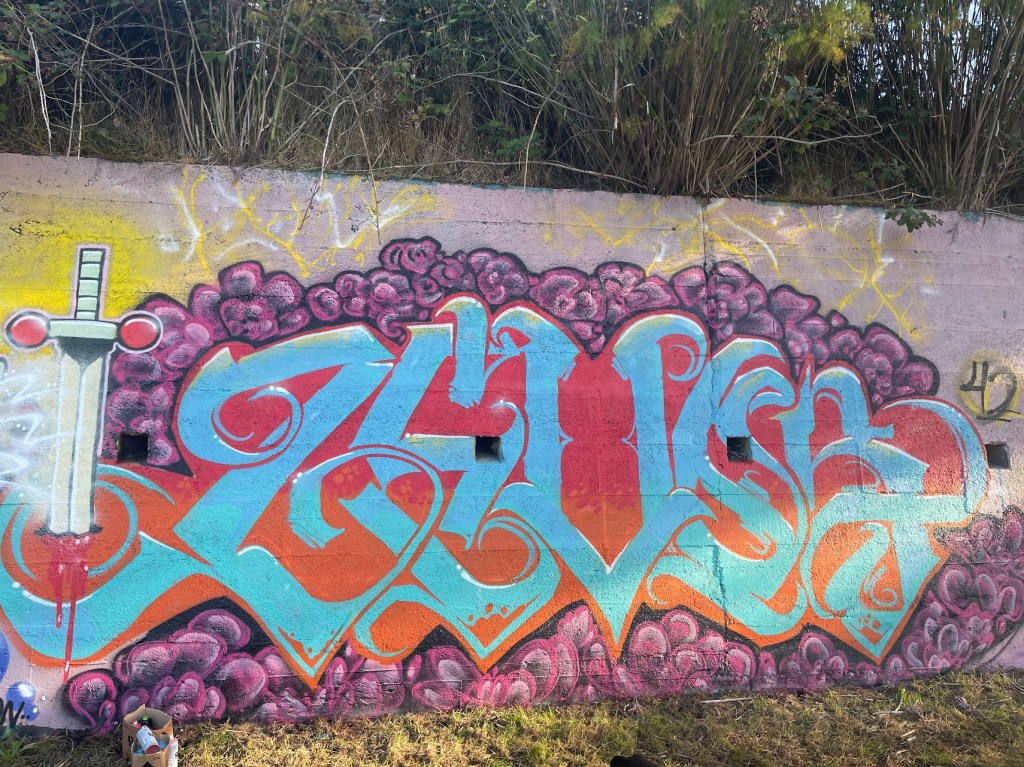
Artist4: Uh, my name is Zevo. Z-E-V-O.

Natascha: All right. Zevo, I was wondering, what part of your culture has influenced your tag piece today?

Artist4: Uh, so I’m Chicano, and the Chicano handstyle really influenced me. The old English letters and stuff like that. It’s a big part of my culture.

Natascha: All right. It’s super dope. And where are you from?

Artist4: I’m from Santa Barbara. Socal.

Natascha: Okay. All right. Thank you so much.

Natascha: Hey, what’s your tag name?

Artist5: My tag name is Golden Flower underscore CA.

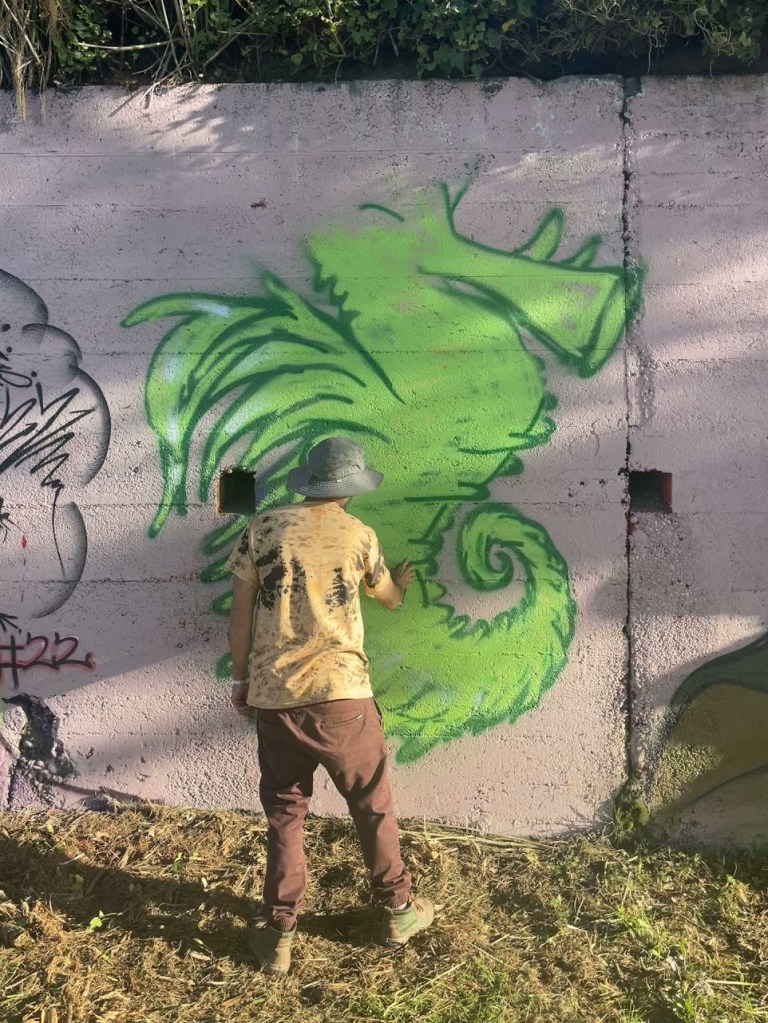
Natascha: This is a really awesome piece. What is the hand in the in the snake represent to you?

Artist5: To me it represents a connectedness with the water as well. And, yeah, the symbols of just, something humanistic or creature like. Yeah.

Natascha: What about SEON? What does that represent?

Artist5: So this is a collaboration with my friend from Chile. And so this is supposed to be some type of compass. And that is literally the country of Chile in a chili like pepper form.

Natascha: I love it. That totally brings the two pieces together. Thanks for the explanation.

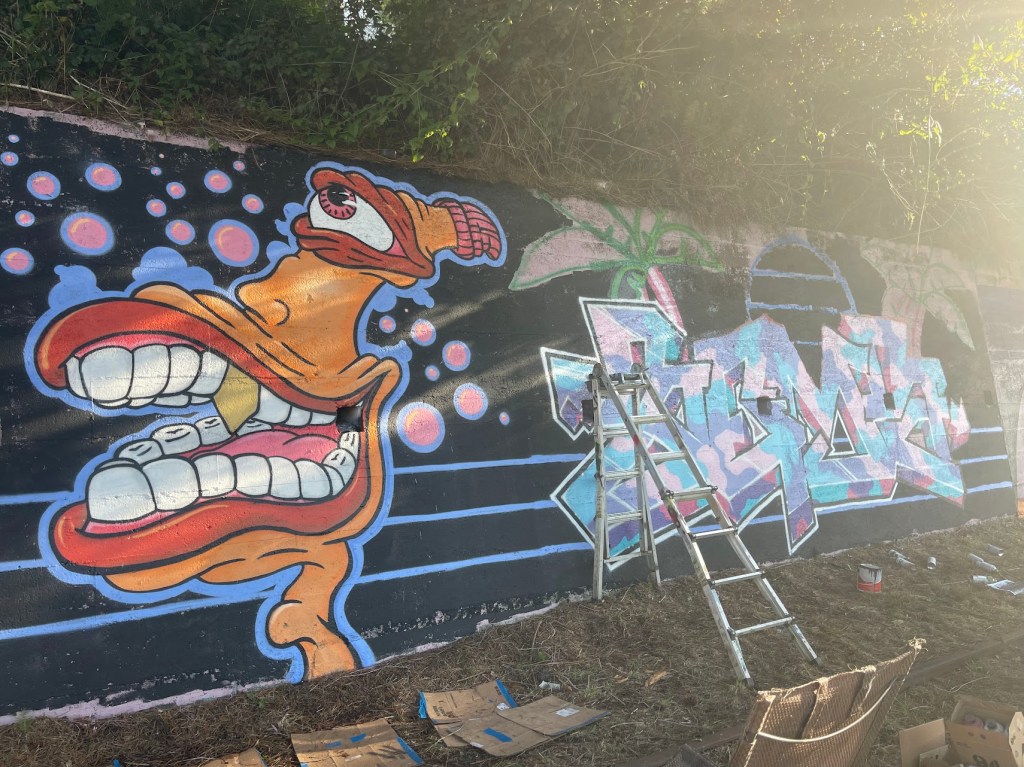
Natascha: Hi Christopher, I love this piece that I’m looking at. Can you tell me a little bit about your style?

Artist 6: Um, yeah. Just try to keep it sharp and clean and vicious looking. And we’re doing, we’re doing a comic book called the Max. Kind of like a tribute to it and putting our own graffiti twist to it.

Natascha: Okay. Thank you so much. It looks sick.

Natascha: Hi, Erica. This is a really beautiful, feminine piece that you put up here at CanniFest. Can you tell me a little bit about the story behind this piece?

Artist7: Well, quick blurb. We have our queen bee and her best buds, and it’s- I’ve been messing around with doing figurative work with creature heads, alluding to a more feral side of things that we often don’t acknowledge and probably should acknowledge more.

Natascha: All right, I see that absolutely.

Artist7: -Know your monsters. I like to paint a lot of the animals that are often given a bad rep and, you know, misunderstood monsters and bees are definitely one of them. So we gave a feminine woman with a bee head and her beast buds.

Natascha: Awesome. Thank you for keeping it fresh, I love it.

Artist7: Yeah. Thank you.

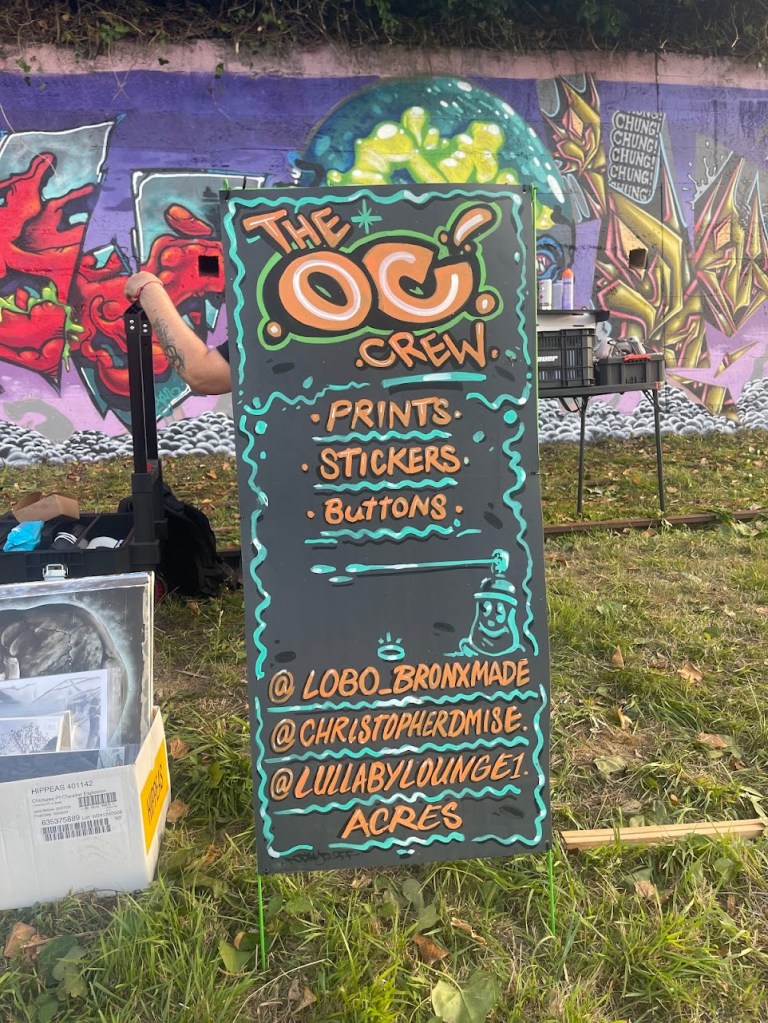
Show Some Love by adding these artst on IG!

@baaby._____

@wandering_eyess

@uglyeyes

@santacruzlurk

@nofacenocase_ui

@therealmichealwinslow

@notyouraverageshane

@zevor400ml

@_Whipple

@thejamsbrand

@s.murphyart

@shawnthemonster

@perplexx_art

@thor.ski

Ayahuasca Interview with Adelina and Chonon from the Shipibo tribe

Sunday, August 18th, 2024 2:35pm, Honeydew, California, Fairwind: Natascha spent the weekend at Fairwind to participate in an Ayahuasca ceremony. Afterwards she interviewed practitioners Chonon and Adelina. From her experience this plant medicine opens the third eye, allowing in information and reflection on communal living, healthy life choices, clearing chakras, and giving thanks to ones ancestors and those who have passed. You can learn more about their projects by visiting shipibocollectiveshop.com and shamanic-dream.com. The spread of this information and donations toward their tribe help keep their traditions alive.

“Plant medicine enables me to confront my triggers rather than suppressing them. It supports me in processing my trauma rather than overlooking it.”

-Natascha

Natascha: Thank you, everyone, for tuning in to the Little Lost Forest blog. Today I’m going to be interviewing Adelina and Chonon from the Shipibo tribe of the Amazon in Peru. Hello, Adelina and Chonon. Thank you for taking this time for this interview. Thank you, Albert, for translating this conversation from English to Spanish. How have your travels been so far? Where have you stopped?

Albert: ¿Cómo han sido tus viajes y a dónde has ido?.

Adelina: Oh thank you. Mhm. En mi viaje ha ido todo bien. Hemos venido acá, también tenemos un amigo. Gracias a Alberto también. Estamos acá en Arcata y después de acá vamos a ir a Utah también visitar una Amiga.

Albert: So yeah she says the travels have been great right now in Arcata California. Honeydew. Um after this she’s going to be going to Utah. And that’s where she was before this as well. They have community there and friends.

Natascha: Wonderful, thank you. What is your mission?

Albert: ¿Cuál es tu misión?

Adelina: Mi misiós es esta, ¿No? Como vuelvo a decir que he trabajado con 25 mujeres de mi comunidad y también buscar el mercado donde vender para poder ayudar a mi comunidad.

Chonon: Claro, mediante la medicina estar… Siempre conectar con la gente y una de las aazones por las que hacemos todo esto es simplemente por el amor tenemos al ser humano. Un gran amor y un gran respeto.

Albert: Gracias. So she says that her mission is well back in Pucallpa. She works with 25 other women in her community, and one of her missions is to network. And they do this all out of love. And, um, she wants to help support the community. And so she’s looking for different outlets and places to show her art and exhibit the beautiful artwork that they do make.

Natascha: Thank you. When working with plant medicine, is it grown on a farm or found in the jungle?

Chonon: Yo puedo responder esa pregunta. La medicina que nosotros hacemos, tú sabes la razón, ¿Verdad? Ahora en esta globalización de la Ayahuasca, se ha tomado especialmente en la comunidad donde nosotros vivimos a que no haya, es muy dificil de encontrar en su estado natural. Como Los antiguos, ¿Verdad? Entonces, lo que nosotros hacemos es trabajar con los tios, con la familia, ¿Verdad? Tenemos hectáreas para sembrar la medicina, la chacruna, la ayahuasca… Entonces, mediante eso, para no poder abusar de lo que está trayendo a la salud, es mejor reforestar. Asi es como nosotros hacemos la medicina.

Albert: Gracias, Chonon. So in their community, with the globalization of ayahuasca and a lot of the plants that they use, um, these plants are very rare to find in the wild. And so in order to keep them safe in the jungle, they try to keep the oldest vines alive, the plants alive and in properties of their, uh family members, they try to plant as much as they can in order to keep what’s natural alive and and to to save that.

Natascha: Thank you. How is it processed?

Albert: ¿Cuál es el proceso de hacer la medicina?

Adelina: ¿Cómo hacemos la medicina? Bueno, para hacer la medicina, nos toma alrededor de tres a cinco dias, dependiendo cuanto vamos a hacer. Nosotros lo hacemos en la selva. Siempre.

Albert: Vamos a hacer un bloqueado para… un poquito. And she says it takes about 3 to 5 days to make the medicine, depending on how much they’re gonna make. And they make it up in the jungle.

Chonon: Lo que hacemos es con ayahuasca y chacruna, esas dos únicas plantas.

Albert: So they have two ingredients. It’s ayahuasca and chacruna which uh ayahuasca is a vine. Capoeira banisters and the chacruna leaf in combination.

Chonon: Nosotros lo que hacemos primero es pues, hacemos un proceso de machacar la liana y después vamos en capas poniendo la ayahuasca… Es una olla muy grande, así. Todo eso, tal vez ponemos unos sesenta litros de agua, más o menos, todo eso se reduce a tres litros.

Albert: Okay, so they start by, um, smashing up the vine. The chacruna or the ayahuasca vine. Sorry. And, um, then they have a really large pot that they put it all in, and they put it in layers and they layer the ayahuasca and the chacruna, and then they put about 100l of water into the pot, and they cook it down until it turns into about just three liters of the medicine. So 100 will turn into like three after cooking it for 3 to 5 days.

Natascha: Well, thank you for sharing. How does art play a role in your ceremony?

Chonon: ¿Cómo hace…?

Adelina: Yeah.

Chonon: Yo voy a responder eso también.

Albert: Okay, perfecto.

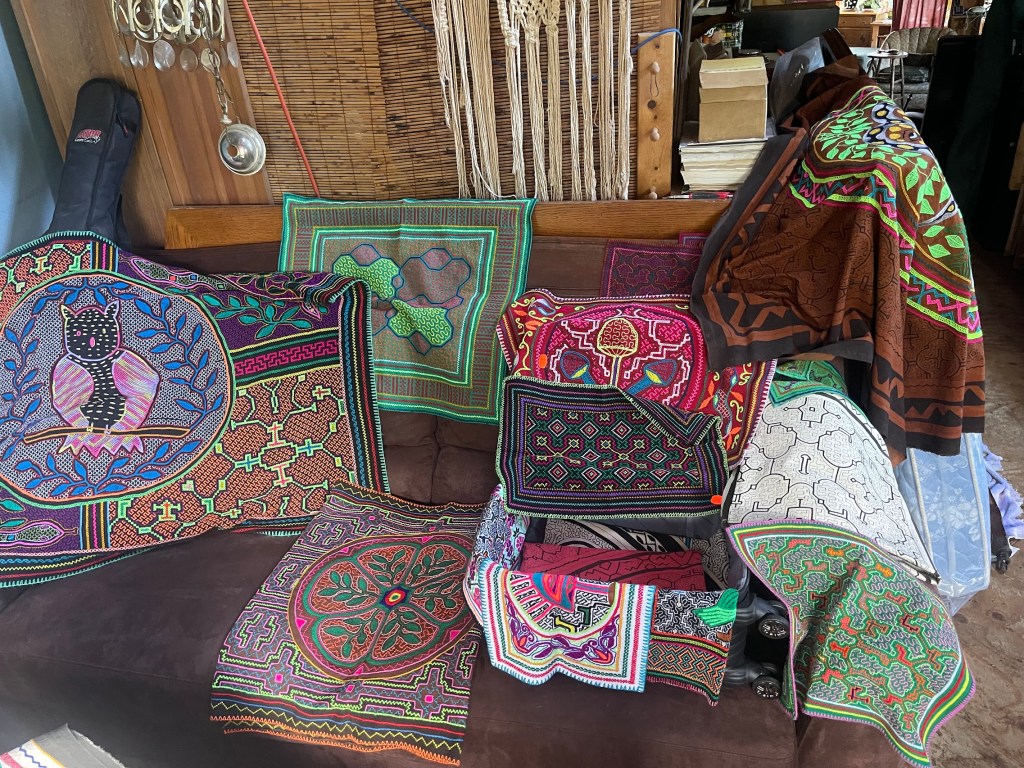
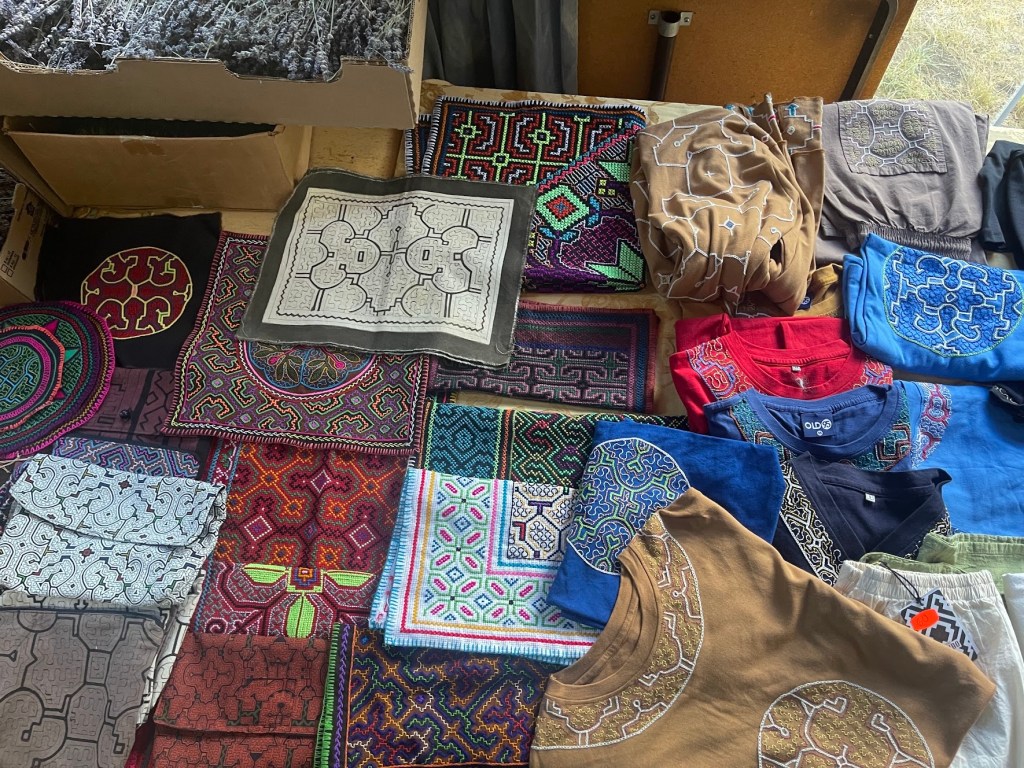
Chonon: El arte es muy importante. Especialmente este arte, ¿No? Este arte viene de la ayahuasca.

Albert: She says the art is really important especially with what they have here. She said this comes from the ayahuasca.

Chonon: Entonces todo esto es la inspiracion de las vibraciones de los ícaros, de las canciones que vienen de las visiones.

Albert: So this is all inspired by the visions that come through the, um, the icaros that come through the visions of ayahuasca. When received-

Chonon: Y todo esto tiene un significado, no es un diseño que está hecho por hacer, especialmente ¿Qué significado tiene? La mayoría es a sanación, protección, traernos sabiduría de los ancestros.

Albert: She said that every design on these patterns is not just set there for looks. Every single design and shape has a meaning, um, healing, protection, um, gifts from their ancestors.

Chonon: Sí, entonces, obviamente nosotros al llevarlo a la ceremonia, es una forma de honor, de respeto hacia todos los grandes espiritus que cuidan, nos guían y nos llevan a la dirección de la medicina.

Albert: So this is all in honor of, um, their ancestors and their guides that help guide them through these ceremonies. Mhm.

Natascha: Thank you. How has the medicine strengthened the relationship between you and your daughter.

Albert: Está preguntando cómo se ayudan la medicina a poder de usted y su hija y cómo ayuda a crecer su relacion.

Adelina: Nuestros ancestros nos enseñaron también. Entonces nosotros también. Yo aprendí de mis abuelos, mis abuelos, tías, tíos. Entonces ahora a mi hija yo le he transmitido y le estoy enseñando cómo trabajar con la medicina.

Albert: So these practices have been passed down from generation to generation. Um, Adelina was taught by her grandparents and her uncles and aunts and in lieu she is also teaching her family. She also has sons and other daughters back at Pucallpa. We’re really happy to have Chanon here with her. And, um, that is just part of their culture and how they how they grow together. Mhm.

Natascha: How are you received as medicine woman in your community?

Albert: ¿Cómo eres recibida en tu comunidad como una mujer de la medicina?

Adelina: Sí, nosotros en la comunidad, hombres y mujeres casi somos… Toda comunidad hacemos medicina en nuestra comunidad.

Albert: Mhm.

Adelina: Mhm.

Albert: ¿Y Cómo eres recibida en la comunidad?

Adelina: Nos tratan bien, porque la medicina para nosotros es muy sagrado y cuando nos enfermamos, con eso nosotros sanamos. Es una sanacion muy buena. Es medicina muy fuerte, es nuestra farmacia en nuestra comunidad.

Albert: Qué bueno.

Albert: She says we’re kind of like a pharmacy in the community. They’re very well received. Um, you know, her and the whole community make a lot of medicine. And, um, when people get sick in the community, you know, the ayahuasca and the medicines that they make alongside that really help cure a lot of sickness in the community. So jokingly looked at as a pharmacy. Yeah.

Adelina: Haha.

Natascha: What is the role of the assistants? How do they enhance the experience.

Albert: The assistance of-

Natascha: During ceremony

Albert: ¿Qué es el trabajo de la existencia en ceremonia y cómo se ayuda a la experiencia?

Chonon: Bueno, el asistente forma una vital parte de la ceremonia también, especialmente cuando hay grupos mayores de 10 personas en el circulo. ¿Por qué? Porque si es menos está bien, el chamán se puede hacer cargo de todos. Pero cuando no está a su alcance de poder ver tal vez más de 20 personas digamos un ejemplo, forma un poquito de dificultad, especialmente, y eso es asi siempre, no simplemente cuando venimos acá vamos a tener un asistente. En la comunidad, en la selva con toda familia siempre hay alguien toma una dosis muy pequeña para poder cuidar de todos. Siempre va a ser importante.

Albert: So she says.

Albert: Usually when sitting down with anything less than ten people, they really don’t need assistance in any way that they can take care of everybody in that circle. But usually like ten or more people, um, they’ll have somebody that maybe drinks a little bit less in order to watch over people, because when there’s like 20 people in a sitting, you know, it’s a little bit harder for the facilitator who is sitting in the very back to have a watchful eye over everybody. So therefore there’s somebody who takes a little bit less that is there to take care of other people that are in need of assistance, thus enhancing the experience.

Natascha: How does ayahuasca represent your culture?

Albert: ¿Cómo representa el ayahuasca tu cultura?

Chonon: Oh, el ayahuasca. Bueno, como dicen los abuelos, del ayahuasca venimos nosotros.

Albert: She says, just like their grandparents say, from the ayahuasca is from which where they came.

Chonon: Entonces nosotros formamos parte, nosotros somos los hijos de la ayahuasca, dicen los abuelos. Por eso dicen que nosotros debemos practicar. No podemos hacer desaparecer este conocimiento. De la ayahuasca viene el idioma, de la ayahuasca viene el arte, de la ayahuasca viene el conocimiento de la medicinas. Abre todas las puertas hacia el conocimiento. Es la escuela de la vida.

Albert: Wow.

Albert: So ayahuasca. Gracias. Ayahuasca to them is extremely huge. It is, um, everything from which where they came. They said that it brings them their language, their songs, their culture, their art, their visions, their healing. And, it’s told by their grandparents that they need to practice with this medicine because without it they are not. You know, it is everything for them.

Natascha: That’s a very beautiful answer. Thank you. What are some struggles in your community that you would like to overcome?

Albert: ¿Cuáles son los problemas de tu comunidad que te gustaría solucionar?

Adelina: Nuestro problema ahora en las nuevas generaciones, nuestros hijos ya no quieren… El problema más grande es que ya no quieren usar nuestra vestimenta, ya no quieren hablar nuestro idioma y algunos ya no quieren practicar la medicina. Entonces, ese es el problema más grande de la comunidad ahorita y eso nosotros queremos que no se acabe la cultura, el arte y esa es mi preocupacion. Yo quiero ayudarlo. También yo quiero hacer como una pequeña escuela también para ensenarlos a ellos también.

Albert: So she says, one of the problems in her community right now that she is really working on is that the new generations and the, the younger people in their community are starting to lose sight of the practice. They don’t find as much interest in wearing the traditional garbs the garments making the art. Um, a lot of people are speaking less of their traditional language or the Shipibo language. Adelina wants to make a school to teach people to continue these traditions, to teach them the language so that they don’t lose these special traditions.

Albert: Mhm.

Natascha: Can you share with us a prayer for the earth in your native tongue?

Albert: ¿Puedes compartir un rezo para el mundo en tu idioma nativo?

Albert: Gracias.

Adelina:

Albert: That’s right. Yeah Thank you.

Natascha: If you would like to translate.

Albert: Chonon, is there any of that that you would like to translate?

Chonon: Bueno, dice…. Bueno, acá estamos pues nosotros…

Albert: We’re here.

Chonon: En este momento.

Albert: At this moment.

Chonon: Pedimos al gran creador.

Albert: We’re asking the great creator.

Chonon: Que nos guía, que nos dé la fuerza para seguir caminando.

Albert: That they guide us and they give us the strength to continue walking this earth.

Chonon: Para poder compartir siempre la alegría, los buenos pensamientos.

Albert: To continue to share happiness and good thoughts.

Chonon: Que por favor, la gente que tiene estos malos pensamientos, guíalos hacia los buenos sentimientos.

Albert: And to please help the people with bad thoughts, to guide them into better thoughts and good states of mind.

Chonon: Así para que no haya más sufrimiento en este planeta.

Albert: To no longer have suffering on the planet.

Chonon: Por favor, guíanos una vez mas.

Albert: Again, please guide us.

Chonon: Y muchas gracias a tí, gran creador por siempre…

Albert: And thank you so much. Great creator for always-

Chonon: acompañarnos, guiarnos.

Albert: -For always accompanying us and guiding us.

Chonon: Gracias.

Albert: Thank you.

Chonon: Gracias. Gracias.

Natascha: All right. This is our last question. What is tribe life like? And what does it mean to you?

Albert: Esta es la última pregunta. ¿Cómo es el vida en una tribu? Y ¿Qué es para ustedes?

Chonon: ¿Cómo es más o menos?

Albert: ¿Cómo es la vida…?

Adelina: O cómo viven.

Speaker3: Cómo viven, sí.

Albert: Cómo viven.

Adelina: En.

Adelina: la comunidad más que todo.

Chonon: Bueno, en la comunidad… Forma dos partes, especialmente si hablamos del curanderismo, de las prácticas, es una práctica muy común. Todo Shipiru aabe qué es un curandero y tiene mucho respeto a quien practica la medicina y saben quienes somos. Y también está la comunidad que no practica la medicina. Entonces todo es un balance, todos vivimos en armonía y asi es como decimos. Especialmente cuando dicen los abuelos, en nuestra comunidad, nosotros siempre hay que compartir con nuestras abuelas… Cuando viene alguien, visita… Nosotros con mucha alegria, mucho amor. Entonces nuestra comunidad siempre trata de vivir en armonía.

Albert: Déjenme atravesar un poquito para no atravesarme. She’s saying so it’s like there’s like two parts and it’s a balance because there’s the curanderos in the community, which they are a part of the medicine and there’s people that don’t practice the medicine. And it’s really important that when somebody comes into the community that they receive them with joy and love and they bring them into the community and embrace them. And you know, everybody in the community knows that like that. The people that don’t practice medicine know the people who do practice medicine and really, um, rely on that as well. Um, so yeah, she’s saying it’s a balance.

Albert: Mhm. Mhm.

Chonon: Entonces, eso es lo que nos enseña la ayahuasca. Porque somos la ayahuasca. La ayahuasca nos enseña a tener balance en la vida. Entonces por eso en la comunidad los abuelos siempre dicen “hay que tener un balance, estar en siempre en neutro”, no podemos tampoco como explotar y tampoco en este otro, siempre en el medio.

Albert: Wow.

Albert: So she said it all comes back to the ayahuasca and what is taught by their grandparents and the people that came before them, the generations before them, is that they must remain balanced. They cannot go too far in either direction. You know, be too loud in medicine or be too quiet in the community. And so, yeah, it’s really important in the ayahuasca helps them bring balance to the community in those ways.

Natascha: Well, thank you so much for your time. Thank you for your service. Thank you for coming. I appreciate you guys.

Albert: Iraqshi.

Adelina: Iraqshi. Iraqshi. Gracias. Thank you.

Fairwind is a remote mountain retreat center, nestled in the Mattole Valley on a knoll looking out across at the King’s Range Wilderness. It has had the honor of hosting several cultural healers from different countries. Its intention is to respect all traditions and spiritual paths. This combined with the spirit of the land that has long fostered healing. The Temple is built with sacred geometry, using the trees from the location . There is also a seven circuit Labyrinth which allows visitors to engage in creating sacred space and share prayers for the benefit of all.

https://www.gofundme.com/static/js/embed.js