I just came back from an amazing vacation traveling cross country with Rose @disenchantedcreations and her son, Malachai (3), and my son Malakai (2.5.) She had made the trip to New York six months prior and was inspired to begin a van life adventure. I’m also very drawn to the road so after a month of planning we came up with a sort of solid idea for our trip, with our final destination being Bernett, Texas for the Texas Eclipse 5/8/24 and the Texas Eclipse Festival. Most people probably would not have been comfortable with the loose plans we had had time to discuss and the looooong drive ahead, but we did not mind. We had four days to get to Texas from Humboldt County to be in time for the festivities. Nothing could stop us.
We packed up the van with car-camping supplies; stove, pot, pan, utensils, flashlights, floaties for the lake, propane, soap, sponge, and dishrag. Clothing for us and the kids; including diapers, cosmetics, and swimwear. Toys for us and the kids; coloring books, flow toys, toy cars, beads and tools, bingo, tablets. We also brought a children’s potty, mattress/bedding, jumper cables, and bungee cords. We used yellow totes to hold up the mattress and a few rectangular storage containers to go along the sides. At the back(trunk) was a large cloth container that contained toiletries, easy-to-access alcohol, snacks, and eating utensils. The mattress folded in at the back so the car seats fit perfectly in the middle aisle with the cooler in between the two (with enough room for the kids to look over at each other.) It took both of us to close the trunk every time it was opened, because the memory foam mattress stuck out about a foot. To say the least, the car was stuffed to the point of almost bursting, but being together with the kids on a wild adventure made it all worth it.
Malachi began the trip with “My best friend Malakai.”
You would think two toddlers would ring each other’s necks after an hour in the car in a tight space, but that wasn’t the case at all! We started at night and drove from Humboldt to Calaveras arriving at a friend’s house. This stop wasn’t on the way but the comfort and joy of seeing friends who don’t live close by began our trip on an upbeat note. The kids played in the blacklight lit art space till the wee hours of the morning until we put We’re Back: Land Before Time onto the projector and cuddled up on the couch. We knew we’d have to leave at a decent time in the morning and our time together was short, so we sucked up the time together in exchange for sleep.
The next morning the kids took their wizzes (Malachi is potty trained but Malakai is still learning) and we hopped in the car and continued our adventure. We made a pact that we would not eat fast food on this trip (the go-to for people on the road.) And this proved easy to carry out because neither of us likes fast food and we both love salads!! So we stopped at a grocery store and got an item and drink for everyone. We did not want to overfill the car with food that would go bad so buying small portions was important to us. Also, buying fruit was a must. We had a never ending supply of grapes to snack on in the middle console.
We drove to Barstow where we would make the sharp east turn toward Nevada. We stopped for Mexican Food and sat at the table for a much-needed rest. Rose and I would split our meals when we ate out, exploring each other’s likes and finding a middle ground between our dislikes. After, we hiked along the Pacific Coast Trail along the freeway. The sun was setting behind the mountain tops and I carried my son who was exhausted from the night prior. We found a metal box with a log and hand sanitizer along with many hidden cartons of water.
Back in the car, we drove into Nevada, just barely missing a friend I wanted to visit and hit a truck stop in Arizona. The truck stop was full of floodlights, and even though I considered parking between two trucks we decided to park up a road past the truck stop on top of a hill that overlooked the street. Rose was ultimately worried this first night that illegally camping on mountain tops would bother me. After the first night she knew she didn’t have to worry about my roadsleep morals. We unpacked the car seats, left them outside and placed all the other backpacks and bags on top of the bed into the front seat. The first time we did this it must have taken 30-40 minutes but with time this unpacking would go faster and faster.
We had a night of not being bothered. Sleeping very close to the ceiling of the van would seem claustrophobic but it wasn’t. We enjoyed the baby snuggles and having this time together. We packed up the car in the morning and continued to drive. It was around this time that Rose would take morning shifts and I would take night shifts, exchanging throughout the day if necessary. We drove 8.5-hour days on the way there. Stopping for an hour’s walk along the way. There was very little disagreeing and the kids were pampered by the mother not driving.
Getting into Texas we were excited for the Texas Eclipse Festival. We slept on a dirt road that night, which we figured was surrounded by farmland. We were awoken at 5 am by a man whom we begged for forgiveness and told him we would move on. He kinda laughed at us in our PJs puddled together in the car with our kids. We picked up some food that day for the weekend and checked the tire pressure, then we were ready to go into the event. The kids kept saying “Party! Party!” When we pulled up there was a line but it was moving steadily. Rose jumped out of the car and tried to hustle a ‘Family Car Camping Pass’ but the line was moving too quickly, we almost lost her. Security waved us right through not opening a door or luggage. Finding a camping spot was hard. By Friday everyone was already camping on top of one another. We had to squeeze ourselves in to fit. We did push our way into the extended family camping, we thought this was important that we were around other kids and not a bunch of wooks. After all, we are bringing our toddlers into a 40,000-person rave, it would be nice to have a safer campsite to go back to. While we were setting up camp there was no room for the pop-up, so we had to makeshift the pop-up on top of the car and utilize the little bit of space around us to put our kitchen and chairs. We immediately made friends with the people around us. A single mom was camping next to us with two children, one a toddler, and the kids hit it off and played as we settled in. Within the first hour of arrival, someone gifted us glamping passes (no we did not think to move camp) which offered us unlimited showers. This was a big win because the Browners station had a big crowd and a long line, which would have surely overstimulated my Malakai. The showers ultimately helped with our children’s cleanliness and breathing which by the end of the festival, I was concerned about Malakai’s hack.
We went out together on Friday, bringing the kids in my wagon that had wheels meant for the dirt. Right at arrival we were surrounded by young rave girls and wooked out men who gushed over our “rave babies” offering them kandy bracelets and stickers. The kids were already covered in dirt and wide-eyed. My Malakai kept trying to jump out of the wagon and was hard to keep up with. Our neighbor turned around at the top of the hill as we continued to trudge our way in. It was a very large map and the stages were incredible, art installations all along the way, pop-up tents with astronomy studies, food trucks, and art galleries. The foot traffic picked up and my Malakai would not wear his ear muffs or come when called by name. I had to call it a night as soon as the night began, while the other Malachi danced away at the sun stage, soaking it all in.
By the time Rose came back, we traded spots, and I was able to go out while she slept with the kids. I roamed around really taking an interest in the art and the tea lounge which had live music and multiple tea-serving spaces.
The next day we did this routine again, feeding the kids, walking into the festival together, and taking the kids in the wagon. I enjoyed dancing to the Desert Hearts Takeover and Malachi passed out resin gifts his mother crafted to everyone he could. While my Malakai spent his time napping in the wagon. At night I was able to see my favorite DJ Ahee and reconnect with my Triptych community.
It is different going to the festival with kids. There was a lot less partying with friends and more focus on the children, but that was okay. We’re exposing our kids to an environment they may very well seek later in life and showing them that they can make connections not on drugs and enjoy the festival from the eyes of a child. After all, children can easily be compared to an adult on L or mushrooms if you think about it.
On Sunday we went to the quarry and swam in the lake. My Malakai hadn’t done much swimming before that. He wouldn’t let go of me but also didn’t want to get out. These silly memories are so precious. When we towel-dried off there was a group next to us. I gave the three of them Tarot readings and they looked up at me wide-eyed in awe. Malakai walked around picking up rocks and throwing them as I watched to make sure they didn’t hit anyone around us. The hecklers encouraged Malakai’s naughty behavior.
Malakai and I also got some alone time at one point. We danced at kids’ camp, climbed the rickety structure, and went into the dome where a piano player played a gentle heart-lifting tune while images of astrology signs were projected against the ceiling. Malakai laid on me, surrounded by community, while looking up and cooing at the designs. Holding him in my arms I was okay with missing the psychedelic speeches, the yoga sessions, and the crowded stages. This was a time for us to be together, I no longer needed to go find the next thing, my thing was right here sitting in my lap.
Exodus on Monday morning was not expected and shocking. It was so abrupt I couldn’t think. “Tornado warning, everyone must leave!” And only hours before the eclipse. We packed up the car and debated meeting up with our friends who we hardly had any time with or some we hadn’t seen at all. But once we were in the car we were pushed out of the festival in the forever moving line on the way out. Were we going to risk the chance of being caught in a tornado with the kids? Without the kids, you’d have to drag me out of the party but with the kids… We were already on an adventure, us being together was the adventure. So fuck it, we moved on!
Outside of the venue we stopped at a gas station and found a tornado shelter (I would not have known what this was if Rose hadn’t told me) to sit on top of with the children. There were lots of festival-goers around us. We took out our glasses, popped a bottle of mead and cheered! The energy of the eclipse was heavy. We were told that animals (and children) might act strange. Malakai was fascinated with the moon, “the moon, the moon” he would say as I held his glasses and he pointed at the sky. It was all rather lovely but then the moon started traveling to the left of the sun and yes my Malakai began to misbehave, sliding down the storm drain and running around in the brush. I sat him in the car almost in tears. Was it because we left the festival frantically? Was it the eclipse? Was it the feeling of lacking the festival experience because I brought my kid? Or was it self-hatred, uncertainty? But that’s what it brought on. I sat in the car for a minute and self-reflected. It would be a long drive after this. It was time to recollect.
We stayed the night near a lake on our way to White Sand. We set up our table after putting the kids to bed. We drank and beaded rave bracelets even though it was post-party. I made a handful for my family to give out when I got home. In the morning it was so beautiful waking up parked next to the water. Maybe van life is for me. The car next to us, even though we were hours away from Bernett, had also attended the festival. The gentleman was from San Francisco and considered himself an eclipse chaser. He was so kind and friendly, another reminder of the eclectic types of people that the festival scene draws in. He also moped for us when we left, finding some of the kid’s toys and sending me a text to pick them up from San Francisco the next time I visited.
We continued on our adventure. Driving and hiking, and staying in a hotel one night for a much-needed shower and to indulge in the pool. We hiked Pyramid Mountain, and up in the snow of New Mexico. We searched for caves and found a wonderful quiet and free camping spot in the woods. We never once paid for our van camping spot outside of the festival. On the second to last day of our trip a strap was loose on the roof of the car and no matter how many things we rearranged we could not make the loud obnoxious rattling go away. This is when things became tense and we adults began to grow frustrated and butted heads. Once we pulled over safely and were able to fix the problem we came back to our senses and were able to discuss what the issue was and how to respond better next time. A big part of traveling is communication. In a small space, both parties need to admit faults and grow from the experience. It’s a utopia to believe you can get along with your road dog 100% of the time.
But, I’m proud to say we got along 95% of the time through positive reinforcement, sharing responsibilities, and strong communication.
The last night we were around Santa Rosa, 4 hours away from home and it was time to sleep. We drove 30-45 minutes off the freeway past neighborhoods and as close to a hiking trail as we could get. We unpacked the car close to midnight and as soon as we closed our eyes the rain began to pour. I couldn’t help but stress in my head that the car seats were soaking up outside. In the morning I jumped out of bed and started getting things ready. We took off the car seat covers and put them in a bag. We covered the seats in blankets and repacked the car at our fastest speed, 20 minutes. It wasn’t nearly that bad.
We ended our trip with a wonderful breakfast. I am so thankful to have spent this time with my friend Rose and her Malachi. I have done a handful of camping trips with my children and a few festivals with my oldest when she was as young as five but never have I ever taken my toddler to what can easily be considered a massive that took us through four states to get to. I am so gracious that Rose was willing to share this experience with me and that she had a nag for hiking, healthy food, and in-depth conversations. This was truly a magical experience and I encourage all families to take the plunge and travel the world outside of their comfort zone.
Sunday March 17, 2024. Natascha drove down to Red Bluff in Southern Humboldt County, with her father and son to meet up with Soulshine on their property to talk glass. Inspired by their work she had seen at Summer Arts and Music, as well as their last shop in Eureka, and their fun-ky Facebook podcast. Her quest was to find out ‘What’s next?’
Natascha: Thank you for meeting with me today. I’m Natascha from the Little Lost Forest blog. I’m excited to learn more about Soulshine and your new space here in Southern Humboldt. How are you guys doing today?
Ember: I’m doing awesome.
Willow: Yeah, we’re really, really enjoying this spring day.
Natascha: Ember and Willow, welcome back from Wisconsin. How was your trip?
Ember: We were in Wyoming. [They mentioned they did have a studio in the past in Wisconsin, Natascha messed up.] And the trip was awesome.
Willow: It was awesome. We were there for, like, six weeks.
Ember: We really enjoy going to different studios, which we got to do in Wyoming. We got to teach and help them develop classes and product and then we also got to blow glass of our own. So, it was just a really awesome situation. Sam and Alicia, they’re awesome people. We had a great time.
Natascha: That sounds like so much fun.
Ember: Hoping to do more with them in the future. So that’s kind of fun and exciting for us. So, moving in more than one direction. But at the same time, we’re going to get to blow glass, we’re going to get to teach. So, a couple of our passions.
Willow: Yeah. Lots of exciting things.
Natascha: Right on. I watched a video on your website. It mentioned that you’ve been blowing glass for 19 years. Is that still accurate?
Willow: Uh, I have been blowing glass since 1994. So, this is 30 years this year.
Natascha: Wow. Congratulations. Woohoo! How about you?
Ember: I’ve been blowing glass. I actually took glassblowing in college. I don’t know if I should even say what year it was. It was a very long time ago. But I also, at the same time, had three kids living on the mountain and really got into that for a while. And I think I’ve been back into glassblowing full-time since 2010.
Natascha: What’s your process like? Do you sketch out your artwork before creating it, or do you prefer to work spontaneously?
Willow: I think both. Sometimes you’re making things that have to fit in a box, because it’s an order for something. And other times you’re making things, where you have to share a vision with other artists and you have to be able to kind of have a plan for that. It can just flow as it go(es) kind of thing. But everybody needs to understand the same kind of end goal. So, that each person can find where they fit into that collaborative team. It’s hard to do that. You know, when you’re by yourself and you’re just going for it, making shit, then you can just be open and free.
Ember: I think that’s one of the things that you’re really good at is in a collaborative class teaching situation, you do, he does a great job at actually drawing out the plan, organizing people so that everybody’s got a part, and a job. And it’s kind of somewhat defined as- not as far as what artwork they’re doing, but where that part will be on the piece. And that, I think is a talent of yours. It’s super helpful in teaching and collaborating with other artists. Yeah.
Natascha: Lovely. Your artwork features brilliant and smooth colors. What’s your favorite palette to work with?
Willow: I think I have some crazy ideas. I think the best color palette we get are the ones where, uh, where I let Amber pick the colors.
Natascha: Ooh.
Willow: Wait, you know, not even that. I like when she just drives the ship. She’s like, this is what it’s gonna be. And I love it because then I…
Ember: We, like, you know, go back and forth, we go…
Willow: Back and forth like we always battle between; I like bold black line outlines, you know what I mean? Like, I like everything to look like a traditional tattoo, you know, with a really fat black outline and a bold image, like a sticker, like you would see a bright poster image.
Ember: I like all the colors between.
Willow: So, she wants it like, white and, like, she wants white in between every line.
Ember: I don’t just like white, I like all the colors!
Willow: And I want black in between every line. And so somewhere between white and black, you have to find a balance, you know. But as far as the colors together, I don’t really have a good sense of that. Like, she definitely influences that unless I know like I’m gonna do a fire water palette, but then I know. Well, all right, I’m gonna pick the fire colors and then the water colors and then- But otherwise if I don’t go with what she says…
Ember: I love color.
Willow: If I don’t go with what her plan is then…
Ember: -If it has purple and fuchsia. Yeah, right. You know, bright, beautiful green. Oh, yeah. Just the drippy, yummy stuff that just makes you want to kind of drool a little at the mouth and makes your eyes just kind of pop and your heart like, whoa.
Willow: You can’t argue with that. You gotta be like, fuck yeah, right. This is the perfect blend, right?
Ember: Throw some sparkles in there.
Willow: If it was up to me, it would be like; yeah, it’s black and white and purple and blue and yellow and green and like, holy shit balls. You know what I mean?
Ember: We have fun with color together. Yeah.
Natascha: I dig it. What is the learning process like for mastering glassblowing?
Willow: Hours is powers. [pause] It’s how you get to Carnegie Hall, right? You got too hours with powers, right? That’s the same thing. It’s like. Hours is powers. If you want to do anything. It’s not really about how talented you are or how smart you are, or how dumb you are or how cool you are, it’s about how much do you want to do that thing, and how much are you willing to dedicate your life to doing that thing.
Ember: So, passion, passion does come in there because hours, you still have to have passion for that medium. Uh, I like think about glass all the time and how much I actually love the medium. Like I was just, for some reason, thinking about it the other night. And I was thinking about how I look at it has changed over the years. And now, where at one time I was afraid, kind of, for when I’d get the glass so hot that it would just flow and move. Now I get off on that. I like, love it. I love how it gets so soft and movement and I can control and make the movement happen. It’s really symbiotic feeling. I love that feeling of symbiosis with the medium. I think that is really…
Willow: Yeah. It’s like an extension of your hand.
Ember: Or your whole body. More, more beyond that. Yeah. Your passion.
Natascha: What are some of the dangers and risks associated with glassblowing?
Willow: Uh, you get addicted to glassblowing. It’s just like.
Ember: It’s like it’s addicting.
Willow: Kind of like crack or heroin or any of those kinds of drugs, really.
Ember: Let’s refer to it as bitten by the glass bug. It’s a little bit nicer. It’s happier, I like it.
Willow: It’s really hard on your bank account. You gotta be dedicated and willing to bust your ass. And so, you gotta be willing to be rich, be poor, be rich, you’re poor, you’re rich, you’re really poor, you’re rich, you’re poor. And that’s like how it is. And if you’re lucky, there’s a you’re rich part that’s like enough to save enough money that you can, like, actually buy groceries. You know, like it’s a commitment that you’re like, this is what I’m gonna do. And some people, they just have another job and they just do that on the side. And those are some people that got a pretty good idea sometimes because it’s hard. It’s hard. And so, it’s hard on that. You know I don’t think like other risks. Like you’re not going to blow your ass up. Maybe. People get burned, but I, I think the pizza taking pizza out of the oven is way sketchier. I don’t know. I get a lot of little cuts that like, they’re just tiny little cuts, you know, but they’re in like a shitty spot and then you get them, like, all over, and then suddenly you have like 8 or 9 and you’re like, I have some kind of curse of the 10,000 cuts and these. That sucks really bad.
Ember: You know what? I get cut, I get burned, and I, I don’t know, it’s still like, somehow, I hardly even feel it. I just want to get back and do it more.
Willow: You get superpowers.
Ember: Yeah, yeah.
Willow: You just like, gotta push through it.
Ember: Yeah. I got the worst burn on my hand right here.
Willow: Oh yeah, that hot graphite.
Ember: I dropped a graphite tool. And I tried to catch it because I didn’t want it to break on the floor because, you know, they’re expensive.
Willow: It didn’t, it didn’t break.
Ember: It didn’t break, but it burned my hand pretty bad.
Willow: That graphite. Don’t fucking play. That graphite like, just fucking hurts.
Ember: But aloe is a wonderful thing. Aloe and a little lanacane.
Willow: And weed.
Ember: And weed.
Willow: I’ve heard, that weed is really good for that.
Ember: I don’t know.
Willow: I heard that, yeah.
Ember: I think so. I yeah, I smoked, I did try, I used it, it seemed to help.
Natascha: Talking about budgets, what aspects of glassblowing tends to be more expensive and are there ways for beginners to start on a budget?
Willow: Ooh, glass is expensive.
Willow: I think that (where) there is a will, there is a way. I think you can totally start on a budget. Willow will kind of say the opposite. He’s like, buy the giant torch, spend all the money right away. But I don’t feel that way. I feel like starting out at your comfortable spot and working your way that direction. Because even if you buy yourself a small torch, I think buying yourself the largest, the best, hottest, small torch or a torch that you can work with, I don’t know. You’ll have to get out there on the glass classifieds and look for somebody who’s no longer interested or upgrading. People upgrade all the time.
So starting out small with a torch that you can afford and working your way up. As you get better, you’ll be able to sell more things and put that money back into your glassblowing. Just like if you had any type of business or something passionate that you were about you would take whatever money came that way and put it back into it, you know? So, I think that is a really good thing to do with glassblowing because you can start out and if you’re really strong and passionate about doing this, you’re going to find a way and you’re going to make those really awesome pendants, those little things, those sculptures or those small pieces that make you happy. You’re going to go out there and you’re going to show them to people. You’re going to share your love, your passion for what you’ve made, and people are going to want part of that. And then you’re going to be able to build your kind of pocket full of things you can do, and that you have, you know, to get through life with. And put that back into your business and get more color, get a bigger torch, and keep moving forward. Because just like life glass is a journey.
Natascha: Wonderful. Can you share some advanced techniques that you guys have mastered?
Willow: We do a lot of sectional montage and linework techniques. Ember does a lot of incredible sculptural pieces that we bring together, like the two a lot, and that has been some of the best kind of things we’ve been doing lately.
Ember: Yeah, I love when we just, like, come up with an idea and I get to sculpt some amazing picture that came into my mind and make it three-dimensional out of glass. I love it. It’s amazing. And then we get to put that together with some amazing shapes that Willow comes up with color and we work together.
Willow (whispers): She picks the colors.
Ember: We do some awesome stuff together at the same time. Like, my love for glass doesn’t stop at lampworking. I really love working out of the furnace and making big pieces of glass work, which involves a lot of body movement. It’s a whole nother part of the medium. And it’s one of the awesome things about the medium is I feel like it’s endless learning. So, if you’re one of those people who likes to be challenged, you love learning. I feel like I could keep learning about different parts and areas of glass my whole life and still not feel like I’ve touched everything. So that’s exciting.
Natascha: Yeah, it’s humble coming from such a master. Super cool. Is it possible to accidentally burn the glass during the blowing process?
Ember: Mm mm. Interesting. Yes. Depending on the type of glass, you can.
Willow: You can boil the glass by heating it with two forceful and hot of a flame or whatever you’re heating it with at one time. And you’re blasting it so hard that the surface boils before the heat can radiate into the core of the piece, like thermodynamics. Right? It’s like a pot pie. It stays hot in the middle, and it cools from the outside, but it has to heat up the same way, because glass is an insulator and it’s going to pull its heat into the core. That’s what makes it gather into a round ball or something like that. And so any flame that you put to it, it’s gonna get hot and it’s gonna melt. But if you like, heat it on high, it’s gonna boil the rice, you know, and you don’t want to boil the rice, and you want to simmer the rice really slowly. And so when it can hold that water in and absorb that, you know, then you have that perfect rice. And it’s the same thing with the glass. It wants to be heated in the right kind of flame for the situation. Even different kinds of glass, different…
Willow: –colors.
Ember: Different colors. Yeah. Uh, have different chemicals or reactive properties that sometimes you want to boil. You want to boil the rice, sometimes a little bit that you get to break the rules or bend the rules. And then there’s other times that you want to like activate the system and you heat the glass and when you heat it, in a different kind of flame, different shit happens, you know what I mean?
Molecules inside the matrix get to float to the surface and create different colors or different effects. Right?
-Ember
Ember: Yeah.
Willow: Kind of like that.
Natascha: Yeah. That was a really good answer.
Willow: Is it too sciency?
Natascha: No, that was so cool.
Willow: Fucking science shit’s awesome.
Natascha: I think so too. Yeah. What’s your favorite type of piece to create?
Ember: I love creating sculptural pieces. I pretty much do a lot of sculptural pieces that I would want to put on functional pieces. And I do a lot of sculptural pieces. I like to make pendants so that people could wear them.
Natascha: What kind of themes do you like to use?
Ember: Um, mostly themes from nature. I love everything about the world in nature, and I love flowers, I love animals, I love trees, I love, yeah. And I actually get really inspired by colors of nature, I don’t know.
Natascha: How about you, Willow? Favorite type of piece to create?
Willow: I like to work with line work, and what that means is that I make a tube that’s a hollow tube but has like encased different colors all around it. So, it’s a lined tube that’s hollow. And I make that first, and then I pull that out, and when I pull it out, I get about four feet of that same color, really dense color, lined tube. And then I take that one piece and I rip it up into like 30 smaller pieces of line tubing, and then I twist them all together in different ways and then reassemble them back together in different ways often on like a 90 degree off-axis. And then there’s all this math that goes into it, and, uh, I get really into shape with the math formula of taking the spirals and stacking them together and reassembling the sections to make more patterns. And then if I make this many here and, you know, three, three, three, anyway, you know what I mean? It gets all mathy. But I like to create patterns like through that with the lines, by reassembling the lines and create really elegant forms. I think I really like extreme flat like transitions, you know, like, I don’t know, instead of slopey bubbles. I like to be, like, cut shapes. Yeah.
Natascha: Ember, now I hear what you mean about the shapes.
Willow: And it’s all math, though. That puts that back together again. That’s the… I don’t know, I sucked at math in school.
Natascha: I did too, I’m not good at math.
Ember: Math’s not my favorite thing at all.
Natascha: But now you’re using math in a different way and it is how you connect with it now.
Willow: That’s how I see math, I guess, all along.
They [teachers] didn’t show me that, like, hey, you can take a spiral and put three spirals together and it makes this other spiral.
-Willow
I’d be like, oh shit, there you go. I get the math. I’d have gotten an A. [laughter] They just didn’t teach me like that. They just taught me the other way. Yeah. You know they taught me the other math.
Natascha: And we talked a little bit about your inspirations being nature. Are there other inspirations that come through in your design work and your art?
Ember: I mean, if we’re going to do something like a collab piece, there’s different things that’ll create inspiration. If we’re going to do lighting for somebody’s house. Okay. I love doing that, too. [dream-like] What’s going to make their house look beautiful, you know? Yeah.
Willow: That’s always fun. Envisioning color palettes in lighting. They’re made in layers. So, we start with white on the inside, and then we put down other colors. And then we put down other colors over that. And then the light is inside shining out. So, you’re seeing that radiate out. So, you’re really seeing this like matrix of layers of glass and transparent colors over opaque colors over different other colors, you know, with spaces and gaps in between. So, you can create something that’s like, really cool and create a whole effect in somebody’s house. You know, I think that was really a fun thing to do. You can really, uh, really it ties the room together, you know?
Ember: Well, and it’s just also knowing you’re making this functional piece that’s going to be part of people’s lives every day and light their world… In glass it looks amazing.
Willow: Yeah, I love glass.
Willow: Um. Uh oh. I almost knocked the bong over.
Natascha: Before getting into glassblowing, what other forms of art were you guys involved in?
Ember: I think that I did all kinds of art growing up my whole life. My dad’s a really awesome artist and a painter and sculptor. And my mom had us involved in doing all kinds of arts and crafts. That’s how our family communicated. That’s how our family got along. I don’t know, I feel pretty blessed that was my world growing up, because I think that carries over into my life and my kids’ lives that I get to share that love with them. And I’ve always said if I wasn’t working in glass, I’d be working in another medium. Whatever’s available out there, I would grab and want to make stuff with it. So, I don’t know. I feel like I’m really blessed to get to work with glass, but also working with anything that’s out there in your world that you can see, like you can make art out of anything, everything. And that’s one of the amazing things about it, just go outside and look around you. If you can’t make it outside, look around your house, make art out of something you have. I, yeah, I think that I guess.
What did I do before? Let’s see before. Right before I got into glass, I was making jewelry using glass beads, and I was like, fuck, I want to make my own glass beads. I don’t want to use other people’s glass beads. These beads were from all over wherever, you know, and I wasn’t feeling conscious about that. I was like, I want to make my own glass jewelry with my own glass beads. So I took, uh, glass bead-making class in college. And back then, I mean, there wasn’t hardly any glass classes or anything hardly going on. It was like, uh, this couple came over. He had designed some, like, head for the map gas. And we all, like, used map gas to make beads. And we stuck them in vermiculite and, um.
Willow: Low tech.
Ember: Very, very low tech. So that’s why when people say, oh, I don’t have enough money to set up a situation to blow glass, I kind of feel like, just like that. Go back to that first time that I blew glass, and, it took nothing; but it took a metal rod, some bead release, some vermiculite and a metal bucket and a little Mapp gas with an airhead on it and I made glass beads. And that’s because I think that there’s that whole situation. If you really want to do it, don’t wait, don’t wait till you have that big, thick thing of money. Don’t wait. Take that little bit and start and let it grow.
Ember: Crazy.
Natascha: Cool. So, do you guys sell your artwork in Wyoming as well?
Willow: Yes, we did.
Natascha: Are there other locations where you guys display your art?
Willow: Let’s see, we have our artwork at Ph Glass, Plaid Hemp Company. They have five locations in Wyoming. You can buy some of our functional pieces and we sell our other work. On our Facebook page or off of our Instagram.
Ember: Yeah. I have a proto line that I’ve sold to different shops.
Ember: They have 19 stores throughout Washington and Oregon. Ash Denton has some of my pieces he picked up at Vegas.
Willow: Xhale City. They have 29 stores in Georgia, and they have a bunch of our glass.
Ember: So, I think it’s all over the place. It’s all over.
Willow: But if you want, like, you can just hit us up in the DMs. That’s what the kids say. Yeah. And we’ll be happy to make something for anybody. And we’re almost ready to have people out taking classes.
Ember: Yeah. And we’re happy to start doing custom orders.
Willow: Custom orders, all this stuff.
Ember: And we should be doing classes, hopefully. You know, I think it’s going to take us probably another few weeks. 3 or 4 weeks, I would say. And then we can maybe start doing class. Actually depends on the weather. If we get a lot of rain, it might be too muddy. But if the weather stays gorgeous like this. Yeah, that’ll be amazing.
Willow: If it dries out a little bit. It’ll be perfect.
Ember: But eventually that’s our big plan, you know, that we see in our future is being able to set this place up so people can come out here. We especially want to start a community out here where maybe we’re working with underprivileged youth and kids at risk and being able to have kids out here where they can be part of nature, relax and maybe get in touch with their spiritually motivated passions, and art forms that we can see all around us. And being able to share that with them and hopefully get them in the glass shop, experiencing that as a medium. One of the things I love about it is that we can make it super fun, super simple. You don’t have to play the concert right off. You know, you can make some just really happy, fun things that just bring you joy. And I want to share that with people.
Natascha: I love your passion for the community. Right on. You kind of talked about this, but I recall your previous location in Old Town, Eureka. It was a glass shop with a studio in the back. What motivated you guys to move into this current space?
Ember: We’ve always had this dream about having Glass Camp, so we had that place in our studio over there in Eureka for ten years, and it was an awesome spot. We’re super, proud of everything that we got to do there and make happen, and all the classes and people that came through. We still feel really connected to that. But also at the same time, after the ten years we were there we felt like we could offer more. I think that us having this dream of Glass Camp and still sharing our passion when this place came up and was offered, we thought this was just the best place to grow a glass camp because it’s beautiful. It’s really not that far outside of many towns around here. We’re 20 minutes from Fortuna. We’re still only 40 minutes from the old glass shop. All that’s going to happen is you’re going to come out here instead of the place in town, you’re going to breathe fresh air. You’re going to relax and I feel like you’re just going to be able to get more in touch with that artist side of yourself, you know? And I don’t know, for me, I think it’s just bringing that good quality to life, to ourselves, our friends, our family, and sharing it with the community.
Natascha: You have the Eel River right here in the backyard?
Willow & Ember: Yeah, yeah, yeah.
Willow: We got riverfront.
Ember: In the summer. We’re hoping to make a path down to the river. People can picnic, you know, and enjoy the water.
Willow: There’s kind of a path now.
Ember: We’re working on it a little.
Natascha: I admire how you’re growing everything from the bottom up. It’s too cool.
Willow: We were when we got here. It was like camping. We were camping here. It was. It was crazy.
Ember: Yeah, it was awesome.
Natascha: Can you give me a verbal visualization of what the new studio space might look like.
Willow: Oh, let’s see, right now it’s a 46-foot by 8.5ft wide. Refrigerated Safeway semi-trailer truck. Awesome, right? So, we put the shop in there. It’s ugly too, by the way. It is not a pretty one.
Ember: We’re gonna paint it.
Willow: She’s ugly, but you gotta have the vision. The current state on the outside is like, wow, that truck’s seen some miles, right?
Ember: We’re taking artistic designs right now for the outside of the truck. You never know. It could be like some amazing mural that we’re gonna put on there. That’s magic.
Willow: That’s exactly. The vision inside of there is, the very back is like a co-working room where we can do lapidary and polishing and cold cutting with the saw and all that kind of stuff. Ventilated, separate back area. And then there’s a spot where Ember’s torch and my torch are right together in there. And then there’s a spot where the lathe will go right next to that. And then after that, it’s kind of like another [Marvin. Leave her alone. (Talking about the dog)] Another long table where we’re going to have room for classes up to four people at a time. And then after that, on the end is hippie Chris. He has his spot right there. And so, there’s another side of the shop [Ember: That, Dave’s in there], and Dave’s in there as well with his torch.
Ember: We’re gonna bump it out…
Willow: We’re bumping it. Right. So that’s all on one side of the truck on the other side is pretty much an open wall, except we have our color rack somewhere in there, but we don’t know exactly where it goes. But we just got a sliding glass door that’s seven feet wide by 80in tall. So that’s pretty fucking tall, right? And it’s a sliding glass door. [Talking about the dog: Marvin. No, Marvin. He’s really. He’s really. Yeah. He likes people.] Uh, anyway, uh, yeah, it’s seven feet, seven feet wide. We got this big ass sliding glass door. And then, uh, right next to that, we have this other giant windows like we have in our house there, that eight foot wide by 2.5ft tall windows. We’re gonna put that right in next to it. And so we’re gonna then build a deck out there. But we have two trucks, right. You can’t see the other one. We have another one that was a Salvation Army, donation truck. She’s 32ft. That one actually has paperwork, man. It’s a pretty fucking nice truck.
Ember: We had a way to drive it. We could take it places. She’s a pretty nice truck. That’s part of a dream further down the line, now that…
Willow: -Now that the rain is over. Right. So, like, what we’ll do is where they’re at. They’re just parked parallel to each other. But we’re gonna move the salvation truck out of the way, take the big truck and slide it down like 10 or 20- as many 20fts as we can do down that way. And then we’re gonna turn the Salvation Army truck the other way. So it’s back end is like that, and it makes like a L or a T or wherever the fuck it fits. Right. And then…
Ember: –we can have a nice big deck.
Willow: Now we’re in that L pocket, we can hang out.
Ember: People can even hang out and watch glass blowing through the big sliding glass door or window.
Willow: Yeah, with the deck outside it.
Ember: You know, people want to go out and smoke. You can still watch us. You can still gather out there, create a really nice space.
Willow: With like a covered area. So that way people have an outdoor (area). Even in the winter, it might be pretty cool. And then we could even have an entrance into the other truck from the other side of the alley, you know. But they’re still trucks, so they’re temporary and they’re on wheels, and the decks won’t be attached to the buildings. They’ll be two inches apart.
Ember: Right next to it.
Willow: So, they’re temporary. And the county, you know, we’ll follow all the county guidelines because we’re like in a floodplain. So, we can’t like do build like that. We’ve had to kind of figure out all these other ways what’s allowed, what’s not allowed. We wanted…
Ember: -we wanted creativity.
Willow: …shipping containers, and then have an upstairs and all that. But then the county was like, no, you can’t have shipping containers. So, we had to get rid of our shipping containers. And then we got-
Ember: I know we’re lucky they took them back.
Willow: -semi trucks- I know.
Ember: We bought them locally, luckily. We wouldn’t have been able to do that if we bought them you know (big corp)…
Willow: And the people were super cool. They helped us find the semi-truck.
Willow: And the truck driver guy. He even went and got the semi-truck trailers and brought them here for us in the rain. And it was like right when the trucker parade was, yeah, Kenny, Kenny Howard, he’s awesome. And Travis and Cousin Travis, they both had an excavator and a semi-truck, and they got this.
Ember: They got the big rig stuff.
Willow: Yeah, they brought them in here and it was already Mud City. And Kenny got his big-
Ember: They moved our houses.
Willow: Yeah, they moved our houses. We couldn’t be over there because of the neighbors. So, Travis has, like, a big thing with a flatbed that moves, and we cut our houses in half because now they’re ten by 12, so they’re 120ft² under. You know, you guys can’t be over 120ft² without a permit.
Natascha: So, you’re following all the rules.
Willow: We cut them in half. Now we have 220ft². And Travis is awesome [Ember: I know]. He brought them all the way over here and put them back on the pure blocks.
Ember: Anyway, the shop’s going to be awesome when we get it together. Yeah, but it’s-
Willow: But it’s on wheels.
Natascha: It’s a party I wanted to attend. That sounds really cool.
Ember: Yeah, yeah. We’re gonna have little Christmas lights. It’s gonna be really nice.
Natascha: Does Soulshine have a motto or a guiding principle?
Willow: Oh, she’s got all those. You got all the good ones. Be the ripple. Uh, what was your?
Ember: Be the ripple.
Willow: Let your soul shine.
Ember: Why dream small when you can dream big? Yeah. And it’s I don’t know if you know. Remember, I don’t know. We have a lot of, um.
Ember + Willow: Lot of them. Shoot.
Willow: Stay lit.
Ember + Willow: Stay.
Willow: Stay lit, folks.
Ember: Yeah.
And, you know, don’t settle for the life that you have.
-Ember
If you don’t love it, you know, that’s part of dreaming big. What is the best vision of your life that you can envision? And when you see that, follow it, find that, follow it and don’t give it up. Just keep that in your vision. And I believe that it will keep unfolding in every, every fold that happens is like another part of that. So, you can see it. You can see it happening, you can see how close it is. Just wait. It will keep getting closer. And the other part of that is, is that’s going to keep changing. Just staying fluid in your art and staying fluid in your life and not just sticking to one thing, because there’s going to be times when you need those other things that you know and have learned and experienced or want to. Being able to stay fluid makes those new places happen.
Natascha: Those words resonate with me. Can you share some of the challenges you face in the glassblowing process or even within the business?
Willow: Glassblowing is just part of the business. Everybody thinks, oh, if I could learn to blow glass and I could learn to do this technique or make that kind of product, I could just be rich or I could make it and be successful. But really you have to be smart. You got to be a business person first. The glassblowing part is important and is why you do it. It’s what you’re passionate about, but it’s not what makes it happen.
You know what makes it happen is being a smart business person and knowing how to market yourself.
-Willow
Uh, a great artist with a shitty marketing department is not going to make it or is not going to really make it, you know, in any kind of way that’s able to put the kids through college and pay their bills. But crappy artists with a great marketing department and a really good photographer are gonna go far, you know, it’s just the way it is. And so, you have to find balance in what you want your life to be, or else you have to have good partners or friends or whatever to handle. You have to have a team, you know what I mean? And that takes different kind of business sense.
Ember + Willow: It’s hard.
Ember: It’s a hard job being an artist. You have to have a lot of hats.
Ember + Willow: There’s a lot of-
Ember: Hats, a lot of hats to wear.
Willow: A lot of pieces to the pie that all have to be able to come together – where the rubber meets the road, you know what I mean? Like, can you buy food? Can you buy gas? Can you live a way that you feel like you’re comfortable, whatever that level is that you need? You know, like I’ve seen artists find all those things. Like everybody, it’s different for every person. Some people just want to go out in the garage and make cool things and be inspired, because it doesn’t matter who you are, whether you’ve had a 30-minute marble-making class and you’re sitting there on the torch staring at that fire, trying to keep the little ball of goo from falling on the table or whatever the fuck. Or you’ve been doing it for 30 years and ten-million hours behind the torch or behind the fire in some way or another. That experience that high, that whatever- Like that experience. That ride is the same thing. That’s the same rush, that’s the same euphoria or catharsis or whatever.
I was having a really shitty day. I was really depressed. And then all of a sudden I, like, juggled the ball of goo and I can’t even remember why I was upset. And now I’m just like, whoa, look, I didn’t drop the ball of goo, right? And it’s like, it’s so simple, you know what I mean? But, like, it doesn’t matter why you blow glass or why you do that. Because if you juggle the ball of goo, you’re gonna feel that kind of experience. And it’s always the same. And I think that’s pretty cool. It transcends- glassblowing is like a staircase. Everybody’s on the staircase. Some people just started moving up before you. And some people do it every day for ten hours a day. And some people do it once a week or once a month, and everybody’s on that staircase. But everybody’s like, feeling that same feeling every time they go up the next step. Right? That same rush, that same, it’s fucking amazing. That’s if you can find a way to do that and pay your fucking rent, drop the mic right there. And it takes a lot. It takes a lot, I think. I think it’s like that with any art though. You can’t just expect because you can make cool art, that you’re gonna be able to sell it and make a living. And I’m gonna have a nice house and a picket fence, and their dog’s gonna be cute, and everything’s gonna be cool, you know what I mean? Like, yeah, I think that’s a great idea.
Natascha: It’s hard.
Ember: That’s just a fairy tale thing. Yeah, you know, it is. Life is hard work. If you really, really want something and it’s worth having, then you have to work a little bit for it. Yeah, maybe you have to work really hard for it and you-
Willow: –gotta keep working.
Ember: And maybe you have to work harder than you’ve ever worked in your whole life, but eventually you’ll get past that and it’s worth all that hard work.
Willow: And then you might have to start.
Natascha: I saw that when I met you guy. You put a lot of work into your relationship and into your art and to your business, and I see that.
Willow: It’s pretty amazing. You gotta really want something really bad. You know? You gotta really want something.
Ember: I think it takes that to make it through like those hard times, you know?
Willow: That’s the secret sauce right there. You just gotta really, really want that super bad and just do whatever it takes every day. You know, the successful artists aren’t the one that make a really badass piece of art. You go to like, the, we go to Glass Vegas, right? This big boiler silicate flameworking show all the big artists, everybody, all the everybody’s there. Big guys, small guys, famous guys, every guy, every guy, every girl, every amazing glass artist that’s in the scene. They’re all there. And there’s like a whole area in the beginning when you walk in with all this crazy ass amazing stuff, you’re like, holy fucking shit, right? Blows you away. And the best artists aren’t the ones that can make something like that. The best artists, the ones that can, like, make something and then on Monday morning, go back in the studio and make something again. And then in the morning, go back in the studio and make something again. And you know what I mean? Like, that’s what makes it, your ability to make art and then go back again and make something again. Whether it’s like coming up with another incredible idea that you’re passionate about for a whole new project that you’re gonna start all over again or what?
Ember: That’s where the whole world and whole community of glass comes in. I think that there’s many cogs on the wheel that in, like, art, it’s not one way, it’s not one person. It’s many ideas and many people and all of them are valid, and all of them have value and are amazing because, like, some of those big art pieces are truly, truly works of art. That person had a vision and they probably drew it out and they got together with multiple people and they made that dream happen. They made that come true. And so when we do go to that place in World Cup of Champions and of glass, you know, anywhere, and there’s so many of them, you know, in different types of glass. Yeah. Uh, admiration and, you know. No thought of you know what, what does that person actually do to make their money? I’ve just, like, in awe of, uh, how somebody can just dream their dream and make it in their medium. And it’s a piece of beauty that just makes me feel inspiration to be able to make people feel that and everyone gets to admire that. I think that’s what keeps helping them push us all forward in our medium. Wherever you’re at, if you’re wanting to just do proto if you want to do, you know, big art pieces or you just want to do your little thing. Either way, that inspiration of what can be is out there for us to see. And that’s what keeps pushing our community of borrow glass workers forward. It keeps pushing not just our artists, but it also keeps pushing, more than that; our tools, our colors, it all keeps moving forward, you know, and that is fucking community of glass. That is not just one person, not ten. It’s a huge worldwide community. And it is amazing.
Ember + Willow: Yeah.
Ember: Magic. There’s magic.
Natascha: You really hit my next question on the head, I was going to ask about the glassblowing community. Is there anything you wanted to add about the glassblowing community to help somebody that’s not in it, understand what that community looks like?
Ember + Willow: Mhm. Ah.
Willow: I think there’s a lot of people that see people from the outside looking in in the beginning, like artists that have been successful for a long period of time. And they seem to set wierd milestones based on what they see from artists who maybe have been doing it for 40,000 hours of time. And here somebody starts something and they have a good talent, but they get frustrated because they can’t compete with somebody that has 40,000 hours of practice ahead of you. And so I think that there’s a lot of like highs and lows in setting realistic expectations. Like if you want to blow glass to make money, you could blow glass for about three weeks. Learn like a set few things like how to make a little pendant, how to make a little marble, how to make a little league, you know, doodly bopper. And like, you could open up a pendant marble doodly bopper fucking mega domain on the internet and pay your kid’s college education, right? If you want to blow glass because you’re passionate about it, you just want to learn and grow and improve, and you don’t set those kinds of barriers to your own learning in front of you, then it’s a better ride. You know what I mean? Like, I don’t know, uh, because I think, I think a lot of people, they just see, like, all these things, I want to be able to do this or I want to be able to do that, and that’s all cool. You could do that and you could maybe make money doing that. But you can also do these really easy this, this, this and this make a bunch of money and then you can pay and afford to be able to do whatever your heart (desires).
Ember + Willow: Yeah.
Ember: Because all those little things are your practice. Yeah. Those are your small practice. It’s like your small meditation every day. That really comfortable zone where you’re like relaxed, you’re comfortable, and meditation starts happening. It’s that way for the glass when you’re starting, and it’s just comfortable with that small pendant and doing it again and again and again. And pretty soon meditation is happening and you’re not really thinking about so much what you’re doing. You’re just-
Willow: –just meditating. Meditating is huge. Breathing is-
Ember + Willow: -big.
Willow: Breathing with the glass.
I think once the glass starts moving, learning to time your rhythmic breathing in with the glass as you’re working, I find is really important for me, breathing through it.
-Willow
Otherwise, I notice I’m like getting really into something and I’m holding my breath and I’m like. And I’m tense and my shoulders are turning and my arms are working and my neck is tense as fuck. All in this contorted, really weird position. Or maybe I’m trying to use gravity in different ways, so I’m contorting my body and all kinds of angles in order to push the glass one way or the other. And if I don’t breathe out, I’m like, otherwise, I’m holding my breath and gritting my teeth and it’s-
Ember: Like, you don’t breathe, you could faint.
Willow: Yeah, you could go down. You saw that one go down. That guy go down one time. But he was kind of a dick.
Ember: Oh, yeah.
Willow: That guy went down anyway.
Ember + Willow: Wasn’t breathing.
Willow: No, he just was holding his breath. It got too hot. He was kind of a jerk. So, it happened.
Ember: Too many heats.
Ember: But that was in the, uh, in-
Willow: the hot shot. It was really hot that day.
Willow: Anyway.
Willow: We tried to tell him to breathe.
Ember + Willow: Shit.
Natascha: I think you got a full circle around the community. Thank you. [laughter] Yeah.
Willow: The glass community is all different people, though. There’s a lot of different people. There’s so many kinds of glass. There’s a million different…
Ember + Willow: -directions.
Willow: You can go. And each one involves a very deep fucking rabbit hole that you could suck you in for your whole life. Each one. Or you could pull out and say, I’m gonna be the jack of all trades, and I’m gonna, like, go down this rabbit hole and this one and this one, and then I’m gonna start combining rabbit holes together.
Ember: I’m a rabbit.
Willow: And so, it just depends on how many rabbit holes you want to go down. But there’s a different community for every rabbit hole. And then there’s a bigger, broader community of glass, and then there’s a bigger, broader community. It just depends on what you’re looking for. Some people just want to hang out in their garage and make cool shit. They’re gonna get the same high as the other people. Whatever you’re looking for in life, if you just look for it.
Ember: It’s a big community of people who are just people. Yeah, just like when you go out in the world, you’re going to meet all kinds of people. It’s like that in the glass community.
Willow: Yeah.
Willow: Not everybody likes licorice. Some people like licorice. They really like licorice.
[Natascha looks really confused]
Ember: You gotta think about that one.
Natascha: As talented of artists, as you guys are yourselves. Are there any other artists you particularly admire in this trade?
Ember: I’ve, I personally, girl fan out on some female glassblowers because it’s a male-dominated medium.
Willow: It is definitely a boys club.
Ember: I’ve noticed throughout the time I’ve been with glass that it is a boy’s club. It’s hard to even get in. It’s hard to even learn as a female glassblower. It’s getting, it’s changing and it’s changed, I think, a lot in the last ten years. But before then, it’s been really difficult for female glassblowers to not only be respected, that’s been lacking and still does in our community, but also sharing is different. Sometimes a lot of guys get together and, you know, maybe they can communicate together, but communicating with, uh, female that you’re kind of sometimes not in the big circle of, of everything. And so that’s been, I think, really challenging. As a female glassblower, I enjoy teaching because I want other women who have experienced that to experience more freedom. I want female community glassblowers to share. I would like to see there be more of a female glassblowing presence together and stronger. And there is that small group, but it’s really like a part of a little bit of a, you know, echelon group, which are, you know, people that I fan out on. So, you know, it’s okay.
Natascha: Can you name a few (female glassblowers)?
Ember: I really love Windstar. I, right now, I hope I don’t slaughter her name, Sibelley. She hasn’t been blowing glass very long, but she was able to move really far in the glass world. And I admire that about her. And I like that she’s moved around a lot, and she’s doing well. And she recently got a job teaching at Corning. And, fuck, I think it’s amazing. And she’s pretty young also. All different glass of flowers that I, like, admire. I love Kelly Howard, who has the Lincoln City glassblowing place right there in Oregon. I love what she did, and I love that she is a female glassblower. It’s fucking empowering.
Natascha: Okay. We only have one more question and this is the silliest. This is the one that I came up with last night before I printed everything and drove out. So, this one’s just for fun. If you see a shift of consciousness already happening in our world, what is it?
Ember: Uh, shift of consciousness is, I see it as a change in community. I think people are moving into from a physical community to an online communities. And so, I worry about the importance of being- eye contact, one-on-one, the importance of touch, the importance of hug, the importance of knowing people, truly knowing them. Because when we sit across from each other and this one-on-one, or even multiples, when we sit across from each other and we talk and we communicate and we share, we get to share so much more. We’re not only using our voice and our ears, but we’re also using what body language people use. The eye contact, just even the vibe, the feel, the energy that moves between us all; life, everything is energy. And I worry about us missing that. And that’s part of us wanting to have a community space and glass that we get to share. And, you know, we’re like- really- open to having all kinds of art and artists also sharing. So, you know, it moves beyond in creating more of that one-on-one community with each other. I think there’s a reason why we move in and out of each other’s lives. I think noticing the importance of that and the value in that, I think creates a bigger and better love for the community and each other. And I think that that’s what’s starting to move out of us all. And I don’t want that.
Natascha: Beautiful. Anything to add? Hello? Nope. It’s okay. You don’t have to.
Ember: What are we talking about again?
Natascha: The shift in consciousness.
Willow: Well, I think people are waking up. Some people are waking up and other people are resisting because their focus is maybe not ready for change, but I think there’s a lot of people waking up. I think there’s a lot of big things that are going to happen. And I think. Yeah. You got to be a warrior, though. This is great weed, right?
Natascha: Yes.
Ember: Maybe you’re in for the long haul, but that the part that really is, is not, not that you’d be at war, but that you be at peace. That you be at love, that you be open. Yeah. That you be open to the universe. To be open to love, share love, give love. One fucking smile can change somebody’s life in one moment. In one moment, that person could have needed that. Just one small gift didn’t cost you a penny, but you gave it and they respond back. Man, you know you did something. You know you changed something. The energy of that one person, they give back to you when they notice that your energy, you vibe, that energy, I don’t know. But the energy of being in touch with that energy of us all being together. That buzz, that fucking beehive.
Willow: What she said. Yeah.
Ember: Love, love.
Natascha: Well, thank you so much, Soulshine, for offering me your time, trusting me with your space, and sitting down for this interview. I hope that the Humboldt County community gets some really great information from this. And thank you to everyone who comes to visit my blog.
A little over six months after leaving my Sales Representative job, I wanted to share my experience securing appointments so that growers who like to get their cannabis out on the white market can have the same opportunity my husband and I had. It always succeeded. I could showcase our indoor bud to my county with the proper script that I wrote and I’m now ready to share.
First, I gathered a spreadsheet with all the information on local dispensaries. I googled everything close to me and expanded the search one town at a time. Every time I went out for sales, I would take an updated version of this spreadsheet. I dated the top corner, and on the spreadsheet, I included the business name, phone number, address, the buyer’s email address, the Cannabis buyer’s name, Orders/ Presentations, and follow-up. I added a link to this spreadsheet on my Etsy, and Fivver you can find it at the bottom of this post.
I left the last two columns, “Orders/ Presentations” and “Follow-ups,” blank. I then bring this spreadsheet with me when I make my presentations. I also have a blank page that I title notes.
Then I go down my list, and I call the dispensary.
The first thing they are going to ask you is for your LIC. Don’t waste your time if you don’t have a license.
Hello, this is (Name) with (Farm).
Can I speak to your cannabis buyer? What is their email? When will they be in? Can I get the spelling of their name?
**Wait to be transferred*
Hello, my name is (Name) with (Farm), formally known as (include any farms, names, or brand you might also associate under), a fully licensed (outdoor/indoor) cannabis farm based in (location). We sell (hash/cannabis/desolates/edibles) that test at (percent)%. As well as (hash/cannabis/desolates/edibles) that test as high as (percent)% at a flat low rate (name something good about how you grow the bud.)
When are you available for a presentation?
Thank you for your time. Have a nice day.
Write down the cannabis buyer’s name and the presentation date on the spreadsheet. Immediately follow through with emailing your menu to the buyer. Most recommend including in the header Attention: (Buyer Name). If the appointment was not set, go in a few days later and follow through with the person’s script.
In Person:
Hello,
My name is (Name) with (farm), a local (indoor/outdoor) farm. I’m looking for (name of buyer). I’ve sent an email with our menu but haven’t heard back. I wanted to drop off a hard copy in case they never got it. Are they available to talk?
***If they are available, use the phone script.
During your appointment, always look the buyer in the eyes. Open the bag for the buyer and spiel your product. Tell them in what environment the cannabis is grown and what kind of system the grower uses. If they are not interested, ask them why. What are they looking for? Get more information on what is trending in that area and the prices the buyer wants. Avoid getting trapped in exclusive sales rights, selling to only one place in a given area. When you leave your appointment, write down the notes and the follow-up information. Congratulations, you might have made your first sale!
Once a month, or whenever your menu changes, you can send a monthly newsletter about life on the farm, new strands, and trending news.
Here is an example follow up email.
Happy (Holiday)!
(Funny one-liner)
This is (name) the sales representative for (farm), an (location) (indoor-outdoor) farm (follow up with any previously known names). We are happy to introduce our (cannabis) testing at (%)THC. You may also be familiar with our (2nd strand) and (3rd Strand)! We have added (Vape Strand) vape carts and (edibles) to our menu, along with (name of joint) joints. You can check out the grow on Instagram (Instagram link.)
(Insert Menu)
Don’t see the product you’re searching for? We take recommendations! Please reply with the strains and extracts that you would like to see in the future.
You can look forward to our next harvest which will be processed in (month) and will also have (new strand)
Want to book a presentation?
I can’t wait to meet with you. Please email the date and time, and I will confirm promptly. Thank you for allowing us to showcase our top-of-the-line buds (one line that showcases the quality of your bud.)
Spell Jars are great for gathering the energy from meaningful elements around you to bring intention and energy into a manifestation you want within your life.
I am going to introduce to you the Money Spell.
I am putting this spell on my husband. In August he lost his dream job and ever since he has had a hard time finding the next best fit.
You can use this practice to create any spell for you or someone else. I will be teaching a workshop on February 16th at Seagoat Farms where our main focus will be on Longevity, Friendship, and Love spells. Feel free to join me in person to practice this process.
Spells are not step-by-step operations but placing your words, actions, and intentions into your manifestation. Here is how I went about it.
Get a jar with a lid. For my spell I got these really cute 3.4oz glass corked jars on Amazon. Gather your supplies. Here is my supply list (Affiliate links are used in this post.)
First take your paper and pen. Cut out a strip and write down the name for whom the spell will be for. Fold this paper in half and put aside.
Second place in a natural element that grounds your idea. For the Money Spell Jar I used Mugwort, Cinnamon, and Cloves. Mugwort symbolizes divination and protection. My husband’s industry is pretty cutthroat, so I took this herb and used it as a projection into the future and a safe journey to his dream job. I mixed in a little bit of cinnamon for wealth. I layered clove next to manifest prosperity, money, along with fulfillment.
I placed the piece of paper with my husband’s name on it after this first layer and then everything else I placed carefully on top of it.
I began placing the heavier elements in with tongs to have more control of where they are placed. A large, dried brush flower was used to combine the elements as a carrier. I added a piece of ginger. The ginger symbolizes personal power, spiritual protection, prosperity and healing.
A piece of amethyst which fosters connections to higher energies and enhances cognitive perception. Then I also included dried flowers from our wedding day. My husband plays a large part in providing for our family. Without him in a working position the family wouldn’t be the same, so I put the rose petals in too symbolize love and my support as his wife.
Now is when I start chanting the spell.
“May the trees fill my husband’s cup until he finds comfort and worth. Stir the clouds to rain down So he can use his mind and hands to harvest a feast, offer blessings, and build a home. Guarded by love and devotion. I believe. So, mote it be.”
I place the cork on the top and begin working on the hemp string. On this string I put the runic symbol for prosperity. And on the back, I wrote down a runic spell. I got this spell from Green Witchcraft by Ariana _. This is where I source a lot of my inspiration from. On this string I also tied a charm. You can purchase these charms on amazon. This one symbolizes paganism and the tripple goddess.
I begin melting the wax. I purchased this wax seal kit from amazon and this stamp from Michaels. I melt 5-10 wax pellets depending on how frugal I want to be with the wax. I choose a white wax so I can change the color using mica powder (also purchased on amazon.) I mixed a bright green and malachite green to achieve this color. When I pour on the wax I envision my husband in his new job, enjoying going to work, and being appreciated for the work he does. After the wax is poured, I stamp it, leaving the stamp on for a minute before removing it.
There is the beautiful spell jar creation. Now what do I do with it? I let it soak up the January full moon. On 1/25/24 was the Wolf Moon. This moon amplifies the jar by empowering self-work, self-realization, and community mentality. By putting this jar out in the Wolf Moon, I am putting into it the intention that he is supported within his industry and “wolf pack” mentality that he deserves from his new industry and that he doesn’t fall into the same cycle of going in and out of jobs but does the self-work that it takes to find a career path that is long term.
Next, I keep this jar where it’s close to him. This can be in a bathroom, an office, or car but in my case by our bed.
When the spell has been completed, I will open the jar. The jar will expel the smell of its contents and release its aroma to the spirit world. An appreciation for the spirits guidance in directing our intentions and allowing us blessings.
EDIT: My husband landed a dream job at a local dispensary. I’m looking forward to seeing where it takes him. Maybe a follow up spell is necessary. Haha.
December has come, and rain has poured, which, to us enthusiasts, means the mushrooms are popping! We have done some local exploring over the past two weeks, and I have some pictures from Redwood Fields to share with you. We did not forage these mushrooms (#takepictures, #leavefootprints) but spent time locating and identifying them with our two-year-old helper, Malakai!
They say kids are better at finding mushrooms because their eye level is closer to the ground! All the reason to take your young ones out mushroom hunting!
When entering Redwood Fields, we turn right to the back of the parking lot where the trailhead begins. When hiking this trail, it’s easy to get lost in time and space, so note where you’re going. This trail is less maintained than others and has a roughness that I appreciate. Many fallen trees aid in the production of fungus and flora. Here is what we found.
All of these fungi are inedible to my knowledge.
Hypholoma fasciculare, also known as Sulphus Tuft, grows from wood, stumps, or roots and is a beautiful reminder to check tree growth for clusters.
Above is another photo we got of the Sulphus Tuft.
Clavulinopsis Laeticolor has a solid yellow ochre color and has a wiggly alien look growing in tall, thin towers coming out of the hardwood undergrowth.
Hygrocybe Punicea are related to agaric, meaning they are gilled and part of the Hygrophoraceae family. They are locally known as scarlet waxy caps. They are beautiful in color and shape.
Here is a scarlet waxy cap whose gills are upward; this is to release all of its spores at the end of its life cycle before decomposing back into the earth and reiterating the ground around it for the new generation of mushrooms to sprout.
This is also a Hygrocybe Punicea!
This slimy, narly orange mushroom pouring out of the ground (to the left) is the starter of a Hygrocybe flavescens, also called a golden waxy cap. As you can see, this mushroom pushes up from the ground to disperse spores in its fruiting body; this part of the cycle is called the primordial formation. To the Right is the Hygrocybe flavescens in its midlife progression.
We came across a little patch of Infundibulicybe gibba al, a common funnel. This mushroom may resemble a Clitopulus Prunulus (the Sweetbread mushroom), but you can tell, unlike the Sweetbread mushroom which has a thicker lip, the Common funnel reaches its name by concaving inward with a thin lip.
I could not correctly identify this mushroom (#10). I believe it is a Lepiota. As you can see in this photo, it is an older mushroom. Not all mushrooms curl up at the end of their life cycle, or they could have died before it was ready to dispense their spores. Mushrooms are more identifiable when a picture of their gills, stems, and overside is captured.
I couldn’t even get close to identifying Mushroom 11.
The Alice in Wonderland mushroom, scientifically known as Amanita muscaria, has a minor toxin and can be dangerous. I don’t recommend processing it without extensive knowledge. It is known that North American medicine healers would gather the urine of reindeer that took on the hallucinogenic properties of the Amanitas and drink the substance to create a spiritual journey.
I’ve identified this mushroom as the Russula Xerampelina, or the Shellfish-scented Russula. Many types of Russulas can easily be identified by their deep rose color that varies in shades and thick white gills.
The mushroom above (Mushroom 15) remains unidentified but feel free to leave your thoughts in the comments!
The tall, thin fungus on the left side is the Tremellodendron pallidum or Ttremellodendron Schweinitzii; its street name is the Jellied False Coral. It is not actually in the coral family but in the Jelly because of the microscopic structure of its spore-producing basidia. The centered mushroom in its late stage is not remarkable anymore, but looking at the next photo, I assume they are the same fungus species.
This beautiful white mushroom is the Cuphophyllus virgineus, also known as the Snowy waxcap. This cap is rounded until it ages and flattens as it is exposed upward. In this photo, it resembles a blossoming flower.
Interestingly enough, this mushroom is devastating the forest. It’s called Heterobasidion annosum and causes root rot commonly in pine trees. It is responsible for one billion US dollars annually, according to Wikipedia. This virus usually is infected with fresh cuts in the tree and spreads through the roots to neighboring trees and by insects. It causes large cavities in the roots and lower stems, and when the tree dies, it creates gaps in the canopy, affecting the area’s moisture and the sunlight, impacting the lives of the forest critters. After the tree dies, the fungus lives in the stump and spreads. ScienceDirect.com says this fungus originates from Laurasia. This fungus is hard and dark brown, which can turn black with white polypores on the underside.
Tyromyces chioneus, whose common name is White cheese polypore, is the cause of white rot in birch trees and most hardwood trees. It is also necessary as a deadwood decomposer. A polypore is a shelf-like fungus (instead of a mushroom’s stem) that’s spore-producing cells line pores. This white shelf fungus can be found individually or in clusters of 2-3.
Thank you for reading and I hope this information is accurate and helpful while you explore Humboldt County forest!
When my husband was working, I remember telling him that I missed going to work and getting time away from the house. Now that the cards have turned, I would give anything to quit my jobs, drive my kids to their events, and be at the teacher-parent conferences. In a snap, all the responsibilities I had taken for granted now are my husband’s.
As a nonworking parent, it’s easy to say, “I work full time too, as a parent,” which is apprehensible. Yet, the working parent doesn’t get noticed for the long hours away from the kids, creating new working relationships with coworkers and clients that aren’t nearly as meaningful as a relationship with their children.
What does doubles look like? That’s what my girlfriend texted me today, trying to squeeze in some connecting time. Doubles to me looks like getting ready for work at 6 am. 5 days a week, I put my dreads up into a bun. I take the kids to school at 7:45 am and begin work at the schools by 8:15 am. As a substitute teacher, I’m on call, but as the winter months have come, the need for a substitute is so great that they can book me weeks in advance. Lately, I’ll have the month booked prior to the first.
So, I go teach at a school with new-to-me office personnel and principals, with new students and teacher’s aids. I do my best, which is usually appreciated, and then jump into my car at 3 pm. Lately, I’ve been working in high schools, with developmentally challenged children, and my usual K-8th. I enjoy all my jobs. I like impacting my community, even if it’s a different community every day.
Then at 3 pm I jump into my car and drive home. In between shifts, my husband can find my doubles frustrating. He might not always support me in the way that I would want him to. For example, sometimes, he wants attention instead of just giving me time with the kids. This, in turn, frustrates me and can create problems.
So I get home and spend 30-45 minutes watching TV with the kids, reading Malakai a book, and asking Halaya how school was. At 4 pm, I start getting ready to go to work. After I shower, change my clothing, and do some makeup, I put my hair back into a bun and put a net on it. I’ve noticed some intense neck pain with the dreads and having them pilled up on the top of my head, all day, but they are symbolic to me, a marking of when I became pregnant and had Malakai, similar to how my partner’s dreads mark Halaya’s conception. I leave fifteen minutes before my shift every day. I either walk and calm my mind during this time or spend ten minutes in my car in front of the restaurant playing Lily’s Garden on my phone.
So far, I’ve always been on time for work, besides once when I thought I started work at 5 and not 4 (that’s on Sundays only.) When I go to work, I begin a set routine. I always fill the chocolates that go with the receipts before I clock in. Then I walk toward the kitchen, pounding fists with the server I’m relieving and saying “Hola” to the staff in the kitchen. I clock in and begin with the bar, taking the same steps every day unless the other server gets to work before me; in that case, he will start with the bar. I get to choose the light color that lights up the liquor. The other server said he never put the light on in the past, so I got the privilege. I choose the color that matches my mood for the day, not that anyone notices. Something about this rhythm of doing things in the exact order helps me balance my full day’s worth of work. If I perform these steps, everything will be okay, and nothing will be forgotten.
When it comes to customers at Chapala’s, everyone is nice. The staff is friendly, and the customers are lovely. I am fortunate with this job. I don’t make the tips I would in San Diego, but I make enough to pay my bills and take my daughter to do something fun on the weekends. While I’m waitressing, somebody might take offense if I try to crack a joke or say anything that’s not in line with what I say to almost every table. It’s the world we live in today. Dry or dark humor is not often appreciated, so I just kind of do this step-by-step process.
Chapala always gives me a shift meal. This is my first time working at a restaurant that gives a waitperson a shift meal. I appreciate this because not being hangry is essential to me. So I always accept this meal. I feel healthy in general, eating Mexican food almost every night. I mostly get salads, but rice and beans, meat, and some sauce are better for you than people may make it out to be. So when I close Chapala, it’s never the worst day of my life, well besides when my friend died, but I asked to go home early that day, and they understood. This place is one of the best restaurants I’ve ever worked in.
So I get some days off, right? Well, I’m trying to run this small business. I need to make products and content and create a community with the business you’re reading this blog from right now. So, a lot of times, I come home, and I can’t even be present. I go down to Scotia on Fridays (I’m off from the restaurant Fridays and Saturdays) and read Tarot cards. I love reading Tarot cards. I love connecting with my community and guiding them through the cards. I’m very blessed to have this opportunity. Every other Friday, I go from my Tarot readings to the Explore Your Shadow acrylic expression class I teach at the Children’s Cottage. Most Saturdays and Sundays, I vend. I vend all over Humboldt County, and Little Lost Forest is growing in its presence in the community. But to answer the question I do get holidays off, off from the restauarant and from the schools. These days are not meant for cooking.
So when is enough, enough? Well, the more people I talk to, the more I hear, “I worked doubles and triples in my thirties.” I guess, this is the grind yet here I am having dreams where I’m screaming “I quit!” I envision myself leaving the restaurant in January. This will be a hard pull because restaurant money is quick money, and umbrellas the funding for my small business and pays the bills. I foresee Orion and I traveling to Renaissance Festivals next year to do the wand workshop and sell witchcraft goods. I envision myself attending grad school for writing, influenced by history and art. I would love to get a remote job where I work from home as a personal assistant. I can take substitute teaching jobs as I wish. Orion and I also make baked goods, which I sell at the Children’s Cottage. I dream of marketing this better online.
Next year, I foresee myself going to Germany to see my grandfather’s grave. A loss that I took hard over the summer. And most of all, I see myself spending more time with my kids next year. Without the restaurant job, I will get afternoons with my kids. Teaching occasionally instead of five days a week will allow me to grow my business. The new year is right around the corner. I’m going to keep my head down and grind it out, knowing that nothing is forever.
Today we will discuss perspective, perspective in art, and cosmic perspective.
Tarot Card: Choose a card and tell me how the card relates to you today.
Quick warm-up; neckrolls, touch toes, etc.
Breath in 12345, Hold 12345, Slowly Release 12345
Breath in 12345, Hold 12345, Slowly Release 12345
Breath in 12345, Hold 12345, Slowly Release 12345
Breath in 12345, Hold 12345, Slowly Release 12345
Breath in 12345, Hold 12345, Slowly Release 12345
Thank the elementals of the North, in your mind’s eye picture elements of the earth.
Thank the elementals of the East; in your mind’s eyes picture elements of air.
Thank the elementals of the South; in your mind’s eye picture elements of fire.
Thank you elementals of the West; in your mind’s eye picture elements of water.
Thank Pachamama, the earth and ground we sit on,
Thank the cosmos above,
Thank yourself for showing up here today. Sit with the bright light that fuels your soul, the same bright light that fires the sun.
Thank the sun,
thank yourself,
acknowledge your light.
Imagine you are in a dark cosmic space,
In a rush, like a rapid river, you come into the earth, as if out of a womb, to the light.
Where are you?
Notice your surroundings, rather it be inside or outside,
picture the town you are in,
the state that town resides in,
the continent that holds that state.
Now imagine the planet that, that continent calls home.
And the galaxy on the planet lives.
Bring your mind’s eye higher to the Universe that the galaxy is a part of.
Take a deep breath and look around you.
You are never alone.
Say it out loud; I am never alone.
Okay, thank you for allowing me to guide you to this place. Sit here for a second, look around you. What do you see?
This is inside you, and every one of us.
Acknowledge the vastness, that exists within you and within me.
The complexity of that cycle is infinite and continues to exist, exist in you and in me.
Now lift yourself into a flying position, and travel back to your planet, where you came out of the darkness and into space. This is your safe space. Do you remember it?
What is around you? Are there people?
Are you in a city? Are you on a mountain? Near a Lake?
Are you around people? What are the people doing?
Are you around animals? What are the animals doing?
We’re going to paint this space, so sit with you for as long as you are comfortable. Explore the details of this space.
Now while you are in this safe space, take a mirror, and look into the mirror. In the mirror is a problem. A problem that has been bothering you for a very long time.
How do you respond in your day-to-day life to this problem?
Do you scream at it?
Throw objects because of it?
Do you experience hate for others because of this problem?
Self-hate because of this problem?
Self-doubt?
Do you feel unrest because of this problem?
Has it kept you up at night?
Today we’re going to accept this problem for what it is. You can’t hate a problem you accept. You can only move forward once you’ve accepted a problem.
After you have chosen to accept this problem, we are going to explore ourselves by using this problem.
Looking at this problem in this mirror, talk to the problem. Have a conversation with this problem. Ask it questions, express your thoughts, and listen to the answers.
We are going to sit in silence for approximately five minutes.
When you feel satisfied with the conversation, we have had with the problem take a pair of scissors and cut any strings that attach you to this problem This problem is no longer serving you are you are ready to move on. After you have cut the cords, say goodbye to the problem and wish it a safe travel into the light.
Place down the mirror and look at the space you are in. Is anything different?
Do you notice more in the space?
What details stand out to you?
Please hold onto this imagery as you open your eyes.
When we experience uncontrollable rage, we view it from the perspective of the self rather than the global consciousness. This doesn’t devalue your rage. Your rage may or may not be valued. But even great leaders have not solved their problems by running into battle, but rather by placing their pieces deliberately and playing their cards strategically.
Now let’s get into perspective in art:
To understand perspective in art we start with the viewer,
The viewer sees infinitely far away, this is the horizon line. On the horizon line is a vanishing point. A single vanishing point is called one one-point perspective.
Now let’s add a second vanishing point, in most cases the vanishing points are slightly off the frame.
Now lower the horizon line, now the viewer is looking up. Add a third vanishing point above off frame. This is called a three-point perspective. We can also take the horizon line and move it up, now we are looking down.
Now take an object and put it far in the distance, the object will become smaller. Bring that object closer and it will be larger.
Take note that there is a relationship between size/ distance and eye level.
Now imagine a river or a car going from angle to another, you see the slope?
Now put that same river, or that same angle into the distance, the line is going to look horizontal. Distance forces horizontal lines.
Distance forces horizontal
Now quickly let’s talk about light and shadow. We discussed this in detail in our last class.
We have the foreground which is closest to the viewer, then the midground, and the background. In the foreground, we can see the shadow of the sun easily. As well progress into the background the shadow will be less. In the foreground, there is a variety of color and values in the shadow. In the midground, the depth of colors are brought to the cyan-blue colors. In the background, there are simple changes in colors. The sky does not go from yellow to blue but rather the yellow influences the blue and the blue fades into yellow. Color happens due to light, so the light family reserves its colors more than the shadow family. Yellows get filtered out because of the atmosphere.
Take your notebook and start sketching your scene. Remember we are focusing on perspective. This will not be a portrait but rather a landscape.
Where are you looking toward the horizon line? Up, down?
Place your horizon line onto the paper.
Are you looking toward the left? the right? the center? Plot your vanishing point. If the vanishing point is a three-point perspective than plot your vanishing points off the frame. Now draw your chart lines.
Where do the buildings, trees, and objects fall on the horizon line?
What objects overlap? Buildings overlapping other buildings? People overlapping the ground? Boats overlapping walls of trees? Not overlapping shapes take away from your scene. Populate your painting. Put basics down, this is a tree, this is a person, etc., and fill the space. We will audit later. Tweak the lines to lead to the vanishing point.
Natascha: Hello. You’ve made it to the Little Lost Forest blog. Today I’m going to be interviewing Jonathan, a Kambo practitioner. After doing my third session of Kambo. Hi, Jonathan. Thank you so much for our session.
Jonathan: Thanks, Natasha. I really appreciate you having me on here today.
Natascha: How are you feeling?
Jonathan: I’m feeling great. I’m feeling good. Nice and grounded.
Natascha: I’m just going to ask you a few quick questions. What inspired you to offer Kambo ceremonies?
Jonathan: Yeah. Beautiful. So. I’ve been an advocate and a body worker and a coach for transformational practices for ten, fifteen plus years. And so, in my experience, when I when I come across a modality or a transformational practice, something that really transforms and causes a huge shift in my energy and in my life, it’s made me really inspired to go study those modalities and then offer them as sacred service to the world as my passion and as my service, my sacred service. So in terms of the Kambo, it’s a heart medicine and it really recalibrates the heart, much like Kundalini yoga and breathwork and those types of things. The Kambo, after the first time I did it, I could really feel the medicine working, you know, physically, emotionally, spiritually, working on many, many different levels to cut cords, cut energetic hooks and cords of things that were not really serving my highest consciousness and my highest evolution. And what really inspired me about this medicine is it’s a fire medicine, and I’m a fiery being and use fire as my element. So that was really inspiring and also as well a non-psychedelic. So psychedelics are great and I’ve really enjoyed using them in my life, yet they’re not the end all, be all. And ideally psychedelics in a way they take us out of our body. And so where I’m at in my life now, I want to be in my body. I want to be quick and strong and fast and embodied in my body. The Kambo [makes shooo sound] drops us directly into an embodied state of self, of groundedness, strength in a really practical and applicable way. So. So that’s really what that’s really what what drew me in to the Kambo was just firsthand experience of a complete shift. A catalyst may have you in my own spiritual growth.
Natascha: Thank you so much for your service. What led you on your spiritual path?
Jonathan: What has led me, just in general?
Natascha: What was the beginning that began seeking out?
Jonathan: The beginning of my spiritual path. Yeah. The beginning of my spiritual path was was nature. So excuse me. I draw a lot of inspiration and power and vitality and reflection and meaning. Just from nature, just from the beauty, the reflection, the immersing my my soul and spirit in nature. And so growing up, I didn’t I wasn’t like an iPhone generation baby, thank God. And, you know, AOL was just like dial up internet and all the things. So anyway, I wasn’t a tech kid. And my parents. Did a lot of camping with me and my brother and sailing and fishing. And so I grew up in a nature based reality. Thankfully, my parents shared the same values and they bestowed those, those values onto me.
Natascha: What unique insights has this path given you?
Jonathan: The path of nature?
Natascha: The path of spiritual awareness.
Jonathan: The path of spiritual awareness. Unique insights. Wow! Hmm.
Jonathan: Well, I would say, you know, studying Buddhism and whatnot in college, just the ephemeral nature of all things, the fact that everything is in a way, temporary. So that includes our pain, that includes our suffering, that also includes our joy, our gratitude, the higher vibratory states bliss that we that the brain really seeks us to experience. But there is a certain. Acceptance. I think that comes with the realization that everything is impermanent. So it brings us what does it bring? It brings us into present awareness that if we’re having a hard day, if we’re having a hard feeling, a hard emotion, that this too shall pass. So really it’s a liberating. It’s a liberating thing for me.
Natascha: And that’s beautiful. In your experience, how has Kambo enhanced your clients lives?
Jonathan: Yeah. Great question. Well, I mean, the Kambo has, as I mentioned before, it’s a it’s a heart medicine and it recalibrates the heart to the heartbeat of the universe and to the heartbeat of the earth. And I think when people come and see me, they come and see me for a variety of different reasons. Candida, depression, addiction. Some people just want to like, supercharge their immune system and not get Covid or something like that. I think that that the Kambo, is a very powerful catalyst for change, and it shows us the areas of our lives where that need attention. And then it asks us, it also shows us what our fears are. In life, everyone has fears, so it shows us these fears in a very real and palpable way. And then it asks us to summon the courage to overcome those adversities and those challenges. And so, in a way, when any individual does their work, when they do the work to change, when they do the work to shift, to transform, to uplift their life, to uplevel their consciousness. Then everybody wins. Then all of the collective consciousness is raised because that individual is choosing to do their medicine work. So I think the Kambo has really been really profound for a lot of people with heart blockages, you know, because a lot of people have been hurt. They’re carrying trauma, PTSD. Some of it’s from this lifetime, some of it’s from ancestral previous lifetimes. And, you know, until that stuff is really looked at and healed, it can be really difficult to move forward in life in a clear and in a purposeful way. And so the the Kambo can really show us our trauma and help us to overcome it.
Natascha: What does the Caboclo inoculation offer?
Jonathan: Yeah. So the Caboclo Inoculation is a modern-day take on taking three sessions of Kambo within a 28-day lunar cycle. So the Caboclo people are a tribe of indigenous that live in Brazil and they left the Amazon to come out into the cities. So they started this tradition with Kambo. And the idea behind it is that Kambo works accumulatively in the system to detox the body, spirit and mind. And so if you do one session, if you do another session shortly thereafter, it’s going to go a little bit deeper and then it’s going to go a little bit deeper. So much in the way that sometimes, you know, an ayahuasca ceremony, if there’s a two-night ceremony, the first night is about working through energetic congestion. That’s maybe outside the energy field or right on the edge of the energy field. And then the next night, the medicine moves more, more inward to the physical because it’s already cleared out the energy, the energetic realm. So in the same way Kambo is, is similar. That way, every time that you take Kambo, you’re flooding your body with beneficial bio peptides, which are short chain amino acids which do an amazing job at detoxing the cells, and also causing white blood cells on the liver to start rapidly, rapidly producing. This in turn greatly enhances the immune system of the body.
Natascha: Where do you where do you see yourself in the future?
Jonathan: [laughs] Yeah great question. Well, I see a family in my future and I see it just continuing to be an educator and a teacher of Kundalini yoga and also retreats like that’s been like a big calling for me for, for many years is how to create and market and successfully pull off. Transformational, immersive retreats where people come and have an amazing experience with nature, food, all these things that are medicines, right? Nature as medicine, food as medicine, breathing, breathwork, yoga, alignments and perhaps Kambo as well. So all the different heart medicines. So that’s what I would love. That’s what I am creating. It’s what I’m working on and would also get me out of Humboldt in the wintertime, which would be lovely.
Natascha: Thank you Jonathan, for sharing your knowledge and watching over me and giving me the medicine. I really appreciate you and thank you to everyone that reads the blog.
Jonathan: Yeah, thanks a lot Natascha. That was that was really a beautiful transformation to witness. So, thanks for showing up for yourself when you do your work. When you win, I win. We all win. We’re all here to do our work. And so, we’re up leveling humanity one day at a time.
Natascha: So true.
My voice was frail during that interview. I had just finished my third Kambo session, which meant twenty to thirty minutes of intense purging and detoxing. I followed up that session by going to work with frog (swollen) lips. So, let’s get into this, shall we?
What made me take Kambo? I saw the Kambo sessions marketed on a signal group called “What’s going on?” An Arcata-based group. A friend had told me she was into trying it perhaps two years ago. She mentioned they take an incense stick and some medicine and go through an experience. I think this is all she told me. After my sessions, when I told her I had done the Kambo, she said she hadn’t tried it yet. So, I had very little knowledge of Kambo. I don’t even think I researched it before my first session. I knew it would be healing. I was smoking mole bowls (a mix of tobacco and marijuana in a bong) at the time, a nasty habit I had been exposed to in my college years in San Francisco, and I set the intention to stop smoking moles. This was my intention. I had a quick orientation over the phone with Jonathan, agreed to a donation, and met up a few days later in Arcata to a quaint healing facility. He recommended three days of a vegetarian diet prior to the Kambo session and that we do not drink any water for eight hours prior to the session. I went upstairs into a flat with a waiting area, bathroom, kitchen, and two rooms.
I did a group session, and we were asked to bring two liters of water, a pillow, and a yoga mat. I laid out my yoga mat in front of Jonathan, who sat on his knees next to a drum and a ceremonial serving tray. On the tray was a small statue of a green frog. Another woman joined us. He asked us if we wanted an alignment, and taking turns, he took us to the other room to give us one. By the end of the alphabiotic alignment, he said something along the lines of how your legs are now equal lengths. It felt great, and I’m generally scared of any alignment work.
He had the other woman and myself speak about our intentions, and then we began the ceremony. We saged one another, washing away bad energy. Jonathan chanted and then started by thanking the directions, the participants, and the medicine, and intensively bringing awareness and appreciation to the indigenous of the Amazon and Brazil who had taught this practice. He awoke our higher consciousness and spoke of the sun’s power, burning within our hearts. He called in our ancestors. He asked for there to be a physical reaction that would tell us when they had landed. I had an incredible shift at this moment, calling on the help of my ancestors and feeling their presence with me in the room. After this meditation, he asked us how much medicine we wanted to take. He said, “Think of it like you are doing any entheogen. Do you like to microdose, or are you a heavy doser?” He suggested the most we take during our first session was five. The lady beside me decided on four, even though she said she would usually dose lightly, and I went for five. Jonathan began to burn a coal incense. With a knife, he scrapped off the medicine from a wood stick that came out of a wooden box. The medicine was clear with a slight tint of yellow. He placed the doses onto a quartz crystal. Then he showed us the patterns the burns would be in. I chose a straight-line pattern. Than he asked where we would like the burns placed. The traditional way was for women to get it on the inside of their ankles and men on their triceps. I decided to do it on the backside of my heart, next to the spine. He told me this is a very powerful place to put the medicine. He then burned small dots into my back with an incense stick in a line.
I opted to go first, sitting upright (like he instructed) on my yoga mat in front of an empty bucket. I began drinking the water. Jonathan drummed as I drank and drank. I drank so much water it came up, and I thought I had already taken the medicine. He told me to keep drinking, and I did, and then he asked if I was ready to take the medicine. At this point, I had already spat out water. He then placed the five doses onto my back. I could feel the medicine on my back. I could feel the medicine like a rush inside my body. I didn’t know what to expect. I wasn’t tripping, but I was hyper-aware of my body. A few minutes went by, and it wasn’t so bad. Ten minutes later, I started to feel nauseous. I began to purge, and I purged a lot. Twenty minutes, maybe thirty, after he wiped the medicine off and began a ritual with the lady next to me. I felt hungover, but I was no longer purging. Afterward, I was glad I had followed through with my goal and sent a picture of my frog lips to my friend.
Immediately after my session, I had no cravings for alcohol, tobacco, or cannabis. My liver seemed rejuvenated, and my mind was clear, like my third eye had opened, and I could see things for what they were.
The following day, I questioned myself. I no longer craved to drink, but why would I want to stop drinking? This wasn’t my intention going into Kambo. I like drinking; it helps me manage my stress, and I have fun with my friends when I drink. Then I thought of all the goals I set out when I was a young adult: I wanted to write a book, do animation, and, most of all, sail the world. Before taking the Kambo, I had fallen into a depression. I told my partner, “I no longer see a future. All the goals I have ever had seem to be distant memories now.” So when I started questioning myself why I wouldn’t want to drink, these thoughts came up, and I told myself that I wanted to see a future again where I’m alive when my kids are old and happy with my partner. I want to see a future where all my dreams come true, and I have worked hard to achieve them. Most of all, I thought, I want to be my best self for my children so they can have a mommy who is present with them and not intoxicated. With these thoughts, I knew I had to contact Jonathan again and tell him I was ready to continue on my path of Kambo by completing the Caboclo Inoculation.
The next session was done a week later. He drove me to the beach, where we sat in a ceremony in a secluded dune. This time, I intended to feed my creativity, become a writer and an artist, and fulfill my goals. Again, I drank the water to his chants, and he placed the medicine in a line on my back—this time, I did seven hits. A beautiful image came to me, one where I was in a prayer pose, and a deer with antlers was over my head, birds and butterflies were coming off my arms, mushrooms, and flowers supported me on the ground, and the frog was in front of me. An elderly male to the left of my head and an elderly female to the right were there to help me get through my processing. When the medicine hit me, I pucked into the sand in agony. I moved away from the watery vomit and rolled in the sand, trying to find comfort in the earth. Jonathan directed me to breathe to try and soothe the sensations. In twenty minutes, he wiped off the medicine, and the ceremony came to a closure.
After my second session, I went to an EDM show with my best friend at Blue Lake Casino. I drank NA drinks and danced all night. My energy and personality wasn’t less of from being sober. We had a blast.
In my third Kambo session, I asked myself why am I even doing this again. I’m putting my body through agony, and even though I feel great after, the purging process is so intense; why would I do this to myself? We completed the ceremony, and I left feeling like, well like a frog. (Did you know frogs only jump forward? Not backward?)
During the time of taking Kambo, I had distanced myself from my partner. I felt he needed to be more supportive of me taking on the role of a breadwinner, working long shifts, and not getting the time I craved with my kids. After my third session, I was able to communicate differently with him. I didn’t give him what he wanted to make peace. Instead, I told him what I needed to feel fulfilled and supported. This is straightforward advice to give someone, but doing it can be hard when you feel stuck in routine, and your partner won’t listen to you. I starved him of my attention until he would listen, and when he was ready to listen, I didn’t let him fall back into routine. I asked for the things I needed: time with the kids, time with him, and to be non-competitive with chores and daily practices. Our business has taken off since my Kambo sessions. I feel like Kambo helped me achieve these things, and I hope I can continue moving forward with a clear mind to reach more of the goals I have set out.
As you may have heard, I have started teaching Acrylic Expression classes at Willow’s in Eureka. This is an all age class where we talk about our shadows and it’s relationship to art. Our shadow is the part of us that we deny attention, rather we be ashamed, or not ready to face that the ego isn’t always as perfect as it makes it’s self out to be. Many times the community asks me, where do you get inspiration for your art? And my answer is through meditation. When I sit in meditation I am able to conceptualize things clearly and then I take those ideas and I use them in my artwork. In this class we begin introductions with a tarot reading. Everyone chooses a card and relates that card to their lives, without knowing anything about tarot. You may be surprised how much the imagery makes strong suggestions to what the tarot card means, but almost always the newcomer is able to relate the card to it’s intended meaning.
Next we sit (or lay) in a 30min-1hour meditation. During this meditation I guide my participants to the otherworld, but first we thank our directions and ourselves for showing up. When were in the other world I create a safe space that is different for each participant. Once that safe space is created we face our shadow selves, this can be negative traits of ours, problems we may be facing day to day, or with other people. We confront this shadow, talk with it, accept it and then let it pass. Then we return to the safe place and take note of all the details within it. Throughout this experience we draw inspiration to paint in our art session. When the participants wake up from the session we go into an art lesson. The themes are posted on the flier. Our first theme was Light and Shadow. I am going to post the lesson plans on here so you can do this guided lesson at home. Feel free to leave me a tip through the link to my etsy store. If you prefer a video I have also linked a video to my youtube channel so you can participate in the guided meditation at home.
Why do I put these lessons up for free? The class may never come up again in the same manner. These classes are experiences that are unique each and every session. I can’t promise that one session will be just like the other. To get the full experience it is highly recommended that you come to class in person. The classes structure will change after the series is done, next I would like to do a class targeted to pregnant moms, and new moms so they can explore their unconscious reactions to motherhood and paint it on canvas.
For this class we offer high quality, golden paints, a small canvas, a journal that you can take notes on, sketch paper and drawing tools, as well as cookies, and beverages.
This class takes place every other week. Below is the flier. Thank you for reading and I hope to see you in class.
Light and Shadow
6:15pm Introduction
Introduce class, who I am, the shadow and light physically and metaphysically and its relationship to self.
Introductions, Names, what brings you to art class today, What inspires you? What are you working on?
Talk about safe space, letting people speak, and not sharing other people’s stories outside of class.
6:30pm Lesson
Ask we progress through this lesson sketching is encouraged.
There is no light without shadow and no psychic wholeness without imperfection. -Carl Jung
The shadow is everything which one has no wish to be. -After Skool
Persona, social mask. Taboo to talk about our hardships and failures. hiding behind the persona.
The shadow is limitations, biases, fears, traumas, oppressed fears, and untapped potential.
The shadow is often seen in dreams. When the shadow is confronted, we can understand our potential and ideal self.
Similar to the Ying and Yang, we need both the light and the shadow to make a whole.
The shadow is seen as the enemy when really it is knowing what bad one is capable of. The shadow only gets hostile when it is ignored or misunderstood.
If working with a partner, set your intention on your relationship with that person; if you are on your own, focus that energy on your own lights and shadows.
Go over Light and Shadow and what that means to you. The shadow self. How our art doesn’t always come out the way we expect it.
Meditation: 7:00 pm
Deep Breathing Meditation
Something that brings us light.
Something that takes us into the shadow.
Imagine the color of light brought to you.
Imagine the shadow color you hide in the box.
Behind every negative action is a positive intent.
Look for the positive intent and reframe it to yourself as an adult. Heal it and acknowledge it so you can move forward.
The inner child but not limited to, lacks needs and has scars. Or at any point in life, these traumas could have occurred.
Rewrite your perception, I have become successful because of these traumas.
Drawn to the light what color do you see? What is the light? What do you see?
Now hidden in a chest is another color is illuminating from inside. When you open it what do you see?
Now, these two images draw them together in the shape of a Yin and yang.
Talk about what the colors are and the things and what this may represent to you.
How can I redirect the darkness to support the light?
Confront your dark side.
Light From Above
Average Light
Half Tone Light
Average Shadow
Cast shadows- an object casts a shadow: will shadow adjust to object form shades.
Form Shadows- When planes turn away from the light. The shape is determined by the curve of the shape.
Halftone- Inbetween light and shadow. Control the halftone by choosing colors closer to the average light.
Pick two colors on your palette paper. Blend the colors slowly into one another. Also, make a line to depicting colors from white to dark. See how they correspond on the color wheel. Use only these two colors for your painting.
7:30pm Start Painting
Shadows are darker or lighter than light? Darker obviously
So remember shadows are darker than lights…
Talk about your painting.
8:20 Accept and Redirect
You can’t be in acceptance and resistance at the same time. Truly accept your circumstances in the now. This can pertain to the painting, and this can pertain to real life. Your worst nightmare can no longer be your worst nightmare if you accept it. By accepting this fault you are no longer feeding into resistance.
Perceive how the mishap is a blessing in disguise. We write the narrative of the mishap to paint a brighter future that makes you unique because of your experiences.
Narrow down how to make your future goal meet your needs and discard the situations that no longer serve you.
The end of the school semester came in June, which meant a break from substitute teaching for me, and the beginning of summer. My daughter’s previous teacher and good friend forwarded me the “Call to Artist” by the Festival of Dreams in the Lost Coast Outpost. They were giving out $40,000 of art grants up to $2,500/ ea. The gears of my imagination pushed forward.
The event’s theme was the Wigi, the Wiyot name for the Humboldt Bay. I was inspired to combine my job as a substitute teacher and my passion as an artist to come up with the Wigi Dome, An Educational type of Magic.
What is the Wigi Dome?
The Wigi Dome is a 19×18′ tent that can fit about 13 people, funded by the City of Eureka for the Festival of Dreams. For the event, Fun Facts were lined outside the tent made by second and third-grade students from Laurel Tree Elementary in Arcata. On the top of the canopy, local artists spray painted with water-based acrylic on cloth panels to represent different times of the day and places of the Manila Dunes. Artist such Gizmo (@neudepths), Jackie (@jackalope_studios_arts) and Joe Fox, Ruth (@ruthcreaates_4), and Amber (@mushroom.firy.logs), Autumn, Sera and Georgia.
The newly created event is Festival of Dreams – a collaboration between the North Coast Repertory Theatre (NCRT), Ink People Center for the Arts and the City of Eureka. The festival will happen in two parts: an outdoor event Aug. 18 through 20 that will take place at Halvorsen Park and around Old Town, and an indoor festival on Oct. 5 through 8, that will be held throughout multiple different Eureka venues. And to make this new festival even more exciting, the City has made more than $40,000 in American Rescue Plan Act (ARPA) grant money available to fund local artists who want to participate.
The festival Started on August 25th as a parade danced through Old Town. Local businesses allowed performing artists to set a stage in their occupancy, including Eagle House and Eptimony Gallery.
Saturday’s event took place in Halvorsen Park as the free interactive art festival commenced. There was a beer garden, vendors, and lots of interactive art. Perhaps you found yourself lounging in the Do Nothing’s Societies Oasis (@thedonothingsociety), hanging out with flow artist Zephyr, making your own tarot cards, and eating complimentary fruit. Enter the Kaleidoscope airplane or sit at a table at the Clam Juice, a psychedelic experience (@glittergizzard). Beautiful fabric acro dancers from Synapsis performed in the center of the park. You may have wandered into a forest of pom poms or the dream-like fabric maze. You step into the photo booth and allow its mechanics to hand draw your photo (@aart.by.mir). Live music and a late-night DJ rocked the stage. In the amphitheater, an artist hung a lanyard of butter wrappers painted with unique images. Ceramic artist Josh Roller (@darthgritty) displayed abstract creatures and wall hangers along the stone edges, along with a smoking dragon, a bone and metal sculpture, and much more art surrounding the amphitheater.
How was the Wigi Dome experience at the Festival of Dreams?
The Wigi Dome offered tea and art by Erica Brooks (@fineartbyerica), Joe Mallory (@joemalloryart), Ruth Murphy (@ruthiecreates_4), Drake Munson (@draykinarts), Natascha, and Jeremy Pearson (@littlelostforestart). 10% of all paintings sold inside the dome go to Friends of the Dunes to restore Manilla. Kris Coffman (@kriscoffmaninsight) spoke on Love and Communication with an intimate group that shared stories, laughter, tears, and animal noises. Rah Kiv (@rahkiv) played Flamenco R&B to set the mood as the vendors finished setting up and the festival began. Ruth, vocalist, and Uncle Steve, violinist (@unclesteve1352) performed sea shanty and folk music throughout the day. I made a Wigi mix that was Lofi Hop and had the sounds of the animals of the bay mixed in for in-between sets. Stories on Humboldt County were shared within the Wigi Dome between our community and collaborators, along with discussions, lessons, and music. I ended Saturday night with Alien Paintings, where we free-painted on canvas, folded the cloth in half, and opened it with a groovy alien design. On both days, Jackie (@jackalope_studio_arts) spent a few hours painting fish ceramics with “kids of all ages.” Autumn was an active emotional support partner throughout the festival.
At the Welcome table, we gave out an educational pamphlet by K-12 Educator Crystal Linde about the Wigi, The Wiyot name for Humboldt Bay. We also asked our guests to write an Orison (a 13th-century word for a prayer) for the Wigi. Here is what our community had to say:
We appreciate all the effort that went into the Festival of Dreams. The coordinators, staff, and volunteers. Along with all the other artists that participated. It was truly a beautiful experience to hold space in an interactive art installation to teach our community, hold space for discussion, and supportive relaxation. Thank you to all the Wigi Dome collaborators, artists, musicians, historians, businesses, volunteers, and community guests.
The Wigi Dome doesn’t end at the Festival of Dreams. On September 9th the Wigi Dome will have a booth at Recovery Happens. Autumn and Natascha collaborated on a small interactive art piece where we will ask the community to write on a leaf, What in their life is worth living for and clip it onto the tree. I dream of displaying this place at Morris Grave. We will also be exhibiting the Wigi prayers at the booth. In the future, I can see further collaborations with educators, community, and artists and bring this project to schools to educate our youth in an interactive manner.


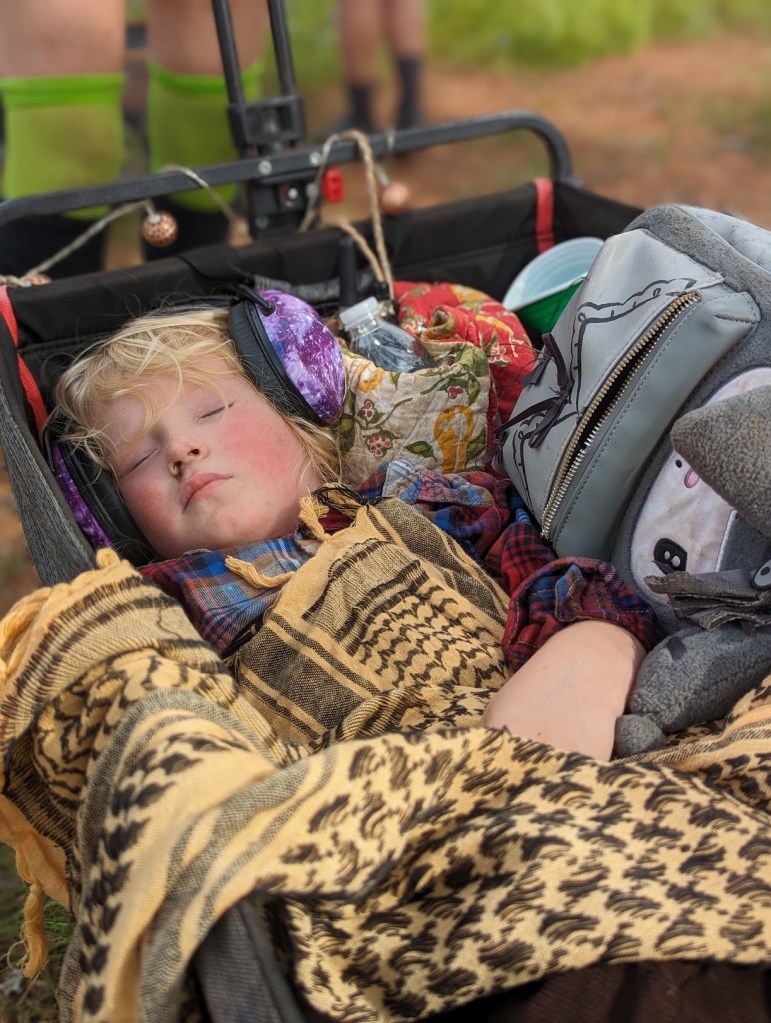
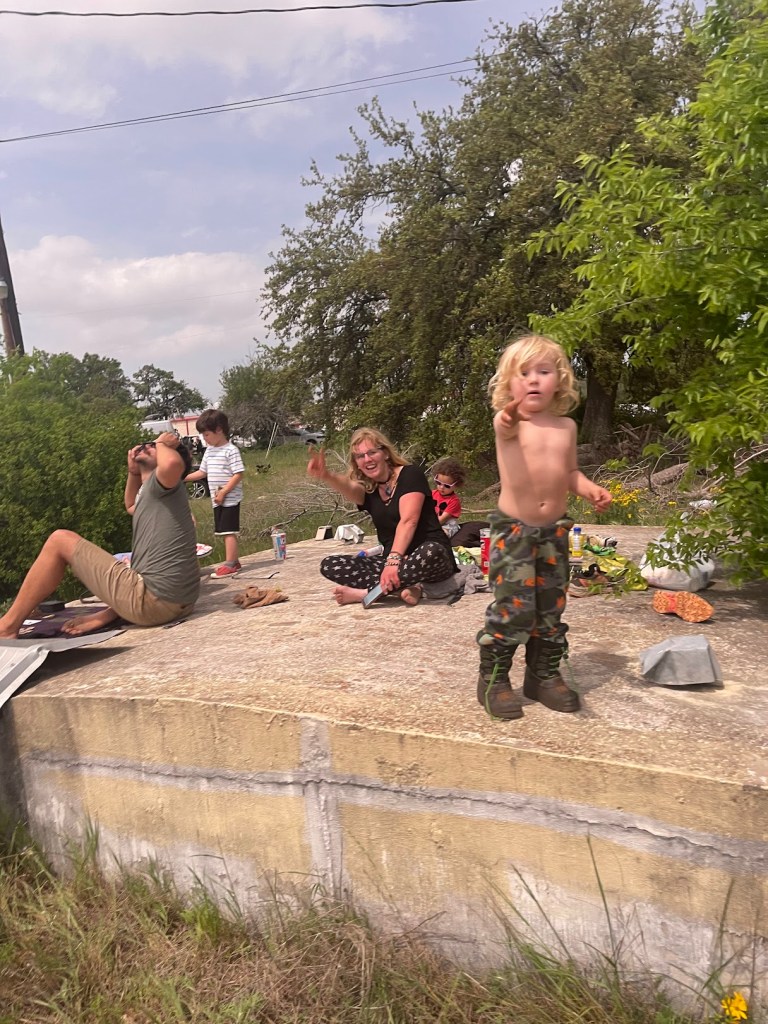


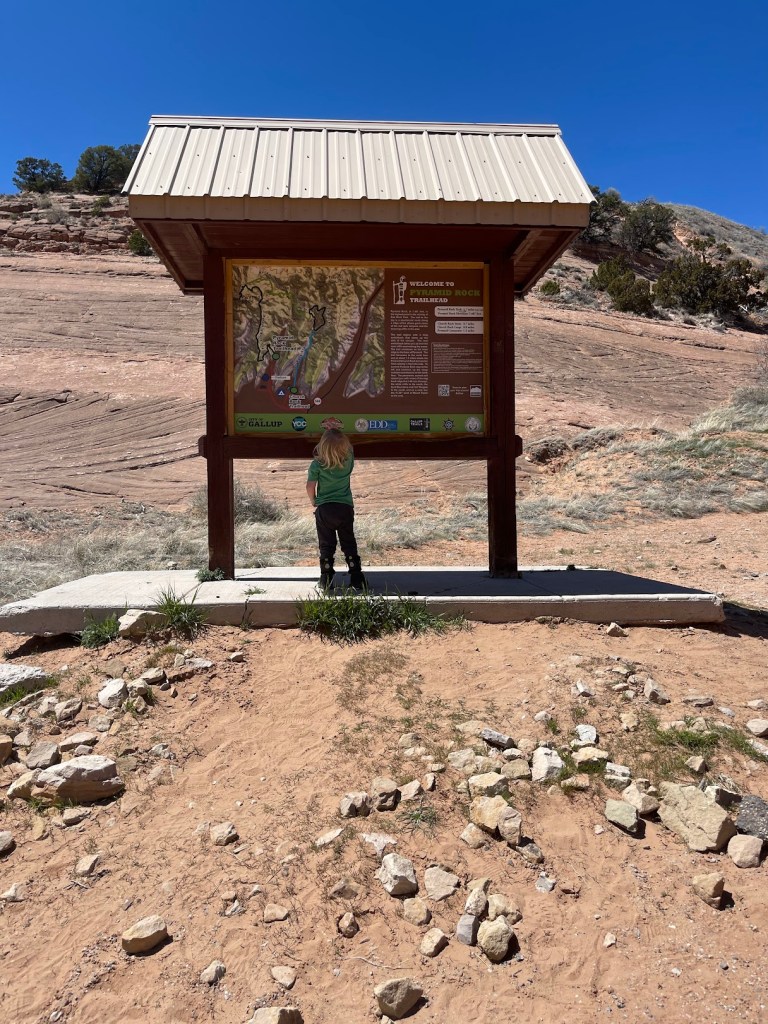


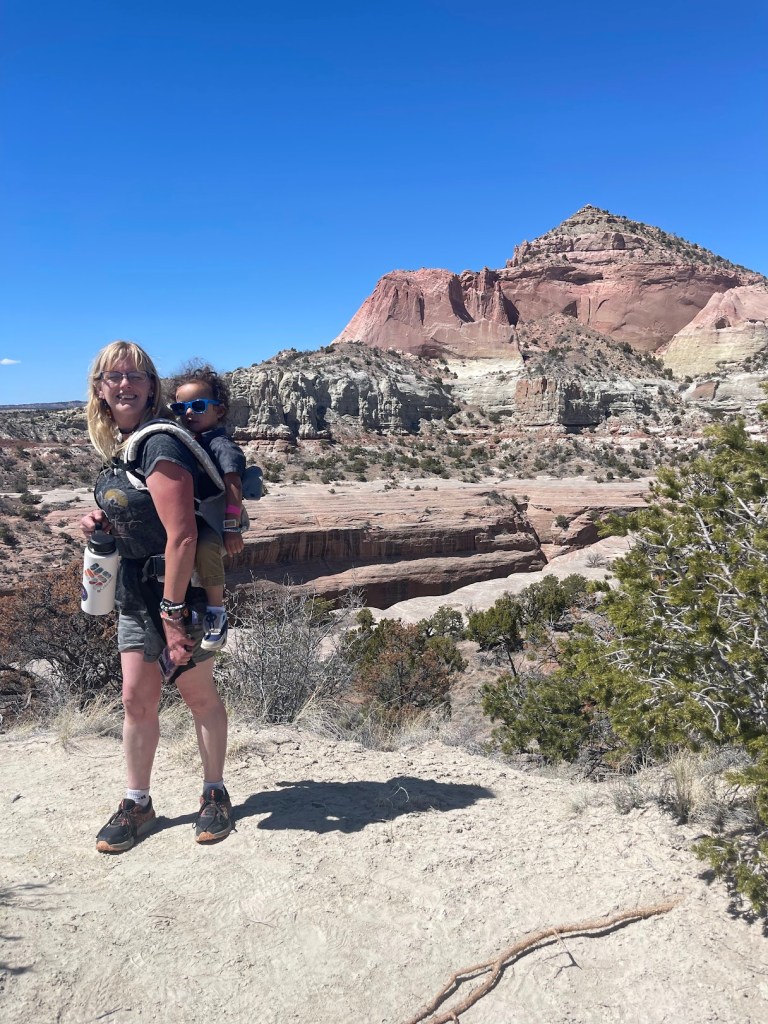


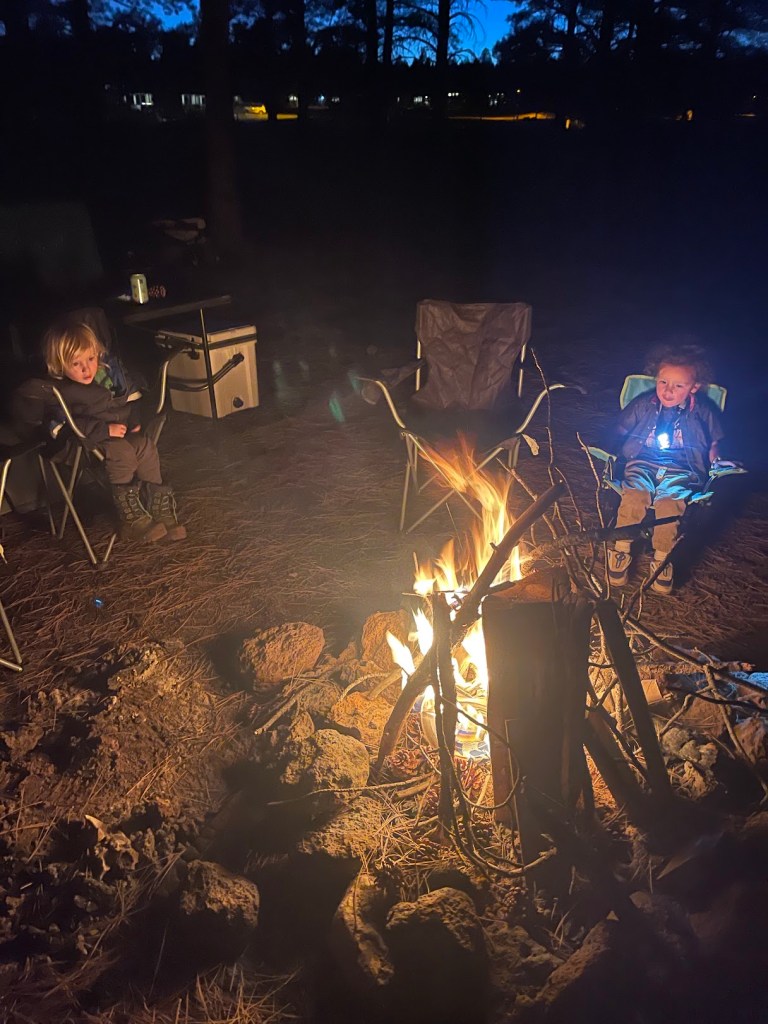

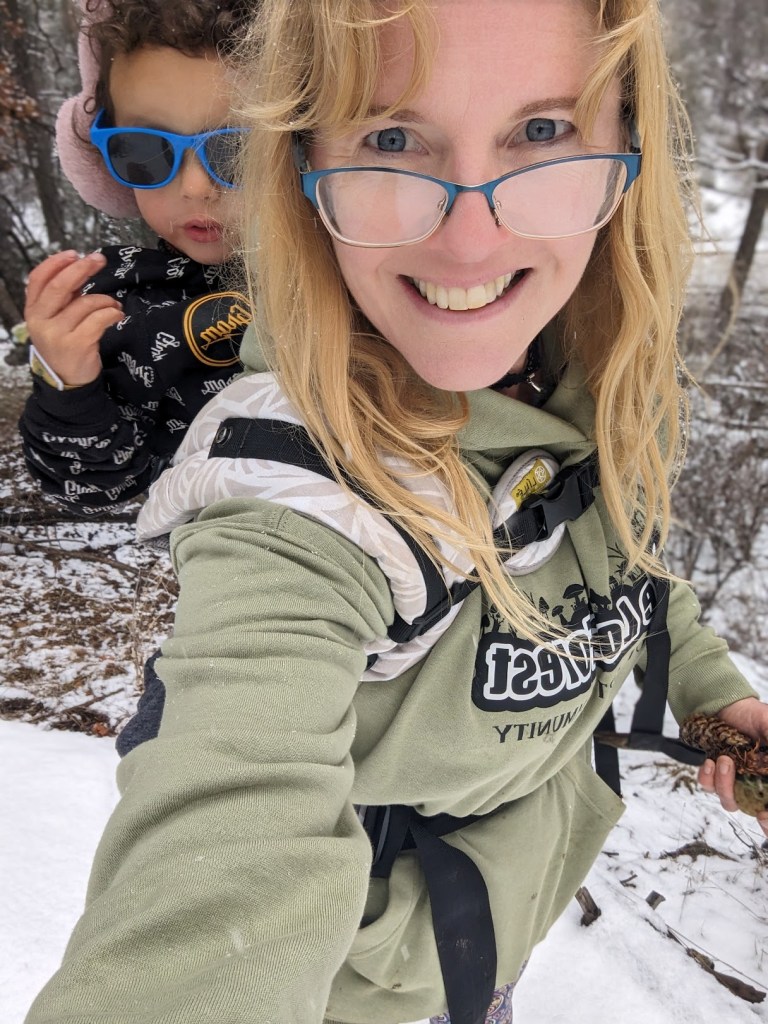

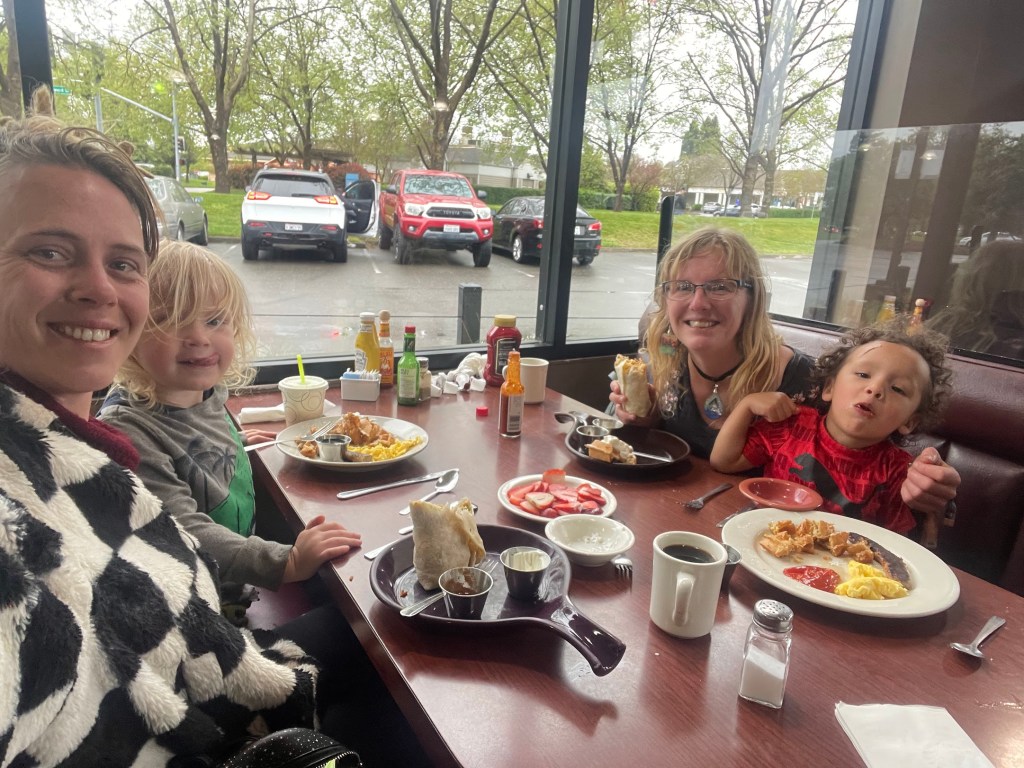


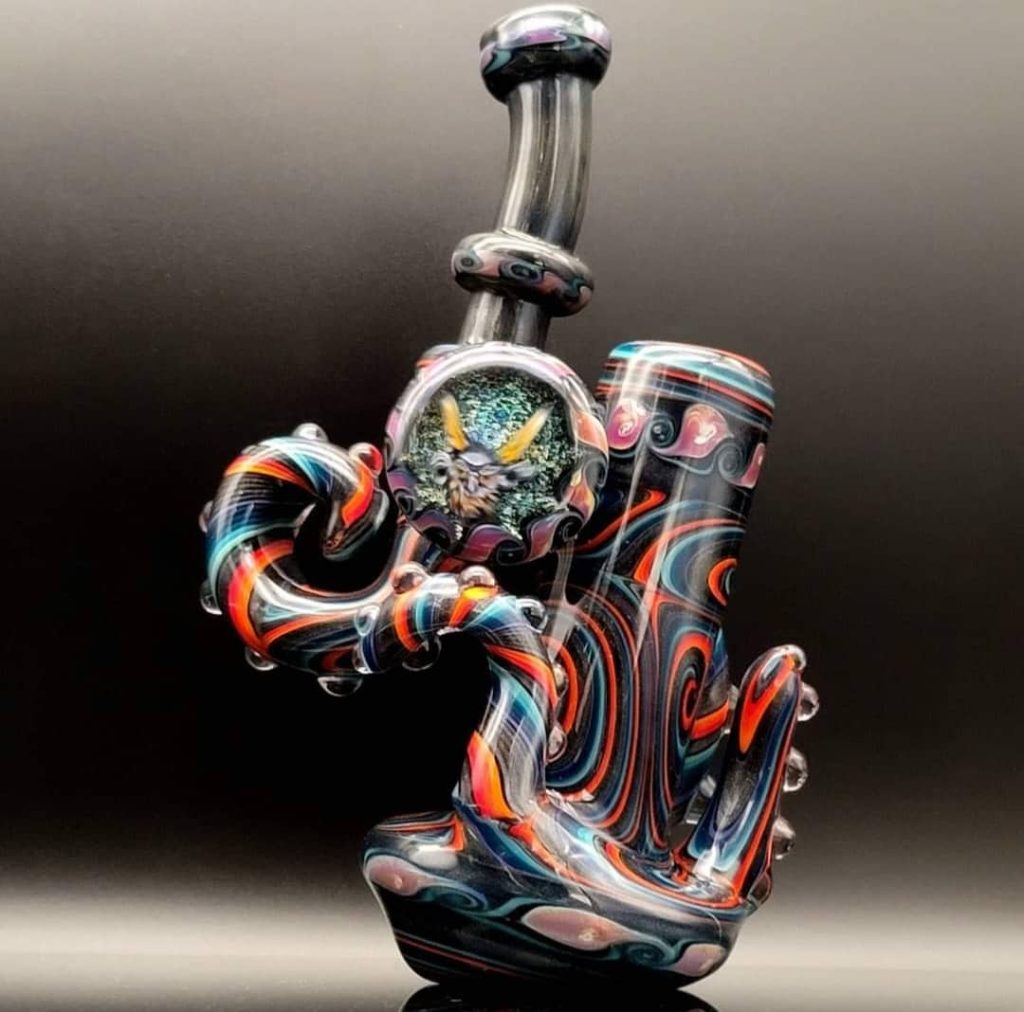


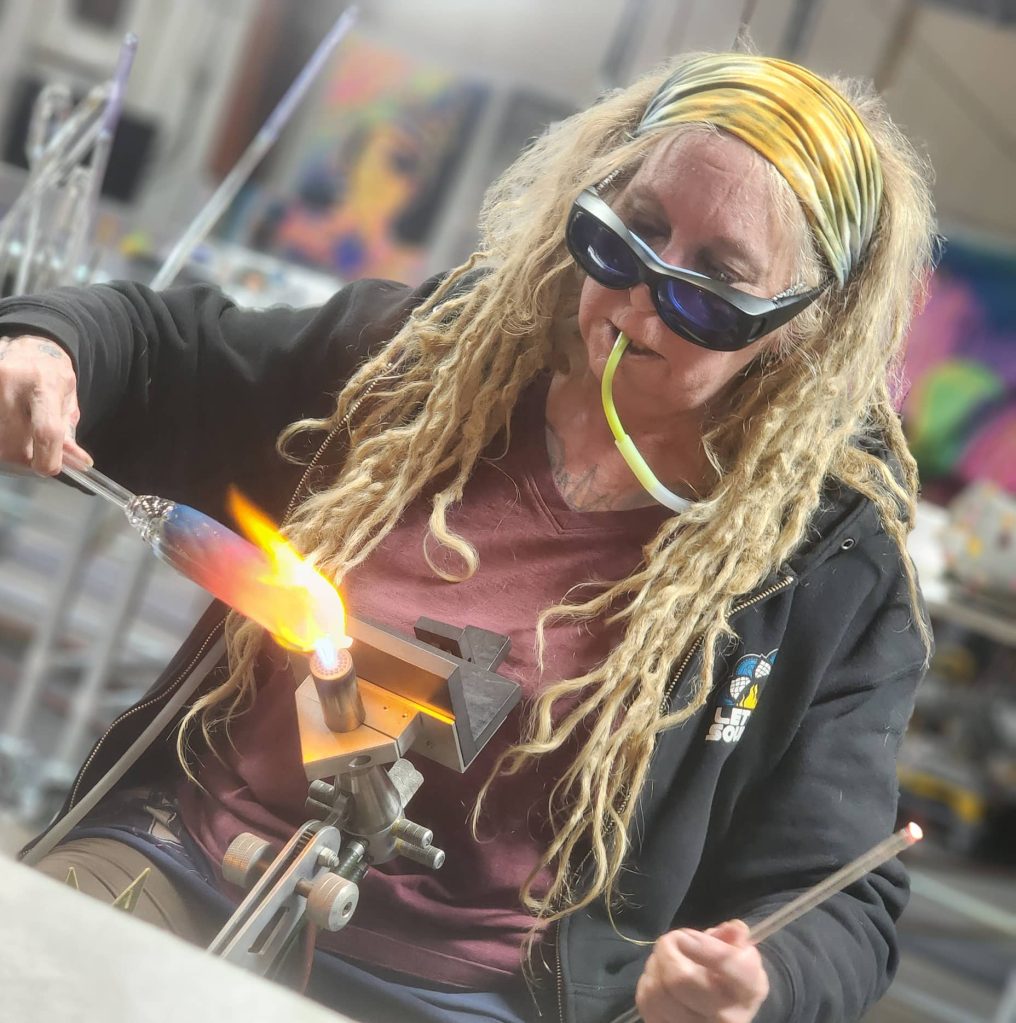

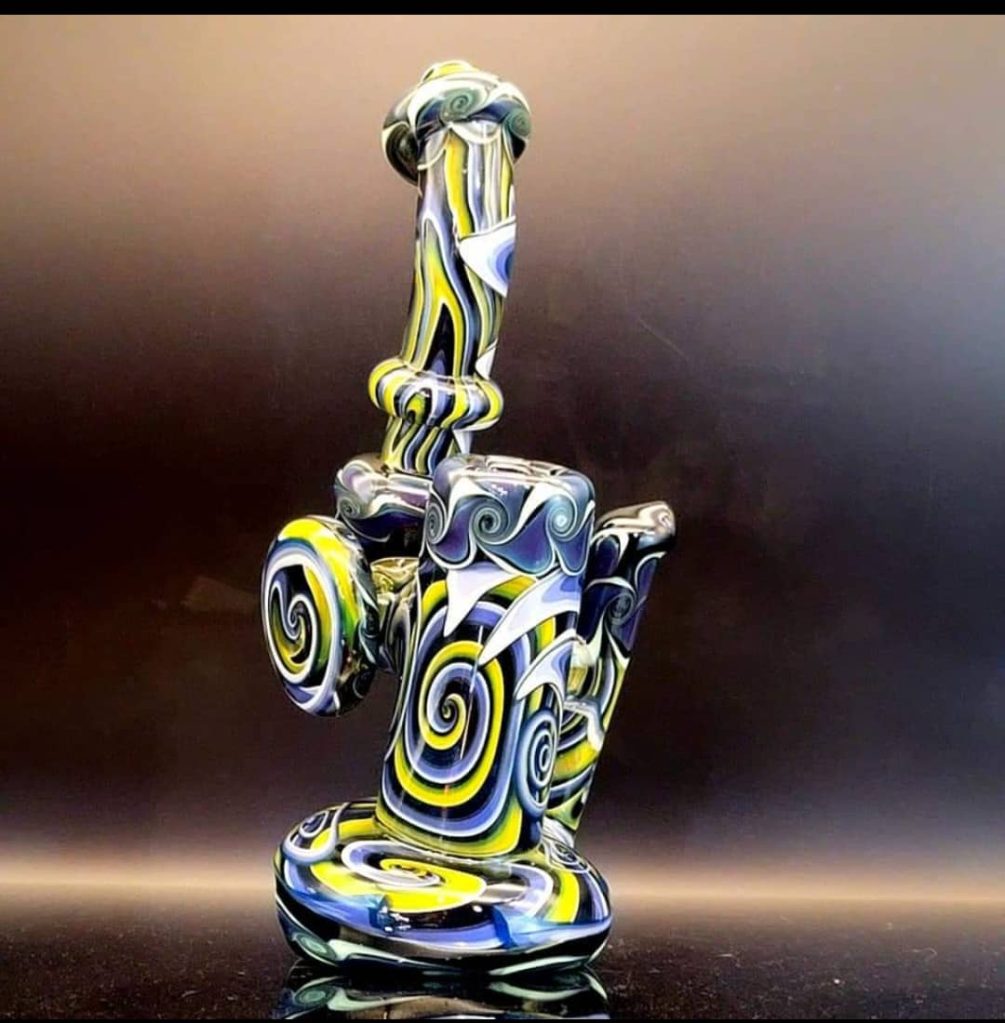





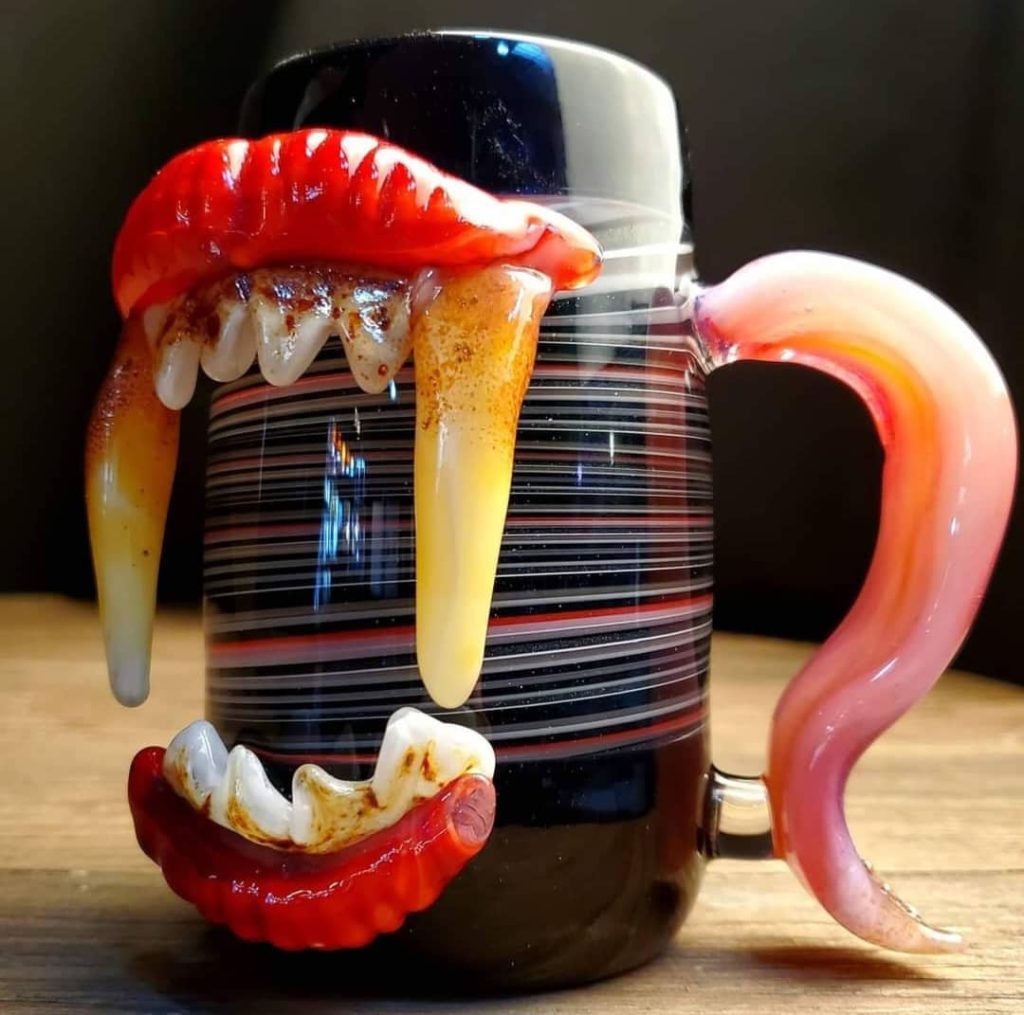



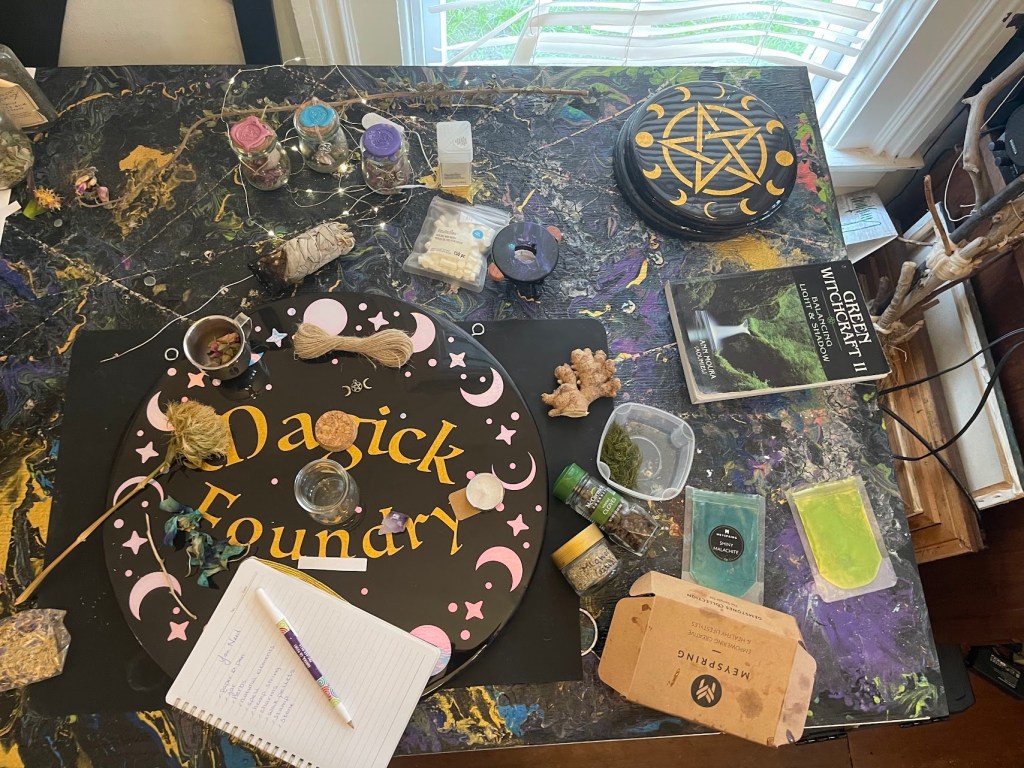
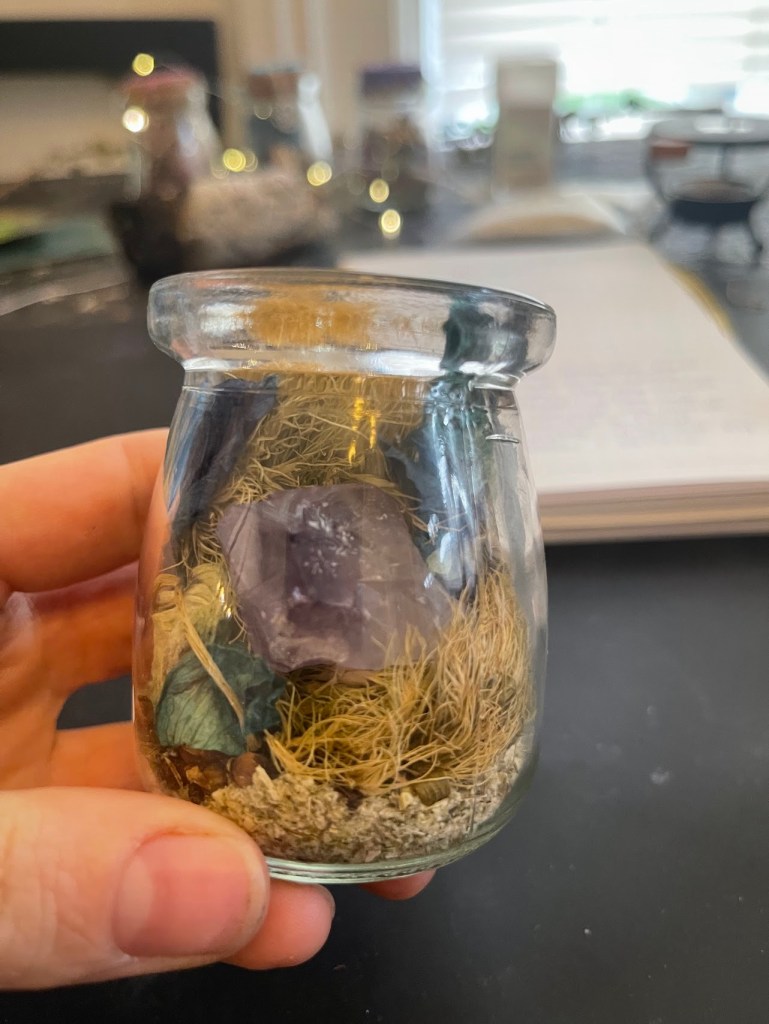
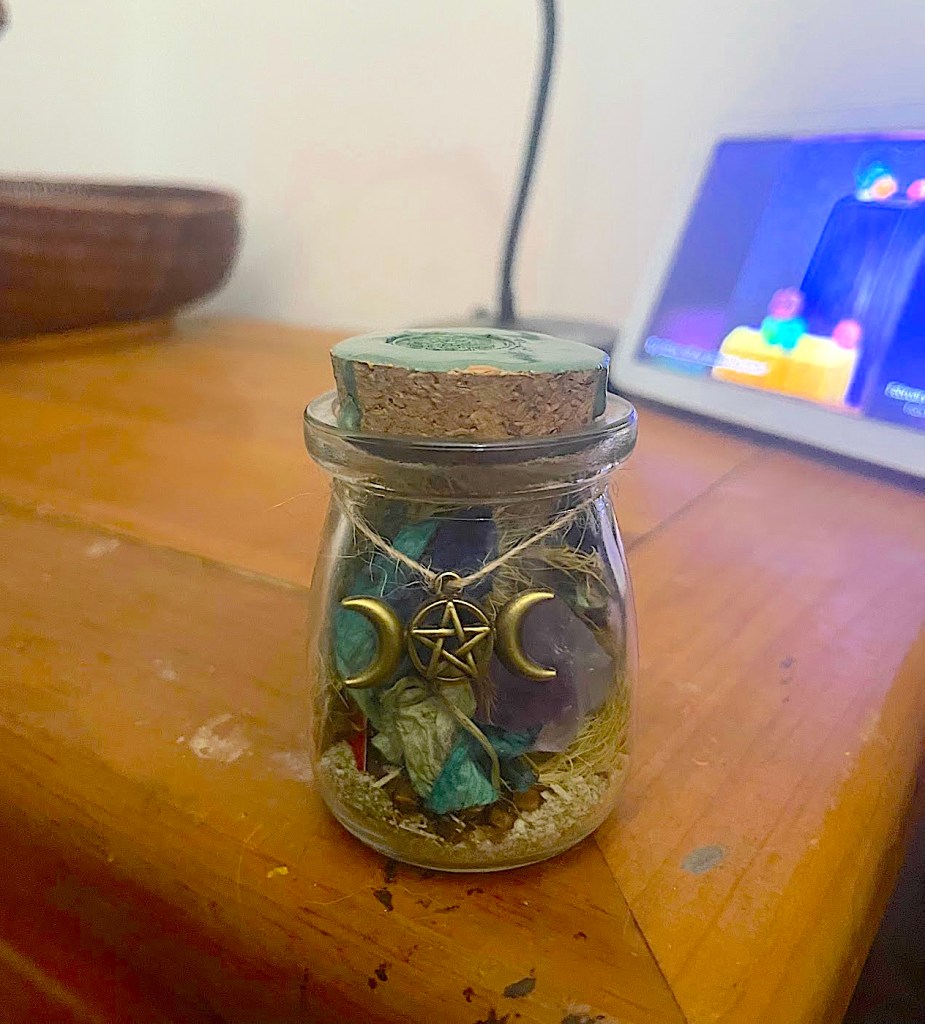


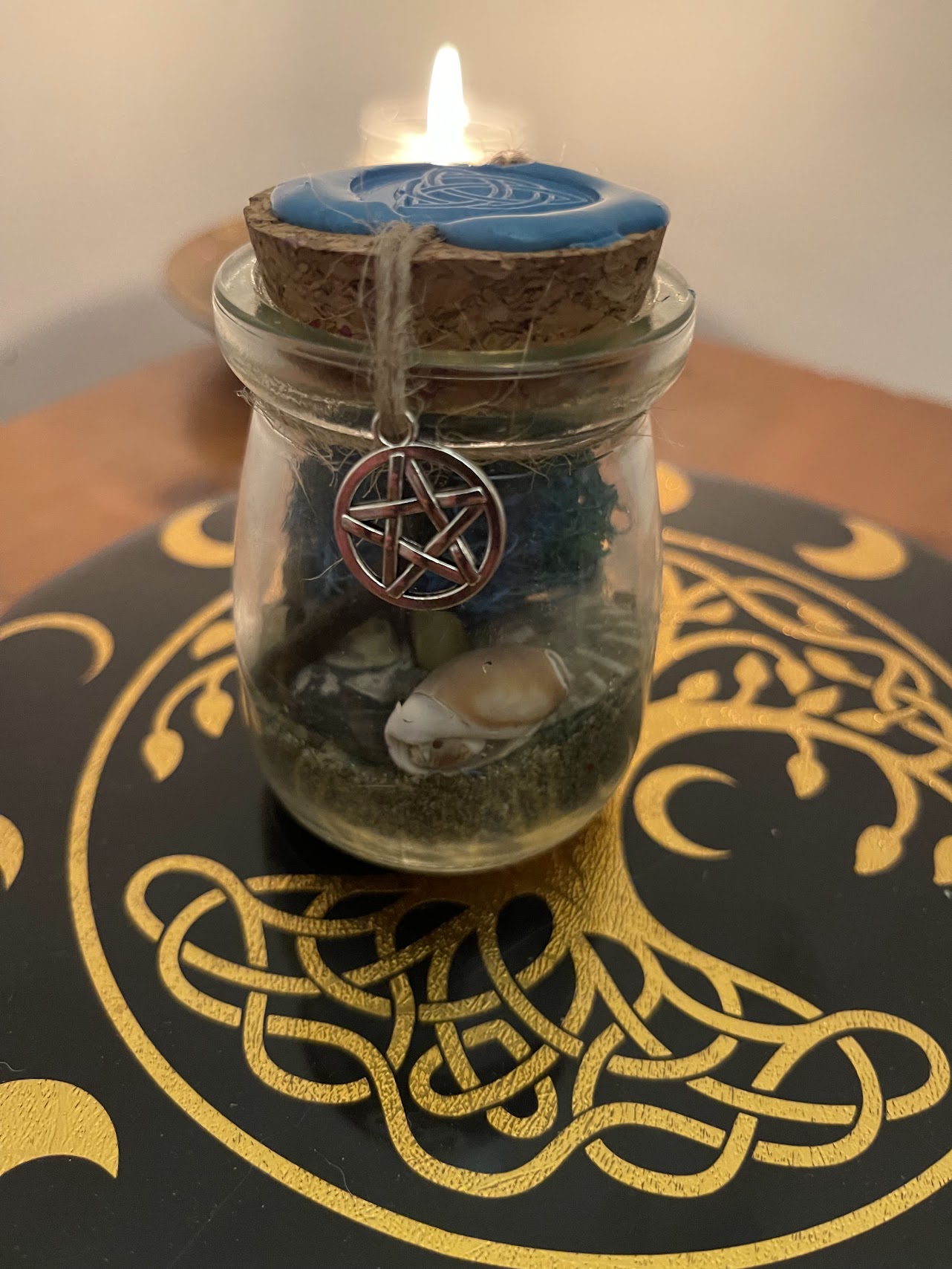

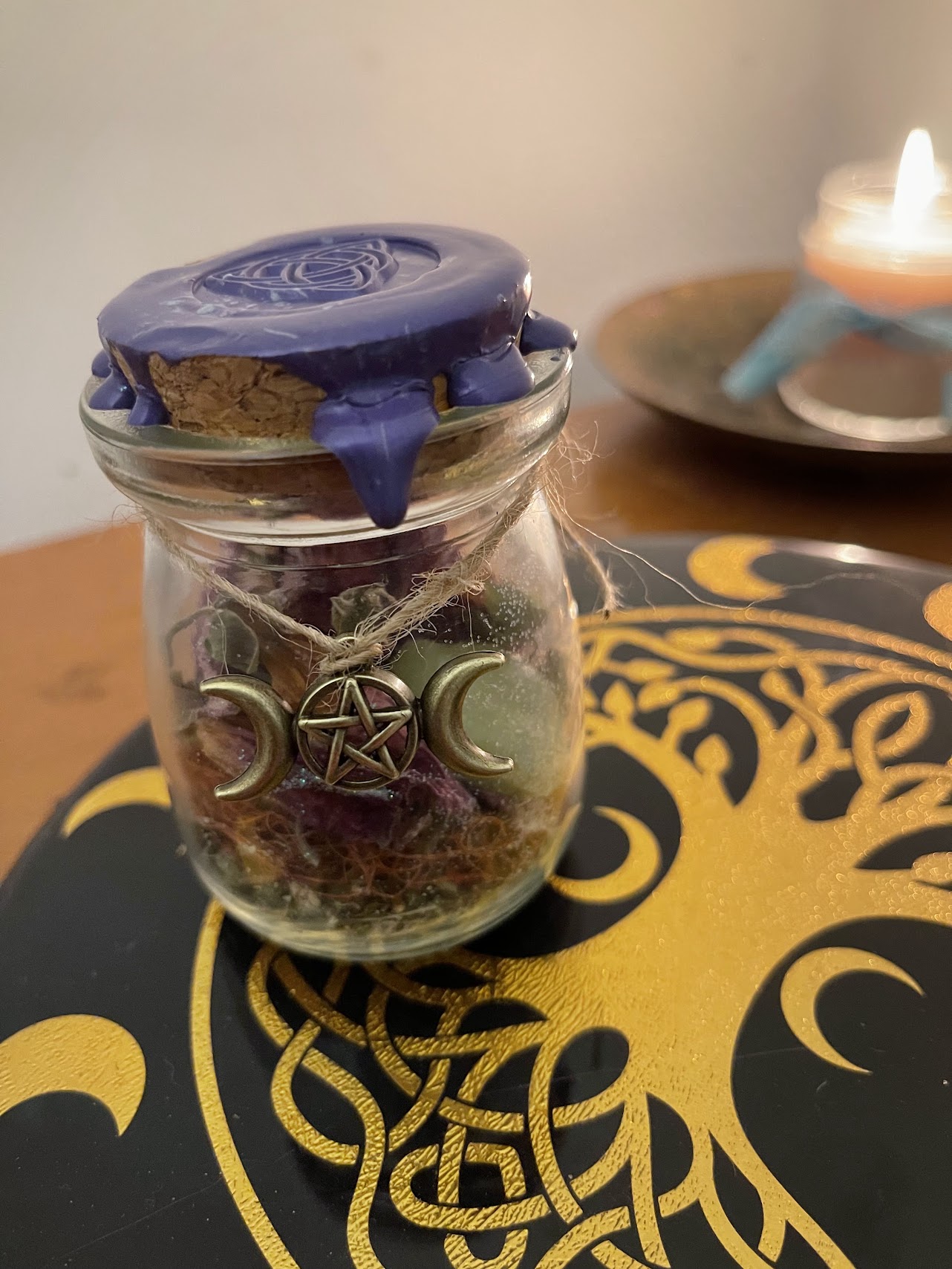


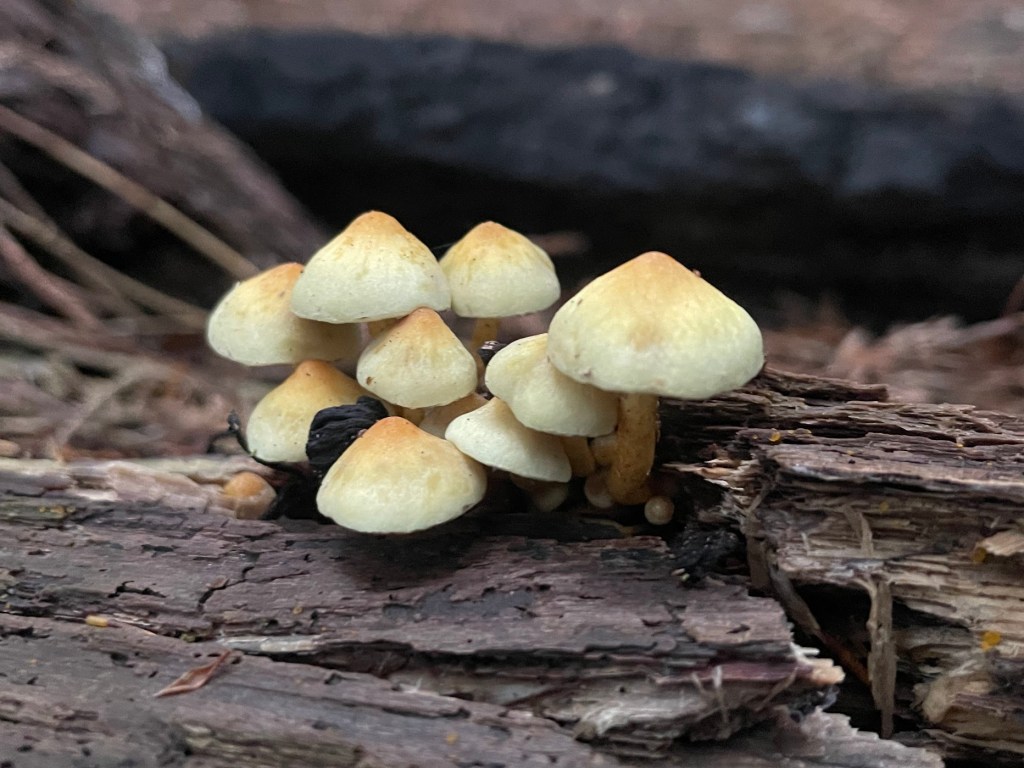

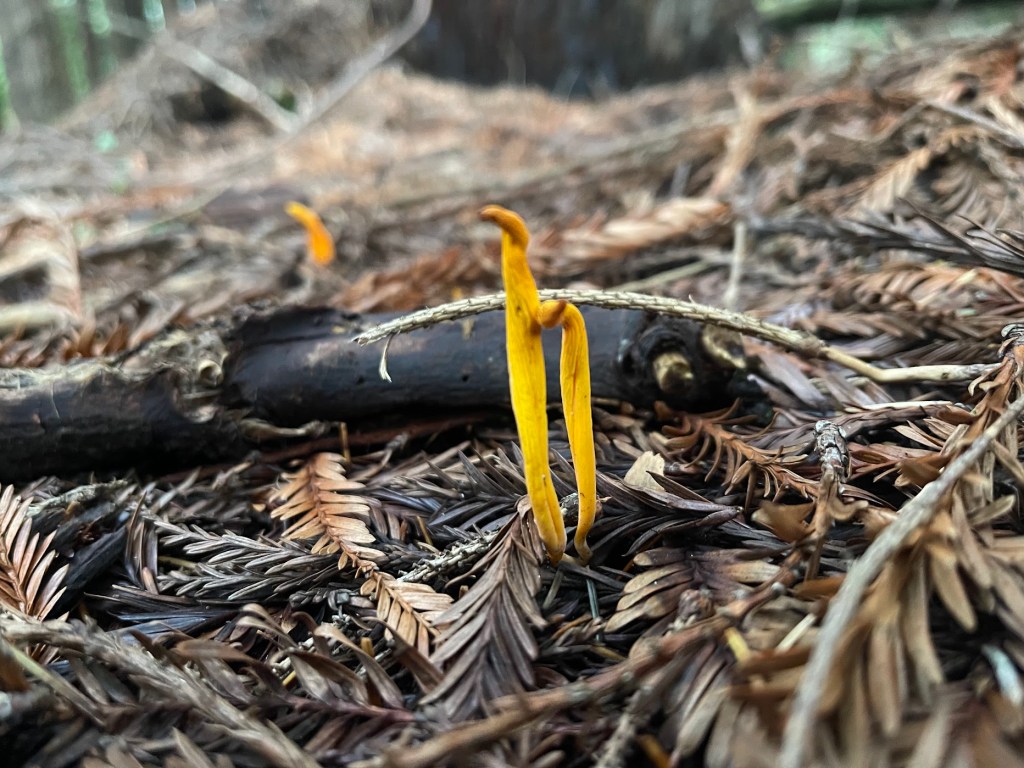


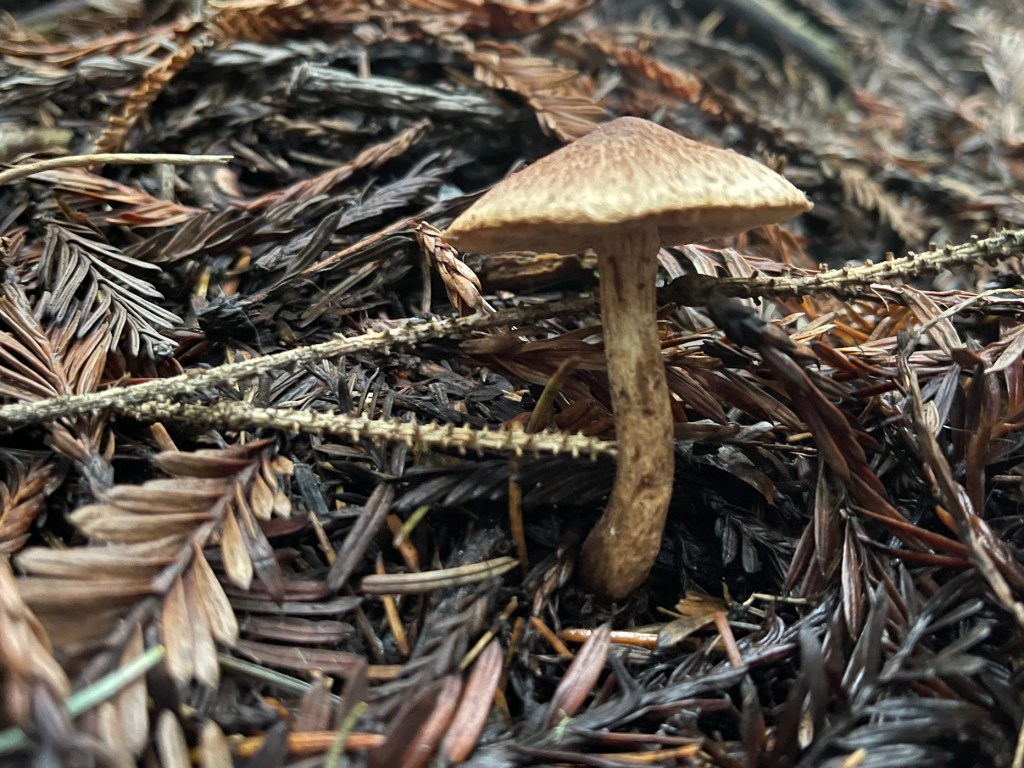
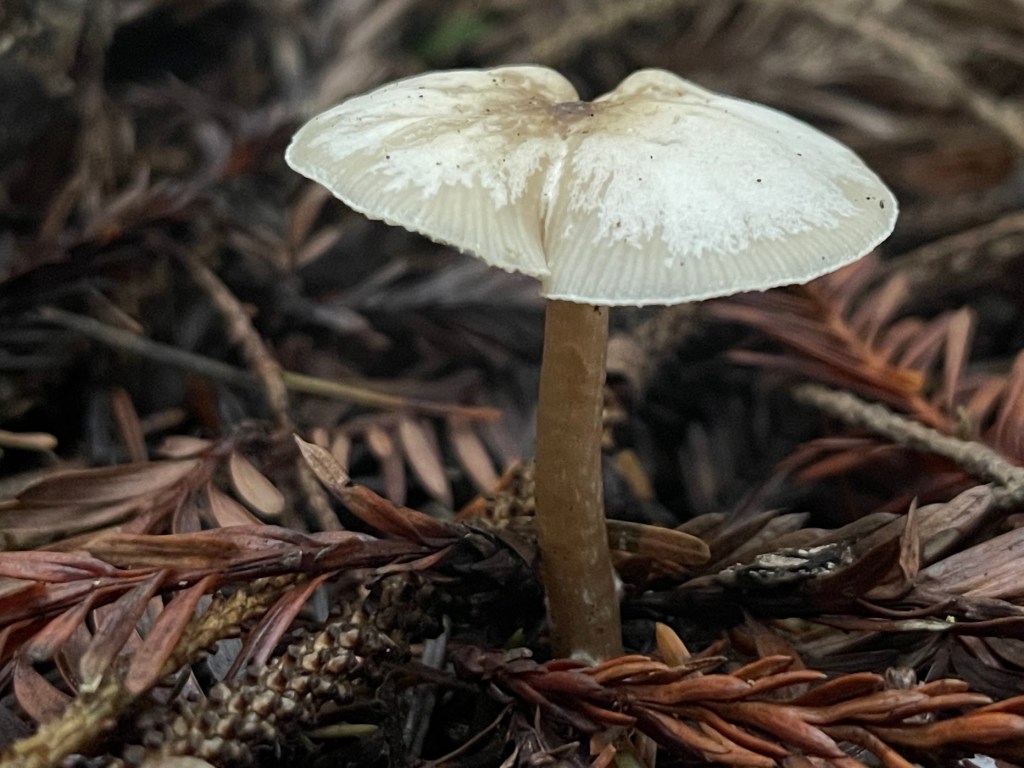


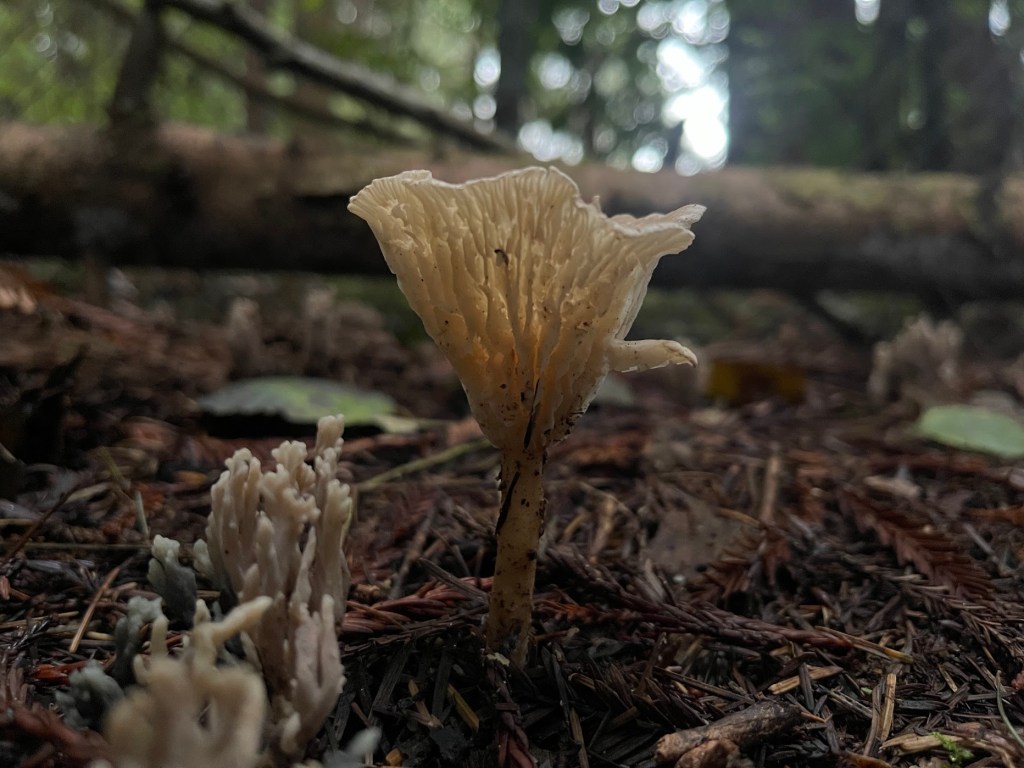



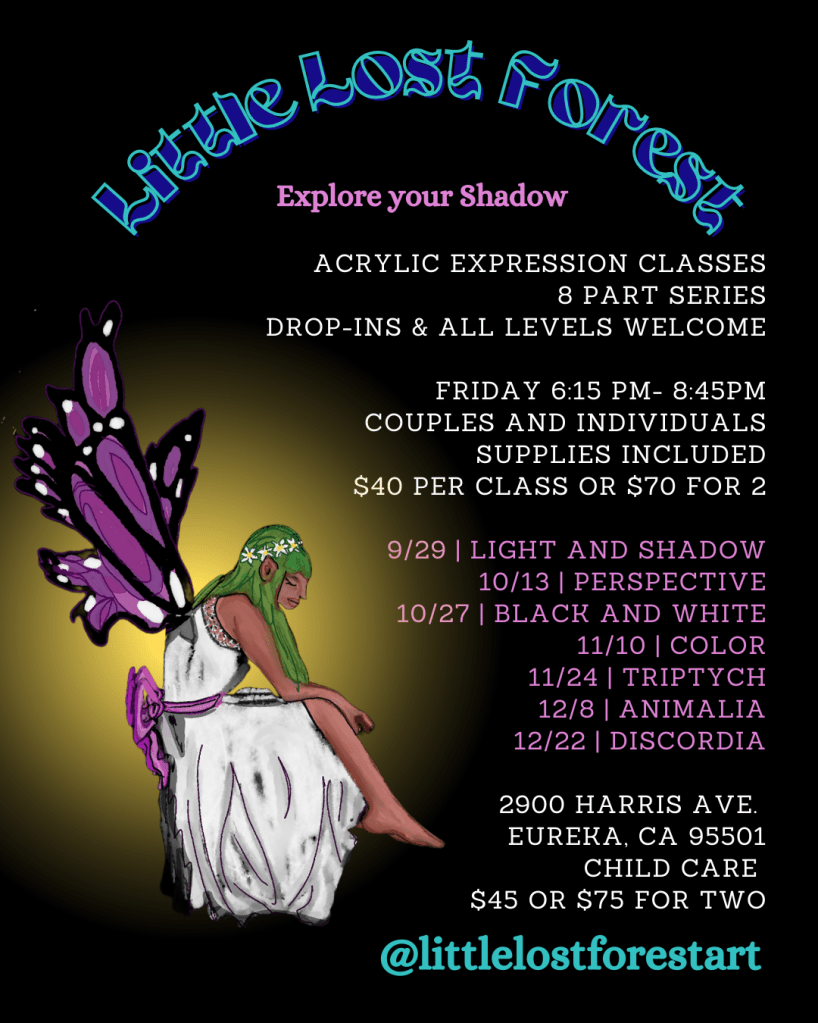




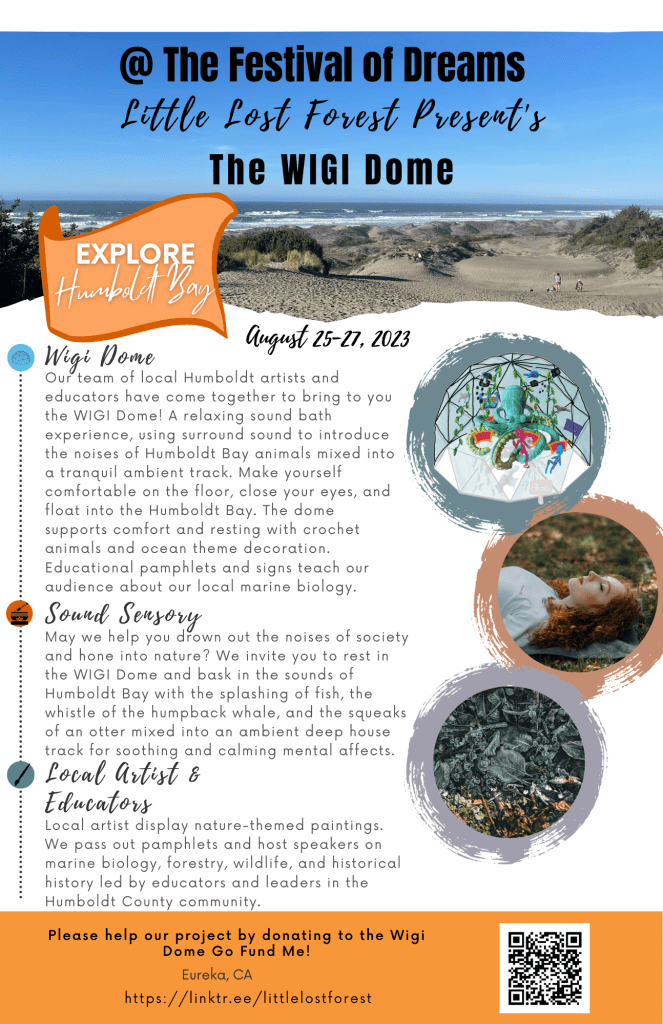
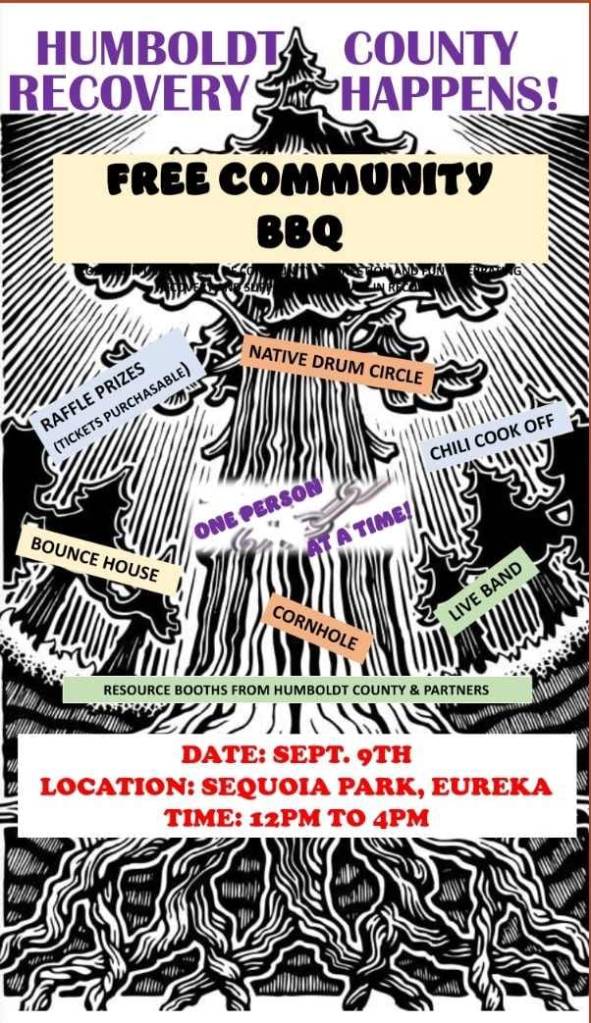
 Little Lost Forest