March 18th 2026- I met up with Andia in Arcata, CA at her studio for an Energy Healing. I had a wonderful experience. I’ll post my experience below along with my intentions! Here is Andia’s interview about her intuitive energy-healing practice, Teachings of the Earth.
Natascha: All right, thank you for tuning in to the little Lost Forest blog. Today I’m sitting here with Andrea in her studio in Arcata. I just had a healing session. This is my first session of this kind. Andia, how are you doing today?
Andia: I’m good. How are you?
Natascha: I’m great. Thank you so much for giving me this offering. What brought you to ask me to come here today?
Andia: Well, I know we talked a long time ago about doing an energy healing session, and I needed to get my window fixed because it was leaking. I’m just getting back into energy healing and wanting to lean into that more, build more clientele, and just practice more. You’re definitely one of the first people I thought of because you’re one of my good friends, and also because we had talked about that. I just wanted to circle back and share this with you.
Natascha: I had a really amazing experience, which I’ll share in the blog post after the interview. What is energy healing?
Andia: Energy healing is. It’s, I would explain it like we all have an energetic body. There is energy that exists, you know, like there’s a type of energy healing called Reiki or that there’s Qi and there’s different things that we call this energy. And it’s a healing frequency that we’re all connected to. Anyone could have the ability to channel it. It’s like setting the intention for this energy to facilitate healing and cleansing, stagnant energy, transmuting the energy into whatever we want to create, into whatever healing we’re calling in. And basically, I would say it’s when a person has received attunements to be able to channel energy healing, they are able to channel natural healing energy that exists through them. They’re just a channel, you know, they’re not exactly doing anything. They’re channeling it. But the energy is what’s coming through, and it’s a healing energy that knows where to go and just exists in this reality.
Natascha: Where is that energy source from?
Andia: I think it’s just the existence, like I personally believe in a spirit world. I believe we’re in the physical realm and that a spirit world exists simultaneously with us. And I believe that energy healing is coming from there.
Natascha: What keeps the positive energy and not the negative energy?
Andia: It’s all intention. It’s like every time you give energy healing, you set the space before. I always ground myself to the earth, cleanse my energy of what no longer serves me, what I don’t want to be sharing or transmuting, just letting that go. And then I always put a bubble of protection of energetic light around me. When I’m going into channel the energy healing for someone– First I talk with them, and check with them, what their intentions are, and what they want to get out of it. Then I can set intentions. And for me, I set, you know, positive, loving, healing intentions and use that energy in a good way, and then also go off what the person says about what their intentions are and calling that in as well.
Natascha: Super cool. What brought you to this kind of healing?
Andia: It was like 11 years ago. It was just a deep calling for me. It’s really interesting because I, I don’t know, it’s like that kind of feeling, like I kept going to festivals and transformational festivals and just finding different healers. And I kept connecting to different energy healers.
And it was this, really deep calling, like, I might as well not exist if I don’t become a healer.
It was just so strong. I need to do this, and also, just my family lineage on my mom’s side comes from healers, and my grandpa did energy work, like in his older years, and just different ancestors of mine on that side have. So I felt very deeply connected to it because, I mean, I was taught to meditate and do energy. I received energy healing and was taught to meditate when I was little. And so yeah, about 11 years ago, I don’t know what year that would be, 2015, I really felt called to that. And then someone gave me my first energy healing session. And I just remember I felt this blockage or this weird energy in my left shoulder while they were doing it. And at the end I was asking them what their experience was, without telling them what mine was.
Andia: And they were saying, um, yeah, you know, everything was really good, except there was this blockage in your left shoulder and I was just like, whoa, like, so mind blown because I felt that. And then at that time, I started leaning into learning how to receive energy, which brought me to Reiki initially. I got my first attunement from someone. And then I was trying to find someone to teach me my second attunement. And I met this woman, Victoria Luna, whom I wanted to get another attunement from. And she was like, ” Oh, actually, I meditated on it, and I wanted to take you from your first attunement all the way through your Reiki mastership. So she taught me everything that I know, but she did an interesting way because she taught me traditional Usui Reiki, but she also taught me to really lean into my intuition and just do it in a different way.
And now I no longer practice Reiki because for me, it’s a more intuitive practice— that’s deeply connected with the earth, that’s what I do now.
Natascha: If you don’t mind me asking, what is your lineage heritage?
Andia: Like my ethnicity.
Natascha: The culture that your family came from.
Andia: On my mom’s side, it’s, it’s interesting. They’re all from Mexico, but a lot of them came from Europe before that. Then they lived for hundreds and hundreds of years in Mexico. So they are blond-haired, blue-eyed Mexicans. So I have a lot of French, Italian, German and Polish. And then, I do have some indigenous Mexican in me, indigenous from Mexico. Then on my dad’s side, I’m Ashkenazi Jewish. So it’s 50% of my lineage. Yeah.
Natascha: It’s so interesting. I do not come from a lineage of healers. I come from a lineage of war vets and journalists. So that’s why I was just interested in where they draw their form of healing from culturally. That’s beautiful, thank you for sharing. Anything else that you want to share? Maybe, how could people find you if they’re interested in a session?
Natascha: I’ll tag that. And after a session, what can somebody expect to come out of it with?
Andia: I would say it depends on what your intentions are, but most of the time I find people are very much relaxed, and that a lot of processing is going to continue happening. So I always tell people, make sure you rest and drink a lot of water. But I think what you come out of it really depends on your intentions. Like, obviously, people are coming for healing. So I would say like that continues to unfold and things continue to deepen, but it just really for specifics, I think it depends where you put your energy into.
Natascha: Awesome. Well, thank you so much for your time.
Andia: Thank you.
Teachings of the Earth gave me a two-hour energy-healing session. It was my first time, and I received incredible benefits from it. I set clear intentions and spoke them aloud. While I was on the table, I could feel where the energy was being exchanged as she moved around my body. There was no doubt that energy is a quantifiable source and that the practitioner could channel it. Toward the middle of the session, I felt myself wanting to transcend, lifting inches beyond my physical realm. I had thoughts of my first love, of giving birth, and of my father’s influence on me. After the session, I felt relaxed and rejuvenated. We discussed my experience, and she shared that much of the healing energy had been focused on the womb. We also talked about how the energy process works. Afterwards, I rested and drank lots of water. Thank you so much for this experience, and I can’t wait to do it again!
My Intentions:
Make Room to become the author and writer I always dreamed of.
Secure a positive dynamic with my husband.
Be an uplifting and child-first mom
Not to offer unsolicited advice, but to hold boundaries and be mindful of community and world struggles.
Images shown for historical documentation purposes.
The story of Humboldt County’s cannabis economy is not a single narrative but a collection of lived experiences shaped by land, labor, community, survival, and change. For decades, small family farms, intergenerational growers, and informal networks built what many came to know as the backbone of Northern California’s underground economy. Legalization promised safety, stability, and opportunity, yet the transition also brought unexpected challenges: regulatory barriers, corporate expansion, displacement of small farmers, and shifting cultural meaning.
“The Green Rush” oral history series, hosted by Little Lost Forest, documents these personal histories so they are not lost to policy debates or economic statistics. Through conversations with growers, workers, and community members, this project explores how legalization transformed livelihoods, local identity, and the broader economic landscape of Humboldt County.
This interview offers one perspective from someone who grew up in a multigenerational cannabis family, witnessing both the era of small-farm prosperity and the dramatic restructuring that followed legalization. Their reflections highlight the resilience of Humboldt communities while also raising difficult questions about who benefits—and who is left behind—when an informal economy becomes regulated and industrialized.
As you read, consider this interview not only as a personal story, but as part of a larger collective archive documenting the rise, transformation, and ongoing evolution of the region’s cannabis culture.
Natascha: Hello. And thank you for participating in the Little Lost Forest interview focused on Humboldt County’s economic growth and decline surrounding the legalization of cannabis. My name is Natascha, and today I’m sitting with CannaClaus. CannaClaus, where are you calling from?
CannaClaus: Arcata, California.
Natascha: How are you doing today?
CannaClaus: I’m doing great, relaxing day.
Natascha: Sweet. How would you define the cannabis culture prior to legalization?
CannaClaus: Prior to legalization was the black market, and it was small families and small farms. There was my great-grandfather and grandfather grew hemp for World War II and Vietnam or something like that. Then there was a huge struggle and the 70s and 80s between northern and southern Humble and Mendocino and the Emerald triangle, there’s a lot of fights and a lot of back-alley deals, and a lot of people died and things happened. And then we got into the 80s and 90s, and it was more like what I was just explaining at the beginning. Small farms, small families. It became the grandmas and grandpas. And then pretty soon, the industry was legalized, and the big guys came in.
Natascha: What would you say your first job in the cannabis industry was?
CannaClaus: My first job. Let me see. I started making clones for my family farm when I was about 11.
Natascha: Wow, that’s super young. What was the economy like during that time?
CannaClaus: Oh, for Humboldt, it was booming. Fisheries were booming; the logging was booming. And then marijuana was our third big– How do you say just big profession out here, that Humboldt County. Everywhere. Everybody was killing it.
Natascha: How would you describe community relationships and even mutual support during these early years?
CannaClaus: Oh, during the early years, you had, it wasn’t black ops, but it was, God, I forget what they camped. They used to have camp that rolled around in black helicopters and went around with the police forces and tried to get everybody and catch everybody and get these families, even though they label us as drug dealers or bad people. But it was really just families trying to make a living and get a little extra on the side to have a nice vacation or something. It was really nice because the community understood that, like when the cops in camp would come to town, they would go meet somewhere, like in a big parking lot or a restaurant, and all the farmers and everybody everywhere would start getting the phone calls. Hey, they’re on this mountain on this side. They’re coming up these roads. And so we would all get ready for them. And it wasn’t get ready for them, like get your guns or nothing. It was get ready for them and lock your gates, lock down. Get, you know, kids out of there if there’s kids there and so forth, and get ready for these helicopters, because they used to come into our greenhouses and fly as close as they could to them to bust the top of the greenhouse off. So, if they can visualize and see inside there and see actual marijuana, even if you want or not. You had a farm in the greenhouse. They’re going to try it. If they blew that top off and see marijuana, they can come down and rope down into your property with their big AKs. They’re mean people. So.
Natascha: Why do you think people kept growing after that?
CannaClaus: I know that I kept growing after that just because the money was good. I had more time to spend with my family. We made good money. We were able to donate and share in the community. My family, along with many other families, always donated our extras to people that couldn’t spend the money for it or that needed it. We also
would set up fundraisers for the veterans, and it was called Weed for Veterans. And we would go around and make big meals and hand them out to the homeless in different places and the community. I mean, with all the money we’re getting in and all the taxes and everything. I mean, the city was doing really well and doing really good for itself and starting to clean itself up because we all know in the 80s and 90s around here that it was pretty trashed. And then the city started cleaning up.
Images shown for historical documentation purposes.
Natascha: What do you mean, literally trashed?
CannaClaus: Or pretty much. I mean, all the downtowns, all the parks. I mean, we just started getting new parks like this last ten years.
CannaClaus: The homeless rate went skyrocketed when I was a kid. It was just you went; you walked from the mall up to like the bay or whatever. The back parts over there, you’d always see like 2 or 3 little homeless camps. And now with the fentanyl and heroin and meth and all that stuff, those homeless camps have grown to hundreds, hundreds, and hundreds. The community lately has gotten them to where they’re compacted in certain areas. They move in and clean up after them and then move them back out. A lot of community members are finding ways to come together to help them and get them off the streets in different ways and stuff. The drugs made it so bad, and everybody always blames pot or pot’s a gateway drug or blah blah. No, that’s not true at all. I don’t believe it. I believe alcohol is more of a gateway drug than anything, but I think I got off topic there. Sorry about that.
Natascha: No. It’s good. I want to dig into this. Just one more question. Do you feel like the cannabis industry brought in a lot of traveling folks or homeless people?
CannaClaus: I definitely think it brought in a lot of traveling people, because every summer we call them trim-igrants, and they would come in usually around August, September, and you would just see them hanging out at Murphy’s or Safeways or Winco’s or, grow stores or different places like that, finding work because they can come here and get a visa, like a student visa or like a visiting visa and trim for three months from September to November, or mattering how big the farm was. And they would make anywhere from like 10 to 20 grand trimming because they can make around 200 to 300 a pound. And then it went down to last, or ten years ago; it went down to 100 a pound. And then five years ago, it went down to 60 a pound. And then the machine trimmers started coming out. Then they would just pay them, you know, 15 or 20 bucks an hour to run the machine trim, and then they would give them 40 bucks a pound to clean it up. And so, then those people are slowing down and not coming out here as much. I believe the homeless rate around here is due to these, I forget what it’s called, it’s not like asylum cities or whatever, but they we have buses that literally pick
up homeless people from different cities and places of the state and just drop them off here.
Natascha: Right. Would you say that trim-igrants were bringing money into the economy in Humboldt?
CannaClaus: No, no, they took it out.
Natascha: Okay.
CannaClaus: Because they would make their 15-20 grand and go back home to their families. And I know a lot of them that would make around 20 grand or whatever, and 20 American US dollars. They would go back home and go to school or learn a trade or do whatever, and just live the whole year off of that, and then come back and do it again.
Natascha: How big was your family farm?
CannaClaus: We had three farms, I think, at the most. My farm was an acre and a half. My two sisters, I have three sisters: two of them grew. The other one had a two-acre farm. And the oldest sister, she had a 40-acre farm.
Natascha: Did any of them stay in business?
CannaClaus: My sister [Heather] was the last one to go out of business. And this was this last year. They came out to the property. Our permits weren’t all aligned, and we were still going through paperwork and getting everything ready with the state, the city, the county, and da da da. And every loophole that they make you jump through and every paper they have, you triplicate and sign and bring back and take here and spend this. I mean, literally just trying to get legal or legalized was costing around 100 to $150,000. And these farmers are now, with outdoor farmers anyways, are now only making, 200 to 400 max on a pound. And when you put in your time, energy, food, water, hourly wage, you’re making like 20 bucks an hour. It’s just not worth it anymore. Everybody thinks marijuana is like it grows on trees, like money grows on trees, and that’s marijuana. That was when we were getting indoor for 3000. That’s when we were getting outdoor for 1500, you know. Now indoors 1000 and outdoors 200 to 400. And
depths are like 500 to 600 max. You know, you can’t make a living wage off of that anymore. You might as well just go get a regular job.
Natascha: What was the furthest license that you got on your farm?
CannaClaus: Mine was medical. I’ve always done medical. I never got permitted. I just always did my 99 plants. And I would donate half of my crop to different people that needed it. Every ounce I sold, every pound I sold; I would donate an ounce or donate a pound. And everything I got to people was people that had medical cannabis cards and actually needed it. I never was for the legalization of it, just for anybody over 18 to smoke marijuana. I don’t think it’s for everybody. I believe marijuana can really make a person way dumber and just do idiotic things and become slow and not learn trades or learn skills and just become a slug. But when it’s medically grown and it’s for medical reasons for people that actually need it. They use it in the right way. I believe it’s a miracle drug. And I love it. Love it to death.
Natascha: Well, that’s great that you were able to donate to people because that would help boost economic growth. Let’s say there’s somebody that is not working in their career path or maybe somebody struggling to pay rent. They could utilize the cannabis to also help them financially into a better financial situation. I would assume.
CannaClaus: That’s why we helped a lot of the vets because it’s, you know, it’s still a class one. All these years, every summer we get together, and we get all the farmers together and do a bit of weed for vets. They come around and we give them their dabs and their flowers and things and utensils to work with it and different meditations. And just like every booth has something different. If everything was free, everything was free. If you’re a vet, everything was free. So that was super cool. And I mean, if you can’t give back and you can’t get good karma in this life, then it’s not worth doing.
Natascha: Yeah. Super green work. Uh, how did you protect your farm?
CannaClaus: Back in the early days in the 90s and stuff. I mean, we protect it with our dogs and our guns. It’s not, you know, the ideal suit for having a family around it and stuff. But my dad was in his early days a very hardcore mountain man. And he felt like what came from the earth is what we’re allowed to. And then we can do what we need to do– what we want with it. And the actual human laws only follow the ones that do
right and do good. And the ones that don’t make any sense or that are about government, taking your money, or blah, blah, blah, don’t follow those ones. Stay true to your mountain, your mountain heart, and everything. And then once we got older and we didn’t have to have the guns anymore and, well, besides for bears and mountain lions and stuff, and the dogs became more of family pets, other than the protections of the farm, even though they still were out there for rattlesnakes, mountain lions, bears, different stuff like that. It got a lot more chill. And then in the 2010s, we started getting a lot of people coming from like Hurricane Katrina and different people coming up from Oakland and Richmond and stuff like that, and coming up and lobbying everybody.
CannaClaus: And so then we had to bring back out the protection and come back as a community and make phone calls. And then we had social media by that time to be able to share people’s pictures or videos or different stuff with these thieves coming through town, or fake money, or fake this, or fake cops or whatever it is. Then the legalization or recreation, I mean, it dropped the price tremendously. Nobody really cares about robbing you anymore because it’s not worth it. I just seen a post the other day. A cop pulled me over and got 60 lbs of marijuana, and they’re like, we’re keeping our Trinity County safe. And every single comment on there along with mine is, oh my God, you got 60lbs. Like, oh, it’s like six grand worth of money. And you just hurt a family that was struggling to make ends meet this year. And you guys think you’re keeping the community safe from these pot dwellers. You know, everybody’s just laughing at them. It’s just dumb. Like, get this meth and get this fentanyl off these streets. And that’s how I lost my little sister this year, a couple months ago was from fentanyl. I just wish the cops paid more attention to that and just still paying attention to pot, like, come on, dude, get out of here, guys.
Natascha: Yeah. I’m so sorry to hear that.
CannaClaus: Yeah. It sucks.
Natascha: How did you sell your product?
CannaClaus: Before I got medically licensed, I did black market or through family and friends. And, I mean, I started early. I used to roll joints in seventh and eighth grade, and I would sell them, uh, two for 5 or 1 for three. Okay. And then when I got to high school, we got our first house, a little tiny house my dad got. And we lived in trailers and
projects and stuff before that. We got our first house, and he needed help with paying the mortgage and different things. And so, I started selling bud and to friends and people in school. And then I got really entwined in the marijuana community because of my family name and everything. I started growing my sophomore year outdoors, and then I started growing indoors after I left high school and went to college. I started doing my indoor scene, and everything was still really going black market. Then I became medically legal when I was twenty-eight, I believe, which was 13 years ago. And then I because from 2020-28 I worked for an oil change place, and just went straight and narrow for a while, just to see the other side of life, and just not be around
CannaClaus: The price was dropping then, too, but not like it is now. And I just wanted to do something different. Um, then I went back at 28, and at 30, um, I had a medical delivery service in Eureka in Humboldt County. And then I started another one in New Jersey. And to get product out there for my medical patients, which, again, I was a straight medical, I had to drive it out there, and I had a friend or a partner that would drive it out there for me, but he ended up breaking down, in Sacramento. And so, I went and got a rental car and put it in the back and tried to make it myself and got pulled over in Ohio, about four hours away from where I was, and ended up doing almost two years in the Ohio prison system. So.
Natascha: Is there anything else you would like to add to that? Maybe, the way that they treat cannabis growers and the jail system or the way that the judge
CannaClaus: They acted like we were the biggest drug dealers. I actually had a lot of seniority or like, higher up, mentality in that prison because I only had 100lbs on me when I got caught. And 100lbs out here is like, like a medium to average guy out there, 100lbs they acted like I was some kind of mafia boss. They pulled me into a back room and tried to get me to, like, say some names, and we’ll let you go, or we’ll give you a lighter sentence. And I was like, what do you mean? I was like, I grew it. It’s my company. I packaged it, and I drove it. So, if you want a name, here’s the name CannaClaus, motherfucker. And then when I got to the police station, they had the news station out there, and they were laughing at me and pointing at me in the car. When I got to prison, the actual inmates treated me very well. Actually, a lot of inmates and a lot of society inside of prison is very respectable. You respect others, you respect your place, you respect your space, their space. And everybody has their hierarchy.
Then there’s the CEO, the correctional officers, which are just the biggest dicks I’ve ever met in life. That anybody or anywhere they have a seniority or like a senior complex, but like a bully, like they were either bullied in school, or they bullied people in school, and they get to do it again. They would make fun of me and call me a California fag.
CannaClaus: Why can’t- and I had another correctional officer ask me, well, why can’t you guys just make pills? Just make pills like all the other doctors do? And I was like, we do make pills. I was like, I got pulled over with pills. I was like, I had CBD pills, and I had THC pills, and I had a THC, CBD, hybrid pill. And I was like- and they were for specific patients. And everybody is different. Every patient is different. You can smoke, one patient can smoke flower all day, and just have a great life. Another patient smokes flower and has an allergic reaction. One patient like me, I- I cannot eat edibles. I can smoke dabs and marijuana all day. Be completely normal. Fine. You know, do everything I can in a normal day. But if I eat an edible, I am shaking, I am paranoid, I am sitting on the couch. I am trying to figure out how to get this to stop. So, everybody’s body is different. And I was trying to explain that to him. And then, you know, just says a bunch of messed-up racist and sexist things to me because I’m a California boy, I must be a surfer or stuff like that. You don’t even know what you’re talking about.
Natascha: Right.
CannaClaus: When I got pulled over, and they were making fun of me and talking to me about being a drug dealer, I was like, that’s funny, because in your state, marijuana is illegal, but you can fuck your dog. I was like, you guys, bestiality in Ohio right now is legal, and marijuana is illegal. And I go, so you guys are completely backwards over here, dude. And they would say a bunch of, you know, mean stuff to me, drugs, blah, blah, blah, blah. And I go, go fuck your German Shepherd motherfucker. We talked a lot of shit back and forth, and I didn’t get along with the correction officers, but the inmates treated me really nicely and respectfully. And a lot of movies, a lot of working out, and a lot of books. That’s about it on that one.
Natascha: Yeah. When you reflect on your upbringing, was the lifestyle desirable?
CannaClaus: When I was a kid, to make a long story short, my parents divorced when I was two, and the courts back then always gave the kids to the mother. My mother was a heroin addict for 28 years, and so we lived a really bad childhood for about 4 or 5 years. I ended up going to the hospital for malnutrition and passing away for a little bit, but they brought me back, and I was bedridden for a year.
Natascha: Oh.
CannaClaus: My sisters and my grandma raised me. And then my dad finally got us back from the court system, and then he raised us all the way until we were adults. And then my mom came back into the picture once we were- I’m the youngest. So, once I turned 18, she came back, and she cleaned up everything. She stopped drugs, she stopped drinking. She stopped smoking cigarettes. And she’s been the best grandma and just an amazing person. These last years. But after that childhood with the badness, and us going with my father, and my father being a pot grower. We spent a lot of time in the woods, fishing, hunting, hiking, cracking, and doing all that fun stuff these Humboldt kids do. It was very nice at that point, and I did love it a lot, but we were wary of out-of-towners coming in or people trying to rob the farm or bears, mountain lions, and snakes, and so forth. You know what you have to worry about out in the mountains. But other than that, it wasn’t. It was a good childhood.
Natascha: Was it worth it in your adult years, going to jail over cannabis?
CannaClaus: No, because my son was nine months old when I went. When I got back out, he was two years old , and I missed his first steps. I missed a lot of his first- a lot of things. [Voice strains] When I was in prison, I used to watch the sunset every night and know that my son was almost 2000 miles away, and there’s nothing I can do about it. Constantly looking at fences, barbed wire, razor wire, and guards with guns. Even though prisoners were respectful of each other, they were still, you know, people on drugs or gangs or stuff that, those fights or different kinds of crazy things that happened. I would definitely change it. And that’s what I did when I got back out. When I got out of prison, I just got a normal job and didn’t care if I made good money or not. And if we were poor or rich or not. As long as I had time with my son every day. There was never a chance of him being taken from me again. I’ll live that life over odds or money or anything. So that’s when I made that choice.
Natascha: Beautiful. What was the hope in legalization? Did you see hope in the community?
CannaClaus: I did. When we finally got medical, it was awesome. It was so cool. We could finally come out of the woodworks and out of the shadows, and we all did anyway, but we couldn’t do it in front of cops. And then it was like all of a sudden, like, we can actually be stoned and not worry or be paranoid of these cops coming in and robbing us, just stealing from us. And this still happens, especially with Camp and Officer *******. That guy robbed me quite a few times. And there were other crooked cops, but that was the one that messed with me. And a lot of people around here ended up passing away on 36. There was a landslide that ended up killing them last year, I believe. And I’m sorry for the family and everything, but that guy was a piece of crap, and he would rob a lot of us. Take our money, take our pot, and take our hash. No write-ups, no tickets, no nothing. See you later. You know. And I’m sorry. What was the question again on that one?
Natascha: We were talking about the hopes of legalization, that things would continue to thrive.
CannaClaus: When it became medically legal, it was awesome. And we were all super stoked. And then we thought the legalization of recreational, which I didn’t vote for, but the thought of everybody else in the talk around town and through our small knit groups and everything, was that we can finally be free of the police and free of the FBI and different places coming in and robbing us and taking us and taking our kids away from us, or taking our properties away from us or our, um, annual income for the year to feed us or pay our bills or whatever. And then what it did was when recreational became legal. These bigger companies came in, and they still shut down our smaller farms with all the processes, paperwork, and permits, and you gotta pay taxes on every single acre. You got to pay taxes on every single square foot. You’ve got to pay taxes on how many plants you grow, even though they don’t understand that plants, just like any other crop, you’re going to have pests, you’re going to have molds, you’re going to have bears, deer, all sorts of things that happen. And no matter what, you still got to pay the taxes on that square foot. And for that plant. And they made it impossible for us small guys to go through.
CannaClaus: So, they shut down about 90% of our small farms out here. And all the big guys came through, and they’re buying these big chunks of the mountain. And another big one, I forget what it’s called- it’s a greenhouse world, the greenhouse
something. And it was a bunch of old police officers that got together, and they were the ones that drove a bunch of us out, got together and bought a big parcels of these mountains, and now they’re doing all these legal grows that provide to all these little shops and everything everywhere. But most of it goes down to LA and San Francisco, and they just completely- we thought it was going to be a good thing, but most people didn’t. I didn’t, but most people did. They ended up biting us in the ass to where all these families and home grows and family-oriented and family this and grandma and grandpa and small farms, they’re pretty much all gone. You rarely see any of them out here anymore. And it’s just these big farmer grows now, and it’s just going to get worse. I think I’ve heard Philip Morris was coming in and buying some of the mountains up here.
Natascha: Where do you think these small farms went? Where did those families go? What happened to them?
CannaClaus: I knew about between 50 and 60 different families and farms here, and most of them went to Oregon to try their hand up there because it was cheaper land, still beautiful land. A lot more wet. So, you have a little bit of a different season up there due to mold and snow. A lot of them went up there with the last bit of money they had; some went to Washington. Same thing. Then others sold their farms at a high price or sold their stuff at a high price. But, you know, back in the day and got out of it real fast and started up little shops or things around the town, either a Mexican restaurant or a nail salon or a barber and they just started their own little businesses or food trucks. God, we have like 30 food trucks now. It’s ridiculous. They tried their hand at something different. What I did was I had my little indoor, my little greenhouse out in the backyard for my own little personal and my own family personal. But other than that, I went and got a job with a big lumber company. That’s one of our big things out here is lumber and fish. It used to be lumber fish, and pot, but now it’s just- now the fishing is dying too. Pacific seafood or whatever, shut down, and lumber is basically the only thing we have left out here. And it’s getting hard.
Natascha: Would you say there’s more or less crime now than before legalization?
CannaClaus: There was more crime prior, for pot and people coming up from Richmond and Oakland and stuff, and robbing us. But there’s more crime now due to fentanyl and hard drugs that are up here, eating all of our kids. Crime in all genres, there’s more crime now. But if you’re looking at crime for just marijuana, crime now for marijuana is down, and crime back then was up.
Natascha: How would you say legalization has affected labor, jobs, wages, and housing in this area?
CannaClaus: Housing went way up. Jobs, because I think when COVID hit and everything, we were all able to get jobs and go back to work and do stuff. When I was younger, I used to have to hit, you know, 20 different places with a resume and an application to get one job. And now there are 30 to 40 places hitting you up to get a job. So I think there’s plenty of more jobs out there. I don’t know if it’s just this younger generation doesn’t want to work, or they’re going to school and buying into crypto or whatever the hell they’re doing. They’re not having to work as much. And so there’s a lot more jobs, but I just believe it’s for different reasons than the legalization. Legalization and the pot market trimming jobs went down, trim-igrants coming in went down, Money coming into the county went down, because now all the people from the East Coast that used to come out here and buy our pot because we have the best pot growing in the triangle, and then bring it back out to the rest of the country. Now they have all these farms in these middle states, and it’s all this really fast-growing weed. It’s called autoflower. And they made a hybrid of a flower that can; it grows to a certain height, and then it just automatically flowers no matter what season it is, no matter how much sun it gets, how much light it gets; it grows to a certain height and then flowers. They have these massive- where it used to be cornfields- it’s just pot fields. It’s the pot that looks really nice and really pretty.
CannaClaus: But they spray them with pesticides. They have tons of chemicals in them. And now these East Coast people, they don’t care that the pot’s not Humboldt, grown. And it’s this beautiful, amazing pot. The more care, distance, time, money, and it still looks and smells good. I don’t give a fuck if it has chemicals or bad things in it for my clients, I don’t care. I’m here to make money. So, all these East Coast people used to bring us money, but that’s gone. All the trim-igrants coming in used to take our money, but they helped us thrive. They helped us trim our product. So it wasn’t horrible to let that money go. They were helpful. The trimming jobs for just your sisters and brothers or cousins and nephews or whatever, that’s gone. There’s no more trimming jobs. All the places that were doing really good and the farms were expanding. Once the location hit, boom, they hit us with all these taxes and these permits and these paperworks, and then they can legally know, because all these farms tried; they really tried, and they put up all these fences and made it so hard that we couldn’t. And then they knew where we were. So, we just put ourselves on the map, and they came in and started busting everybody that way. ‘Like, oh, we see that you tried and failed. So now I’m going to take your farm. Now we know where you’re at. Now we know where to get you.’ The realization medical was good, but recreational just destroyed the community.
Natascha: Did you witness economic stress, displacement, or loss within the community?
CannaClaus: Yeah. Yeah, a lot of people, like I said, a lot of people moved to Oregon and Washington. A lot of people left. They were fleeing where? Humboldt County and California, people usually fleeing to.
Natascha: Mhm.
CannaClaus: Nowadays, I see people fleeing from. Rents too high, mortgages too high, rates are too high, foods too high, gas too high, fires. There’s no more money in pot anymore. So, everybody’s just like there’s no reason to live here anymore. Why can’t I just go to Texas or go to these other states and buy a mansion for a hundred grand? When out here, a hundred grand gets you a one-bedroom shack. So, it ruined it.
Natascha: What do you think the long-term effects of cannabis legalization are going to be on Humboldt County?
CannaClaus: Oh, it’s just going to be sold at Walmart, Target, and everywhere else. You pick up alcohol and cigarettes behind the counter. You’re going to have your pre rolled swishers, your pre-rolled joints and, all these dispensaries around here, they’re
going to pretty soon they’re going to be gone. It’s going to be in the classification of it- goes from class one to class three. And they can start studying it inside of the colleges, and it becomes recreational legal around the country. Walmart and Amazon, and all that. It’s going to take over, and there’s going to be big farms and big farmers, but
it’s going to be from big pharma, like it’s going to be the one percenters that own it. Then we work it for them, and then they sell it through Walmart and Amazon for that stuff. It’s going to be delivered right to the house. Most of it’s going to be crap. I believe it’s going to be like wine; you got your $5 bottles of wine you can get at Costco or WinCo, but then you have your thousand-dollar bottles of wine that are amazing and tasteful and age and so forth. So, I believe there will still be small farmers, like real petite small farmers, like you would have at a farmer’s market. But other than that, there’s not going to be anything like we do right now. It’s all going to be gone.
Natascha: What hopes do you have for the future of Humboldt County?
CannaClaus: Well, if we can become sustainable in the logging community and keep doing what we’re doing, like Sierra Pacific and the other guys, North Fork and stuff that they’re doing. Every time they go and cut down a bunch of trees, they’re replanting and reforming and going forth. And so that’s been awesome. And now that we’ve got these dams out of the Klamath and so forth in different places. The fish is starting to come
back. So, I have hopes, hope the fishery markets come back, and then we can provide and supply our county off of that, and the logging, and we won’t have to worry about pot anymore. Everybody will have their small homebrews and stuff like that. But other than that, there is no money anymore. There’s no making a company out of it anymore. It’s going to be Amazon and Walmart and so forth that will have that corner of the market. Fishing and logging stay sustainable, and as a county, we can make it through that. But other than that, there’s nothing else we have up here. Maybe solar, maybe some kind of hydro from ocean waves, or something like that. But I don’t see anything else coming from up here.
Natascha: Can you describe the local cannabis culture today?
CannaClaus: It’s like where you used to go out to the plaza and give nugs to the homeless guys around there and stuff, and be really proud of it and be really happy that they get this really nice medical tasty, you know, strain. And now you go out there to give it to them, and they give you some back. And there’s so much of it everywhere. And everybody has it that it’s not a present anymore. It’s not special anymore. It used to be like you go and get a coffee ,and you give a nice tip. Now you have to give a bud to somebody, and they just say, nah I don’t need it or I don’t want it. It’s not special
anymore. Cannabis up here has changed to just basically taking your medicine at night. Everybody takes their gummies at night, or everybody smokes a joint on a road trip or something, you know? But it’s nothing. It’s not like it was. It’s not nostalgic anymore. And I don’t know, maybe it’s because I’m getting older, but that’s how I see it.
Natascha: No, I think that’s very true. I can think of instances when I was a trimmer, and I gave people a jar of weed, and they’d be so excited. You’re right, now everyone’s kind of got their own boutique stuff from the dispensaries that they’re paying $50 for an eighth or whatever.
CannaClaus: Yeah. It’s ridiculous. Mine’s always been organic, so it’s always just fucking tasty and beautiful and white ash and just the best of the best. But then, you know, if I’m out or can’t get any, then they go to dispensaries and get a, you know, an ounce of indoor for 60 bucks or 80 bucks, but it’s just crap, you know? Like, it’s pretty, but it’s old or stinks, or it’s chemical-bound or so forth.
CannaClaus: It’s crazy.
Natascha: My last question for you is: Can you detail how the cannabis farms prior to legalization helped the Humboldt community?
CannaClaus: To the legalization of recreational.
Natascha: Yes.
CannaClaus: How did they help the community?
Natascha: Yeah, the economy in Humboldt.
CannaClaus: Well, I mean, that’s how they brought in so much money because we’re still black market and medical. It went from 4000 to 3000 to 2000 a pound, but it was still 2,000lb, still good money. We were still bringing in a lot of money into this economy up there. The roads are getting fixed. The schools are getting fixed. More shops were opening up, where you have your pot farm and husband or your pot-farming family. You had a cousin, a nephew, a niece, a wife, or somebody who was starting a business in town. And so, there were a lot of businesses started off of the pot community and the
medical and black market. But once it became recreationally legal and you had to get these permits and licenses, everybody spent their money trying to do that, or trying to get away from it, or trying to hide from it, or trying to go with it. And it was pretty much a loss. There’s abandoned farms, there’s thieves that came through and stole the good and left those people that have molded, hundreds or thousands of pounds of mold-weed just sitting in a basement somewhere because it couldn’t sell. It’s optimal utilization. The economy definitely took a huge hit, and it happened right when COVID hit and all that stuff too. This whole community has been struggling so hard. I’m not for any of these presidents, liking neither Trump nor Biden. And yet they’re all crap. All rich white men that are pedophiles and pieces of shit. I’m not for any of them. I’m not a Democrat, a Republican, a leftist, or a rightist. I’m for doing what’s right, being part of the community, and living life to be as happy as you can before your last day comes. And with COVID, the politics, and the realization of this community, the prices of everything are going up. We are struggling so badly out there, it’s ridiculous.
Natascha: Yeah, I hear you on that. Well, thank you so much for sharing your story and your time. Your experiences are an important part of Humboldt County’s living history.
Images shown for historical documentation purposes.
The story shared here is one voice among many that together form the living history of Humboldt County’s cannabis era. Behind policy changes and market statistics are families, workers, and communities whose livelihoods, identities, and landscapes were shaped by the rise—and transformation—of this industry. Listening to these experiences reminds us that economic shifts are never abstract; they are deeply personal, carried in memories of land worked, risks taken, communities built, and futures reimagined.
Little Lost Forest continues to collect these stories to ensure that the cultural, social, and economic legacy of the Green Rush is preserved in the words of those who lived it. If you or someone you know would like to share your experience, we invite you to contribute—because the history of Humboldt County is still being written, and every story helps illuminate the full picture.
Photo Disclaimer: The photographs accompanying this article are presented for journalistic, historical, and educational documentation purposes only. They are intended to reflect the lived experiences, cultural history, and economic realities discussed within the oral-history project “The Green Rush: NorCal — The Rise and Fall of Humboldt County’s Cannabis Economy.”
Little Lost Forest does not promote illegal activity or the sale, distribution, or misuse of cannabis. All content is shared to preserve regional history, community narratives, and research-based storytelling. Viewers are encouraged to follow all local, state, and federal laws regarding cannabis in their area.
Participation in this project is voluntary, and identifying details may be altered or anonymized when requested to protect the privacy and safety of contributors.
I was invited to an Imbolc ceremony last weekend. Imbolc is the midpoint between the winter and the spring solstice. It is associated with the Celtic goddess Brigid. This is a time when we should come together to abolish darkness and share light. Cleansing our hearts of what doesn’t benefit us and considering which seeds we want to plant in the spring. When we move with intention, we can take this time to consider what we want to manifest in our lives before calling it in. This is a time to finish reflections on past lessons and appreciate the people who stick by us, who appreciate and love us.
This is a call on the four directions. Welcoming the elementals into the circle in a time of darkness, calling for resistance, change, and guidance.
Call of the Four Directions
We gather at the threshold of winter and spring, in the quiet moment where the soil stirs beneath frost. Imbolc hums softly now— a promise of the light to come and green growth
not yet visible, but undeniably there.
We call the Four Directions, The elements within us and outside the forces that remind us who we are To rise, again, and again, above fear, above silence, above tyranny of spirit.
It’s the elements that cause change but always foster internal growth.
May this circle be a place of remembering— our resilience, our community, and our sacred power.
Spirits of the East, Guardians of Air, we welcome you.
Breath of dawn and birdsong, you arrive like the first crack of light after a long, unyielding night. You are the wind that carries seeds across frozen fields, the idea that sparks before action, the thought that refuses to be caged.
We honor the Air, of new beginnings and sharpened intellect, of clear vision and truth spoken aloud. Teach us the resilience of the raven and the crow, wise messengers who adapt, remember, and endure.
Move through us like pollen on the breeze, stirring dormant dreams, lifting us above imposed limits, reminding us that thought itself is an act of freedom.
As the stars shift and the days grow longer, may we listen to the whispers of the cosmos— That change is already in motion.
Spirits of the East, be welcome.
Spirits of the South, Guardians of Fire, we welcome you.
Flame of hearth and heartbeat, You are the returning warmth beneath the snow, The spark Imbolc hides in candlelight and in Brigid’s forge.
You are passion reclaimed— not solitary flame, but shared warmth. The courage to stand is found shoulder to shoulder, the courage to act in voices raised together, the courage to transform in community, refusing to freeze.
We honor the fire of people gathering in the cold— kitchens, streets, homes, and hearts— tending one another when systems fail.
This is the fire burning across this land now, not given by the government, not extinguished by power, but carried by the people
Teach us the power of the stag and the phoenix, symbols of vitality, rebirth, and fierce presence. Burn away what was imposed upon us— fear, control, smallness— and temper us instead into something true.
Like the sun fusing elements in distant stars, remind us that creation is born of heat and pressure, And that transformation is sacred.
Spirits of the South, be welcome.
Spirits of the West, Guardians of Water, we welcome you.
Tide, rain, river, and tears You carry us into the deep— where memory is stored, and truth awaits, passed down by our ancestors.
Yet here we meet you with waters warming too quickly, The currents altered, The silence grows where songs once traveled for miles. You are the grief of the oceans and the endurance still pulsing beneath it.
We call now upon the ancestral waters, and upon the whales, keepers of ancient songs, migratory wisdom older than nations, voices that have taught this planet how to remember itself.
Their songs are thinning. Their paths are breaking. Extinction depleting.
Teach us how to listen again. Teach us how to grieve without turning away, to feel without drowning, to mourn without surrendering
May the wisdom of the whales move through us— slow, vast, and communal— reminding us that survival has always been collective, that life endures through relationships,
not domination.
We ask the waters to carry our vow: to resist forgetting, to fight erasure, To live once again with the Earth, bound with care—
and to offer that same care
to every human life entwined with our own.
Spirits of the West, Waters of Memory and Life, be welcome.
Spirits of the North, Guardians of Earth, we welcome you.
Stone, root, bone, and soil, You are the deep memory of the land, the quiet strength beneath winter’s stillness. You teach us that rest is not weakness,
and endurance is not loud,
but strengthened by return—
by lives folded back into the Earth,
becoming ground.
We honor the wisdom of the earth the patience of mountains, The resilience of evergreens and moss that thrive in shadow and cold.
Teach us the grounding of the bear and the tortoise, keepers of ancient knowing, Anchor us in our bodies, in our boundaries, in the unshakeable truth of who we are.
As planets turn and time stretches vast and slow, remind us that liberation is not always swift— but it is inevitable.
Spirits of the North, be welcome.
Air, Fire, Water, Earth— within us, around us, and beyond us. At Imbolc’s threshold, We rise from the winter
May we walk forward inspired, act with passion, trust our inner tides, and stand rooted in our power.
The circle is cast. The path is opening. We remember who we are.
Mean is a creative autobiography and true-crime narrative that follows Myriam Gurba from childhood to adulthood as she confronts rape, racism, cultural identity, and personal transformation. Haunted—literally and figuratively—by the ghost of Sophia, a raped and murdered woman, Myriam is compelled to visit the place where Sophia died. Through this haunting, she faces her own trauma and survivor’s guilt. Gurba’s voice is sharp, defiant, and self-aware, blending humor and horror in equal measure as she examines cruelty, injustice, and the survival mechanisms women develop to exist within them.
The title Mean becomes a lens through which Gurba explores power and pain. The book opens with Sophia’s death:
“Wrecking her makes him feel like she belongs to him” (2).
By beginning with this act of violence, Gurba forces readers to confront the brutality often silenced in stories of women—especially women of color. The murder of Sophia, a Spanish woman killed by a Hispanic man, mirrors Gurba’s own experience with sexual assault and raises questions of ownership, violence, and cultural complicity. Through this, Gurba links her trauma to a collective experience, a bridge between the living and the dead—between victimhood and survival.
When Gurba talks about being “mean,” she often invokes the cattiness of girlhood, but her real subject is cruelty in all its forms—social, racial, and systemic. The word “mean” becomes elastic, stretching from playground gossip to the most profound violations of humanity. She illustrates this concept through humor and absurdity, such as her discussion of the “Michael Jackson donut,” which sparks a debate about whether the pastry—half chocolate, half powdered sugar—is racist. Gurba observes:
“What I found most interesting was that everybody dominating this debate was white” (163).
Her point lands sharply: conversations about racism are often dominated by white voices, leaving people of color excluded from their own narratives. Gurba writes that the opinions of the two “mud people” in the room were never solicited—a darkly humorous yet devastating critique of white-centered discourse on race.
Another central motif in the book is the phrase “white girl,” which Gurba uses as both political and literary shorthand. It exposes the subtle hierarchies that shape American culture and classrooms:
“White girls from the English-only classes refused to socialize with girls from the bilingual classes” (19).
The term becomes layered—a symbol of privilege, separation, and the ways in which whiteness is normalized. Gurba’s repetition of “white girl” challenges readers to recognize how language itself can uphold systems of exclusion. She recalls moments of alienation and microaggression, from classmates to family acquaintances:
“‘What is this?’ in that supremely bitchy California-girl accent some white girls reserved for interrogating my mother’s hospitality” (19).
Through these moments, Gurba transforms “mean” from insult to insight—a way of naming the everyday cruelties that shape a person’s world.
As I read this novel, I found myself turning the question of “mean” inward. What does it mean to be “mean” as a woman, a survivor, a writer? Is meanness cruelty, or is it the courage to hold boundaries in a world that demands your silence? Gurba redefines the word as an act of reclamation: to be mean is to speak, to refuse apology, to survive.
In my own writing, I hope to evoke this same self-examination—to make readers question the norms we excuse, the systems we uphold, and the voices we choose to hear. Mean reminds me that storytelling is not just about empathy; it’s about confrontation. It’s about being brave enough to look directly at the discomfort—and to speak from it anyway.
A blend of satire and queer fiction, People Collide by Isle McElroy takes readers by surprise with its sharp humor and emotional depth. The novel follows Eli and Elizabeth, a married couple who seem perfect together on the surface—Eli is sweet, funny, and attentive, while Elizabeth is ambitious, successful, and confident. Yet beneath their charm lies mutual dissatisfaction. Eli resents Elizabeth’s constant criticism and sexual demands, while Elizabeth grows tired of his lack of ambition and emotional availability. When an unexplained event causes them to switch bodies, they are forced to confront the very parts of each other they have avoided—and, in doing so, the unspoken distance between them.
At its core, the novel explores recognition and empathy within relationships: the desperate need to be seen, understood, and appreciated. Both Eli and Elizabeth fail to listen to one another, and their transformation becomes a metaphor for what happens when communication collapses. The reader is reminded that true connection comes only when we are comfortable within ourselves—and capable of hearing others.
Eli, insecure and self-critical, longs to be noticed by Elizabeth, the woman he adores but feels overshadowed by. His self-sabotaging behavior manifests through an eating disorder—
“Eli would throw up after meals while she was always at her desk writing” (75)— and through infidelity, as if seeking pain in exchange for attention. Once trapped in Elizabeth’s body, Eli experiences an entirely new vulnerability. The physical form he once idealized now becomes a source of fear and insecurity. As the narrative deepens, McElroy cleverly shifts perspective, giving Eli’s internal voice more space than Elizabeth’s, symbolizing the emotional distance that defines their marriage.
From Eli’s point of view, readers gain an honest reflection of gendered experience and self-awareness:
“I always walked faster than everyone else like I didn’t care. It didn’t bother me until I was in her body” (112).
Now living as Elizabeth, Eli also encounters the world’s perception of himself:
“Is that what you think of him?” I asked. “That Eli was negligent?” (188).
Through this inversion, Eli gains insight into how others view his failures—a painful but transformative realization.
Elizabeth, in contrast, is ambitious and driven, yet emotionally distant. She perceives Eli as dependent and unmotivated. Her professional success and self-assuredness lead her to view Eli as an obstacle rather than a partner. After the body swap, however, Elizabeth experiences a new kind of freedom in living as Eli—a freedom that feels less confined by social expectations. Instead of nurturing Eli’s insecurities, she begins to relish autonomy and sexual exploration:
“This place is loaded with dicks,” she said. “There’s no better place to talk about dicks” (198).
McElroy uses humor and discomfort to illustrate gendered liberation and the ways in which societal conditioning shapes our desires.
Ultimately, the two remain trapped in a cycle of unmet needs—the woman seeking companionship, the man craving freedom. Even in their new bodies, their minds remain unchanged, unable to bridge the emotional gap between them. Eli reflects on this repeating pattern:
“There are things you won’t be able to plan for… You can plan for the towels and the flashlights and the recycling and the aunts, but at some point you’ll have to trust me, because all I can do is aspire to the version of you I find the most accurate, which is the version of you that I love, the kind and brilliant and generous person—someone who would, I truly believe, let her partner sleep through the night” (218).
This reflection captures the tragic irony of their relationship: love filtered through self-interest, intimacy blurred by projection.
By diving into dark psychology and relational imperfection, McElroy forces readers to confront the parts of love that society often avoids—jealousy, resentment, and incomplete listening. For me as a writer, this novel underscores the power of storytelling to reveal the truths we hide from ourselves. It reminds me to bring awareness to my own characters—to let them stumble, misunderstand, and grow. Through such honest portrayals, fiction becomes not just reflection, but revelation—of culture, of identity, and of the fragile art of being human.
Gore, Ariel. Rehearsals for Dying: Digressions on Love and Cancer. Feminist Press, 2025.
Rehearsal for Dying is a work of creative nonfiction written from Ariel Gore’s perspective about her wife Deena’s Stage Four breast cancer and the profound effect it has on their relationship. When Deena is diagnosed, the disease is already terminal. Despite their efforts to fulfill Deena’s bucket list, their days are consumed by doctor visits, conflicting medical information, and the slow, visible process of dying. Gore’s narrative captures the tension between love and loss—the desire to hold on to moments of life while facing the inevitability of death.
Deena chooses to forgo both chemotherapy and a double mastectomy, understanding that survival is no longer possible. In her own writing, she captures this painful acceptance:
“Then what’s the point?” (179)
The line appears in Deena’s musical, spoken by Ariel, blurring the boundary between art and lived experience. Despite their effort to remain hopeful, Ariel’s grief grows unbearable as she confronts the truth that there is no recovery, only the process of letting go.
Throughout the book, the doctors’ language becomes its own kind of character—a reflection of authority, hope, and denial. Their diction shapes Deena’s emotions and Ariel’s mistrust. When the doctors speak positively, Deena clings to optimism; when they are blunt, she collapses into despair. Gore reveals how language—especially medical language—can wound even when meant to heal.
Early in the narrative, Dr. Ego tells Deena that she can help her, adding,
“If I’m the one to walk you over there, they’ll wait for the devil” (80).
The line reads almost metaphorically—the doctor as the devil guiding Deena deeper into her personal hell, toward the PET scan that confirms her suffering.
Soon after, Dr. Ego lays out a strict plan:
“Ms. Chafetz, you will have six months of IV chemo, and you will have a double mastectomy” (84).
The phrasing is directive rather than compassionate; Deena is given no choice, only instructions.
Later, Dr. Mushroom, the pain specialist, delivers the most brutal truth:
“This disease is going to take your life” (184).
Deena instantly rejects his bluntness, calling him an “asshole.” When another physician, Dr. Vogue, offers hope, Deena’s spirit brightens:
“I think your cancer will get better once we start the Enheru” (231).
Through these encounters, Gore exposes the contradiction between false hope and harsh honesty. The doctors’ attempts to be factual or encouraging often fail to consider the emotional timing and vulnerability of their patient. Deena’s reactions are not weakness—they are a valid response to the way information is delivered. Compassionate communication, Gore implies, requires not just accuracy but empathy, patience, and space for grief.
In my own writing, I often find myself drawn to characters like Deena—those who hold onto hope in moments of uncertainty. Like Gore, I want to give voice to resistance, to compassion, and to the quiet defiance of those who face authority and mortality with courage. In my novel Discordia, my protagonist Eris reflects:
“There is more than just human disaster. There are the mountains, the children, ancient knowledge that has not yet been destroyed.”
This spirit of perseverance mirrors the emotional depth Gore achieves through her storytelling.
Deena dies at the end of Rehearsal for Dying, but she reads and approves the manuscript before her death. Her act of signing off on the book becomes a final, poignant gesture—a conscious acknowledgment of her diagnosis and a symbolic acceptance of her fate. In doing so, Deena transforms her death into an act of authorship—her ultimate rehearsal for dying.
On Dec 21, 2025, I sat down with Anya, and we discussed her new book Embracing the Sacred Flow. You can find it at this Amazon affiliate link. Before we begin with the interview, I’d like to share with you the dedication:
Dedication
This book is dedicated to anyone who has ever felt broken beyond repair, lost without a sense of direction, or silently suffering through the chaos. I see you. It is never too late to reclaim your sense of self, to heal, to transform, and to set yourself free. Spirit is here to guide your soul back home where it’s warm and cozy.
Let’s dive in:
Natascha: Hello, this is Natascha with the Little Lost Forest blog. Today we will be interviewing Anya with the season of Anya and her new book, Embracing the Sacred Flow. We were sitting at the Revolution Roasters with a cup of coffee, and my son Malakai. Anya and I are doing a cross-promotion. She interviewed Spellbound earlier this month and plans to share in the next few weeks I will link the podcast here once it’s available. Anya, how are you doing today?
Anya: I’m doing so well. Just enjoying this beautiful sunny San Diego weather in December. And happy to see you, girlfriend.
Natascha: Yeah, it’s really nice to see you, too. Years of friendship has brought us here to this point where we’re both working on our businesses and our brands, and we get to talk about the different art that we enjoy. And I just so appreciate doing this with you and being here with you today.
Anya: Likewise. Likewise.
Natascha: Can you tell me a little bit about The Season of Anya?
Anya: Yeah. So basically, Season of Anya is an online community, a culmination of healing modalities that are for those of us who are looking to transform ourselves, to transform our personal identities, to maybe transform our physical, mental, spiritual health and finding ourselves. Typically, it’s a journey for those of us who are interested in spirituality. My main healing modalities with The Season of Anya are yoga, magick, and witchcraft. Yoga is for grounding. Magick is for finding that love for life. And then witchcraft is the ritual. It is the practice that ties it all together. Yoga grounds me, witchcraft elevates me and magick is everything else in between. Because life is ultimately what you make it. And so many of us just really don’t understand how much power we have to change and transform. And I am bringing everyone together to give them their own tools and create a positive community filled with individuals who wish to change themselves and the world for the better.
Natascha: Yeah, that really makes me want to self-reflect and see how I could change my life for the more positive. What got you to start this healing journey?
Anya: What got me started? It all started, probably, I mean, well, I used to be 325lbs. That was not a result of just a girl who loved food, but a girl who was in a lot of pain, a lot of emotional pain. Didn’t know how to process her trauma, didn’t have the tools and resources to just feel normal. That resulted in my weight loss journey, which was my commitment to my physical health. Why physical health? Because the three of them are related; mind, body and Spirit. Right? They all interconnect, and with finding that discipline and with finding that balance within – Then yoga came into my life shortly after, and that taught me kind of how to embrace the physical practice of yoga and learning how to feel good in my body. Then shortly after that, my spiritual practice came into act, and that resulted in me learning how to live a spiritual life so I could transform, but also remain positive and free flowing and just feel better about the trajectory of my life. Because it’s been imperative for me to understand that it is me and only me who’s responsible for my trajectory, not the course that others have set for me my whole life. Same goes for those of you tuning into this today.
Natascha: Yeah, I also started with yoga before I got into my witch practices. So that resonates with me as well. Were there mentors early on that helped you when you were most in pain, or did you find yoga and your spiritual practice on your own?
Anya: Oh, absolutely. There are two groups of people that I find really keen that helped me on my journey. First of all, it was Mel and Kaleo from Rebel and Muse. My friend Kristan invited me to their yoga retreat back in 2018, and from there I realized…how messed up I was. If we’re being perfectly honest. Yoga retreats are so awesome and empowering because they remind you that you’re in a safe space to simply be yourself. That experience slowly started my self-awareness, self-reflection journey of, “oh boy, my normal, is not everybody else’s normal”. So, that kind of was an awakening for me. With that, especially with feeling comfortable in my body and just having kind of that mirror of reflection on me help set the stage for the inner work ahead. Then shortly after I met who would become a huge mentor of mine: Taren S with the House of Witchcraft. She opened the Witches Cottage out here in San Diego, and I got to dance around the bonfire with her and our coven out there for many moons. Through that, I learned spirituality, I learned accountability, I learned healing, I learned what it was to take care of myself and to empower myself, but also how important community is and how we are truly in it for one another.
Natascha: Yeah. On the subject of community, how has your spiritual and health journey changed the way that you hold your friendships and your romantic relationships?
Anya: Ooh. That’s a great question. I feel like it’s taken the people pleaser out of the scenario- for sure. I no longer wish to hold on to what’s not for me. And also with that, though, I do give all my friends the benefit of the doubt through open communication and through being vulnerable and being communicative. I mean, the ones who get it, get it. If I bring up an issue with a friend and be like, hey, what the heck? And they respond- that’s the kind of people I want in my life. I find that romantically, it’s been awful because I realize a lot of partners don’t want to do the work, and it’s hard, especially being at this point in my journey and single. Well, I need somebody who’s at least going to match where I’m at.
Natascha: Well, that’s really important for young folks and for women of all ages to hear. We so easily will go along with what partners want from us because we want to appease them, or we don’t want to be by ourselves. By holding your energy and by being an empowered woman, you’re holding boundaries that maybe some of us put down just to get along with others.
Anya: You know, for better or worse, I sometimes- I feel like I have nothing else to lose. I’ve had some pretty horrible life experiences and with that, you know, has come strength, especially my romantic relationships. And it’s like, ‘Hey, I’ve got nothing to lose,’ so why not walk in faith and see what happens and see if I can actually stop limiting myself and create the life I deserve.
Natascha: Before we get into your book, did you want to tell us any more about The Season of Anya? What kind of content you put out, or products or things that people can engage in?
Anya: Sure! So the Season of Anya is the main hub. I’m really passionate about my free monthly newsletter. So, to those of you tuning in to this, I highly recommend you check that out. That is the heart of my blog. Uh, I know that newsletters are so outdated, but that’s where I share my monthly tips, and not only just that, but also shine light about being in tune with the world around me. I have very cute little witchy stories, I share that are just true moments of surrendering to the flow, and I love sharing those stories, and they often bring a laugh out of my audience and give them opportunities to reflect and connect. So, definitely, definitely- check that out. Then I’m also working on YouTube and social medias and trying to figure out my flow and grind with that. But it all centers back to The Season of Anya community, where ultimately, I’d like to host witchcraft retreats. In fact, next year with my friends at House of Witchcraft, we are co-hosting a retreat in New Orleans in July because I want to give that experience of retreats to the rest of the community, so you too, can learn how to open up and feel safe and vulnerable in a protected environment, an empowering environment and find yourself again.
Natascha: Yeah, that sounds like a great community experience. Does your lineage come into play with your practice?
Anya: Ooh, Great question, actually. It has been for sure. So, I’m Italian, American, first generation, and with my lineage being Italian is so much there’s so much witchcraft actually associated with Italian culture. And it’s just so funny because it’s this interesting connection of witchcraft meets Catholicism. And that was actually understanding my Italian roots, even connecting through the Italian Goddess Aradia and other deities, but specifically, she has really just connected me to the essence of who I am as an Italian American witch. And it has been a really cool journey.
Natascha: All right. Thank you so much for sharing that with us. Here I am looking at Embracing the Sacred Flow. What inspired this book?
Anya: Well, you know, as somebody with really chronic anxiety and an addiction to over productivity and not learning how to just be present in my body, yoga has been a really crucial component for not only my healing journey, but also my life journey. This book kind of just goes over [that]. It’s going to be a multi-volume series. I wanted to give my audience something that’s really easy to read. I mean, honestly, you can read this in an hour or two, and it’s something reflective that gives you prompts for going inward and just kind of tips to get through your life. I talk about some breathing exercises in there. We talk about yoga philosophies, and I talk about learning how to be comfortable and being in tune with your body. Because especially if you are on the path of a witch, learning how to flow and just feel connected to yourself will always, always, always be your saving grace. It’s your anchor. It’s your life force. I’m really proud of it. I’m happy with this content. It’s a start of many, many books to come. I’m excited for you to check it out.
Natascha: If somebody follows the practices in this book, how often do you recommend that they do the yoga, do the breathing? What kind of schedule does this look like in your everyday life?
Anya: Well, yeah. Well, with everyday life, I try to make it very routine where it’s something that you can just tap into immediately. Yes, I do talk about creating an altar and the stretches and the flows, but really, I mean, it’s almost about like micro meditations because we don’t always have time for the big stuff, right? It’s learning on how to feel comfortable and not overwhelmed in any moment. As somebody who had been overwhelmed with literally everything my whole life, this is a new me, you know? But learning how to get rid of that overwhelm and just be here and learning how to release tension in your body and feel comfortable in every moment is life changing and I want to share that freedom with everyone.
Natascha: Wow. That’s amazing. I mean, I feel like if you’re working in a cubicle or if you have children that drive you crazy, or if you’re just a student that’s trying to find their way, this book could really help create a positive routine in your life and a sacred flow that doesn’t only align with the mind and body, but with your higher consciousness and creating a healthy future for the person that’s tapping into this magic. Yes. So, what’s next?
Anya: Ooh, well what’s next? Writing wise, I definitely have been sitting on a spell jars book: Spell Jars 101 book that I just need to kind of polish up a little bit. Just put my last little touches to it. And I really am excited for this upcoming book as well. You know, it’s like, okay, we learn how to tune in, we know how to stay sacred, we know how to stay connected and this book really talks about manifestation. And it demystifies the practice, a little bit of witchcraft, of spells and workings. Because it’s not about sitting at your altar, it’s about getting out there too and doing the work. You want a better life, you got to do the work…while adding a little witchy twist to it. That makes it my own. And I feel like Spell Jars 101 takes a fresh approach that you haven’t seen in your standard witchy books.
Natascha: That’s wonderful. Thank you so much for being an outstanding witch, doing positive work, light work, spiritual work, tuning into the body, soul, and mind. Is there anything else you’d like to share with us before we end the interview?
Anya: No, just go ahead and check me out on my website, subscribe to my free newsletter, and I promise your life will be forever changed.
Natascha: All right. Thank you so much.
Anya: Thanks, girl!
www.theseasonofanya.com to sign up for my free monthly newsletter, blog, and be the first to know about my upcoming witchy retreats.
Le Guin, Ursula K. The Dispossessed. Harper & Row, 1974
Ursula K. Le Guin’s The Dispossessed uses literary activism to reflect on the social and political tensions of the United States during the 1970s. This anarchist utopian science fiction novel follows the journey of a physicist, Dr. Shevek, who travels from the anarchist planet Anarres to the capitalist world of Urras in an attempt to launch his theory of cross-planetary communication. Through his eyes, Le Guin examines the constructs of gender, corruption, human existence, and freedom—revealing that both utopia and dystopia are flawed systems. The resolution, Le Guin suggests, lies not in perfection but in open dialogue and exchange of ideas.
The people of Anarres—also referred to as Odonians—hold a distorted perception of Urras due to their near-total isolation. Anarres has no prisons, and its citizens’ understanding of punishment comes only from history books. Their concept of Urras is shaped by distant memory and political myth. As Shevek observes, “You heard it: detest Urras, hate Urras, fear Urras” (41). Their fear and contempt arise not from experience, but from alienation—a societal narrative built on inherited prejudice rather than truth.
Le Guin emphasizes this disconnect through the story of Odo, the prophet and ideological founder of Anarres. Shevek reflects on the irony of her legacy:
“Odo had never set foot on Anarres. She had lived and died and was buried in the shadow of green-leaved trees in unimaginable cities, among people speaking unknown languages, on another world. Odo was an alien: an exile.” (96)
Even on his home planet, Shevek shares this sense of exile. His desire to travel to Urras is not born of rebellion but of curiosity—of wanting to understand both worlds more deeply and to find common ground between them.
Despite minimal contact, the two planets depend on each other for trade and survival, yet their lack of communication perpetuates misunderstanding. When Shevek arrives on Urras, he is celebrated as a brilliant visitor, but his observations soon reveal the same inequalities that plague his own society. His experiences on Urras force him to question the political system of Anarres and the illusion of safety that its collective ideology provides. He begins to see how even an anarchist world can fall into subtle forms of control through conformity and fear.
On Urras, Shevek encounters the harsh realities of gender inequality, economic disparity, and human suffering—from the poor conditions of hospitals to the fragile survival of children. His invention of a communication device becomes a symbolic act: a bridge not only between worlds, but between ideologies. By reopening the flow of information, Shevek helps both planets see themselves more clearly.
Le Guin’s work continues to inspire me as both a reader and a writer. Her exploration of imperfect societies encourages me to build realistic worlds in my own fiction—worlds that mirror our own struggles between freedom and control, justice and comfort, idealism and survival. Like Shevek, I am drawn to explore communication across divides, and how connection—through art, science, or empathy—can dissolve the barriers we construct between “us” and “them.”
In my MFA class at Antioch University Los Angeles, The Uses of Invented Language, Redefined Language, and Foreign Language as Tools for World Building, taught by Rita Bullwinkel, we explored how writers can make language their own by inventing it, subtly altering familiar words to create emphasis, or redefining their meanings entirely.
For this exercise, each writer was assigned a familiar word and asked to redefine it within a fictional world—allowing its meaning to emerge through story rather than explanation. The goal was to let language quietly shape the rules of the world and the limits placed on its characters.
The word canoe was assigned to me. (I offered the word triptych to my partner.)
In this piece, canoe is redefined as a place a woman goes alone to give birth—a space of autonomy, danger, and taboo. Once she enters, no one is meant to follow.
Below is an excerpt from that exercise.
This piece takes place in an imagined world and does not represent any real cultural practice.
Canoe (Excerpt)
My feet hit the ground, brush, and sticks, stabbing the soft cradles of my soles. Through the long grass, I saw the floating structure ahead—a long form with a narrow entrance. A fire burned inside it, smoke slipping upward through a small chimney at the back, surely lit by the swamp witch who knew the intentions of my arrival.
I could hear Agatha screaming from afar.
“Jefferson, Jefferson! Wait, my darling—please don’t do this alone.”
Her voice was desperate. This would be her twelfth delivery—four sons, seven grandchildren—and none of them had been born in the canoe. None of them until this one.
My body ached, and a cry escaped me. My stomach clenched in agony. My water had broken long ago, and I could feel the baby pressing downward.
Why didn’t I come sooner? Why didn’t I listen to my intuition? Now it was almost too late.
Agatha had fallen into a deep depression after my husband’s sudden death. She was weakened by grief and fatigue and could no longer keep pace with me.
The ground shifted to wood and rattled beneath my weight. When was the last time anyone crossed this bridge? Surely it was Jagara—the young nymph who once danced in the trees for play, until play led her into the shelter of the canoe.
“Don’t!” Agatha screamed.
I paused at the edge of Siskou Lake, breathing in the stillness, the warm yellow and inky sunset smeared across the water’s surface.
Inside, the canoe was dark and narrow. I followed the fire’s glow, forcing my body through the tight squeeze of mud and hay adobe. At the far end, the space opened into a wide chamber with a rounded ceiling. The hearth fumed softly, smoke slipping through a small vent toward the heavens.
Now the villagers will not choose how this baby enters the world.
I will birth my child here—despite the risk—and from this place, we will grow within our community without being controlled by a system.
McNamara, Miriam. The Unbinding of Mary Reade. Reprint ed., Sky Pony Press, 2019.
The Unbinding of Mary Reade is a historical fiction novel about a transgender pirate named Mary, who lives as Mark and joins a crew led by Captain Jack. Jack’s female companion, Anne, takes a romantic interest in Mark, and their evolving relationship becomes the heart of the story.
Mary’s life of disguise begins when her mother forces her to live as a boy in order to secure her grandmother’s inheritance, binding her chest with a sheet to conceal her gender. Over time, Mary becomes accustomed to being perceived as a man and develops fluid attraction, forming a close relationship with a servant named Beth. When Beth exposes Mary’s secret, Mary is forced to flee and eventually takes to the sea. Living as Mark the pirate, she earns respect among the crew—but her growing affection for Anne threatens to expose her again. When Anne learns the truth, she expresses a desire to bind herself and live as a man as well. Mary warns her of the hardships that come with this life, but Anne insists that being a woman in the 1700s is far worse.
In this annotation, I explore some of the controversial and allegorical themes McNamara weaves into her narrative—many of which still reflect social struggles in our world today. The novel uses historical fiction to examine class systems, gender identity, and freedom through a lens of political allegory.
One passage captures the novel’s commentary on class inequality:
“If only everything worked that way.” If only Granny had just double what Mum did. If only Baas had double what his sailors did. “Imagine if the king himself could only have twice as much as the poorest beggar. That world would be a different place.” (75)
Here, McNamara critiques the imbalance of wealth and power by imagining a world where those in authority could earn no more than double their subordinates. This reflection feels remarkably relevant in today’s world, where similar inequalities persist across class lines.
Later, a heartfelt conversation between Mary and Anne highlights the struggle for autonomy and freedom, particularly for women and those living under oppressive rule:
“You’re never free, so long as you’re subject to someone—to a captain, or the crown, or whatever good-for-nothing man decides to lord over you.” (82)
This line resonates deeply with the current political climate. Though America was founded as “the land of the free,” modern politics challenge that promise. During Donald Trump’s presidency, many saw the erosion of democratic norms—the undermining of separation of powers, the targeting of free speech, and the questioning of birthright citizenship. McNamara’s words remind us that freedom must be continuously protected, and that systems of control—whether monarchies or modern governments—can threaten that ideal.
As a writer, I am inspired by McNamara’s ability to weave political allegory into personal narrative. I aim to do the same in my own work—addressing tyranny within communities, advocating for women’s rights, championing LGBTQ+ acceptance, and encouraging open dialogue across divisions. In my fiction, I want to support characters who use zie/zir/zirs pronouns, model resistance against unjust authority even at great personal risk, and portray diverse people working together to rebuild communal, earth-centered lives.
Through The Unbinding of Mary Reade, McNamara demonstrates how storytelling can both preserve history and challenge it—reminding us that identity, justice, and freedom are battles that transcend time.
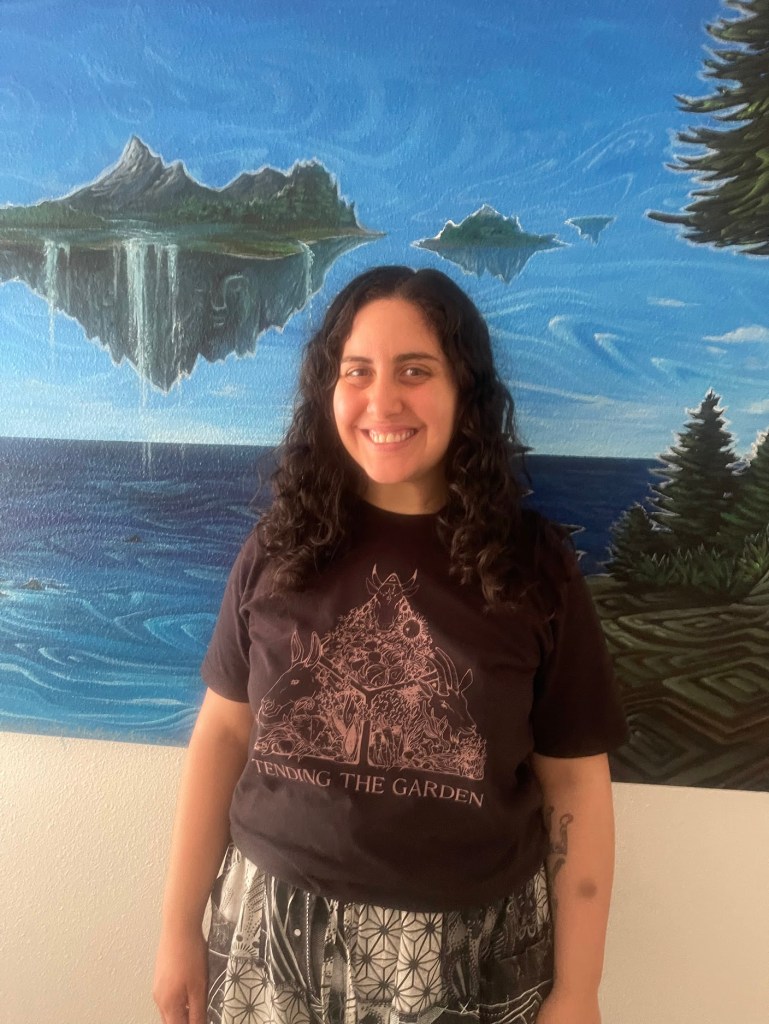
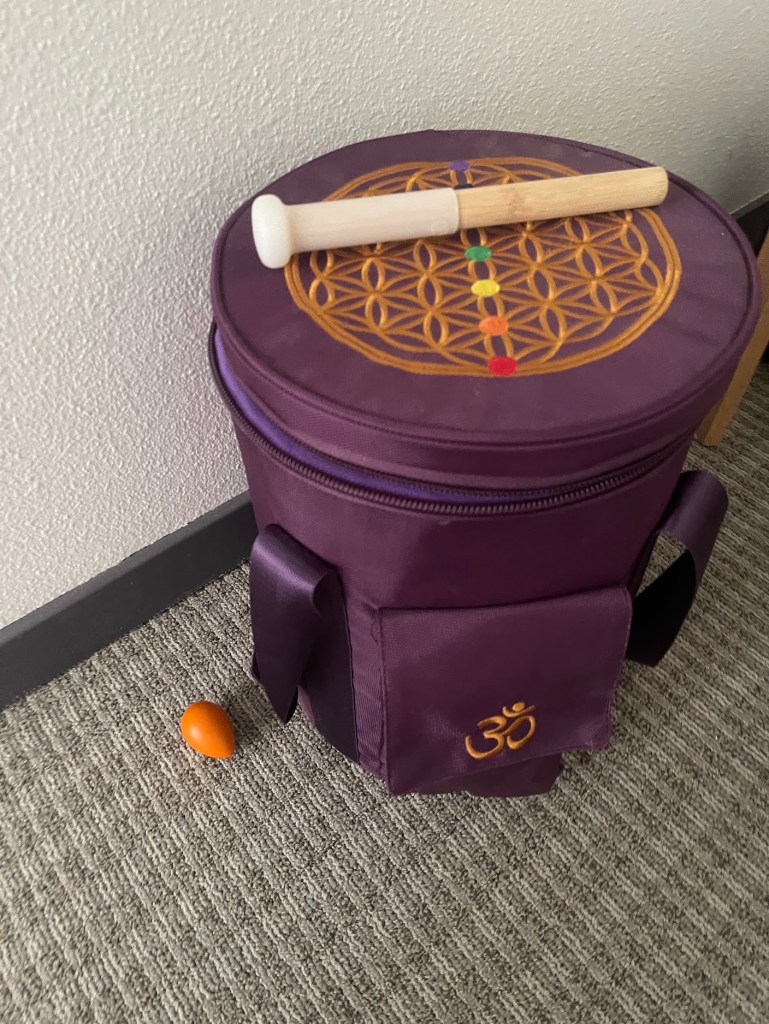
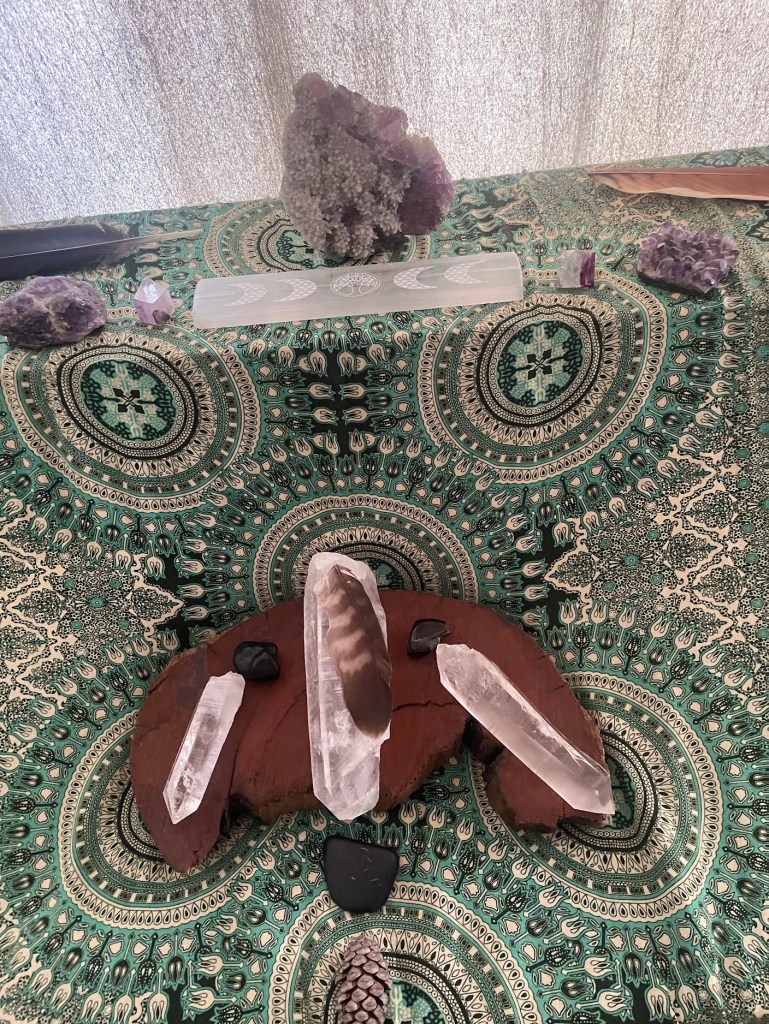
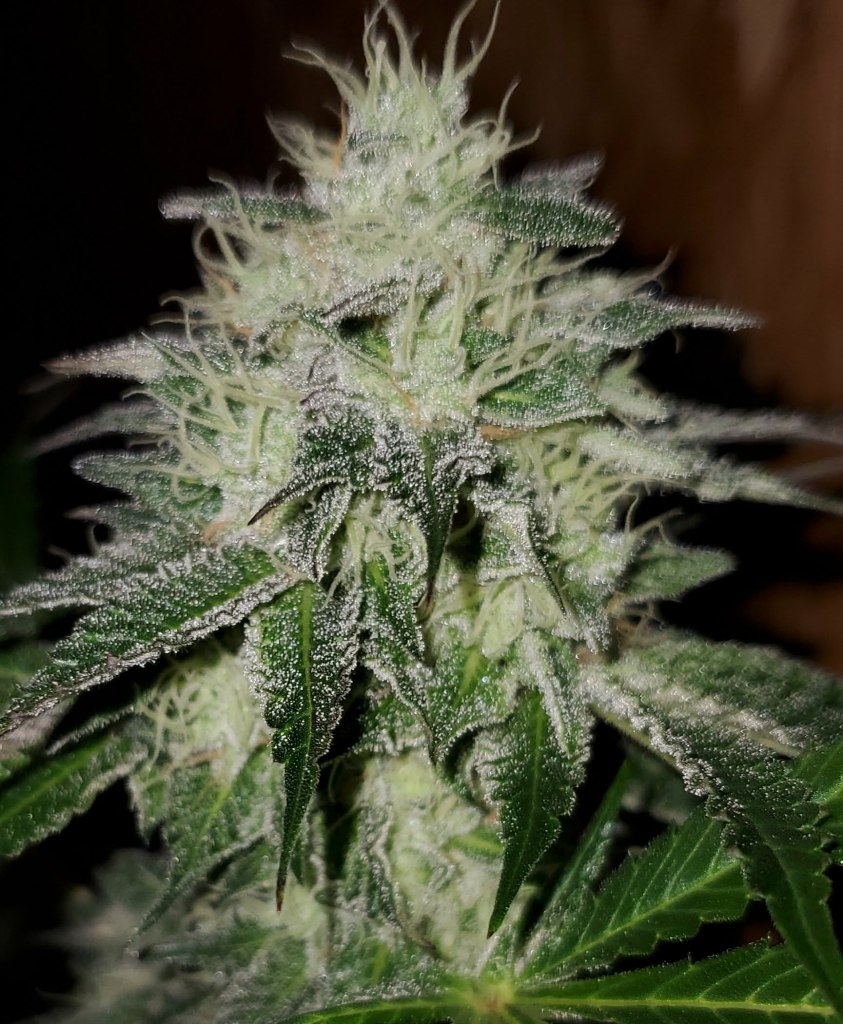
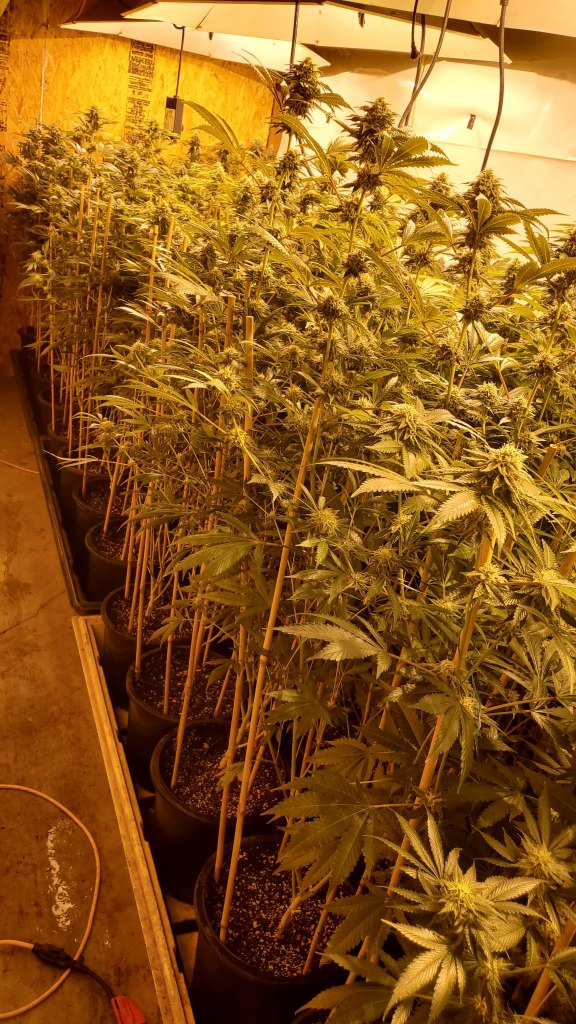
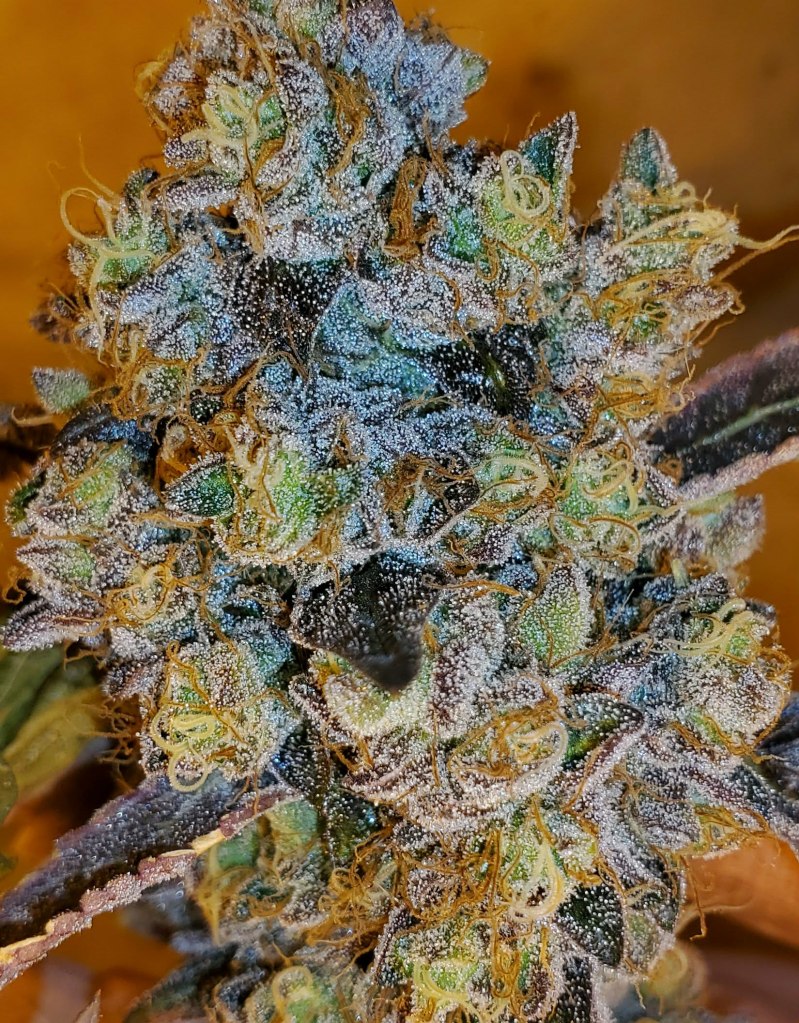
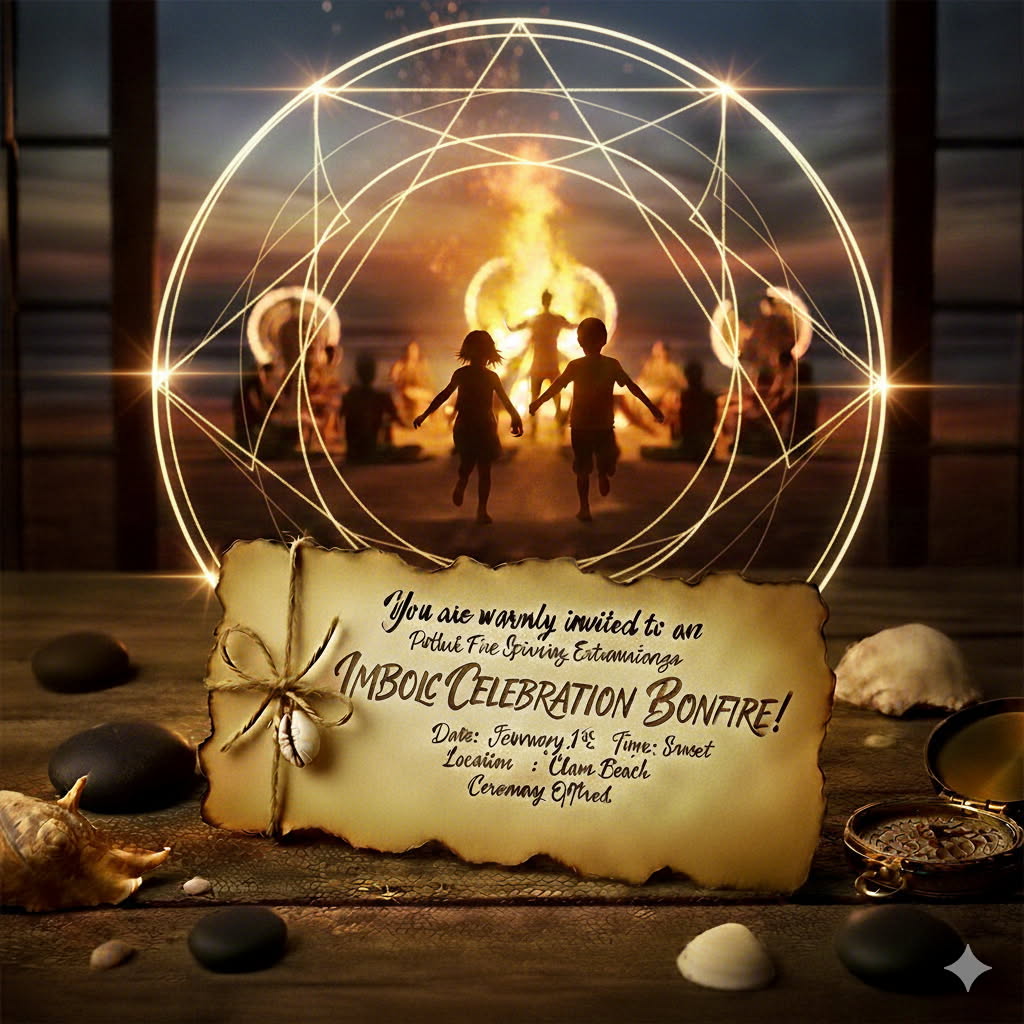

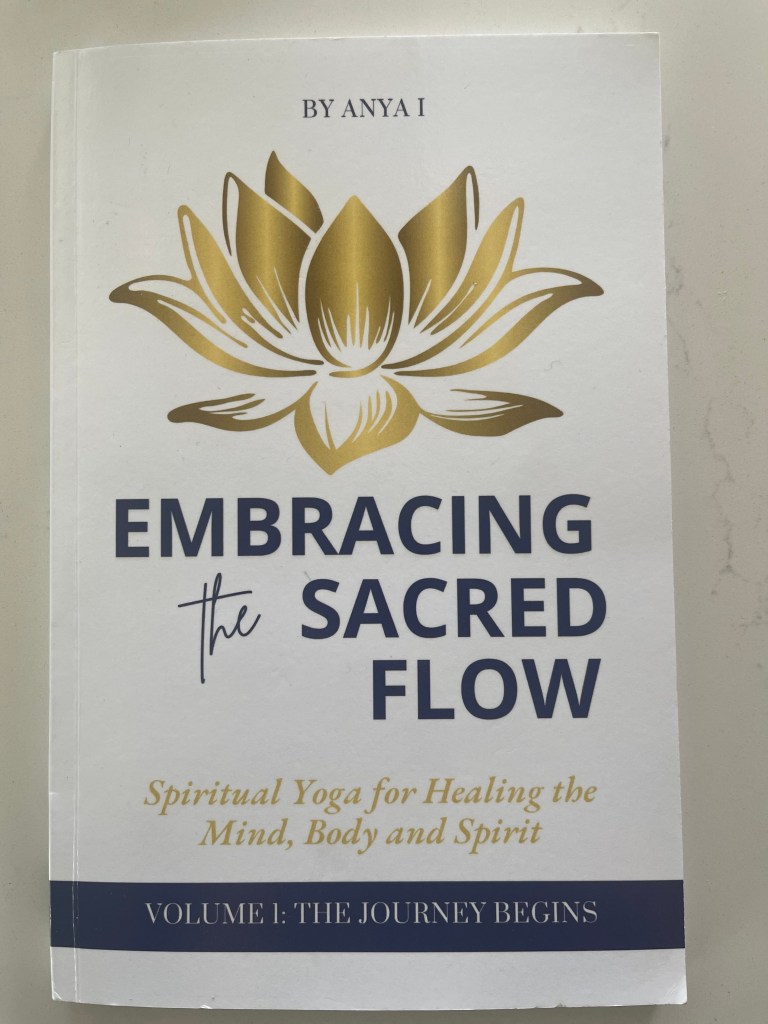

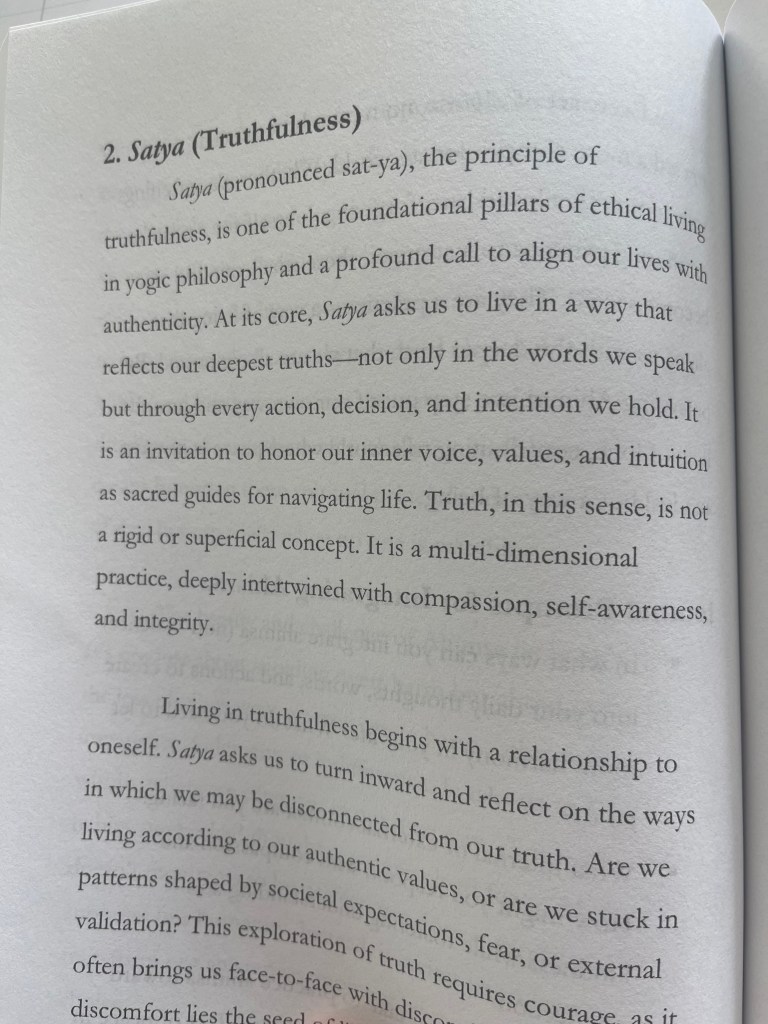
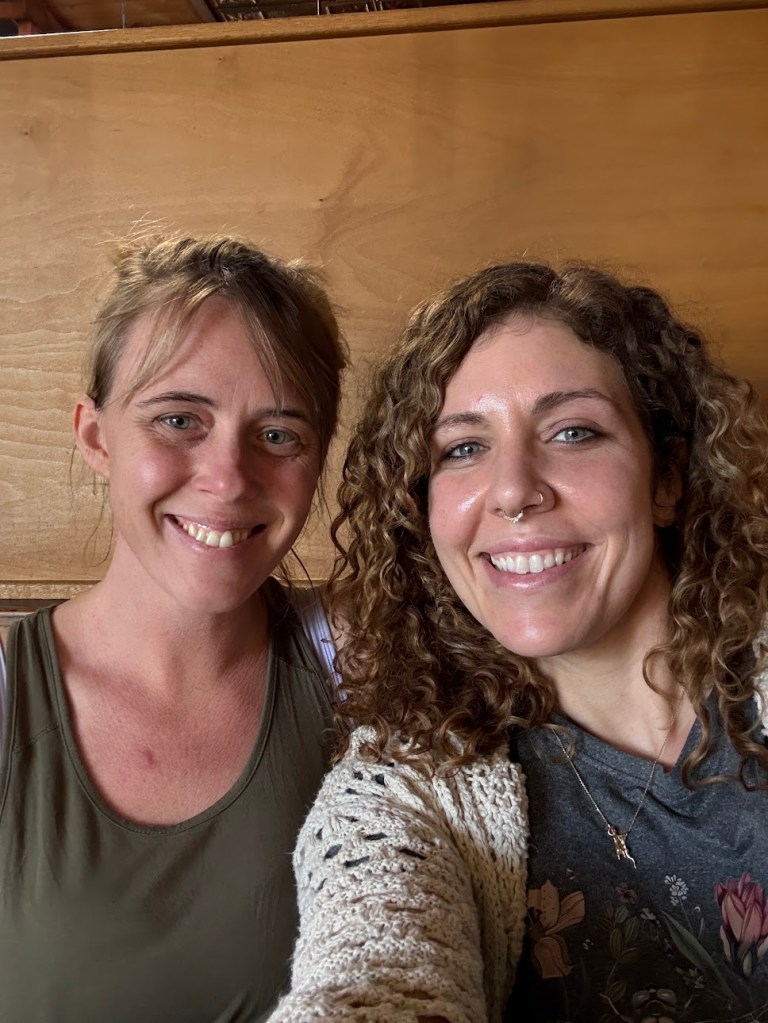
 Little Lost Forest