Natascha: This is Natascha with the Little Lost Forest blog. Today I will be interviewing Noelle Cox, a local Eureka legend who specializes in oil paints, gold leaf, and customized frames. Noel Cox showcased her exhibit Underneath the Surface at Morris Graves in January 2024. Noel takes a surreal and abstract approach to local animals. Fantasized creatures, glorified bugs, and self-portraits. In her sci-fi paintings, a dark humor lingers in the foreground as each piece is staged with class and elegance. It’s September 7th, around 5:00, and we’re sitting down together in her home studio.
Natascha: Hi, Noel. How are you doing today?
Noelle: I’m okay. I’m good. It’s good to have you.
Natascha: Thanks for having me.
Noelle: Thank you for having an interview with me.
Natascha: I was very excited all the way up to this point. So thank you so much for sitting with me.
How old were you when you started seeing yourself as an artist?
Noelle: Well, I think it was kind of gradual, but I think that I really got serious when I was about 16. I painted my first oil painting. Yeah, but I would draw, you know, I took it very seriously, actually. It was something I could do by myself that I could feel sacred about.
Natascha: And what was the oil painting of?
Noelle: It was kind of dark. It was a dead lady. With strings attached to it in the night sky.
Natascha: And how did it make you feel when you saw the finished piece?
Noelle: I wasn’t quite, you know, what do you call it? Satisfied with it. But when I look at it/ when I looked at it, I was like, wow, okay, This is kind of how I feel, you know?
Natascha: From what I understood, your father just passed.
Noelle: Yeah.
Natascha: I’d like to take a moment of silence in remembrance of him. What was his name?
Noelle: David Dinkfeld.
[Pause]
Natascha: I wanted to know, how has your father influenced your art?
Noelle: Yeah, that’s still something I’m trying to figure out. But I know that my dad was a very intense person, and he, you know, he had the sort of the mentality of that if your second place thats the first loser. And I was a swimmer before. He wanted me to win. Win, win.
Natascha: Yeah.
Noelle: Yeah. I think that when I pushed, you know, when I stepped back from that, because I had to. Because it was too much pressure. That was kind of a time when I retreated back into art. That was something that I could hold for myself. I would lock myself in my room and do art. I think.
Noelle Cox, Mr.Sadie
Natascha: Did you ever have any professional training?
Noelle: No, I mean. I went to; when I was seven, I went to watercolor classes that my dad took me to- my mom, my parents. I learned how to do a little bit of art. But no, I have- I tried to take a class in junior college but I’m so stubborn. I don’t want to be told how to paint, so.
Natascha: Wow. The work that you’re putting out looks like it has gone through many courses.
Noelle: Well, it takes a long time to do too. Yeah.
Natascha: How long did it take you to look at a finished piece of yours and think, this is good quality work? I’m really feeling proud of the standard of work I’m putting out.
Noelle: I think it’s more of a feeling that it gives me when I see it. But no work is really ever finished. I think mostly it’s about, for me: When I look at it, I’m just done with it. And it’s also combined with, that the image sort of disappears for me and then it doesn’t have anything else that I can add. Like disappears in the sense of not like not seeing it, but there’s nothing left.
Natascha: I love the way you phrased that. What are your favorite things to paint?
Noelle: Anything that means a lot to me. Yeah. The feeling it has to have some sort of meaning to me and something to say. Those are my favorite.
Natascha: You mentioned that you use oil. Can you expand on the mediums you use and where you source your mediums?
Noelle: I buy my oil paints from Blick and I get the Winsor and Newton. I mean, they’re not the greatest, but they’re affordable.
Natascha: Okay.
Noelle: I mean, it depends on which ones. There’s the higher end and then there’s the lower end, and I usually get the lower end.
Natascha: And then you have to use a thinner with it, correct?
Noelle: I just use the refined linseed oil.
Natascha: Interesting. Thank you. What events in your life have influenced your work as a painter?
Noelle: So many things. Being a mom, being a woman, you know, in this weird capitalistic, patriarchal culture that it seems like you can’t- it’s almost like we see ourselves as women through, like the patriarchal eye. And I think that it can be very confusing.Yeah, it’s bizarre.
Noelle Cox, I love you Zed
Natascha: Your gallery work is different than your commissioned work. Next to you is a commission of my dog Zed, who passed a year ago. While your gallery work really encompasses these fantasized creatures and the animals and bugs. How has becoming a commissioned artist impacted the way you paint?
Noelle Cox, The Fly on the Wall
Noelle: I think that what it does is it puts less- I think about myself less and I think about what other people want from me more. That’s the difference. My personal work is about my voice, about saying what I want to say. And then when you have the commission work, it’s- you’re trying to telepathically sort of connect with what another person wants out of your work, you know?
Natascha: Yeah, there’s definitely a connection there.
Natascha: What was the timeline and process like through the transition of painting for yourself and painting for others? When did you start opening yourself up to commission work?
Noelle: So that was when the pop market died. It’s not just one time. It was a gradual thing, but it happened pretty quickly.
Natascha: Yes.
Noelle: And. You know, my husband and I we grew pot and that was how we made a living. And that was how I had the time and the money to be able to do art. I think that once we lost the farm I was like, what? What am I going to do? You know what everybody says is like, well, I shouldn’t say what everybody says, but what a lot of people say is, do what you love and make money at that. And so I tried. And I don’t regret it at all. But art is a tricky thing to make money on. It’s, you know, and especially in an economy, I think the economy globally is having a rough time right now. And on top of that our area here in Humboldt is having an even worse time because of that. There’s not as much money.
Natascha: Agreed.
Noelle: Yeah.
Natascha: Has art played a healing role in your life?
Noelle: Oh, yeah. Oh, yeah. If I didn’t have it, I don’t know where I would be. It gives me stability and a voice. I would probably be an addict, honestly.
Natascha: Go art.
Noelle: Seriously, yeah. Because I’m so determined to do it and to keep doing it that I want to have the right state of mind for it. I don’t want to waste my life. I want to be able to do the best I can with what I have.
Natascha: I think you’re speaking loudly to this community. And a lot of people could gain a lot of inspiration just from the words that you’re saying now. Thank you.
I did have a chance to glance at your bio on the Morris grave site, and you mentioned that your move from SoCal to NorCal, was a culture shock that was both healing and dark. Would you say that your paintings now express your impression and self-expression of Humboldt?
Noelle: Oh, yeah. But I don’t think it’s like- I think it’s more subliminal. The culture here in Humboldt is, in my opinion, way better than down in Southern California. Southern California is very, you know, it’s about money and looks, itemizing your body and it’s very Capitalistic, cultural, patriarchal. I don’t know, it’s very destructive.
Natascha: Okay
Noelle Cox
Noelle: And up here, there’s more of- at least in the social ring that I was in, there’s more of an awareness of the goddess and more of the feminine- the feminine power, rather than down in Southern California. It’s more like you’re an object for making money and stuff, and there’s not really any power besides how you are sexualized or whatever that is. This place is a very healthy place, compared to down there.
Natascha: That really makes me wonder. Can you tell me a little bit more about your experience in Los Angeles and how perceptions of body image may have influenced your process as a painter, and what you paint?
Noelle: Yeah, there’s a lot of pain in self-image when you grow up on movies and TV and plastic surgery and all this stuff. You start to learn what you’re valued as. I think that a lot of my self-portraits are a quest to accept myself as a human being, for being beautiful the way that I am and not an item.
Natascha: Thank you.
Noelle: Yeah.
Natascha: What impact on your community do you want to convey with the message in your work?
Noelle: I think that I want people to question why. Why things are the way they are. Don’t just go with what people say. Question it. You know, we need to reevaluate our perception and our way forward.
Natascha: How does politics, governing, and even corruption play a part in your art?
Noelle: Oh, politics is greatly corrupted no matter where you go. I’m sure that it has a lot of influence in subtle ways, but I try not to concentrate too much on it because I don’t really have a lot of faith in politics. And because I’ve understood that when you’re someone who wants to be in power, a politician. Those are the people that you don’t want to have in power. And I’m not really sure how to solve that in this system.
Natascha: I think talking about is a great first step.
Noelle: Yeah.
Natascha: How does fun and play interact with your art and processing?
Noelle: I used to have more fun. I think the trick is to not be married to your ideas so tightly and to try to let loose. When you get an image done, to not hold so tightly to it. If it’s not working, let it have room, and that’s the play. But it does take discipline too. And then sometimes I have good days where I’m painting and I’m just like, yeah, this is great, you know, and I do like a little jig or whatever.
Natascha: And then others, you don’t.
Noelle: Yes.
Natascha: Every time you see people painting on social media, they look so happy. And sometimes when I paint, it’s like, fuck, shit.
Noelle: Oh, yeah.
Noelle Cox
Noelle: Well, I mean, that’s like at least half of it. You know, it’s a lot of frustration and it’s a lot of work. And I think that one of the things that a lot of people who don’t paint don’t realize is- that I think a lot of people think that painting is just like this happy go lucky. You know, you just poop out of product without any like, you know, effort. But it takes a lot of effort and a lot of commitment and a lot of times, a lot of times it is very consuming and frustrating. And it’s a lifestyle, really.
Natascha: Wow.
Noelle: Yeah.
Natascha: How long does it take you to paint a painting?
Noelle: Well, I think it depends, but for this one, it takes. I think it took about 25 days of full, full 25 days. Not including building the frame and working the image, like going, okay. I’m going to work with this image and then you dream on it and you think about it and you kind of formulate it. And that takes time too. It’s more just like a subconscious time. But yeah, it consumes you, you know? It’s the way that I live.
Natascha: You’re very generous with the way you value your art, the way that you offer to others. Thank you. Thank you for putting all your time and effort into it.
Noelle: Yeah. You’re welcome, very much.
Natascha: How do you know when the painting is done?
Noelle: When I’m just done, [laughter] I mean, I don’t know. Yeah. That’s a hard question. I mean, when it sometimes a painting will start to become invisible to me, as in, not like I can see it, but it’s not- I’m not feeling it anymore. And I think that’s kind of when it becomes done is there’s nothing else I can add.
Natascha: What motivates your color palette?
Noelle: I love warm colors. Um, you know, but blues are not my favorite. Um, but I love the sky. You know, the sky blues are- When you’re painting a sky, you got to use blue but I, you know, my favorite colors are red, black and gold.
Natascha: Cool. Who are some of your favorite artists?
Noelle: You know, I don’t really look at a lot of art, honestly. I think that a lot of people are artists that don’t create art. I’ve gone through my different, like, I like Klimt. But lately, the artists that I’ve been really inspired by are people who have been doing research and, you know, creating ideas of a reality that we don’t see in what we’re taught in our culture. You know, like Marija Gimbutas and Vicki Noble and people who are visioning a different reality, a different future for us. That’s important. It’s very important.
Natascha: What work of art that you’ve made are you the proudest of? And can you tell me in depth details about your processing?
Noelle: I think- I’m not sure about proud, but I guess, I don’t know, probably Beneath The Veil. The cross one. That was the most- it took a while, and it was the most involved. It took a lot of [pause] looking inside about how I’m feeling about all this and what it means. How I’m feeling about the signals I’m getting from- throughout my life. With that one, because I used to have, like, sort of a vague image that would come to me and then I would create a frame around it. But with that one- I had to make that cross frame. And it had sit in storage for a good year or two until I finally formulated what needed to be on it. And that’s usually what I do now, is that I create different shapes.
Noelle Cox
[Recording got interrupted.]
Noelle: Yeah, the actual frame. Because I like to create frames that are different sizes or different shapes and stuff because I get tired of painting in squares and rectangles. The different shapes actually conjure different feelings for me. And so that’s an avenue that I can work with.
Noelle: That one was in storage for a while and it took a little bit. Well, a little bit, it took probably about a year to actually really be… Honest with how I’m feeling. I mean, I’m really good at being honest about things, but you have to let things, solidify and coagulate and then you start working with the image and drawing it on a piece of paper and kind of working through the different symbolism and what it means to me and how people might interpret it. So, there’s a lot of cerebral stuff. You have to kind of be in touch with your subconscious. I’ve been learning more about the things that I didn’t learn in public school or just the culture in general, is that there’s quite a bit of subconscious stuff going on for everybody. And I try to, you know, use my intuition and to go into that route of subconscious.
Natascha: Would you say it’s a joint subconscious? Is this something that you feel on a communal level?
Noelle: I think.
Noelle: The older I get, the more I realize that it’s possible that I have sort of empathic, or I don’t really know what that is, but there’s signals and it’s hard to- it’s hard to know. What it is. But I think that there’s communication and there’s like, I just have to say what I’m feeling, I’m still trying to figure this out [head scratch.]
Natascha: Sometimes I like to think that it bubbles out. It comes up to the surface and-
Noelle: Just.
Natascha: Comes out.
Noelle: And that’s the way that I can- or that I feel like I can. That’s my voice. I feel most confident being able to communicate through painting, through imagery.
Natascha: Lovely.
Noelle Cox
Natascha: If you had a message you wanted to share with emerging artists, what would it be?
Noelle: I think it depends on what kind of artist you are.
Natascha: Okay.
Noelle: People want, you know, neutral, beautiful images, and they’ll buy them. But there’s not a lot of money right now. I think that part of an artist’s job, if you want to make money at it, because I don’t, you know, I make a little bit here and there but it’s connections. You have to be social. You have to socialize in a group that has a lot of money. But at the same time, a lot of people who have a lot of money. And I’m not saying everybody, but a lot of people who have a lot of money, they’re not going to- You’re kind of a toy. You’re something to play with. And I mean, not saying that with everybody, but they launder money through it and, you know, it’s a whole game. But yeah, it’s not. Anyways my advice is to be careful and to listen to yourself, your inner self and what it is that you want out of it. Because this world is full of givers and takers, and there’s a lot of takers. And you have to be careful and to not don’t dishonor yourself. Yeah.
Natascha: What upcoming pieces or exhibits can we look forward to see from you in the future?
Noelle: I don’t have any personal work shows coming up, but I do have the mounted prints that I make. They’re going to be shown at the Humboldt Herbs Herbals this November and December and then in Arcata, at the A to Z, I care. Yeah.
Natascha: The same pieces?
Noelle: I’m making a whole stack of mounted prints.
Natascha: Well, thank you so much for your time today. I’m happy to take home our commission piece. I love you, Zed. My family’s 12-year-old terrier passed away in the summer of 2024. Below is Noelle Cox’s oil on canvas painting and Zed’s obituary. Thank you so much.
Noelle: Thank you so much. So much.
Noelle Cox
Zed’s Obituary
I met Zed in February 2016, the first night I stayed with Jeremy in the Tarzan house in Oceanside. We watched Courage the Cowardly Dog, and Zed had his precious tennis ball. Jeremy drew his pointer finger along the horizon, and Zed nudged the ball with his nose, following Jeremy’s line. I remember Jeremy having a profound connection with his dog, and I thought if this guy is that good to his dog, he will be that good to his woman. Zed always loved to lick face and bark at squirrels. On long car rides, he would get excited over the cows. No matter where we went, Zed was always a good guard dog, friendly to cats, a cuddler, and licker. When it was just Jeremy, Zed, and me living in the tent, Zed would sleep curled against my belly, and I imagined him as my baby.
When I moved in with Tallulah in her LB apartment, Jeremy followed shortly after, and Tallulah was nervous to host Zed with her two cats. But Zed was really good with the cats, and she grew to love Zed. On our wedding day Zed walked with Orion and I down the aisle. Everyone thought it was rehearsed, but Zed just knew, knew that the day was something special, and when we got down to the stand, he stood post at Jeremy’s side. I cannot imagine the sense of loss Jeremy has; their bond was unbreakable. Every day with Zed was absolutely beautiful, full of love and care. He was an emotional support dog for me and kept me calm and supported while I went through hard times. He was an emotional support dog to Halaya as she transitioned into a new home with a new mother figure, and he was by Malakai’s side from the moment of birth. Zed went on lots of walks, he ate lots of good meat, and slept in our bed every night. I got to spend his last night with him against my belly; after we’ve gotten so far together, into a home, a family, our babies. Jeremy got to spend Zed’s last moments with him, watching the sunrise. I wish I could spend a million more nights with Zed, a million more walks, a million more face licks, but he’s in a better place, and I am grateful for the memories we had. I love you, Zed.
I came to Cannifest to support my local cannabis scene, and it didn’t disappoint. Sponsored by SAFFY THC, the first Black and Jamaican-owned cannabis farm in Humboldt County that offers the community sun-grown, greenhouse-controlled dank light dep flower that can be found at Zen Humboldt and Proper Wellness. What I discovered went beyond my favorite cannabis community, local glass artists, and funky, groovy music—what truly captivated me was the underground street art culture.
Cannabis businesses, dispensaries, and farms from all over California gathered to showcase their products. Local dispensaries like Arcata Fire, Proper Wellness, Phenotopia (Santa Rosa), Zen Humboldt, Moca + The Ganjery, and Heritage (Ukiah) were all in attendance, showing the diversity and dedication of California’s cannabis industry. Many out-of-towners were surprised to see street artists painting directly on the city walls. These murals stay up until Cannifest rolls around the following year, when they are painted over, and the cycle starts again.
“It’s too bad,” Ember from Soulshine Glass remarked to me. “I really liked some of the previous art.” “Well, it’s kind of like your glass art,” I said, perhaps a bit dimly. “It doesn’t last forever.” “Well, it can,” she replied. That’s when I realized I’ve been seriously mistreating my own glass collection.
The impermanence of street art is something I find absolutely beautiful. Artists create for themselves—to express a fleeting moment, connect with their community, push boundaries, and make bold statements. Knowing their work will eventually be covered challenges them to create again and again, evolving with every piece. It’s a cycle of relentless creativity. Maybe that’s why graffiti culture pulls at my heartstrings so strongly.
This year at Cannifest, I made it a point to chat with some of the street artists to hear what they had to say about their work and the impact of this ephemeral art form.
Willow + Ember from Soulshine ArtWinning Banger
And of course, the music was on fire! The main stage lineup featured incredible performances from Lettuce, the Dirty Dozen Brass Band, Rainbow Girls, Mendo Dope, Oteil & Friends, the Nth Power, Junior Toots, the Magnificent Sanctuary Band, and a Wiyot Tribe Blessing to honor the event. Over at the Unity Stage, Deep Groove Society, Storytime Crew, Pressure Anya, One Wise Sound, Redwood Roots, and Marjo Lak kept the energy flowing.
Note from Conversations with Participants Indoor growers will tell you they’re too good for trimming—“Trimming sucks!” Meanwhile, outdoor homegrown farmers will tell you how much joy they get from trimming fat, crystal-coated nugs—“Oh yeah, I love trimming!”
Take the poll: Where do you stand on trimming?
Natascha: So. What’s your tag name?
Artist1: Eesh.
Natascha: Eesh. Can you tell me some advice about tagging to unexperienced artists?
Artist1: Get in where you fit in.
Natascha: All right. Thank you very much. I love the colors that you use. Is there anything that inspires this piece that you did today?
Artist1:Artwork and vandalism.
Natascha: Hi. I’m here with a tag artist. What was your tag name?
Artist2: Oh, I don’t have a tag name. My name is Matthew Olivieri, though.
Natascha: Okay. Thank you, thank you. Matthew. Um, this is a very distinct cube.
Natascha: What kind of cube is this?
Artist2: Well, um. That’s a different question. Um, yeah, it’s.
Natascha: Revert back to the original question.
Artist2: The original question? Um, yeah. The shape of the cube is an isometric cube.
Natascha: Yes. Thank you. And where did you learn about isometric? And, like, what inspired the isometric cube?
Artist2: Well, I actually teach a lot of, uh, I teach art at the juvenile detention facility here in town. Yeah, so I teach how to do 2D or. I’m sorry. Two. Two point perspective and three point perspective and things like that. So I’ve been working with kind of geometric stuff like this for a little while. Um, but in an educator capacity. But I kind of take my, my work home with me a little bit by drawing things like this for myself, you know? So this is actually a logo of sorts. Um, a shout out of sorts for the business that I’m starting with my cousin.
Natascha: Oh, I see it. So, so, um, and then we do.
Artist2: He does, uh, augmented reality on top of my artwork.
Natascha: Wow.
Artist2: So if you scan this QR code, you can actually activate activate the the augmented reality on your phone.
Natascha: Sweet. I’ll tag it in the blog. I really appreciate your time and your art and what you do for the community. That’s awesome. Thank you.
Artist2: Thank you.
Natascha: Hi. What’s your tag name?
Artist3: Uh, Lauren Wheeler. Oh, tag. Uh, I’m. For what? For this. Okay. Yeah. Or. Yeah. Uh, 21 bangers over Instagram.
Artist3: What does this piece mean to you- Politically.
Artist3: Politically?
Natascha: Yeah.
Artist3: Uh, I’m not into politics, so it doesn’t have anything to do.
Natascha: So is it anti-political?
Artist3: It ain’t. Anti anything. It’s it’s it’s pro thinking.
Natascha: Um, you don’t feel like there’s revolutions going on all the time when people protest and speak up?
Artist3: Well, I feel like revolutions just puts you right back into the same spot. It’s an evolution that has to happen.
Natascha: Do you think that happens within, or do you think that happens on a governmental level, on a whole country level.
Artist3: That happens within because it’s thought that put us into these spots. It’s thought that even is going on right now. Everything is only a thought and people’s been killed to think this thought for many years. And then everybody thinks the same thought about the revolt or what’s going on with the government or the money or all this thing. Right? So to evolve, you got to think drastically different and not in those terms.
Natascha: If people are looking for healing, what kind of community do you recommend to find healing in.
Artist3: The same vibration.
Natascha: All right. Thank you very much.
Artist3: Yeah. Thank you.
“The people shouldn’t confirm around the community, the community should confirm around the people.
Lauren Wheeler
Natascha: Hi. What’s your tag name?
Artist4: Uh, my name is Zevo. Z-E-V-O.
Natascha: All right. Zevo, I was wondering, what part of your culture has influenced your tag piece today?
Artist4: Uh, so I’m Chicano, and the Chicano handstyle really influenced me. The old English letters and stuff like that. It’s a big part of my culture.
Natascha: All right. It’s super dope. And where are you from?
Artist4: I’m from Santa Barbara. Socal.
Natascha: Okay. All right. Thank you so much.
Natascha: Hey, what’s your tag name?
Artist5: My tag name is Golden Flower underscore CA.
Natascha: This is a really awesome piece. What is the hand in the in the snake represent to you?
Artist5: To me it represents a connectedness with the water as well. And, yeah, the symbols of just, something humanistic or creature like. Yeah.
Natascha: What about SEON? What does that represent?
Artist5: So this is a collaboration with my friend from Chile. And so this is supposed to be some type of compass. And that is literally the country of Chile in a chili like pepper form.
Natascha: I love it. That totally brings the two pieces together. Thanks for the explanation.
Natascha: Hi Christopher, I love this piece that I’m looking at. Can you tell me a little bit about your style?
Artist 6: Um, yeah. Just try to keep it sharp and clean and vicious looking. And we’re doing, we’re doing a comic book called the Max. Kind of like a tribute to it and putting our own graffiti twist to it.
Natascha: Okay. Thank you so much. It looks sick.
Natascha: Hi, Erica. This is a really beautiful, feminine piece that you put up here at CanniFest. Can you tell me a little bit about the story behind this piece?
Artist7: Well, quick blurb. We have our queen bee and her best buds, and it’s- I’ve been messing around with doing figurative work with creature heads, alluding to a more feral side of things that we often don’t acknowledge and probably should acknowledge more.
Natascha: All right, I see that absolutely.
Artist7: -Know your monsters. I like to paint a lot of the animals that are often given a bad rep and, you know, misunderstood monsters and bees are definitely one of them. So we gave a feminine woman with a bee head and her beast buds.
Natascha: Awesome. Thank you for keeping it fresh, I love it.
Sunday March 17, 2024. Natascha drove down to Red Bluff in Southern Humboldt County, with her father and son to meet up with Soulshine on their property to talk glass. Inspired by their work she had seen at Summer Arts and Music, as well as their last shop in Eureka, and their fun-ky Facebook podcast. Her quest was to find out ‘What’s next?’
Natascha: Thank you for meeting with me today. I’m Natascha from the Little Lost Forest blog. I’m excited to learn more about Soulshine and your new space here in Southern Humboldt. How are you guys doing today?
Ember: I’m doing awesome.
Willow: Yeah, we’re really, really enjoying this spring day.
Natascha: Ember and Willow, welcome back from Wisconsin. How was your trip?
Ember: We were in Wyoming. [They mentioned they did have a studio in the past in Wisconsin, Natascha messed up.] And the trip was awesome.
Willow: It was awesome. We were there for, like, six weeks.
Ember: We really enjoy going to different studios, which we got to do in Wyoming. We got to teach and help them develop classes and product and then we also got to blow glass of our own. So, it was just a really awesome situation. Sam and Alicia, they’re awesome people. We had a great time.
Natascha: That sounds like so much fun.
Ember: Hoping to do more with them in the future. So that’s kind of fun and exciting for us. So, moving in more than one direction. But at the same time, we’re going to get to blow glass, we’re going to get to teach. So, a couple of our passions.
Willow: Yeah. Lots of exciting things.
Natascha: Right on. I watched a video on your website. It mentioned that you’ve been blowing glass for 19 years. Is that still accurate?
Willow: Uh, I have been blowing glass since 1994. So, this is 30 years this year.
Natascha: Wow. Congratulations. Woohoo! How about you?
Ember: I’ve been blowing glass. I actually took glassblowing in college. I don’t know if I should even say what year it was. It was a very long time ago. But I also, at the same time, had three kids living on the mountain and really got into that for a while. And I think I’ve been back into glassblowing full-time since 2010.
Natascha: What’s your process like? Do you sketch out your artwork before creating it, or do you prefer to work spontaneously?
Willow: I think both. Sometimes you’re making things that have to fit in a box, because it’s an order for something. And other times you’re making things, where you have to share a vision with other artists and you have to be able to kind of have a plan for that. It can just flow as it go(es) kind of thing. But everybody needs to understand the same kind of end goal. So, that each person can find where they fit into that collaborative team. It’s hard to do that. You know, when you’re by yourself and you’re just going for it, making shit, then you can just be open and free.
Ember: I think that’s one of the things that you’re really good at is in a collaborative class teaching situation, you do, he does a great job at actually drawing out the plan, organizing people so that everybody’s got a part, and a job. And it’s kind of somewhat defined as- not as far as what artwork they’re doing, but where that part will be on the piece. And that, I think is a talent of yours. It’s super helpful in teaching and collaborating with other artists. Yeah.
Natascha: Lovely. Your artwork features brilliant and smooth colors. What’s your favorite palette to work with?
Willow: I think I have some crazy ideas. I think the best color palette we get are the ones where, uh, where I let Amber pick the colors.
Natascha: Ooh.
Willow: Wait, you know, not even that. I like when she just drives the ship. She’s like, this is what it’s gonna be. And I love it because then I…
Ember: We, like, you know, go back and forth, we go…
Willow: Back and forth like we always battle between; I like bold black line outlines, you know what I mean? Like, I like everything to look like a traditional tattoo, you know, with a really fat black outline and a bold image, like a sticker, like you would see a bright poster image.
Ember: I like all the colors between.
Willow: So, she wants it like, white and, like, she wants white in between every line.
Ember: I don’t just like white, I like all the colors!
Willow: And I want black in between every line. And so somewhere between white and black, you have to find a balance, you know. But as far as the colors together, I don’t really have a good sense of that. Like, she definitely influences that unless I know like I’m gonna do a fire water palette, but then I know. Well, all right, I’m gonna pick the fire colors and then the water colors and then- But otherwise if I don’t go with what she says…
Ember: I love color.
Willow: If I don’t go with what her plan is then…
Ember: -If it has purple and fuchsia. Yeah, right. You know, bright, beautiful green. Oh, yeah. Just the drippy, yummy stuff that just makes you want to kind of drool a little at the mouth and makes your eyes just kind of pop and your heart like, whoa.
Willow: You can’t argue with that. You gotta be like, fuck yeah, right. This is the perfect blend, right?
Ember: Throw some sparkles in there.
Willow: If it was up to me, it would be like; yeah, it’s black and white and purple and blue and yellow and green and like, holy shit balls. You know what I mean?
Ember: We have fun with color together. Yeah.
Natascha: I dig it. What is the learning process like for mastering glassblowing?
Willow: Hours is powers. [pause] It’s how you get to Carnegie Hall, right? You got too hours with powers, right? That’s the same thing. It’s like. Hours is powers. If you want to do anything. It’s not really about how talented you are or how smart you are, or how dumb you are or how cool you are, it’s about how much do you want to do that thing, and how much are you willing to dedicate your life to doing that thing.
Ember: So, passion, passion does come in there because hours, you still have to have passion for that medium. Uh, I like think about glass all the time and how much I actually love the medium. Like I was just, for some reason, thinking about it the other night. And I was thinking about how I look at it has changed over the years. And now, where at one time I was afraid, kind of, for when I’d get the glass so hot that it would just flow and move. Now I get off on that. I like, love it. I love how it gets so soft and movement and I can control and make the movement happen. It’s really symbiotic feeling. I love that feeling of symbiosis with the medium. I think that is really…
Willow: Yeah. It’s like an extension of your hand.
Ember: Or your whole body. More, more beyond that. Yeah. Your passion.
Natascha: What are some of the dangers and risks associated with glassblowing?
Willow: Uh, you get addicted to glassblowing. It’s just like.
Ember: It’s like it’s addicting.
Willow: Kind of like crack or heroin or any of those kinds of drugs, really.
Ember: Let’s refer to it as bitten by the glass bug. It’s a little bit nicer. It’s happier, I like it.
Willow: It’s really hard on your bank account. You gotta be dedicated and willing to bust your ass. And so, you gotta be willing to be rich, be poor, be rich, you’re poor, you’re rich, you’re really poor, you’re rich, you’re poor. And that’s like how it is. And if you’re lucky, there’s a you’re rich part that’s like enough to save enough money that you can, like, actually buy groceries. You know, like it’s a commitment that you’re like, this is what I’m gonna do. And some people, they just have another job and they just do that on the side. And those are some people that got a pretty good idea sometimes because it’s hard. It’s hard. And so, it’s hard on that. You know I don’t think like other risks. Like you’re not going to blow your ass up. Maybe. People get burned, but I, I think the pizza taking pizza out of the oven is way sketchier. I don’t know. I get a lot of little cuts that like, they’re just tiny little cuts, you know, but they’re in like a shitty spot and then you get them, like, all over, and then suddenly you have like 8 or 9 and you’re like, I have some kind of curse of the 10,000 cuts and these. That sucks really bad.
Ember: You know what? I get cut, I get burned, and I, I don’t know, it’s still like, somehow, I hardly even feel it. I just want to get back and do it more.
Willow: You get superpowers.
Ember: Yeah, yeah.
Willow: You just like, gotta push through it.
Ember: Yeah. I got the worst burn on my hand right here.
Willow: Oh yeah, that hot graphite.
Ember: I dropped a graphite tool. And I tried to catch it because I didn’t want it to break on the floor because, you know, they’re expensive.
Willow: It didn’t, it didn’t break.
Ember: It didn’t break, but it burned my hand pretty bad.
Willow: That graphite. Don’t fucking play. That graphite like, just fucking hurts.
Ember: But aloe is a wonderful thing. Aloe and a little lanacane.
Willow: And weed.
Ember: And weed.
Willow: I’ve heard, that weed is really good for that.
Ember: I don’t know.
Willow: I heard that, yeah.
Ember: I think so. I yeah, I smoked, I did try, I used it, it seemed to help.
Natascha: Talking about budgets, what aspects of glassblowing tends to be more expensive and are there ways for beginners to start on a budget?
Willow: Ooh, glass is expensive.
Willow: I think that (where) there is a will, there is a way. I think you can totally start on a budget. Willow will kind of say the opposite. He’s like, buy the giant torch, spend all the money right away. But I don’t feel that way. I feel like starting out at your comfortable spot and working your way that direction. Because even if you buy yourself a small torch, I think buying yourself the largest, the best, hottest, small torch or a torch that you can work with, I don’t know. You’ll have to get out there on the glass classifieds and look for somebody who’s no longer interested or upgrading. People upgrade all the time.
So starting out small with a torch that you can afford and working your way up. As you get better, you’ll be able to sell more things and put that money back into your glassblowing. Just like if you had any type of business or something passionate that you were about you would take whatever money came that way and put it back into it, you know? So, I think that is a really good thing to do with glassblowing because you can start out and if you’re really strong and passionate about doing this, you’re going to find a way and you’re going to make those really awesome pendants, those little things, those sculptures or those small pieces that make you happy. You’re going to go out there and you’re going to show them to people. You’re going to share your love, your passion for what you’ve made, and people are going to want part of that. And then you’re going to be able to build your kind of pocket full of things you can do, and that you have, you know, to get through life with. And put that back into your business and get more color, get a bigger torch, and keep moving forward. Because just like life glass is a journey.
Natascha: Wonderful. Can you share some advanced techniques that you guys have mastered?
Willow: We do a lot of sectional montage and linework techniques. Ember does a lot of incredible sculptural pieces that we bring together, like the two a lot, and that has been some of the best kind of things we’ve been doing lately.
Ember: Yeah, I love when we just, like, come up with an idea and I get to sculpt some amazing picture that came into my mind and make it three-dimensional out of glass. I love it. It’s amazing. And then we get to put that together with some amazing shapes that Willow comes up with color and we work together.
Willow (whispers): She picks the colors.
Ember: We do some awesome stuff together at the same time. Like, my love for glass doesn’t stop at lampworking. I really love working out of the furnace and making big pieces of glass work, which involves a lot of body movement. It’s a whole nother part of the medium. And it’s one of the awesome things about the medium is I feel like it’s endless learning. So, if you’re one of those people who likes to be challenged, you love learning. I feel like I could keep learning about different parts and areas of glass my whole life and still not feel like I’ve touched everything. So that’s exciting.
Natascha: Yeah, it’s humble coming from such a master. Super cool. Is it possible to accidentally burn the glass during the blowing process?
Ember: Mm mm. Interesting. Yes. Depending on the type of glass, you can.
Willow: You can boil the glass by heating it with two forceful and hot of a flame or whatever you’re heating it with at one time. And you’re blasting it so hard that the surface boils before the heat can radiate into the core of the piece, like thermodynamics. Right? It’s like a pot pie. It stays hot in the middle, and it cools from the outside, but it has to heat up the same way, because glass is an insulator and it’s going to pull its heat into the core. That’s what makes it gather into a round ball or something like that. And so any flame that you put to it, it’s gonna get hot and it’s gonna melt. But if you like, heat it on high, it’s gonna boil the rice, you know, and you don’t want to boil the rice, and you want to simmer the rice really slowly. And so when it can hold that water in and absorb that, you know, then you have that perfect rice. And it’s the same thing with the glass. It wants to be heated in the right kind of flame for the situation. Even different kinds of glass, different…
Willow: –colors.
Ember: Different colors. Yeah. Uh, have different chemicals or reactive properties that sometimes you want to boil. You want to boil the rice, sometimes a little bit that you get to break the rules or bend the rules. And then there’s other times that you want to like activate the system and you heat the glass and when you heat it, in a different kind of flame, different shit happens, you know what I mean?
Molecules inside the matrix get to float to the surface and create different colors or different effects. Right?
-Ember
Ember: Yeah.
Willow: Kind of like that.
Natascha: Yeah. That was a really good answer.
Willow: Is it too sciency?
Natascha: No, that was so cool.
Willow: Fucking science shit’s awesome.
Natascha: I think so too. Yeah. What’s your favorite type of piece to create?
Ember: I love creating sculptural pieces. I pretty much do a lot of sculptural pieces that I would want to put on functional pieces. And I do a lot of sculptural pieces. I like to make pendants so that people could wear them.
Natascha: What kind of themes do you like to use?
Ember: Um, mostly themes from nature. I love everything about the world in nature, and I love flowers, I love animals, I love trees, I love, yeah. And I actually get really inspired by colors of nature, I don’t know.
Natascha: How about you, Willow? Favorite type of piece to create?
Willow: I like to work with line work, and what that means is that I make a tube that’s a hollow tube but has like encased different colors all around it. So, it’s a lined tube that’s hollow. And I make that first, and then I pull that out, and when I pull it out, I get about four feet of that same color, really dense color, lined tube. And then I take that one piece and I rip it up into like 30 smaller pieces of line tubing, and then I twist them all together in different ways and then reassemble them back together in different ways often on like a 90 degree off-axis. And then there’s all this math that goes into it, and, uh, I get really into shape with the math formula of taking the spirals and stacking them together and reassembling the sections to make more patterns. And then if I make this many here and, you know, three, three, three, anyway, you know what I mean? It gets all mathy. But I like to create patterns like through that with the lines, by reassembling the lines and create really elegant forms. I think I really like extreme flat like transitions, you know, like, I don’t know, instead of slopey bubbles. I like to be, like, cut shapes. Yeah.
Natascha: Ember, now I hear what you mean about the shapes.
Willow: And it’s all math, though. That puts that back together again. That’s the… I don’t know, I sucked at math in school.
Natascha: I did too, I’m not good at math.
Ember: Math’s not my favorite thing at all.
Natascha: But now you’re using math in a different way and it is how you connect with it now.
Willow: That’s how I see math, I guess, all along.
They [teachers] didn’t show me that, like, hey, you can take a spiral and put three spirals together and it makes this other spiral.
-Willow
I’d be like, oh shit, there you go. I get the math. I’d have gotten an A. [laughter] They just didn’t teach me like that. They just taught me the other way. Yeah. You know they taught me the other math.
Natascha: And we talked a little bit about your inspirations being nature. Are there other inspirations that come through in your design work and your art?
Ember: I mean, if we’re going to do something like a collab piece, there’s different things that’ll create inspiration. If we’re going to do lighting for somebody’s house. Okay. I love doing that, too. [dream-like] What’s going to make their house look beautiful, you know? Yeah.
Willow: That’s always fun. Envisioning color palettes in lighting. They’re made in layers. So, we start with white on the inside, and then we put down other colors. And then we put down other colors over that. And then the light is inside shining out. So, you’re seeing that radiate out. So, you’re really seeing this like matrix of layers of glass and transparent colors over opaque colors over different other colors, you know, with spaces and gaps in between. So, you can create something that’s like, really cool and create a whole effect in somebody’s house. You know, I think that was really a fun thing to do. You can really, uh, really it ties the room together, you know?
Ember: Well, and it’s just also knowing you’re making this functional piece that’s going to be part of people’s lives every day and light their world… In glass it looks amazing.
Willow: Yeah, I love glass.
Willow: Um. Uh oh. I almost knocked the bong over.
Natascha: Before getting into glassblowing, what other forms of art were you guys involved in?
Ember: I think that I did all kinds of art growing up my whole life. My dad’s a really awesome artist and a painter and sculptor. And my mom had us involved in doing all kinds of arts and crafts. That’s how our family communicated. That’s how our family got along. I don’t know, I feel pretty blessed that was my world growing up, because I think that carries over into my life and my kids’ lives that I get to share that love with them. And I’ve always said if I wasn’t working in glass, I’d be working in another medium. Whatever’s available out there, I would grab and want to make stuff with it. So, I don’t know. I feel like I’m really blessed to get to work with glass, but also working with anything that’s out there in your world that you can see, like you can make art out of anything, everything. And that’s one of the amazing things about it, just go outside and look around you. If you can’t make it outside, look around your house, make art out of something you have. I, yeah, I think that I guess.
What did I do before? Let’s see before. Right before I got into glass, I was making jewelry using glass beads, and I was like, fuck, I want to make my own glass beads. I don’t want to use other people’s glass beads. These beads were from all over wherever, you know, and I wasn’t feeling conscious about that. I was like, I want to make my own glass jewelry with my own glass beads. So I took, uh, glass bead-making class in college. And back then, I mean, there wasn’t hardly any glass classes or anything hardly going on. It was like, uh, this couple came over. He had designed some, like, head for the map gas. And we all, like, used map gas to make beads. And we stuck them in vermiculite and, um.
Willow: Low tech.
Ember: Very, very low tech. So that’s why when people say, oh, I don’t have enough money to set up a situation to blow glass, I kind of feel like, just like that. Go back to that first time that I blew glass, and, it took nothing; but it took a metal rod, some bead release, some vermiculite and a metal bucket and a little Mapp gas with an airhead on it and I made glass beads. And that’s because I think that there’s that whole situation. If you really want to do it, don’t wait, don’t wait till you have that big, thick thing of money. Don’t wait. Take that little bit and start and let it grow.
Ember: Crazy.
Natascha: Cool. So, do you guys sell your artwork in Wyoming as well?
Willow: Yes, we did.
Natascha: Are there other locations where you guys display your art?
Willow: Let’s see, we have our artwork at Ph Glass, Plaid Hemp Company. They have five locations in Wyoming. You can buy some of our functional pieces and we sell our other work. On our Facebook page or off of our Instagram.
Ember: Yeah. I have a proto line that I’ve sold to different shops.
Ember: They have 19 stores throughout Washington and Oregon. Ash Denton has some of my pieces he picked up at Vegas.
Willow: Xhale City. They have 29 stores in Georgia, and they have a bunch of our glass.
Ember: So, I think it’s all over the place. It’s all over.
Willow: But if you want, like, you can just hit us up in the DMs. That’s what the kids say. Yeah. And we’ll be happy to make something for anybody. And we’re almost ready to have people out taking classes.
Ember: Yeah. And we’re happy to start doing custom orders.
Willow: Custom orders, all this stuff.
Ember: And we should be doing classes, hopefully. You know, I think it’s going to take us probably another few weeks. 3 or 4 weeks, I would say. And then we can maybe start doing class. Actually depends on the weather. If we get a lot of rain, it might be too muddy. But if the weather stays gorgeous like this. Yeah, that’ll be amazing.
Willow: If it dries out a little bit. It’ll be perfect.
Ember: But eventually that’s our big plan, you know, that we see in our future is being able to set this place up so people can come out here. We especially want to start a community out here where maybe we’re working with underprivileged youth and kids at risk and being able to have kids out here where they can be part of nature, relax and maybe get in touch with their spiritually motivated passions, and art forms that we can see all around us. And being able to share that with them and hopefully get them in the glass shop, experiencing that as a medium. One of the things I love about it is that we can make it super fun, super simple. You don’t have to play the concert right off. You know, you can make some just really happy, fun things that just bring you joy. And I want to share that with people.
Natascha: I love your passion for the community. Right on. You kind of talked about this, but I recall your previous location in Old Town, Eureka. It was a glass shop with a studio in the back. What motivated you guys to move into this current space?
Ember: We’ve always had this dream about having Glass Camp, so we had that place in our studio over there in Eureka for ten years, and it was an awesome spot. We’re super, proud of everything that we got to do there and make happen, and all the classes and people that came through. We still feel really connected to that. But also at the same time, after the ten years we were there we felt like we could offer more. I think that us having this dream of Glass Camp and still sharing our passion when this place came up and was offered, we thought this was just the best place to grow a glass camp because it’s beautiful. It’s really not that far outside of many towns around here. We’re 20 minutes from Fortuna. We’re still only 40 minutes from the old glass shop. All that’s going to happen is you’re going to come out here instead of the place in town, you’re going to breathe fresh air. You’re going to relax and I feel like you’re just going to be able to get more in touch with that artist side of yourself, you know? And I don’t know, for me, I think it’s just bringing that good quality to life, to ourselves, our friends, our family, and sharing it with the community.
Natascha: You have the Eel River right here in the backyard?
Willow & Ember: Yeah, yeah, yeah.
Willow: We got riverfront.
Ember: In the summer. We’re hoping to make a path down to the river. People can picnic, you know, and enjoy the water.
Willow: There’s kind of a path now.
Ember: We’re working on it a little.
Natascha: I admire how you’re growing everything from the bottom up. It’s too cool.
Willow: We were when we got here. It was like camping. We were camping here. It was. It was crazy.
Ember: Yeah, it was awesome.
Natascha: Can you give me a verbal visualization of what the new studio space might look like.
Willow: Oh, let’s see, right now it’s a 46-foot by 8.5ft wide. Refrigerated Safeway semi-trailer truck. Awesome, right? So, we put the shop in there. It’s ugly too, by the way. It is not a pretty one.
Ember: We’re gonna paint it.
Willow: She’s ugly, but you gotta have the vision. The current state on the outside is like, wow, that truck’s seen some miles, right?
Ember: We’re taking artistic designs right now for the outside of the truck. You never know. It could be like some amazing mural that we’re gonna put on there. That’s magic.
Willow: That’s exactly. The vision inside of there is, the very back is like a co-working room where we can do lapidary and polishing and cold cutting with the saw and all that kind of stuff. Ventilated, separate back area. And then there’s a spot where Ember’s torch and my torch are right together in there. And then there’s a spot where the lathe will go right next to that. And then after that, it’s kind of like another [Marvin. Leave her alone. (Talking about the dog)] Another long table where we’re going to have room for classes up to four people at a time. And then after that, on the end is hippie Chris. He has his spot right there. And so, there’s another side of the shop [Ember: That, Dave’s in there], and Dave’s in there as well with his torch.
Ember: We’re gonna bump it out…
Willow: We’re bumping it. Right. So that’s all on one side of the truck on the other side is pretty much an open wall, except we have our color rack somewhere in there, but we don’t know exactly where it goes. But we just got a sliding glass door that’s seven feet wide by 80in tall. So that’s pretty fucking tall, right? And it’s a sliding glass door. [Talking about the dog: Marvin. No, Marvin. He’s really. He’s really. Yeah. He likes people.] Uh, anyway, uh, yeah, it’s seven feet, seven feet wide. We got this big ass sliding glass door. And then, uh, right next to that, we have this other giant windows like we have in our house there, that eight foot wide by 2.5ft tall windows. We’re gonna put that right in next to it. And so we’re gonna then build a deck out there. But we have two trucks, right. You can’t see the other one. We have another one that was a Salvation Army, donation truck. She’s 32ft. That one actually has paperwork, man. It’s a pretty fucking nice truck.
Ember: We had a way to drive it. We could take it places. She’s a pretty nice truck. That’s part of a dream further down the line, now that…
Willow: -Now that the rain is over. Right. So, like, what we’ll do is where they’re at. They’re just parked parallel to each other. But we’re gonna move the salvation truck out of the way, take the big truck and slide it down like 10 or 20- as many 20fts as we can do down that way. And then we’re gonna turn the Salvation Army truck the other way. So it’s back end is like that, and it makes like a L or a T or wherever the fuck it fits. Right. And then…
Ember: –we can have a nice big deck.
Willow: Now we’re in that L pocket, we can hang out.
Ember: People can even hang out and watch glass blowing through the big sliding glass door or window.
Willow: Yeah, with the deck outside it.
Ember: You know, people want to go out and smoke. You can still watch us. You can still gather out there, create a really nice space.
Willow: With like a covered area. So that way people have an outdoor (area). Even in the winter, it might be pretty cool. And then we could even have an entrance into the other truck from the other side of the alley, you know. But they’re still trucks, so they’re temporary and they’re on wheels, and the decks won’t be attached to the buildings. They’ll be two inches apart.
Ember: Right next to it.
Willow: So, they’re temporary. And the county, you know, we’ll follow all the county guidelines because we’re like in a floodplain. So, we can’t like do build like that. We’ve had to kind of figure out all these other ways what’s allowed, what’s not allowed. We wanted…
Ember: -we wanted creativity.
Willow: …shipping containers, and then have an upstairs and all that. But then the county was like, no, you can’t have shipping containers. So, we had to get rid of our shipping containers. And then we got-
Ember: I know we’re lucky they took them back.
Willow: -semi trucks- I know.
Ember: We bought them locally, luckily. We wouldn’t have been able to do that if we bought them you know (big corp)…
Willow: And the people were super cool. They helped us find the semi-truck.
Willow: And the truck driver guy. He even went and got the semi-truck trailers and brought them here for us in the rain. And it was like right when the trucker parade was, yeah, Kenny, Kenny Howard, he’s awesome. And Travis and Cousin Travis, they both had an excavator and a semi-truck, and they got this.
Ember: They got the big rig stuff.
Willow: Yeah, they brought them in here and it was already Mud City. And Kenny got his big-
Ember: They moved our houses.
Willow: Yeah, they moved our houses. We couldn’t be over there because of the neighbors. So, Travis has, like, a big thing with a flatbed that moves, and we cut our houses in half because now they’re ten by 12, so they’re 120ft² under. You know, you guys can’t be over 120ft² without a permit.
Natascha: So, you’re following all the rules.
Willow: We cut them in half. Now we have 220ft². And Travis is awesome [Ember: I know]. He brought them all the way over here and put them back on the pure blocks.
Ember: Anyway, the shop’s going to be awesome when we get it together. Yeah, but it’s-
Willow: But it’s on wheels.
Natascha: It’s a party I wanted to attend. That sounds really cool.
Ember: Yeah, yeah. We’re gonna have little Christmas lights. It’s gonna be really nice.
Natascha: Does Soulshine have a motto or a guiding principle?
Willow: Oh, she’s got all those. You got all the good ones. Be the ripple. Uh, what was your?
Ember: Be the ripple.
Willow: Let your soul shine.
Ember: Why dream small when you can dream big? Yeah. And it’s I don’t know if you know. Remember, I don’t know. We have a lot of, um.
Ember + Willow: Lot of them. Shoot.
Willow: Stay lit.
Ember + Willow: Stay.
Willow: Stay lit, folks.
Ember: Yeah.
And, you know, don’t settle for the life that you have.
-Ember
If you don’t love it, you know, that’s part of dreaming big. What is the best vision of your life that you can envision? And when you see that, follow it, find that, follow it and don’t give it up. Just keep that in your vision. And I believe that it will keep unfolding in every, every fold that happens is like another part of that. So, you can see it. You can see it happening, you can see how close it is. Just wait. It will keep getting closer. And the other part of that is, is that’s going to keep changing. Just staying fluid in your art and staying fluid in your life and not just sticking to one thing, because there’s going to be times when you need those other things that you know and have learned and experienced or want to. Being able to stay fluid makes those new places happen.
Natascha: Those words resonate with me. Can you share some of the challenges you face in the glassblowing process or even within the business?
Willow: Glassblowing is just part of the business. Everybody thinks, oh, if I could learn to blow glass and I could learn to do this technique or make that kind of product, I could just be rich or I could make it and be successful. But really you have to be smart. You got to be a business person first. The glassblowing part is important and is why you do it. It’s what you’re passionate about, but it’s not what makes it happen.
You know what makes it happen is being a smart business person and knowing how to market yourself.
-Willow
Uh, a great artist with a shitty marketing department is not going to make it or is not going to really make it, you know, in any kind of way that’s able to put the kids through college and pay their bills. But crappy artists with a great marketing department and a really good photographer are gonna go far, you know, it’s just the way it is. And so, you have to find balance in what you want your life to be, or else you have to have good partners or friends or whatever to handle. You have to have a team, you know what I mean? And that takes different kind of business sense.
Ember + Willow: It’s hard.
Ember: It’s a hard job being an artist. You have to have a lot of hats.
Ember + Willow: There’s a lot of-
Ember: Hats, a lot of hats to wear.
Willow: A lot of pieces to the pie that all have to be able to come together – where the rubber meets the road, you know what I mean? Like, can you buy food? Can you buy gas? Can you live a way that you feel like you’re comfortable, whatever that level is that you need? You know, like I’ve seen artists find all those things. Like everybody, it’s different for every person. Some people just want to go out in the garage and make cool things and be inspired, because it doesn’t matter who you are, whether you’ve had a 30-minute marble-making class and you’re sitting there on the torch staring at that fire, trying to keep the little ball of goo from falling on the table or whatever the fuck. Or you’ve been doing it for 30 years and ten-million hours behind the torch or behind the fire in some way or another. That experience that high, that whatever- Like that experience. That ride is the same thing. That’s the same rush, that’s the same euphoria or catharsis or whatever.
I was having a really shitty day. I was really depressed. And then all of a sudden I, like, juggled the ball of goo and I can’t even remember why I was upset. And now I’m just like, whoa, look, I didn’t drop the ball of goo, right? And it’s like, it’s so simple, you know what I mean? But, like, it doesn’t matter why you blow glass or why you do that. Because if you juggle the ball of goo, you’re gonna feel that kind of experience. And it’s always the same. And I think that’s pretty cool. It transcends- glassblowing is like a staircase. Everybody’s on the staircase. Some people just started moving up before you. And some people do it every day for ten hours a day. And some people do it once a week or once a month, and everybody’s on that staircase. But everybody’s like, feeling that same feeling every time they go up the next step. Right? That same rush, that same, it’s fucking amazing. That’s if you can find a way to do that and pay your fucking rent, drop the mic right there. And it takes a lot. It takes a lot, I think. I think it’s like that with any art though. You can’t just expect because you can make cool art, that you’re gonna be able to sell it and make a living. And I’m gonna have a nice house and a picket fence, and their dog’s gonna be cute, and everything’s gonna be cool, you know what I mean? Like, yeah, I think that’s a great idea.
Natascha: It’s hard.
Ember: That’s just a fairy tale thing. Yeah, you know, it is. Life is hard work. If you really, really want something and it’s worth having, then you have to work a little bit for it. Yeah, maybe you have to work really hard for it and you-
Willow: –gotta keep working.
Ember: And maybe you have to work harder than you’ve ever worked in your whole life, but eventually you’ll get past that and it’s worth all that hard work.
Willow: And then you might have to start.
Natascha: I saw that when I met you guy. You put a lot of work into your relationship and into your art and to your business, and I see that.
Willow: It’s pretty amazing. You gotta really want something really bad. You know? You gotta really want something.
Ember: I think it takes that to make it through like those hard times, you know?
Willow: That’s the secret sauce right there. You just gotta really, really want that super bad and just do whatever it takes every day. You know, the successful artists aren’t the one that make a really badass piece of art. You go to like, the, we go to Glass Vegas, right? This big boiler silicate flameworking show all the big artists, everybody, all the everybody’s there. Big guys, small guys, famous guys, every guy, every guy, every girl, every amazing glass artist that’s in the scene. They’re all there. And there’s like a whole area in the beginning when you walk in with all this crazy ass amazing stuff, you’re like, holy fucking shit, right? Blows you away. And the best artists aren’t the ones that can make something like that. The best artists, the ones that can, like, make something and then on Monday morning, go back in the studio and make something again. And then in the morning, go back in the studio and make something again. And you know what I mean? Like, that’s what makes it, your ability to make art and then go back again and make something again. Whether it’s like coming up with another incredible idea that you’re passionate about for a whole new project that you’re gonna start all over again or what?
Ember: That’s where the whole world and whole community of glass comes in. I think that there’s many cogs on the wheel that in, like, art, it’s not one way, it’s not one person. It’s many ideas and many people and all of them are valid, and all of them have value and are amazing because, like, some of those big art pieces are truly, truly works of art. That person had a vision and they probably drew it out and they got together with multiple people and they made that dream happen. They made that come true. And so when we do go to that place in World Cup of Champions and of glass, you know, anywhere, and there’s so many of them, you know, in different types of glass. Yeah. Uh, admiration and, you know. No thought of you know what, what does that person actually do to make their money? I’ve just, like, in awe of, uh, how somebody can just dream their dream and make it in their medium. And it’s a piece of beauty that just makes me feel inspiration to be able to make people feel that and everyone gets to admire that. I think that’s what keeps helping them push us all forward in our medium. Wherever you’re at, if you’re wanting to just do proto if you want to do, you know, big art pieces or you just want to do your little thing. Either way, that inspiration of what can be is out there for us to see. And that’s what keeps pushing our community of borrow glass workers forward. It keeps pushing not just our artists, but it also keeps pushing, more than that; our tools, our colors, it all keeps moving forward, you know, and that is fucking community of glass. That is not just one person, not ten. It’s a huge worldwide community. And it is amazing.
Ember + Willow: Yeah.
Ember: Magic. There’s magic.
Natascha: You really hit my next question on the head, I was going to ask about the glassblowing community. Is there anything you wanted to add about the glassblowing community to help somebody that’s not in it, understand what that community looks like?
Ember + Willow: Mhm. Ah.
Willow: I think there’s a lot of people that see people from the outside looking in in the beginning, like artists that have been successful for a long period of time. And they seem to set wierd milestones based on what they see from artists who maybe have been doing it for 40,000 hours of time. And here somebody starts something and they have a good talent, but they get frustrated because they can’t compete with somebody that has 40,000 hours of practice ahead of you. And so I think that there’s a lot of like highs and lows in setting realistic expectations. Like if you want to blow glass to make money, you could blow glass for about three weeks. Learn like a set few things like how to make a little pendant, how to make a little marble, how to make a little league, you know, doodly bopper. And like, you could open up a pendant marble doodly bopper fucking mega domain on the internet and pay your kid’s college education, right? If you want to blow glass because you’re passionate about it, you just want to learn and grow and improve, and you don’t set those kinds of barriers to your own learning in front of you, then it’s a better ride. You know what I mean? Like, I don’t know, uh, because I think, I think a lot of people, they just see, like, all these things, I want to be able to do this or I want to be able to do that, and that’s all cool. You could do that and you could maybe make money doing that. But you can also do these really easy this, this, this and this make a bunch of money and then you can pay and afford to be able to do whatever your heart (desires).
Ember + Willow: Yeah.
Ember: Because all those little things are your practice. Yeah. Those are your small practice. It’s like your small meditation every day. That really comfortable zone where you’re like relaxed, you’re comfortable, and meditation starts happening. It’s that way for the glass when you’re starting, and it’s just comfortable with that small pendant and doing it again and again and again. And pretty soon meditation is happening and you’re not really thinking about so much what you’re doing. You’re just-
Willow: –just meditating. Meditating is huge. Breathing is-
Ember + Willow: -big.
Willow: Breathing with the glass.
I think once the glass starts moving, learning to time your rhythmic breathing in with the glass as you’re working, I find is really important for me, breathing through it.
-Willow
Otherwise, I notice I’m like getting really into something and I’m holding my breath and I’m like. And I’m tense and my shoulders are turning and my arms are working and my neck is tense as fuck. All in this contorted, really weird position. Or maybe I’m trying to use gravity in different ways, so I’m contorting my body and all kinds of angles in order to push the glass one way or the other. And if I don’t breathe out, I’m like, otherwise, I’m holding my breath and gritting my teeth and it’s-
Ember: Like, you don’t breathe, you could faint.
Willow: Yeah, you could go down. You saw that one go down. That guy go down one time. But he was kind of a dick.
Ember: Oh, yeah.
Willow: That guy went down anyway.
Ember + Willow: Wasn’t breathing.
Willow: No, he just was holding his breath. It got too hot. He was kind of a jerk. So, it happened.
Ember: Too many heats.
Ember: But that was in the, uh, in-
Willow: the hot shot. It was really hot that day.
Willow: Anyway.
Willow: We tried to tell him to breathe.
Ember + Willow: Shit.
Natascha: I think you got a full circle around the community. Thank you. [laughter] Yeah.
Willow: The glass community is all different people, though. There’s a lot of different people. There’s so many kinds of glass. There’s a million different…
Ember + Willow: -directions.
Willow: You can go. And each one involves a very deep fucking rabbit hole that you could suck you in for your whole life. Each one. Or you could pull out and say, I’m gonna be the jack of all trades, and I’m gonna, like, go down this rabbit hole and this one and this one, and then I’m gonna start combining rabbit holes together.
Ember: I’m a rabbit.
Willow: And so, it just depends on how many rabbit holes you want to go down. But there’s a different community for every rabbit hole. And then there’s a bigger, broader community of glass, and then there’s a bigger, broader community. It just depends on what you’re looking for. Some people just want to hang out in their garage and make cool shit. They’re gonna get the same high as the other people. Whatever you’re looking for in life, if you just look for it.
Ember: It’s a big community of people who are just people. Yeah, just like when you go out in the world, you’re going to meet all kinds of people. It’s like that in the glass community.
Willow: Yeah.
Willow: Not everybody likes licorice. Some people like licorice. They really like licorice.
[Natascha looks really confused]
Ember: You gotta think about that one.
Natascha: As talented of artists, as you guys are yourselves. Are there any other artists you particularly admire in this trade?
Ember: I’ve, I personally, girl fan out on some female glassblowers because it’s a male-dominated medium.
Willow: It is definitely a boys club.
Ember: I’ve noticed throughout the time I’ve been with glass that it is a boy’s club. It’s hard to even get in. It’s hard to even learn as a female glassblower. It’s getting, it’s changing and it’s changed, I think, a lot in the last ten years. But before then, it’s been really difficult for female glassblowers to not only be respected, that’s been lacking and still does in our community, but also sharing is different. Sometimes a lot of guys get together and, you know, maybe they can communicate together, but communicating with, uh, female that you’re kind of sometimes not in the big circle of, of everything. And so that’s been, I think, really challenging. As a female glassblower, I enjoy teaching because I want other women who have experienced that to experience more freedom. I want female community glassblowers to share. I would like to see there be more of a female glassblowing presence together and stronger. And there is that small group, but it’s really like a part of a little bit of a, you know, echelon group, which are, you know, people that I fan out on. So, you know, it’s okay.
Natascha: Can you name a few (female glassblowers)?
Ember: I really love Windstar. I, right now, I hope I don’t slaughter her name, Sibelley. She hasn’t been blowing glass very long, but she was able to move really far in the glass world. And I admire that about her. And I like that she’s moved around a lot, and she’s doing well. And she recently got a job teaching at Corning. And, fuck, I think it’s amazing. And she’s pretty young also. All different glass of flowers that I, like, admire. I love Kelly Howard, who has the Lincoln City glassblowing place right there in Oregon. I love what she did, and I love that she is a female glassblower. It’s fucking empowering.
Natascha: Okay. We only have one more question and this is the silliest. This is the one that I came up with last night before I printed everything and drove out. So, this one’s just for fun. If you see a shift of consciousness already happening in our world, what is it?
Ember: Uh, shift of consciousness is, I see it as a change in community. I think people are moving into from a physical community to an online communities. And so, I worry about the importance of being- eye contact, one-on-one, the importance of touch, the importance of hug, the importance of knowing people, truly knowing them. Because when we sit across from each other and this one-on-one, or even multiples, when we sit across from each other and we talk and we communicate and we share, we get to share so much more. We’re not only using our voice and our ears, but we’re also using what body language people use. The eye contact, just even the vibe, the feel, the energy that moves between us all; life, everything is energy. And I worry about us missing that. And that’s part of us wanting to have a community space and glass that we get to share. And, you know, we’re like- really- open to having all kinds of art and artists also sharing. So, you know, it moves beyond in creating more of that one-on-one community with each other. I think there’s a reason why we move in and out of each other’s lives. I think noticing the importance of that and the value in that, I think creates a bigger and better love for the community and each other. And I think that that’s what’s starting to move out of us all. And I don’t want that.
Natascha: Beautiful. Anything to add? Hello? Nope. It’s okay. You don’t have to.
Ember: What are we talking about again?
Natascha: The shift in consciousness.
Willow: Well, I think people are waking up. Some people are waking up and other people are resisting because their focus is maybe not ready for change, but I think there’s a lot of people waking up. I think there’s a lot of big things that are going to happen. And I think. Yeah. You got to be a warrior, though. This is great weed, right?
Natascha: Yes.
Ember: Maybe you’re in for the long haul, but that the part that really is, is not, not that you’d be at war, but that you be at peace. That you be at love, that you be open. Yeah. That you be open to the universe. To be open to love, share love, give love. One fucking smile can change somebody’s life in one moment. In one moment, that person could have needed that. Just one small gift didn’t cost you a penny, but you gave it and they respond back. Man, you know you did something. You know you changed something. The energy of that one person, they give back to you when they notice that your energy, you vibe, that energy, I don’t know. But the energy of being in touch with that energy of us all being together. That buzz, that fucking beehive.
Willow: What she said. Yeah.
Ember: Love, love.
Natascha: Well, thank you so much, Soulshine, for offering me your time, trusting me with your space, and sitting down for this interview. I hope that the Humboldt County community gets some really great information from this. And thank you to everyone who comes to visit my blog.
Thank you to my 50 followers. I appreciate your commitment.
This New Year has been a resting period for me. I apologize that the blog has been less active, and this can be expected for the next two months.
Opportunities have come up with my edible company, and I am currently trying to settle on a name that captures my brand and stands out from the crowd. Since we also offer salves.
We have sold out of products at Emerald Genetics/ Cal Sole, and our next harvest is in February. We will have on the shelves Gelato 25/ Dosido and OG. Sales and building client relationships have proven to be a challenge. I must constantly reevaluate why our product stands out and what we offer that no one else does. As I’ve been told, growing cannabis in Humboldt county isn’t enough. Even though we can’t hold onto product, I am still establishing myself as a sales face for Cal Sole. You can find Emerald Genetic Products at 101 M Street Dispensary inc. in Crescent City.
I am taking a writing course with my favorite writer Francesca Lia Block. This is the real secret my blog is being put on hold. I write ten pages a week, and I answer some questions that help me explore my characters and also myself as a writer. I then review my peer’s work and then meet on Sundays to review our pieces. It has been a dream of mine to take this course and I am very thankful to be under her guidance.
Little Lost Forest is working on getting its business license and signing up for upcoming fairs. Competing with the artists in Humboldt county takes work. All the talented people seem to come out of the woodwork to live here! So I am going strong with my Etsy and will update it soon.
My best friend, who you might be familiar with, Orion, moved in. He is going to Cal Poly and working on a social worker degree. He will be helping me with the edibles and also with the children.
My husband and I have talked about doing more things together, but we still need to do actually do them. We spent many years getting stable enough to have a child while raising our oldest. We don’t have a lot of time with each other… alone. For now, it is what it is, but since I talk about marriage and relationships in this blog, this is a genuine piece of my life. I miss having “fun” with my partner, like going on car rides along the coast or spending time together at the beach without the kids.
Please take a second to reflect on how you have come into the New Year. Reflect on all the progress you’ve made in the past fifteen days and the goals you have set in place for the rest of the year. Your goals are attainable.
I hope that you are going through the New Year with ease. Enjoy the rain Humboldt County.
Saturday, December 5, 2022- (Eureka, CA) Little Lost Forest put on its first art exhibition, Eris’ Apple, at Zen Humboldt dispensary, which will be on display throughout December. The opening occurred during Arts Alive Eureka from 6-9 pm, accompanied by other local artists. Landscapes, female characters, and meditative practices are themes in the acrylic and spray paint art by Natascha and Jeremy Pearson. The paintings are strung along with a story that will be developed into a book called Discordia, to be released in 2024.
@original_cannabis_leaf_art– Dan, a Rio Del local, creates unique customized items using real marijuana leaves in his delicate approach. He showcased Christmas ornaments and “high Santa” and Halloween art like a framed pot leaf spider.
Ruthie Creates Art @ruthiecreates_4 (IG) & @Ruthiecreates (FB) from Arcata brought a whirlwind of fun, colorful, and comfortable goods such as crocheted animal-styled beanies, plushies, and shell chimes sourced from local beaches. These pieces are all unique, custom, and one-of-a-kind, perfect gifts.
Alexis, a Eureka artist, and her partner Novak set up their booth Fern + Fire which can be found on Etsy under FernnFire. They displayed wood-burned wall pieces, runes, Christmas ornaments, and beanies.
Loren with Primitive Roots brought his wooden goods! (info@primitiveroots.art and FB at Primitive Roots 707) displayed resin and wood bowls, cutting boards, some with transformer-burned wood designs with a resin coating, unique cribbage boards, and much more. You can find a video of Loren woodburning with a neon sign transformer here and his IG.
Jeremy and Natascha Little Lost Forest@littlelostforestart brought rolling trays, local photographs on metal plates (@emeraldtriangle.photos), and self-care boxes including rose salve, face scrub, and body scrub made from all-natural ingredients.
Water and Tea were served, and as it rained, guests trickled in. They folded up their umbrellas and walked through the cannabis room to a large lounge room where the artists were set up. Guests had a chance to talk with the artist, and once again, our community came together for a beautiful event. If you find yourself in Eureka, please stop by Zen in December to see the Little Lost Forest paintings.
Thank you, Zen Humboldt, for allowing us in your space, and I look forward to January’s Arts Alive at Good Relations. See you there!
My name is Natascha with Humboldt counties lifestyle blog, Little Lost Forest. Today I will be talking to Adam Schluter, producer, and photographer of Hello, From a Stranger.
Hi Adam.
Adam: Hey Natascha, thanks for having me.
Natascha: How are you feeling today?
Adam: I’m feeling- I’m feeling pretty good. Honestly, I think you saw I had open heart surgery like two months ago and I just had some weird ups and downs but it’s summertime, it’s wedding season, we’re filming the show, it’s Monday Night Dinners, I’ve just been pushing it too much. I think I’ve just been an introvert crashing, hard but other than that life’s good.
Natascha: You’re looking great and you’re spreading positive energy, you are much appreciated.
Adam: Thanks, Natascha.
Natascha: Where are you talking to us from?
Adam: I’m in Coeur D’Alene, Idaho.
Natascha: Cool. How’s the weather out there?
Adam: It’s magic, perfect. Like 85 sunny but in Coeur D’Alene, Idaho you have like three months of good weather, June, July, August. September, October are usually pretty nice. You never really know. But then you have literal six months of deep pure winter. There’s six hours of sunshine during the day. It’s brutal. This area is perfect.
Natascha: Do you stay in the area year round?
Adam: No, fuck, no. That’s why I photograph weddings during the summer. I make all my income for the whole year in those three months and then I have nine months off, so I like to spend like one month in the winter because, it’s very ideal like a hallmark town. Everything shuts down, you walk everywhere. It’s like ten feet of snow a month. It’s just gorgeous. But you know if I’m not working, and I don’t have routines in place it’s really easy to succumb to seasonal depression and my mental health stuff. So, it allows me that time to travel out into the world and focus on my project which gives me a lot of purpose.
Natascha: I can understand that we have a year around cloud coverage here in Eureka. Winters can be harsh.
Adam: What do you mean year around?
Natascha: We’re right there by the bay. Right there in Eureka, not in southern Humboldt or in Oregon but right where I’m at, clouds accumulated by the water and were stuck with it.
Adam: That’s tough.
Natascha: Can you tell my audience a little about Hello, From a Stranger?
Adam: Six years ago, I lived in Mexico and I wanted to move to a place with more opportunity. I was in a long-term relationship with a girl that I loved like crazy- with all my heart. I thought we were going to get married. So, we got sponsored by this outdoor company to travel the Pacific Coast highway from the southern tip of Mexico to Alaska and pick the best place to live out of the three countries. 22,000 miles, I spent ten months on the PCH, and I chose this town where I’m living now, Coeur D’Alene, Idaho.
We spent ten months together. Every day was bliss. We were on vacation, everything was cool. We were both travelers, so everything was cool. We were running from some demons. She was really running from some demons. She was getting over drugs and alcoholism, and a whole bunch of some darkness we were running from.
So, once we slowed down and we moved into this home that I’m in right now we literally had nothing, we only had enough money for the prorated first month’s rent and the deposit- we had nothing left for groceries, for food, we had no jobs, didn’t know anyone. But we made it work, got jobs, figured it out, obviously. Once we got more comfortable those demons came back and it pulled us apart. It came to a spot where I couldn’t do it anymore and we ended up breaking up. I was in a town where I didn’t know a single person and I was way far away from my family and friends, and I moved here with this girl that I thought I was going to marry and be with for the rest of my life and now she’s gone.
I was living in Mexico for three and a half years and I didn’t have a phone, so I just didn’t know what to do. I didn’t know how to make meaningful relationships without technology in America, especially. It’s easier in third world countries. I finally hit a wall. I was going into the first winter out here and I was suicidal. I was thinking about suicide, I was actually planning it. And one day, I really just didn’t want to do it to my family. So, one day I was just looking at a world map, just kind of dreaming, still very broke, not very much money. I was waiting tables at a restaurant, but I knew I was going to die if I stayed in this house stuck in my thoughts. I just said fuck it I’ll just do what scares me the most. If it confirms my fears that I’m alone and the worlds not there, then I can still commit suicide and give up but maybe it will wake me up and get me out of my head.
I booked the cheapest flight the furthest I could away, which was Copenhagen, Denmark and almost no money left, again. I was homeless in my late twenties. It never bothered me. I’ve always lived a very minimal life guy. I don’t mind being uncomfortable. I was like fuck I need to sleep somewhere, and I need transportation. The trains- the trains are all over Europe. There’s one company, Euro Rail, that does 95% of all trains in Europe. I just started hounding them to sponsor me for it, I didn’t have a big portfolio, it was just an idea, and we went down to Fort Bay to ask the group that sponsored part of the trip. Okay I can sleep on the trains; I can move around on the trains. From there my only plan was to find the beauty in the world and try to wake myself up creatively and do what scared me the most, which was to say hello to people and to interact with people. It’s easy as a photographer to be behind the camera and photograph stuff from a distance. I was trying to wake up. I was really trying to wake myself up. I knew I had to really challenge myself.
I’m an introvert. I’m terrified of rejection. So, I was like what is the scariest thing I can do? It’s like just go say hello to strangers and try to have conversations with them. That was the base of this whole thing. Now we’re twenty-one countries in thousands and thousands of strangers, been published three times by National Geographic, there’s a Ted Talk. There’s a book and we have a second book coming out on it this year. We started filming the show last year. We’ll have a show coming up here too. It’s still a work in progress. Mental health is not like one and done, alright I’ve solved this. No, I need to continue moving this project forward. It’s because give me a lot of purpose and it reminds me of the things I need to do for my own mental health and just keep trying.
Natascha: Your story gives me goosebumps. Congratulations on moving this project forward.
Adam: Thanks, Natascha.
Natascha: Of course. Out of all the creative outlets you could have pursued what influenced you to talk with strangers?
Adam: I think- A) I was incredibly alone. I felt incredibly alone but I was surrounded by people. It was like how the fuck does that make sense- I’m sorry, I guess you can take that out- I’m surrounded by people, I feel completely alone. We have social media and people around us, but there’s no in-person depth of those relationships, and that’s hard. It’s easy to send a text but it’s hard to sit with someone. It can be awkward sometimes. And ask for help, sometimes, and to give help when it is asked of you. They really need to learn this, because the technology, it doesn’t matter how many friends I have on that. It makes me feel worse. It makes me feel more alone. Because it’s not in person. The cool thing about this, I was actually so afraid, the first night I was throwing up in my room. I was deathly terrified. And there was no turning back. I didn’t have the money to go back. So, I put it all on the line and it saved my life, but I made up this script because I thought I better sound cool approaching strangers. I have to sound like I have this all thought out and put together. The script was on approaching and saying hello to strangers all over the world but only if I saw something beautiful and, in this moment, this is so beautiful would you mind if I took your photograph? That sounds aliquant and cool. but what I found was that when I approached these strangers you have a millisecond to earn their trust. You have to decide if they can trust me, if I’m trying to sell you something, see if I’m trying to get something from you and if you think that I’m bullshit then in that millisecond you’ll just walk away. You’ll never stop to talk to me. I found that script was dis-ingenuine. And so, through hundreds of rejections. I was getting rejected 90% plus when I was using the script. I just became more and more vulnerable. I was tired and beat down, I was still trying to figure this out. And the more vulnerable I became- you know I thought as a man it was dangerous to be vulnerable, weak to be vulnerable and foolish, obviously. The more vulnerable I became, everyone started trusting me and everyone started opening up to me. Strangers are crying on my shoulder five minutes after I said hello to them, it’s like what the fuck is going on. I didn’t have to do anything. I’m awkward and goofy. I don’t have the right thing to say, there’s moments when I don’t know what to say but like- it’s read as authentic and that’s all it takes.
Natascha: Cool. How do you choose your subjects? How do you decide that a moment is beautiful?
Adam: Honestly just pure curiosity. I love to pay attention to the world around me. There are absolutely no rules to it. It’s never forced, there’s days where I’m like I should get some stories today and I’ll go out and I just don’t find anything that inspires me that day but it’s just mostly I try to inspire people to put their phones down and notice the world around them and I feel that if people did that- come here [grabs cat]- I feel that if people do that and get off of the technology I think we’ll have a much more realistic, the actual beauty of the world around us, no fluff, no over optimism, reality by itself is pretty fucking beautiful. It’s pretty fucking special. And so, I just go out into the world, I’ll pay attention and I’ll see something that makes me curious. A lot of times it’s like a person reading a book in a park, it’s a person covered in tattoos, some of that sticks out. But I’ll say this, I never approach anybody that is staring at a phone.
Natascha: [laughs]
Adam: I don’t try to be cynical about that, it’s just really there’s nothing interesting about that and I already feel that your head is going to be completely busy if I say hello to you and it’s just not my deal. I prefer people that are doing something else.
Natascha: While abroad how did foreigners view you as an American?
Adam: Yeah, really cool question. The main reason above all why I wanted to do this internationally is that I wanted to do it in places where I didn’t speak the same language, I don’t look the same as the other people that are with me. I’m doing it all in countries that I have never been to. That I don’t know the customs, the rules, the cultures, and what I’m really trying to show above all, now, is the power of vulnerability and the crucial necessity of intuition. Those two things together are enough to open the entire world to help you navigate it.
I found me by being myself, being vulnerable and being curious, it’s also- people like to see curiosity because you can see that I’m excited about something I’m passionate about it. People open up to me with that. I’ve been in some of the most complicated situations in countries around the planet, like the Jamaican story, I did this for six weeks in Jamaica. I would always be the minority. I wanted to be the minority, as a white guy to be the minority- unlike in America where I’m not. I wanted to really stick out, I wanted to earn that respect and not be able to hide at all and that’s a great example of that. We never felt those differences. We never noticed it. We’re sitting there, we’re not talking about things that divide us, we’re not talking about things that are different, we’re not talking about politics or religion, we’re talking about life and humanity and emotions and relationships and stuff that as humans we all share. Whatever the differences are we never notice them because they really don’t matter, we’re talking about real human stuff and in those conversations we both feel very human together. I’ve always been welcomed. I have only had one bad situation ever out of thirty-eight countries I think I’ve been in throughout my life. This is all spontaneous traveling. I only have plans for the first two nights, to get established and then it’s up to me to meet the communities, interact with the world, leave my comfort zone, and let them lead me to where to go next. I am very very vulnerable in these spots. And they do have chances too but I’m intuitive and that’s crucial but I’m also, the world is a pretty damn good place, it really is.
Natascha: You must be pretty street smart as well.
Adam: It comes with experience.
Natascha: If you don’t talk about current affairs, religion, or politics, do you avoid these subjects or does it not come up, does it not cause people pain and other emotions when you approach them?
Adam: I try not to set any rules to it. The problem is if we get into a political conversation accidently let’s say, I’m just very honest. I don’t know enough about politics to have a strong opinion about it and that’s by choice. Also, I’m not saying that everyone should be like that, that’s just how I am. I haven’t owned a TV in ten years. I haven’t watched the news in six months. I just blissfully go out into the world to go see the real story and see what it is for myself. I just don’t know a lot about it. If someone is- the problem with politics or religion- people have already made up their minds. They’ve already created their identities. They already know their speech, they know exactly-there’s no balance to that. Most of the time, like 95% of the time, there’s no doubts to those conversations. It’s I know this, and this is this, and that’s how it’s going to be. There’s nothing for me to learn from in that. I learn a little bit but there’s nothing for them to learn also. Those conversations aren’t very connected. If they do come up, I’ll stop it or I’ll let someone do a rant. If it just continues to not be balanced, I’ll just wish them a nice day and walk away.
Natascha: Are there any common topics or themes that arise in conversations?
Adam: No not at all, honestly. A very broad one, I love to talk about relationships. I love to talk about what inspires people, what they do outside of their jobs that give them inspiration or purpose. I love to talk about families, because I’m really trying to learn about those things. A lot of this is me being curious to help myself learn how to continue growing. I’ve never been married, I don’t have kids, I would love those things. I’ve been through some really tough relationships and I’m trying to learn from other people on how to make sense of that but it’s also a way for me to learn about myself too, in conversation. I’ll tell you this- the secret sauce to this is people know when I’m talking to them that my mind is totally clear. They know that I’m listening. They know that I am genuinely there, present in that conversation and that’s what allows people to open up to me so much because they know that I’m listening. If I had bullet point questions, oh yeah there’s that sound snippet – okay, next! They won’t tell you anything. And that’s fair, I shouldn’t. I’m not really listening. But I really am listening and there’s no format to the conversation and that’s why they go so deep.
Natascha: What are some fears or passions you’ve heard of?
Adam: That’s a great question. Passions are very individual and unique. I’ve just heard millions from juggling to painting to, I hear lots of music, to being a mom. Really beautiful stuff. I just love to hear all the stuff that people are passionate about because it inspires me to continue trying to find them myself. Fear is a lot more- there’s definitely a dread in the entire world right now of fear about life as we know it changing so dramatically so as a global humanity, as a global society, whatever you want to call it, were breaking apart. And so there’s a lot of loneliness that is felt all over the world, everywhere I go. There’s less in third world countries because those are really built on relationships because there’s poverty and poverty doesn’t have much besides the relationships. There’s deep, deep, deep understanding being communicated about technology creating a bit of a chaos that we don’t know what to do about. And the world’s very scared of that. What it’s doing to relationships to communication, friendships to love, and daring. The addiction, people don’t really know what it’s going to continue doing to us. It’s just taking us away from each other in person, so I think we’re going to see a lot of the damage that it causes.
Natascha: Thank you for sharing. Can we talk about your hardware for a second? What is your favorite camera and lens for portrait photography?
Adam: Great question. I always use only one lens ever, for my entire project and it is a Sigma R rig 50 ml 1.4 lens. I’m cheap and I travel light. I just mastered that lens. And I’ve always used ninety-nine cameras. I’ve had a Nikon, D7000, but this project has always been on the D750 and I moved it to the Nikon Z6 last year and it’s made my job incredibly easy. What’s so helpful about having the exact same camera and lens for the entire thing is- I’ve always seen the world in pictures. I’m cursed as a photographer, a lot of us are. I already see the exact picture. I don’t need to take out the camera, I don’t need to take out the lens, I don’t need to look through it. I know the lens so well, it’s like in my eyes so well that it saves me a lot of time and also, I already know exactly what the picture is going to be. If it is something real quick, like holy shit this is an amazing shot, I can get it in to take a picture in two seconds I can get the picture and then we can get into conversation. It helps me a lot.
Natascha: Nifty, cheap and trustworthy.
Adam: Yes.
Natascha: I know we’ve talked about this a bit but what is your stance on the social media dilemma?
Adam: I think that it’s the end of the absolute foundation of relationships that is absolutely critical to us being able to move forward. We’re already seeing it, I mean suicides of despair are down to the age of eight now. There’s eight-year old’s committing suicide. It is so heartbreaking.
An example of that is, I was photographing a wedding and there was this adorable girl, she was eight years old too. She had this little dress her mom gave her and we were all running around. And I said, Hey! Let me get this shoot, it is such a beautiful shot of you. I went to take the pictures and she says, no! Not this side of my face. I only like this side of my face. And I was like, you’re eight years old, where did you get it? She was like, my mom says it all the time. And I see it on TikTok all the time. Children are mimicking what they’re seeing.
I didn’t know when it got cool to be so self-critical. Somehow it got cool for people to feel ugly and talk about themselves poorly. If we don’t have self-confidence then- it’s not ego, it’s self-confidence. It’s like pride in the person that you are. You don’t have to have the best body or be the most beautiful person in the world. Just being okay with who you are. It takes some self-work and that’s a gift we should give ourselves and to the world around us but right now that’s just not the norm. The norm is self-criticism, self-deprecating, belittling ourselves. That’s a bit of cancer to other people around us because then other people around us are like hey that persons beautiful, then I’m ugly. They think they’re ugly then I have to be ugly. There’s no end to that.
So that all being said, with this insane addiction that didn’t exist a few years ago, where people wake up with their phones and they go to bed with their phones, everything in the present moment has been lost. And obviously, the less present we are, the more anxious we are, more depressed we are, the more chaotic we are, we’re not planning on the future, we’re not thinking about people that are right in front of us in that moment everything is expedient, everything needs to be fast. And the most important parts in life are not fast. Love is not fast; relationships are not fast. Like communication is not supposed to be fast. And now I feel like I need to jam in a thirty-minute scheduled time with my friends just to catch up on how life is. We can’t live like that; people are dying because of that and have been. It’s just getting worse and worse every day.
Natascha: Thank you. How do you suggest breaking down barriers within a community?
Adam: I think that’s an easy one, I mean A) barriers are obviously constructed on pride, again, whatever barriers have come in between connections has to come from us swallowing our pride first. And so, the only reason that I wouldn’t go out and try to connect with the community and the people around me is if I was being prideful. Like oh man if they reject me, I’m going to be hurt by it or I’m going to be mad about it, so we think about ourselves so much that we end up not doing what the world needs us to do. To help the world out also, so.
For me, breaking down those barriers is forming relationships and conversations that are vulnerable, authentic, but also not focusing on those things that divide us. I mean, because that is just too easy to do and those are based on identity. Not based on who that person actually is. A lot of people right now with social media, all the stimulus and technology, they don’t really know who they are, they don’t really give themselves the time to find out who they are. They latch on to an identity, this is who I am, this is how I think, this is what’s right, this is what’s wrong. Again, there’s no balance to that. Focus on what’s behind all of that. It’s like who are you really and what do you love? What scares you? What inspires you? And not just question, question, question, because that’s not balanced. It’s like telling them about you also, like really having a balanced conversation. It allows people to have this foundation of trust, that all those barriers just melt away.
Natascha: Good. How do you see conversations with strangers as a healing tool? How can a person overcome their own barriers and talk to a stranger?
Adam: Yup, well however to overcome your own barriers, it’s kind of related to the question before. But again, just try. Like that’s honestly all I can say. What do you have to lose other than your pride? Just try. Hey, I want to talk to that girl. Hi, my name’s Adam. How are you? Hi my name’s Natascha. Nice to meet you. Hey ya’- I’m really busy right now, I can’t really talk. Okay, no worries. And then you learn a little bit. Have a nice day, I just wanted to say hello.
Also, I’d say appear to people without expectations and without an agenda because people can feel an agenda, too. So that’s important, to have an open personality when you approach someone. I think the most healing part of conversations with strangers is this understanding that I saw you. Everybody sees you, and we know that everybody sees us. So rarely do people interact with the world around them that even though everyone sees us, we still feel alone. And so, here’s an idea, I saw you, I said hello to you, and I was vulnerable with you. It’s very scary to do but now I know that you see me. And now we’re going to have a real conversation and we’re both going to walk away from that feeling less alone and more connected to the world around us but also understanding that each and every day we can do that. It might be hard, it might not work, it might be awkward sometimes. But we can do that. So now we have that understanding, we’re back in our home or apartment or whatever and our mental health is having a bad day we know what to do about it. Now if we do it, that is up to us but we at least know something that we can do to help.
Natascha: Do… you believe in BigFoot?
Adam: Oh, that’s a cool question.
Natascha: We are big believers here in Humboldt County.
Adam: I was going to say no. But I’ll just say no because I don’t know enough about it. To not know definitively but know I haven’t researched and don’t know enough about it. I watched I’m All Gas No Breaks on the BigFoot rally, it was pretty revealing but I don’t know enough about it. Do you believe in BigFoot?
Natascha: Yeah, yeah. They are interstellar type of beings that can be- not necessary here all the time, kind of jumps through dimensions type deal. I have another Humboldt County question for you, any stories that relate to pot farms for marijuana enthusiasts.
Adam: Oh man, I can do a whole movie on my time there. I mean the whole thing was so wild. We lived in Clear Lake, but it was off the grid in the wild, this was like twelve years ago. It was like the wild west. Those people are recreational. It was like you can have ninety-nine plants with a doctor’s order, if you had one hundred it was a federal felony so like ninety-nine plants. There were no police because Fish and Game Conservation were the closest thing to police that we had. You’re on your own fucking island. Out in the middle of nowhere. Lots of money in the house, lots of weed plants in the house, you have guns in the house, it was wild. And, toward harvest time there’s like no protection, you know, there’s no regulation. Everyone would do these twelve-hour shifts and there’s people sleeping on patios with shotguns. There were these two sixteen-year-old kids that were out there, and they came out on four wheelers. Not on our farm but the neighboring farms, grabbed a bunch of plants and the people from the farm chased them down and the kids accidently drove off the cliff on the four wheelers and killed both of them. It’s the wild west. There’s a lot of- you probably want more of an optimistic story, but you know.
Natascha: That’s a common story unfortunately.
Adam: Yeah, it is. A lot of boredom really, so fucking boring. You’re trimming ten hours a day, and it was before cell phones were big. You get bored of it. Everybody’s on drugs, a lot of people are on drugs because of the boredom, and I never did drugs. I smoked pot and ate mushrooms. I love those two things, a lot. But I’ve never done hard drugs. And everyone’s on some real hardcore drugs. We had people overdosing. One of our closest friends, out there, OD’d and died. It’s just boredom. People really don’t know what the fuck to do. They’re really just sitting in the house together doing nothing at all. Every once in a while, there will be cool stuff. Like one of the owners of the farm who would never talk to us like the trimmers and the people in it, but he’d come in and he was this very ominous figure. He was nice. He’d go up to the kitchen and sterilize every single thing in the kitchen and nobody was ever allowed to go toward the kitchen. He would put on Grateful Dead, and he would stand there for like twelve hours and he’d just be silent. You know never say a word. We’re all feeling his presence. And then he would walk away without a word, and we’d never see him again. So, there’s just interesting characters.
Natascha: Yeah, yup. My zoom is cutting me short. It says I have three minutes remaining unless I upgrade to pro, which was unexpected. Can you just tell us what you plan on doing next?
Adam: In my personal life I am starting to date for the first time in my life. Really trying to figure out relationships. It’s kind of complicated for me, for the reasons that we talked about before. With my show, my project, we just sold forty percent of it to a major production studio and now we have a major team that is taking, really my team- which is just my director and my camera man, two close friends of mine, and were all merging forces. The next six weeks we are creating our new trailer and we’re taking that too market to sell the show. Which we expect it to sell. Hopefully in the next two to three months we’ll have the show sold and you guys will be able to see what it looks like.
But for my Monday Night Dinners, concept which I do in just Coeur D’Alene, I’m going to be taking it on the road this winter. The idea is to put me in a new city, new country, new place, anywhere in the world. I have two weeks to be there. I have to meet all the strangers but everyone that I meet, every stranger that I met and have a story, I’m going to invite them to have dinner on the end of that trip, two weeks down the line because I always wanted to leave the cities and countries more connected after I leave because, you know, I’m meeting these people and then I just leave. I want to put you all around a table together and I want you to meet each other too. Because of my time there, because of all of our time together, we’re just connecting the world, bringing it a little closer together with every place we visit. Hello, from a Stranger is merging with Monday Night Dinners and that would be the actual show. Some really cool stuff. I’m very excited for them.
Natascha: Alright Adam. Thank you so much for sharing with us. These are some beautiful projects you got going on that are very inspiring and feel good. Looking through your art makes me feel- good.
Adam: Thank you, I appreciate you looking at it and I appreciate this time I really do! It’s an honor and an opportunity. I just want to spread it and remind people that they can do this too. I actually need them to do it because I’m only one person and it’s a big world out there.
Natascha: Thank you, readers, for checking in at Little Lost Forest. Please check out our IG @littlelostforestart. You can find Adam Schluter at hellofromastranger.com and purchase his book at hellofromastranger.com/orderthebook. 100% of all sales go back to the humanitarian mission.
THC Almond Butter Cups in Toffee, Coconut, Coffee, Strawberry, Regular
Since college, I have been a big fan of making pot brownies. Later, I’ve noticed that it is more of a medicine than a party favor. Edibles are a less harmful way to intake THC and CBD than smoking. Edibles can get a seasoned cannabis smoker high again. A more significant amount of Delta-9-THC goes into your liver when digesting an edible and converts to 11-hydroxy-THC. This form of cannabis intake is noninvasive to your surroundings and environment, with no smell to latch onto your clothes or linger in the air. Edibles are discreet and offer a relaxing high. While it may take a while to kick in, it’s long-lasting. The benefits of eating edibles, according to healthline.com, include treating “poor appetite, pain and weight loss in cancer patients, reduce pain and muscle spasms, relieve nausea and vomiting, enhance sleep quality, and improve anxiety.”
My goal would be to offer affordable, high-quality edibles that focus on health and healing, compared to your average sweet treat. The brand highlights dark and earthy tones, reflecting on my Celtic heritage and the change of the seasons.
The primary base for my 420 edibles is coconut oil. Coconut oil is saturated fat like butter. It is a plant-based alternative. Coconut oil helps the body assimilate fat-soluble vitamins. According to research from Hightimes, coconut oil distracts THC second best to butter. It also attributes to weight loss, “coconut oil contains a high amount of MCTs, or medium-chain fatty acids, also called triglycerides. These MCTs are harder for our bodies to store as fat and easier for us to burn off compared to long-chain fatty acids. “
I make a variety of chocolates, including almond butter cups, white chocolate bars with rice crispy, and coffee-infused cocoa. Chocolates are good for menstrual cycles, depression, and anxiety. They come in bite-size, squares, and cups. I add natural ingredients for deluxe treats like green tea, toffee, strawberry chunks, and coconut shavings.
420 Hot sauce has been my favorite for a while. You can check out my blog Caribbean style hot sauce here. Even though my hot sauce in the past has come out like a paste, my brother is in the craft hot sauce business in San Diego, and he will be assisting me in making coconut-based hot sauces that keep their liquidity. Hot sauce is low-calorie and easy to store and use on the fly.
My newest addition to making edibles is the green bars. Green bars are a healthy mix grain bar that includes dates, pistachios, pumpkin seeds, hemp seeds, and spirulina. This bar will not only contain medical benefits but will also give you energy.
Are you interested in opening a cannabis edible business? I assume I’m not the only one. My friend sent me these classes I am interested in attending at College of the Redwoods on building a business in the marijuana industry, https://www.redwoods.edu/communityed/Detail/ArtMID/17724/ArticleID/6299/Cannabis-Business-Training-Program. I’m considering taking these classes if I can afford them. You can make a donation on my home page. I will make sure to blog about my experience.
I haven’t even thought of a name for my edible company yet. After years of being associated with the cannabis industry, I would like to see how I can share natural healing edibles with my community.
***DISCLAIMER EDIBLES ARE NOT FOR SALE. THIS IS A START-UP COMPANY THAT HAS NOT YET BEEN LICENSED. Investors may send inquiries to littelostforestart@gmail.com***
As an observer of the marijuana community, a question pops up all too often that has everyone wondering, where is all the money at? We have hard-working employees, males, and females, who work long hours, which are not afraid to get their hands dirty. So, where is the profit with all the planting? As COVID brings marijuana sales to a record high while dispensaries remain open as an essential business, why do farm workers remain at the bottom of the pay scale?
The real reason the grower and the owner can’t see eye to eye. A worker goes on to a farm, helps them turn their harvest to an abundant green yield, and in the end, their pay comes late, scarce, and more work is expelled without a full payout up to that point. Bonuses are promised but never seen. What once was a decent paying job, the worker finds themselves waiting for their pay, unmotivated to work, and easily replaceable with the next willing participant. Where did this mom and pops, family valued, hippie ‘ love and peace,’ grow community, one might think they are stepping into, go? It went to corporate America.
Yes, the men with ties and suits are to blame. Even if the owner thinks they are the big shoot, spending outside of their means on music equipment, big cars, and overextended vacations, here’s the catch- that money isn’t there. Corporate America is making the so-called billions in the billion-dollar industry. So much of the profit goes into taxes that the once hippie-dippie landowner is now hanging with rappers, sporting an image they can’t afford. While white market owners can’t value their pounds half of what the black market can, none of this money dwindles to the grower. The lead grower is being worked to the bone, and his profits directly reflect the owner’s value in people. As the quality withers, prices and pay drop slowly, the farmworkers starve while the owner keeps his appearance.
Marijuana was legalized in California in November 2016. Growers didn’t have great expectations for this. It was expected to take away thousands of pot dealers’ jobs by bringing the marijuana industry into businesses. What did this mean to the grower? What many Americans might have assumed would keep thousands of pot growers outside of jail, growers had to face a new reality, now they had to follow the rules, regulations, and worse of all, pay taxes or be subjected to raids and fines. As growers race to get permits, many growers end up taking the easier way out and remaining black market.
So how does this affect the ones growing the weed? White/ Black, “whatever” market, growing weed isn’t like working at Carl’s JR, but the pay of a lead farmer isn’t far off from the income of being hired off the street at a Carl’s JR. The skills of the marijuana grower are being undermined in an industry that is holding onto nickel and dime compared to pre-legalization, where the industry was about helping the little guys out, not using them. Farmers with years of skill are treated like basic laborers, and even the white market players are getting away with not paying their employees what their worth is.
So how to fix this problem? Illuminate the greed and go back to the root. Project owners should appreciate the person growing their weed. We’re not talking about a robot. The farmhand is a human being growing medicinal plants to help people heal. The handling of marijuana influences its outcome, and if we grow weed like we farm our meat, we will all end up glutenous.
Happy Cows come from Happy Farms. Happy Plants come from Happy Farmers.
Staffing companies pocket 20-30 percent of the worker’s pay in exchange for legal paperwork, including paychecks, benefits, and HR work. The farms might have their employees covered, but those employees don’t see the benefits. Their pay becomes minimal, and they are once again replaceable. To solve this, farm owners can’t just be suits and jackets. They have to have humility and care for their workers. Their workers, in return, will care about the outcome of their product. And how do we get the owner to care for their worker? By lowering taxes so that they are not stretched so thin, they too are just looking for the next dollar to keep the farm afloat. Let them keep their facade image, which may never change, but do it so that they can pay their farmer and put food on the table for their families. Then, add a structured pay scale for positions on farms. As the government recognizes this industry, its positions should be recognized and compensated adequately. Like any business, starting laborer shouldn’t be paid the same as long-term workers, transparency about weight and numbers should be available, bonuses shouldn’t just be a dream, and lead farmers should be paid for their skills and knowledge, not the equivalent of a fast-food worker with no experience. Last of all permanent employment shouldn’t be waved in front of staff like a golden ticket, without any winner.
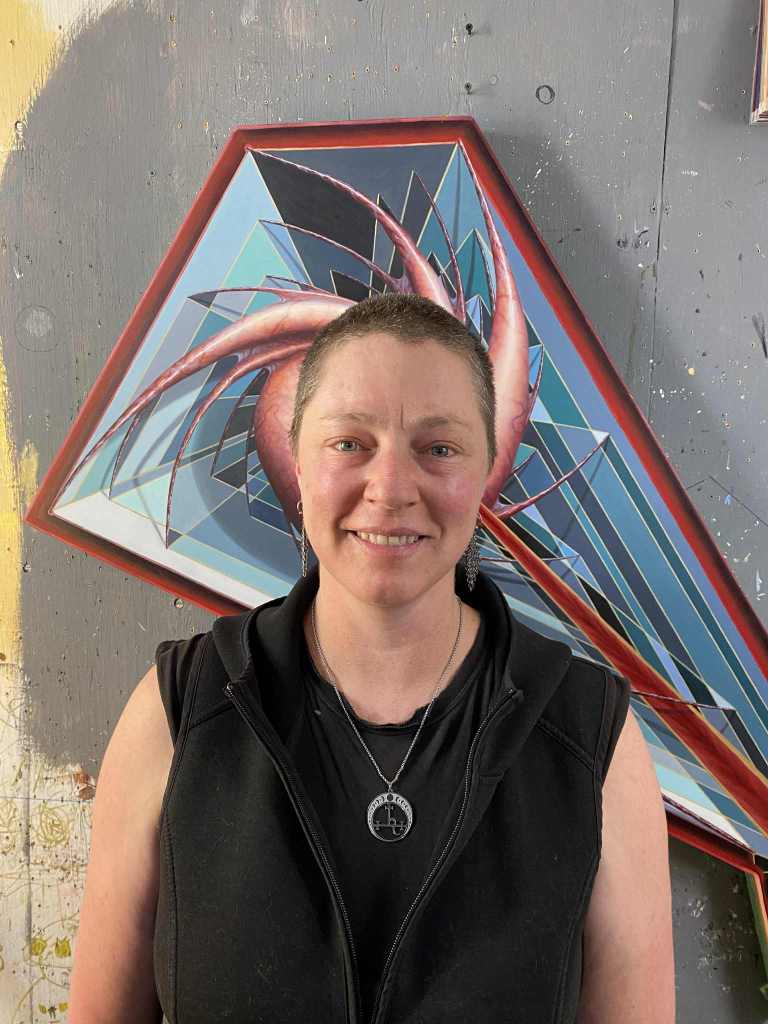

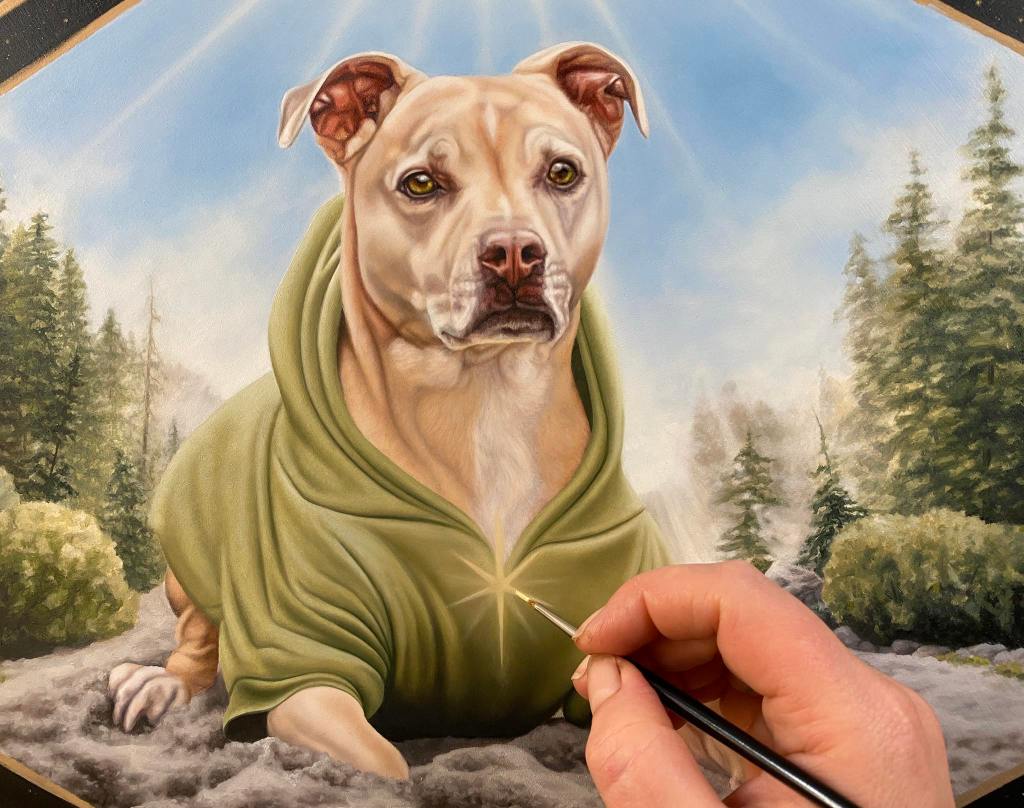


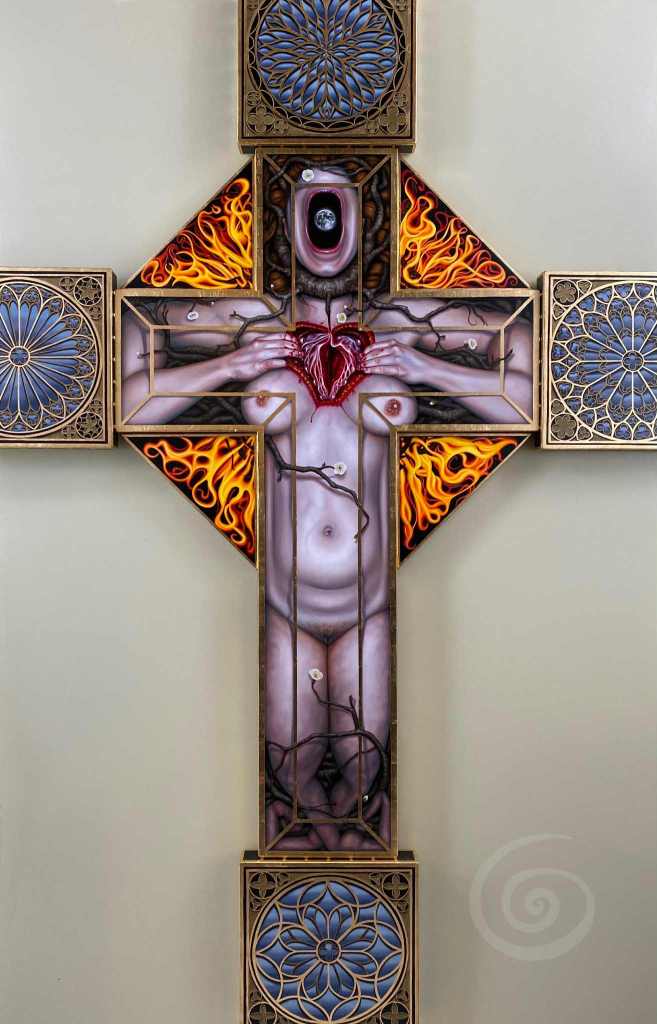
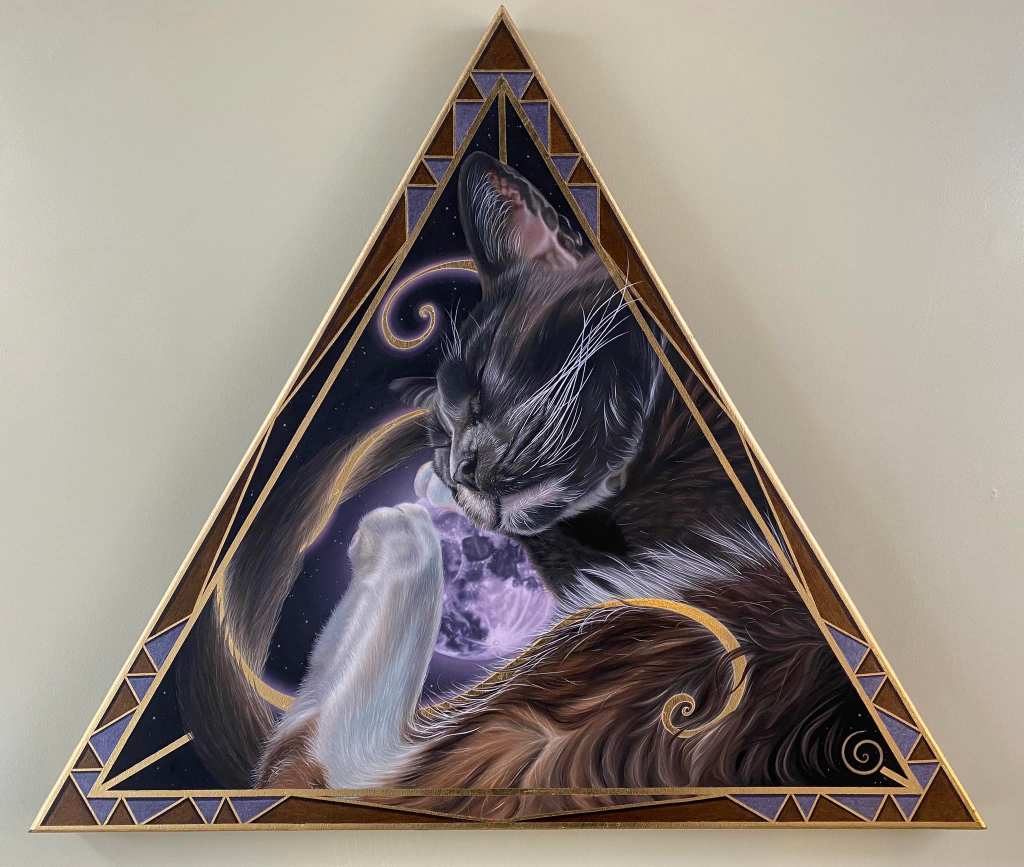

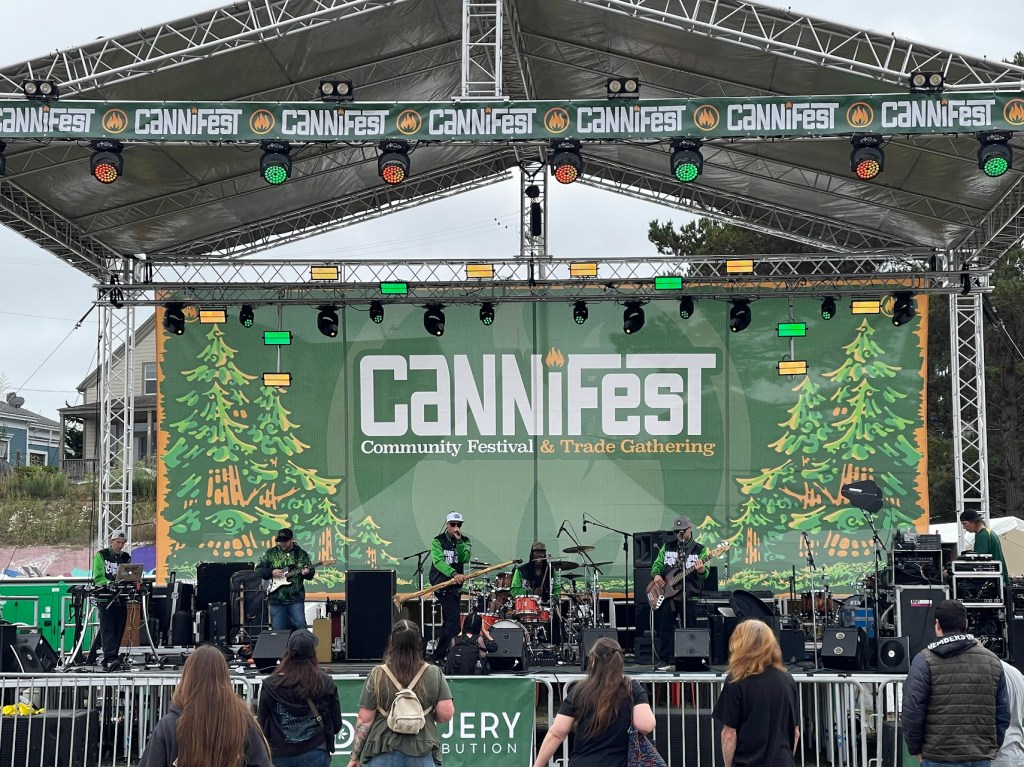


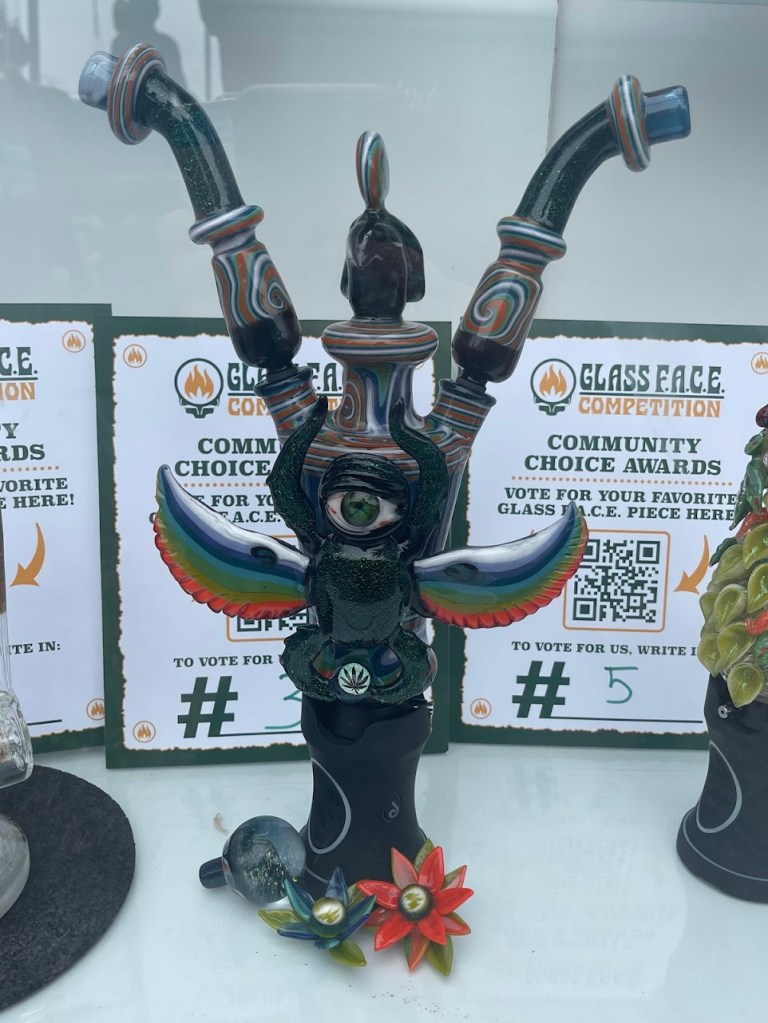

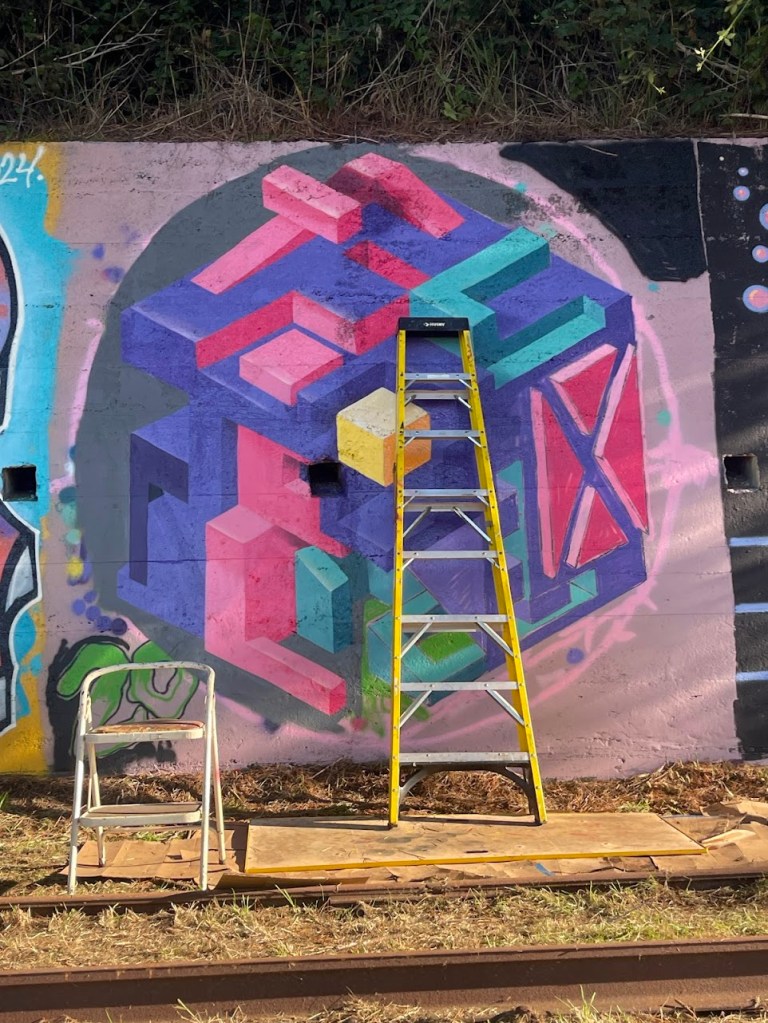

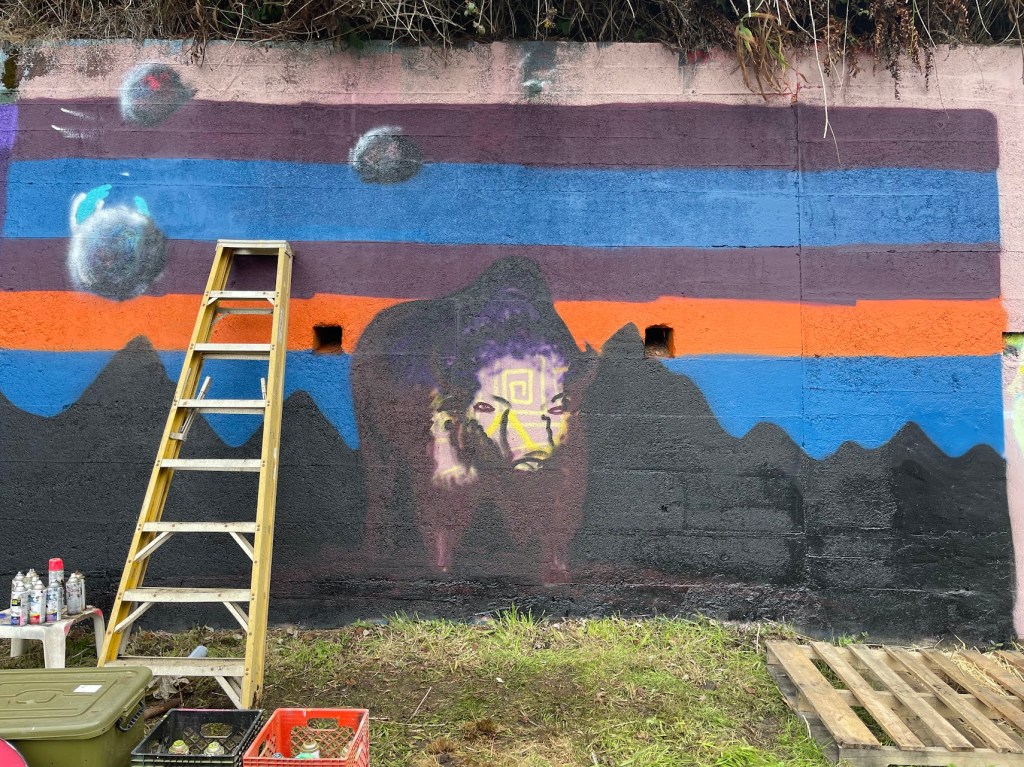
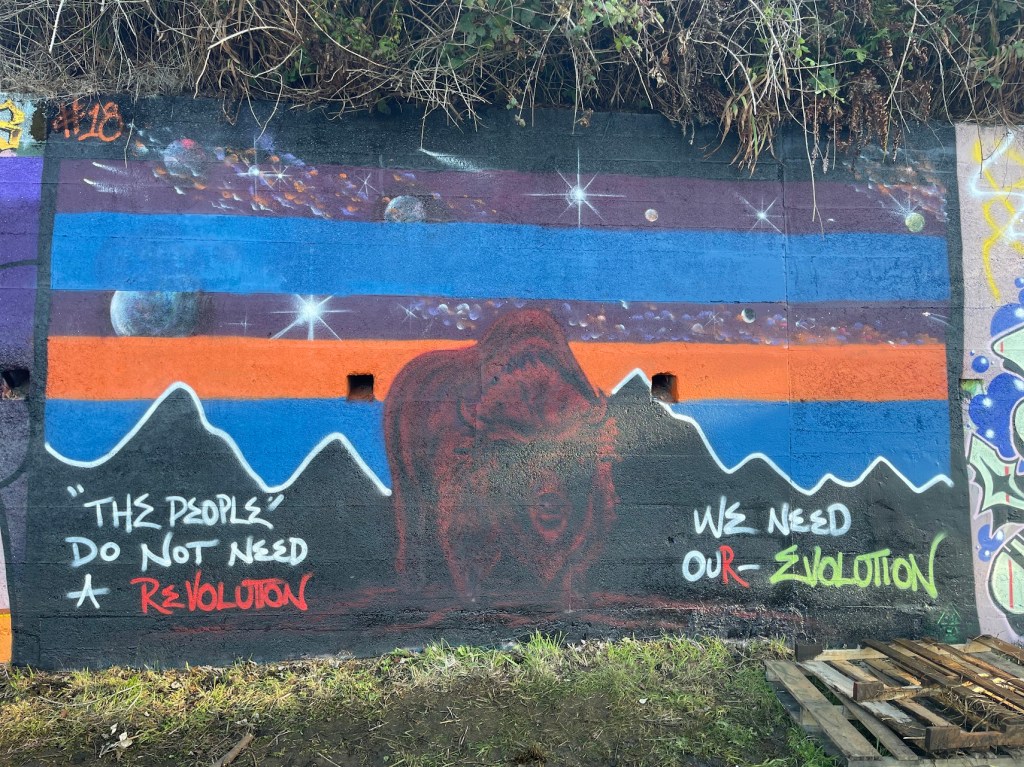

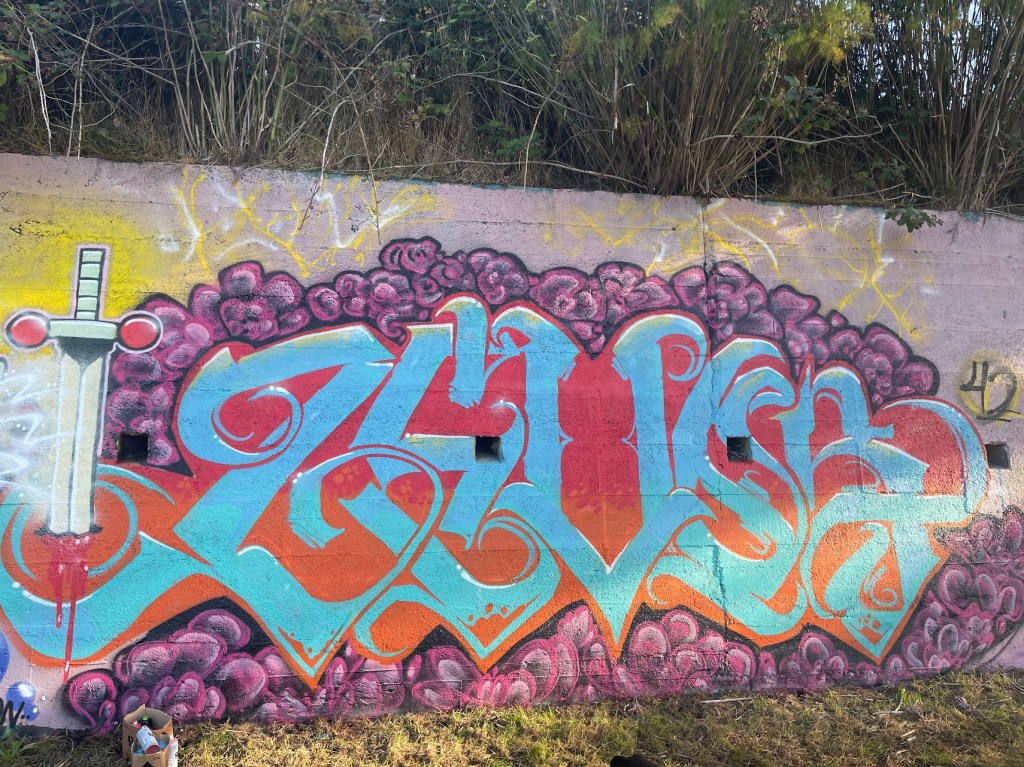


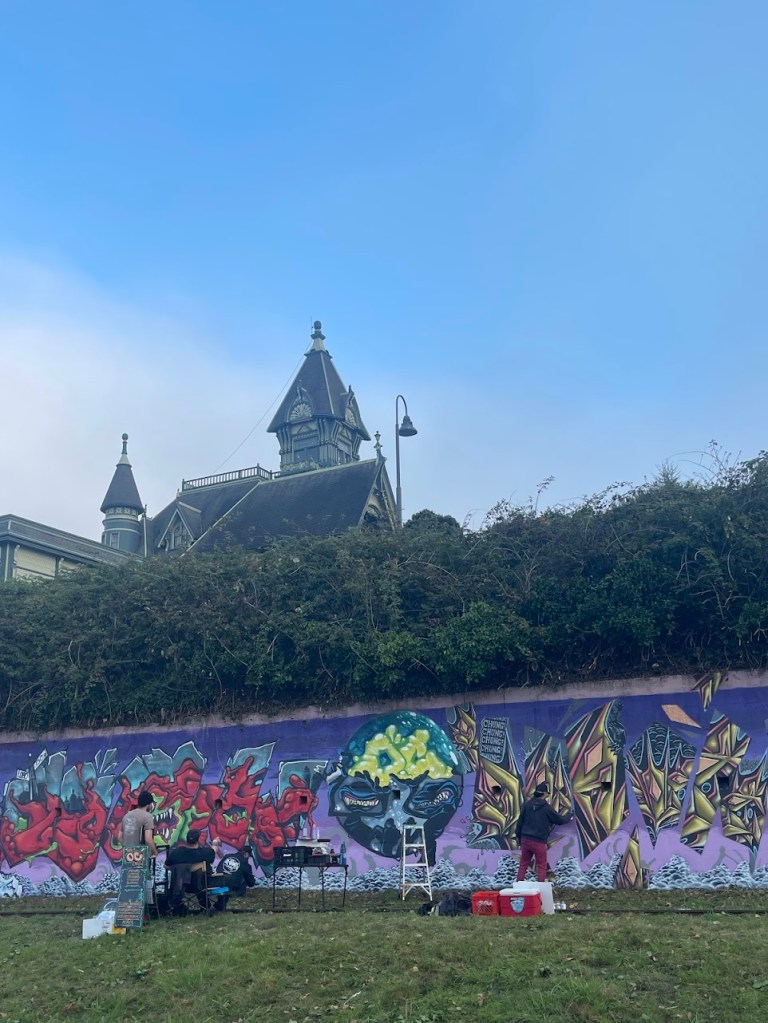
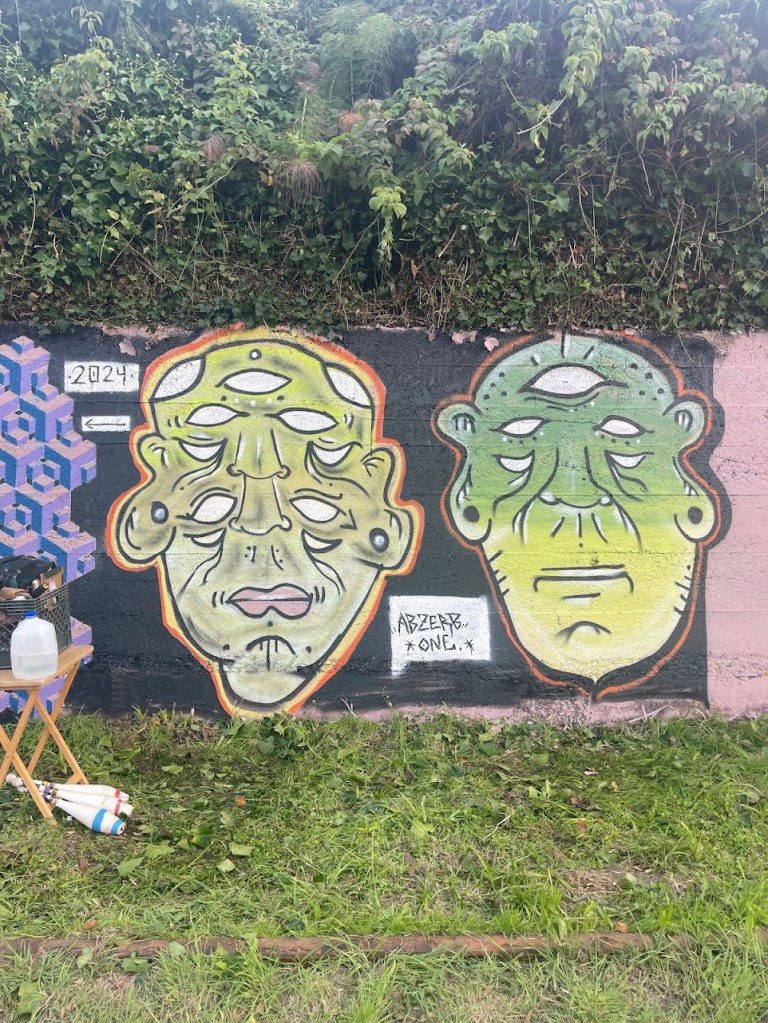


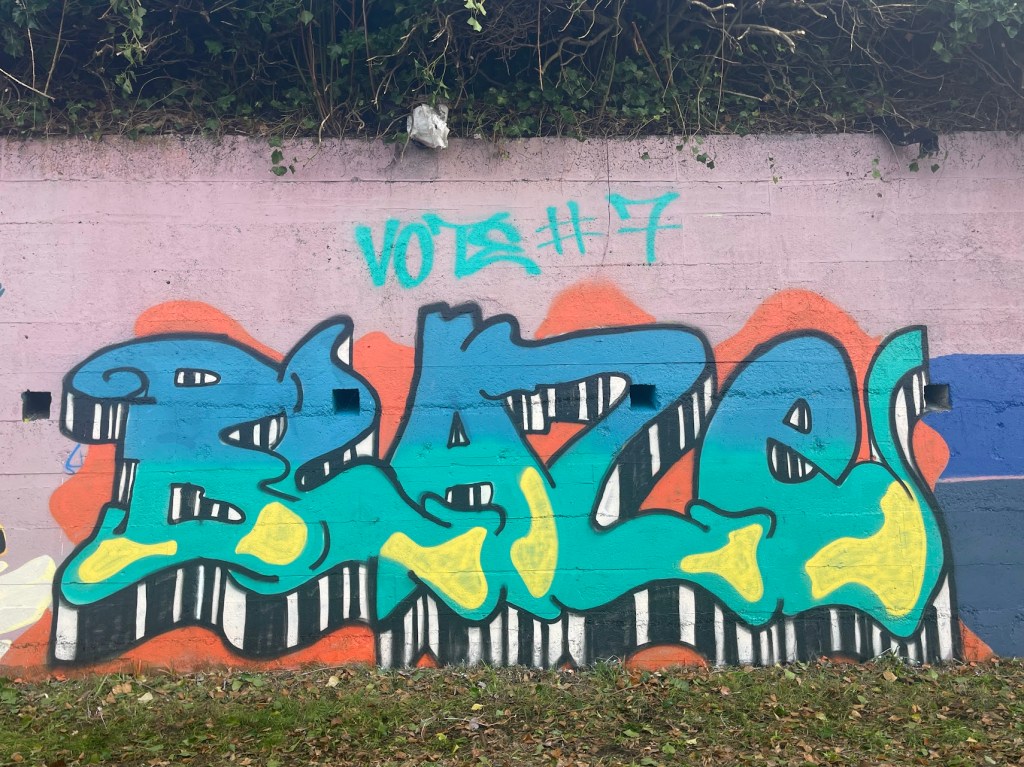


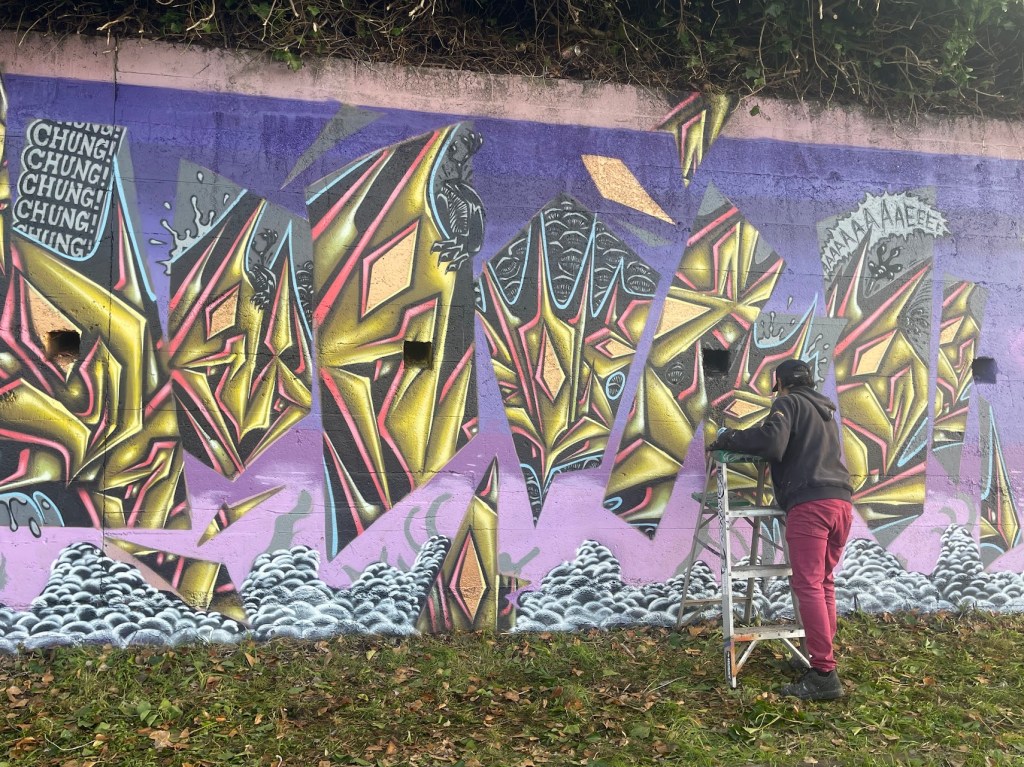
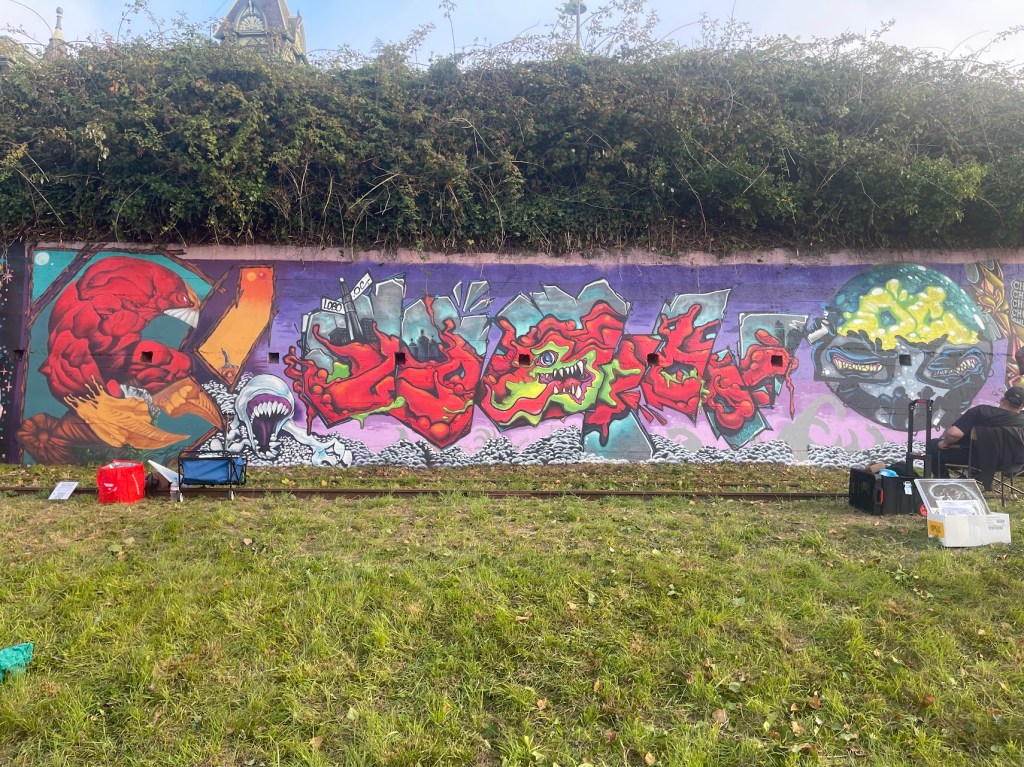
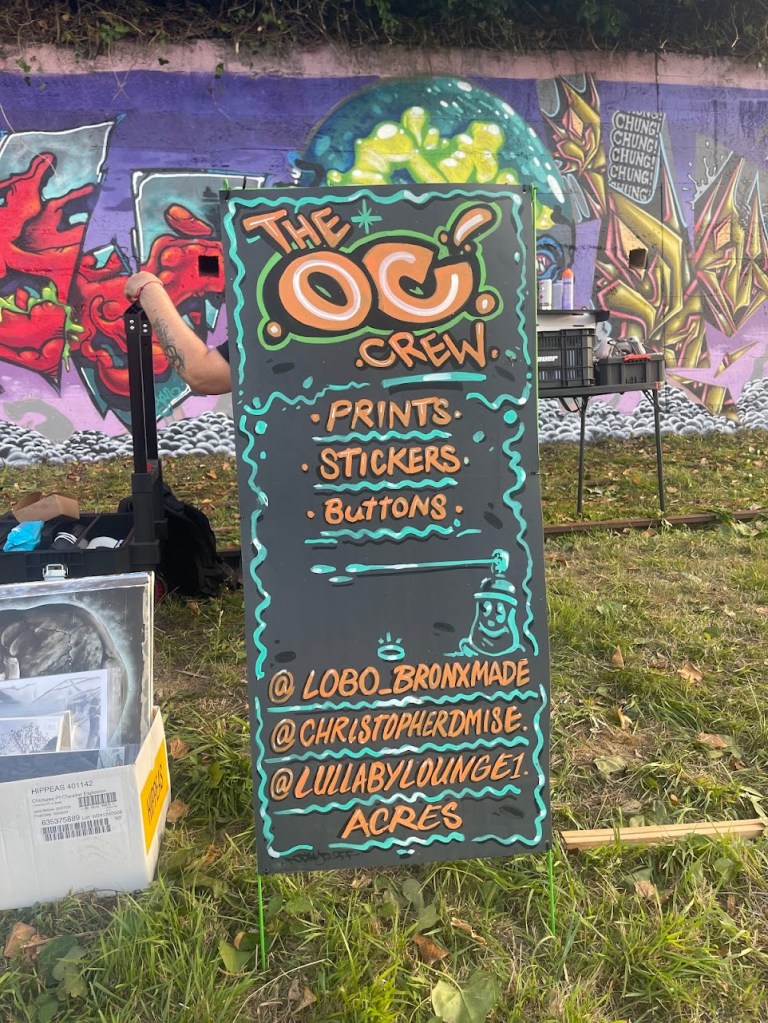


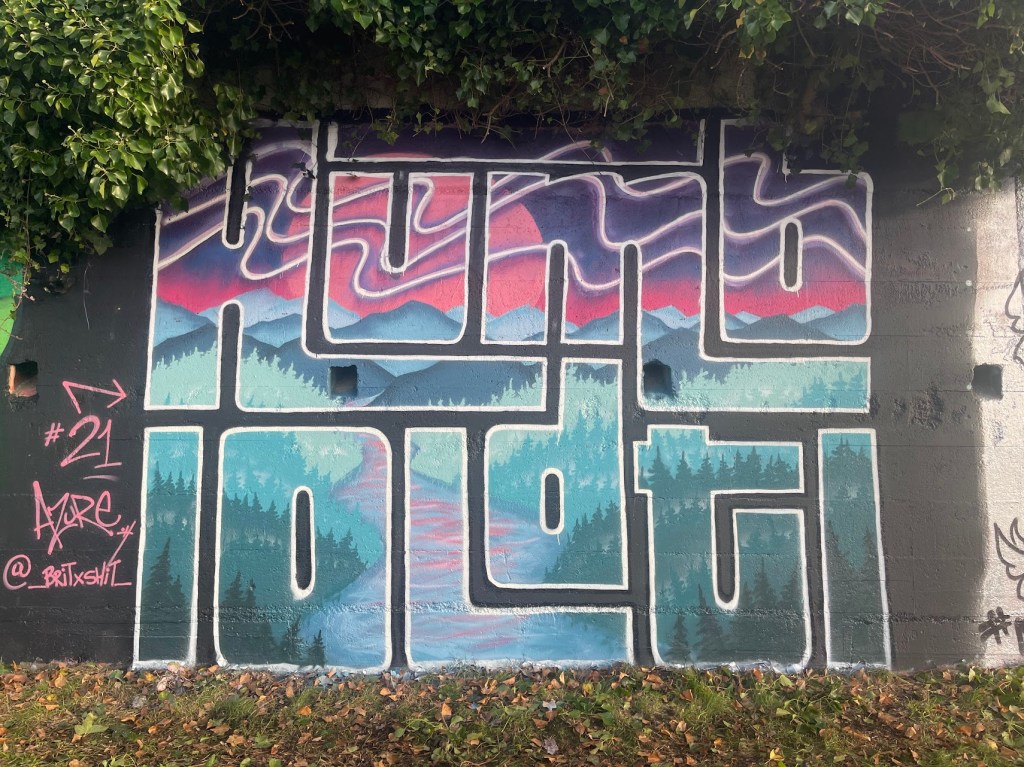

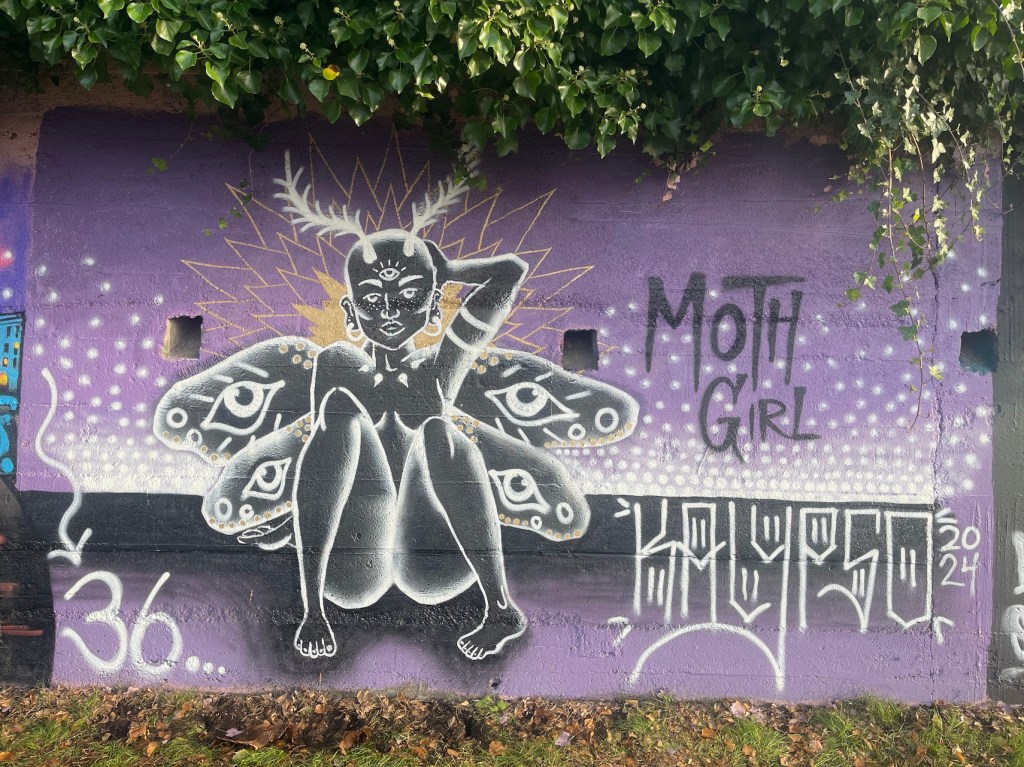

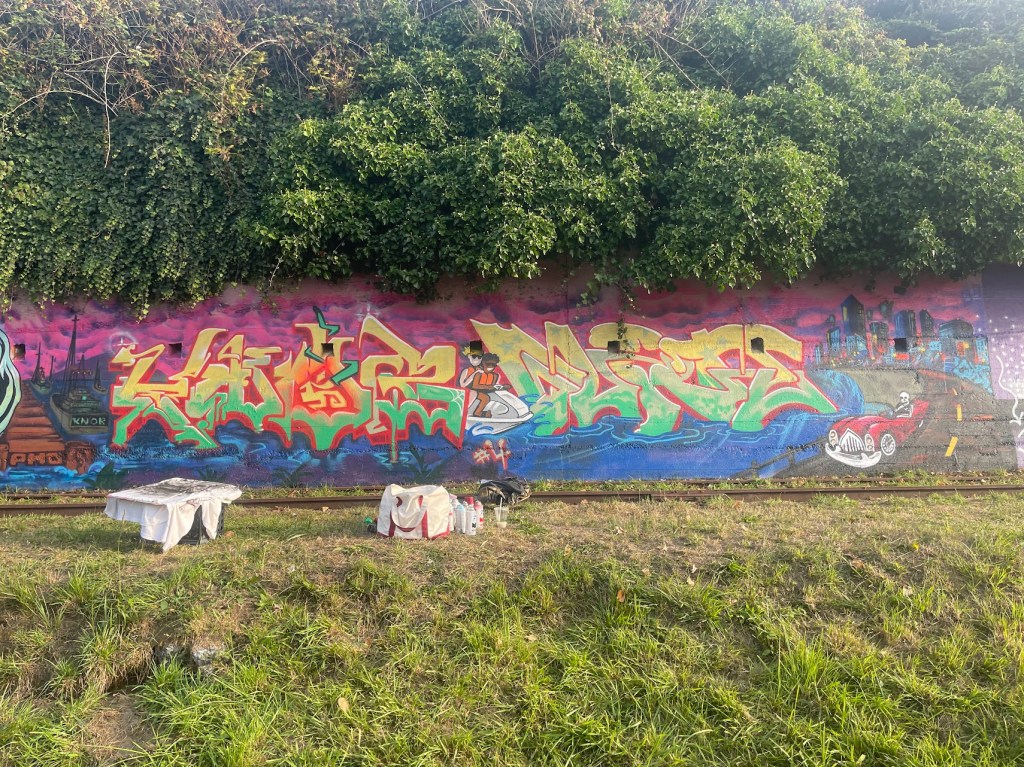
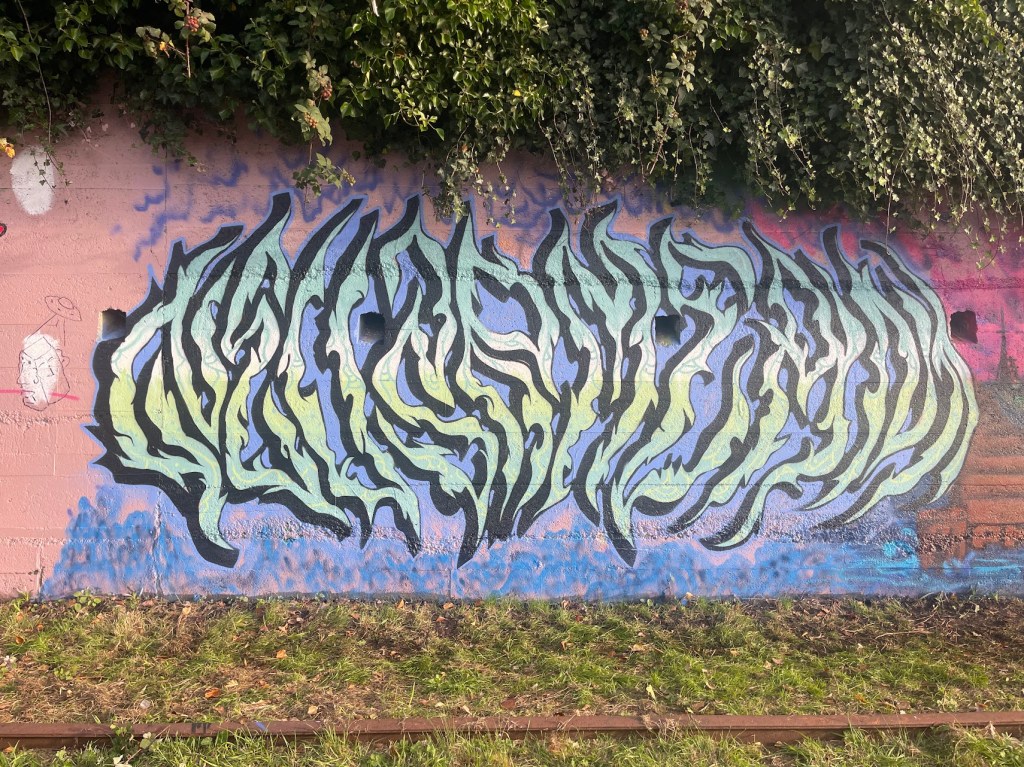

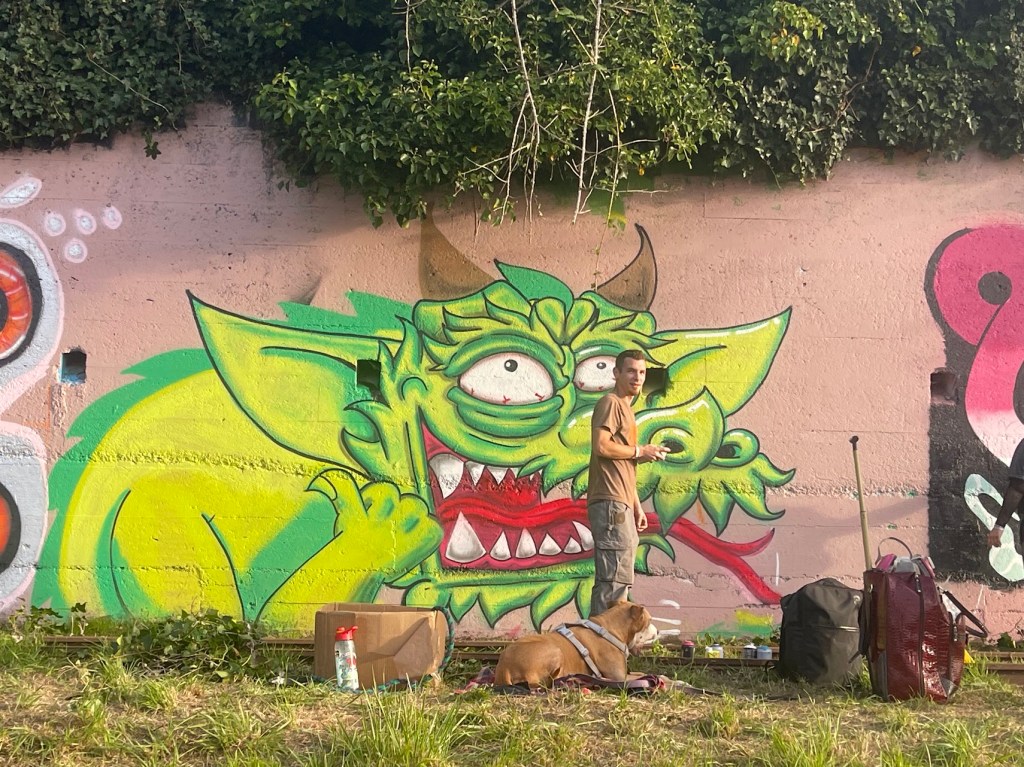

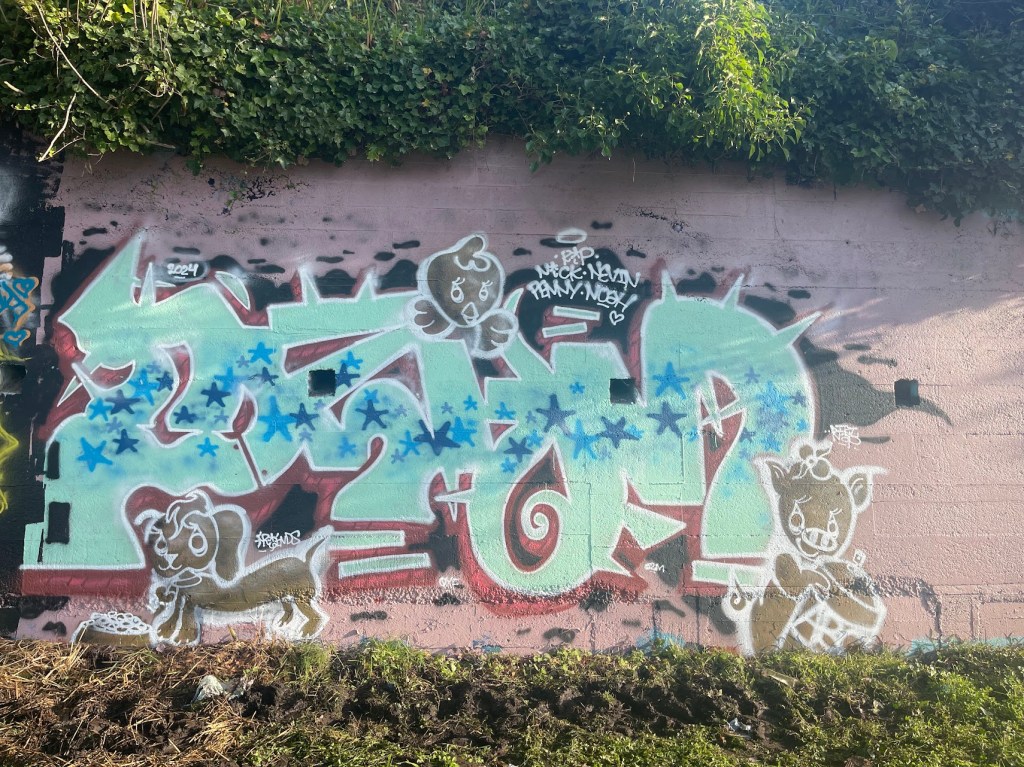


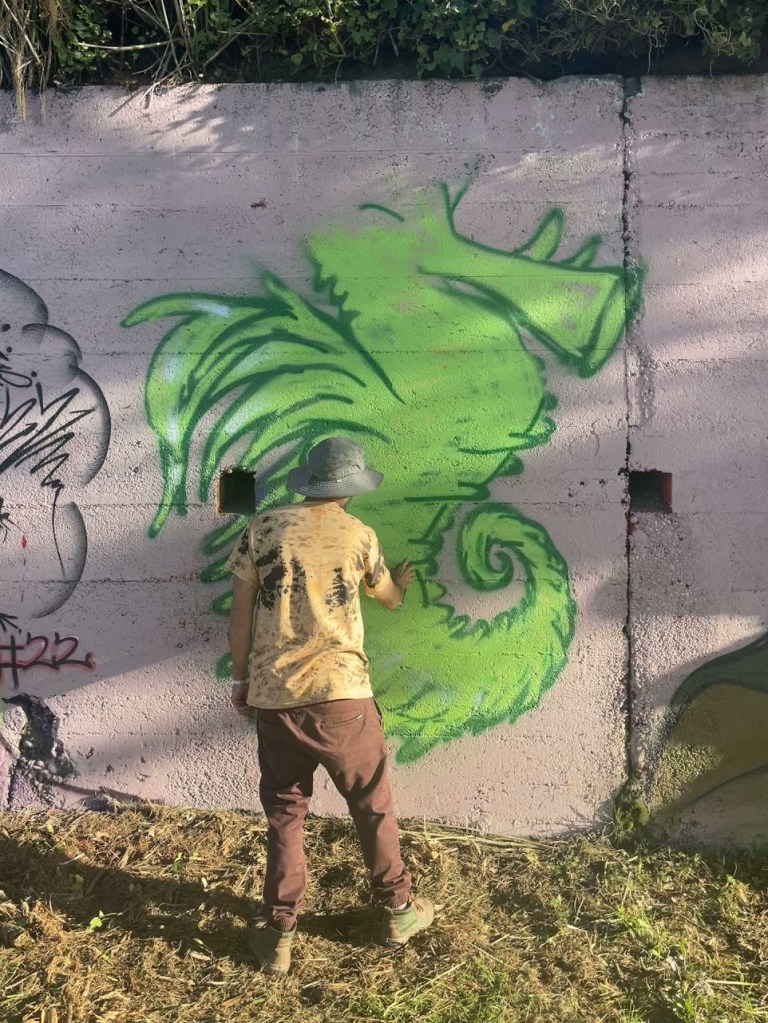


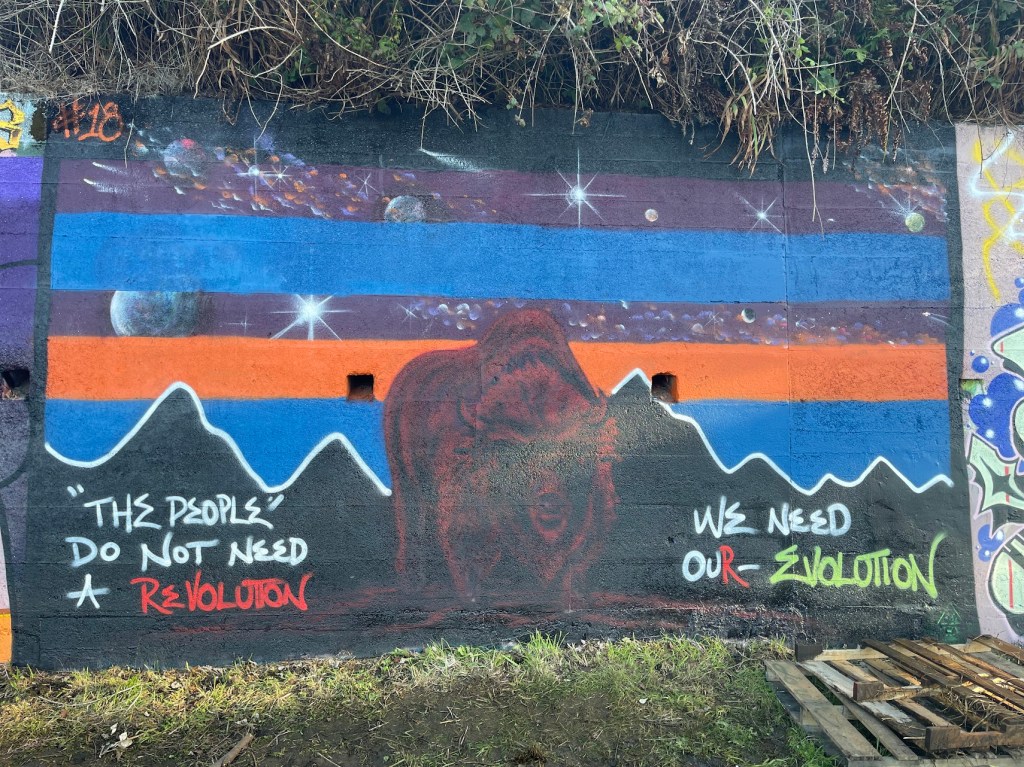
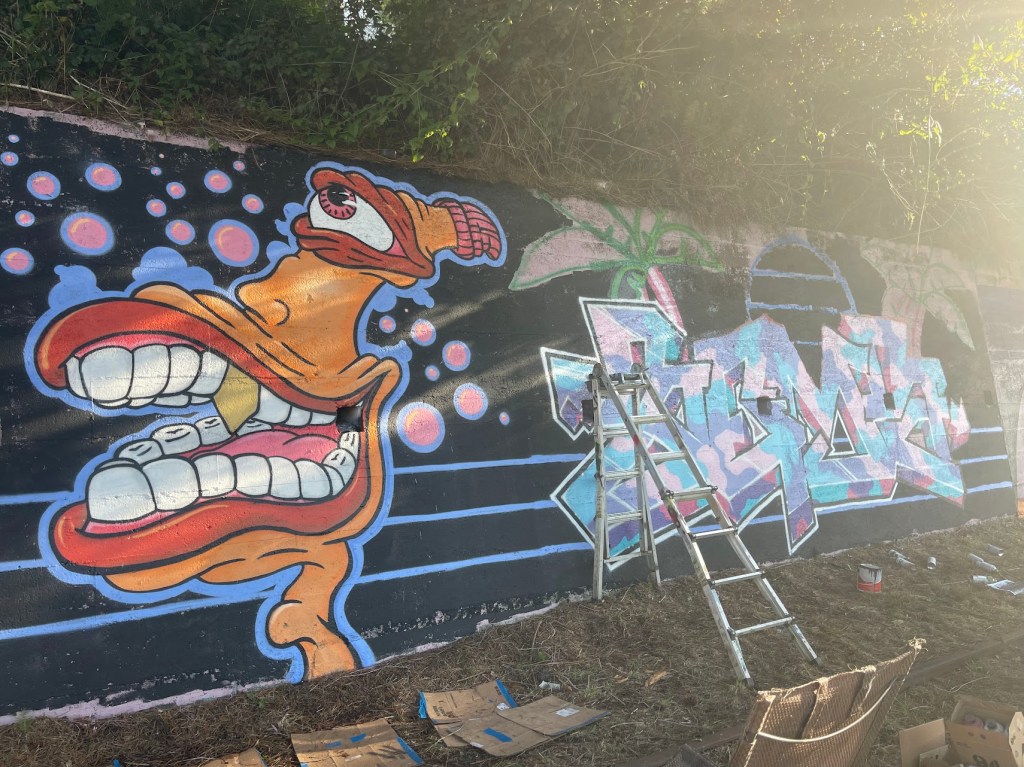
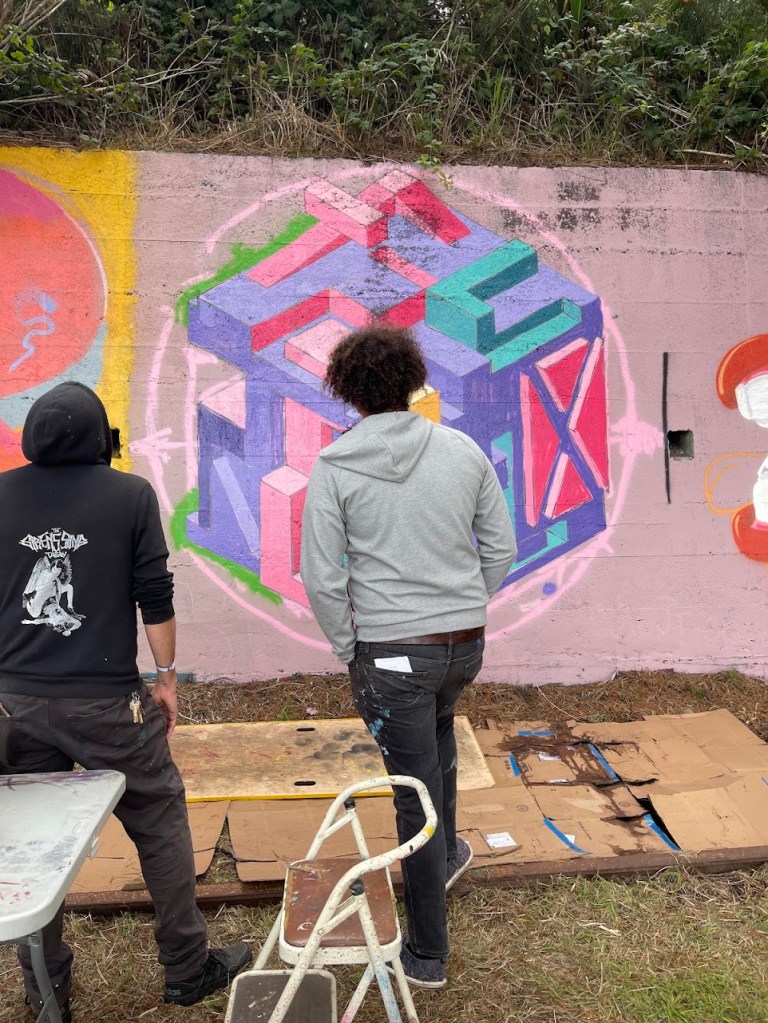
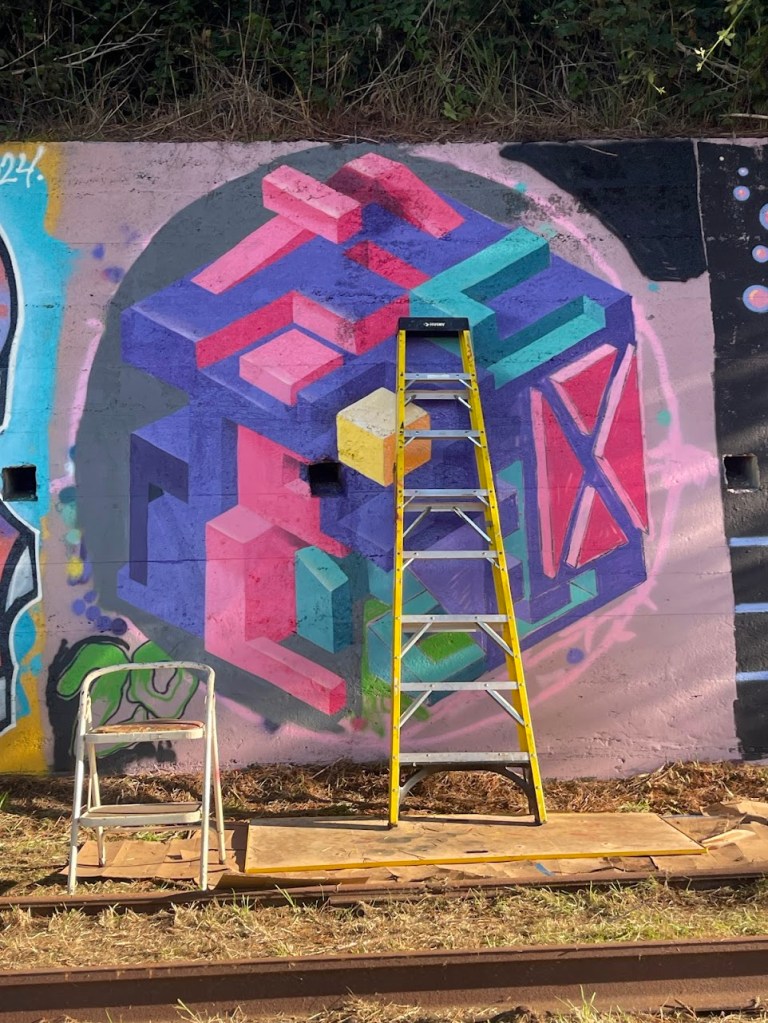
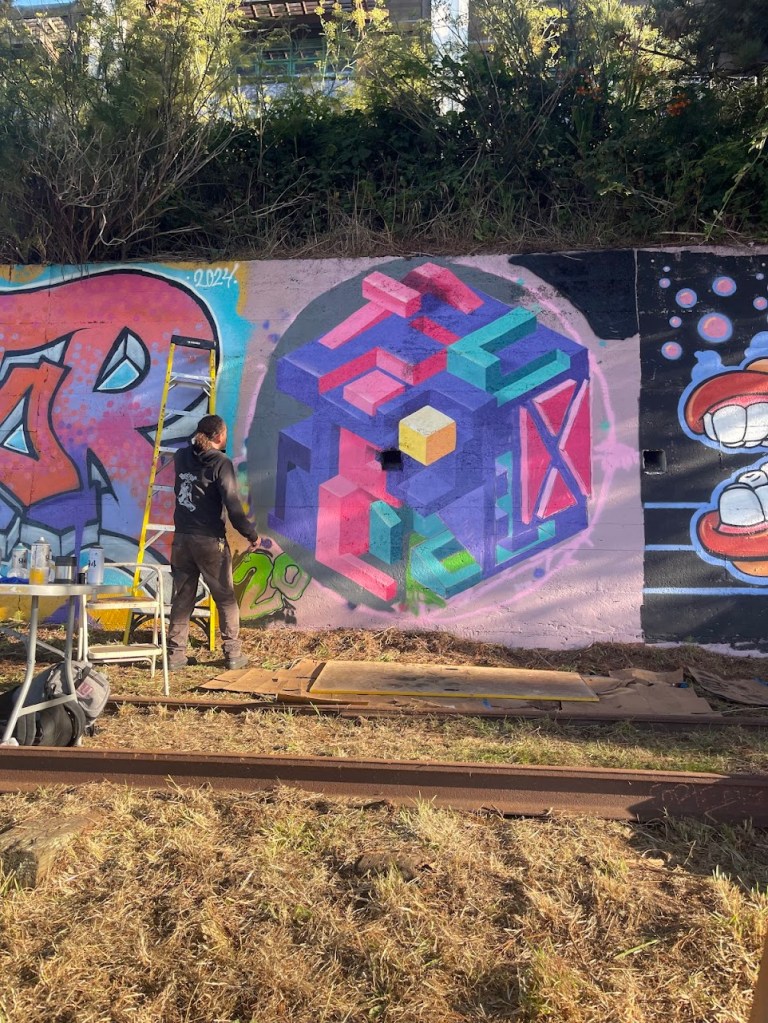


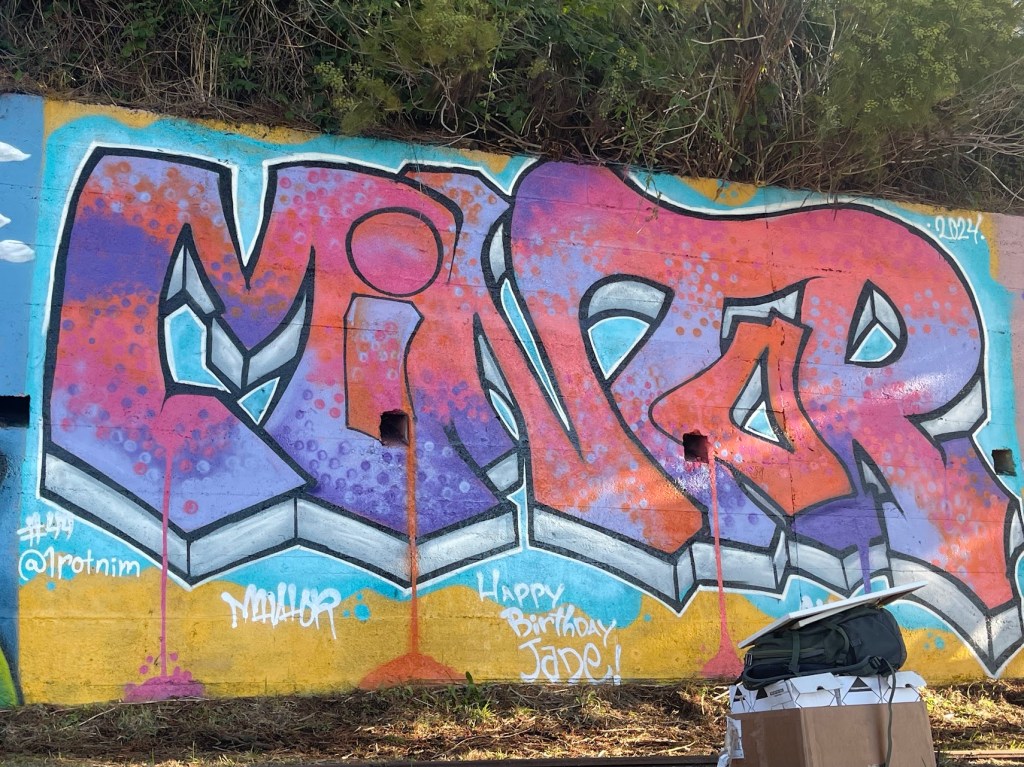


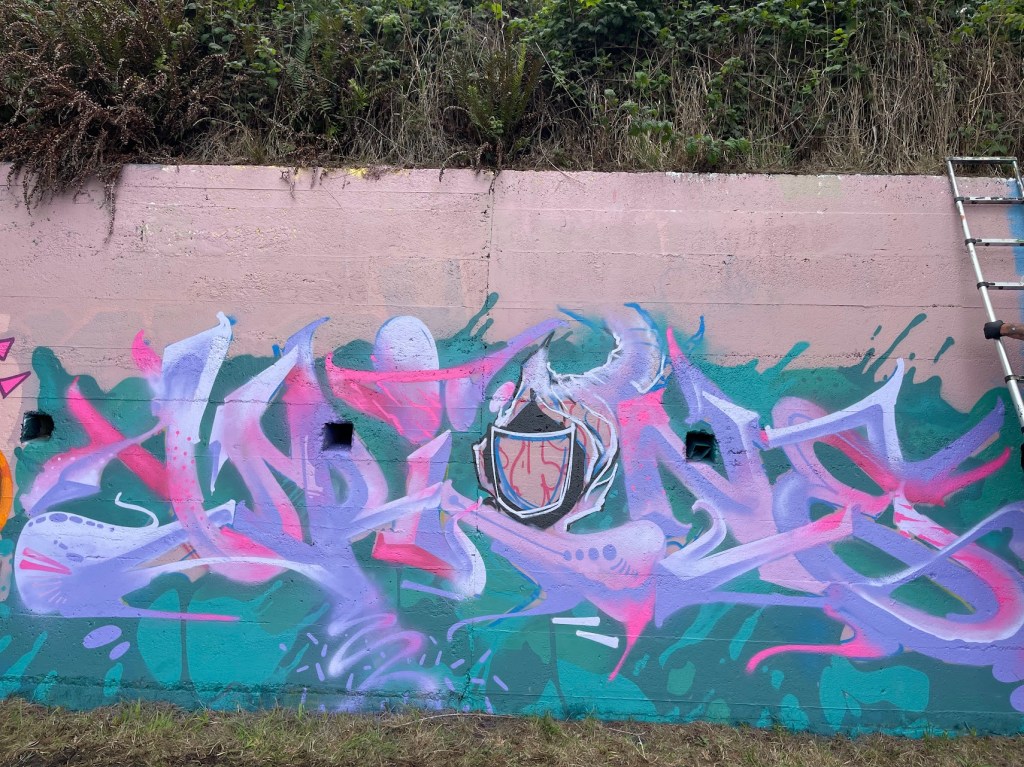
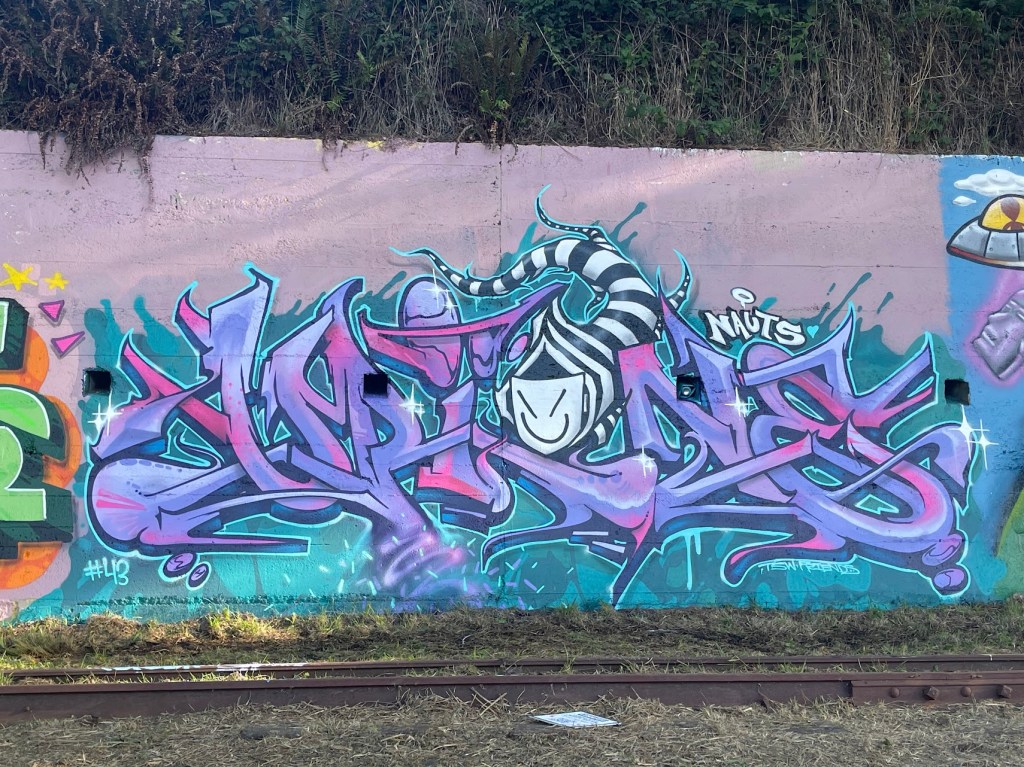
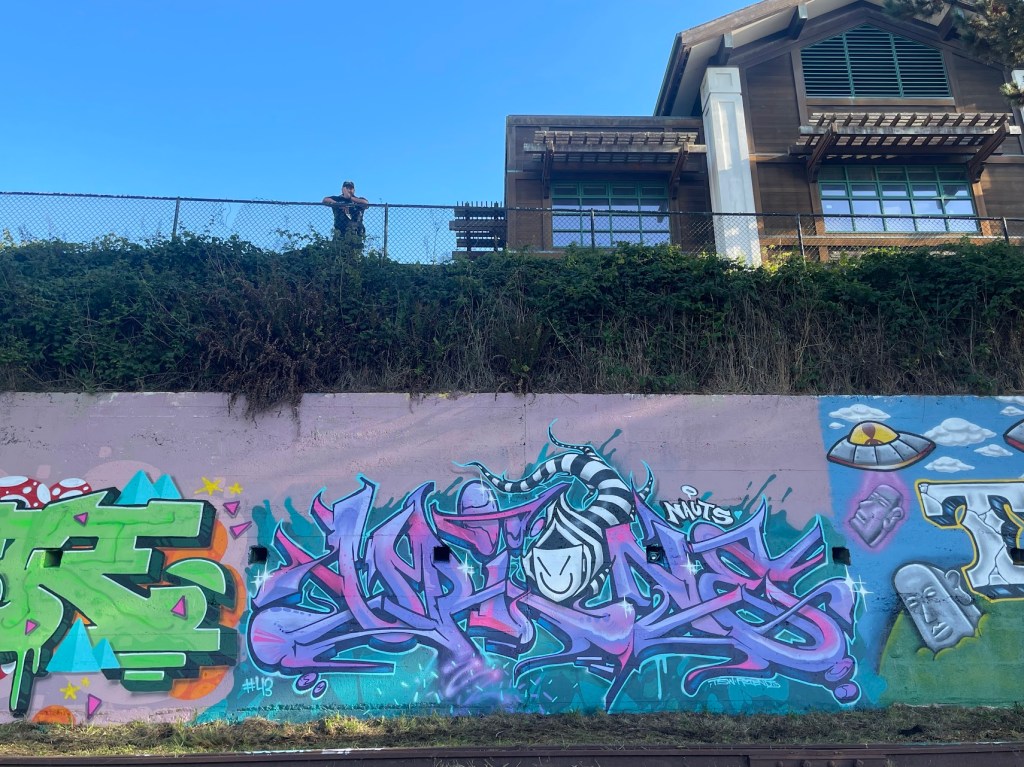


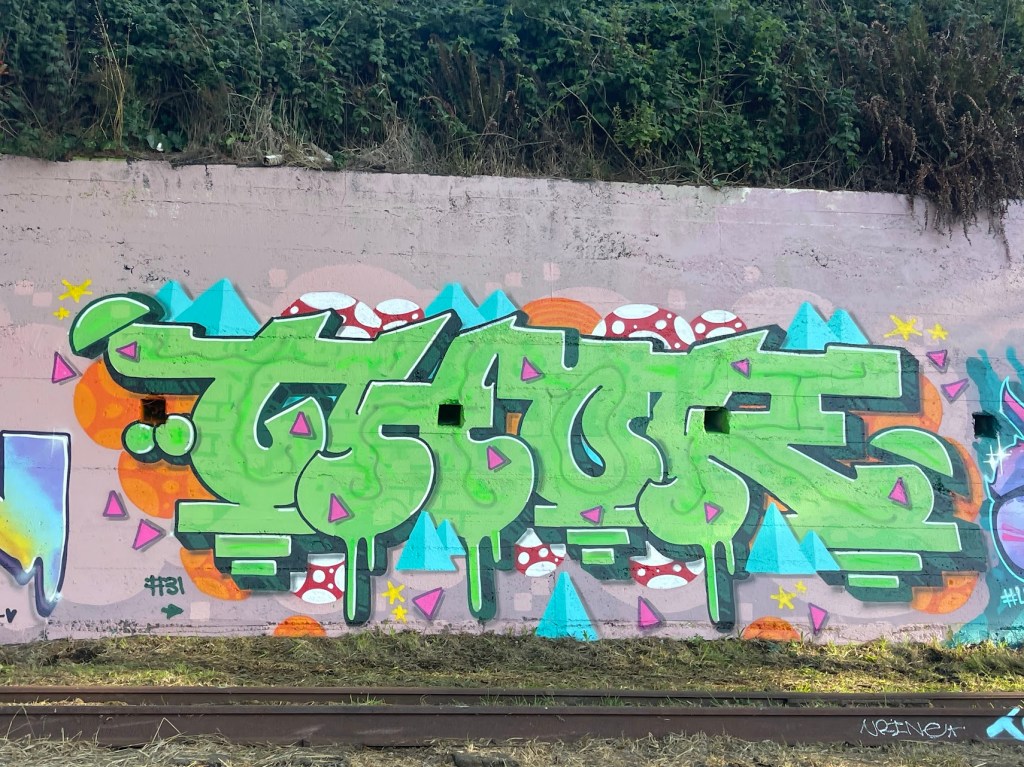


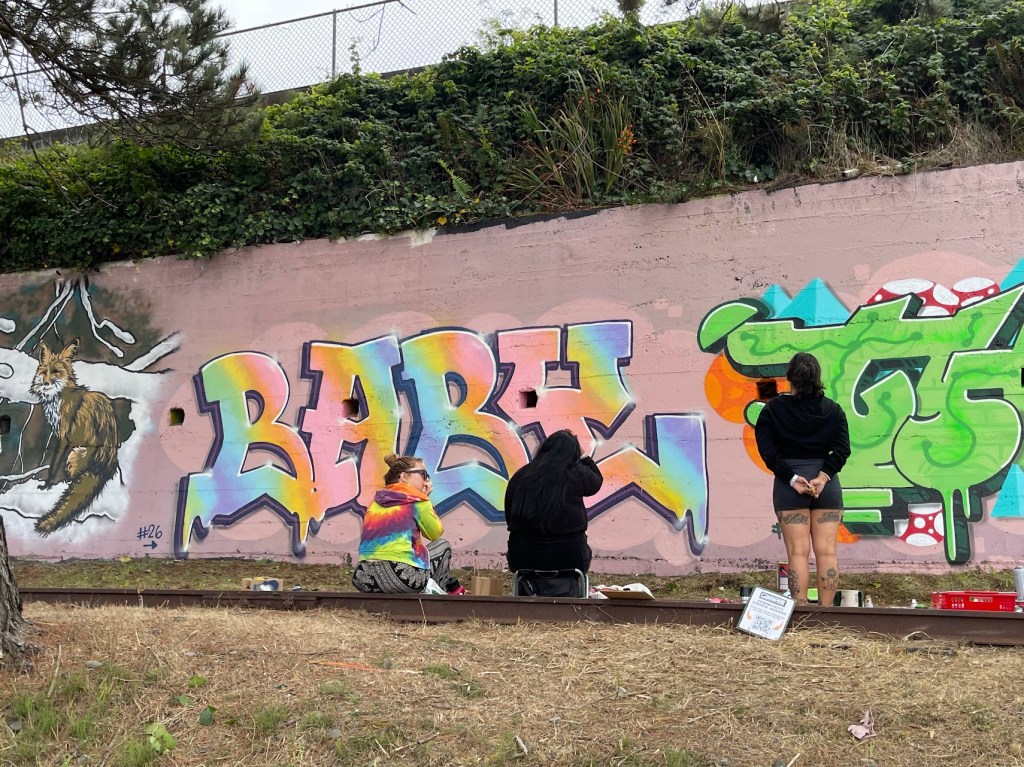


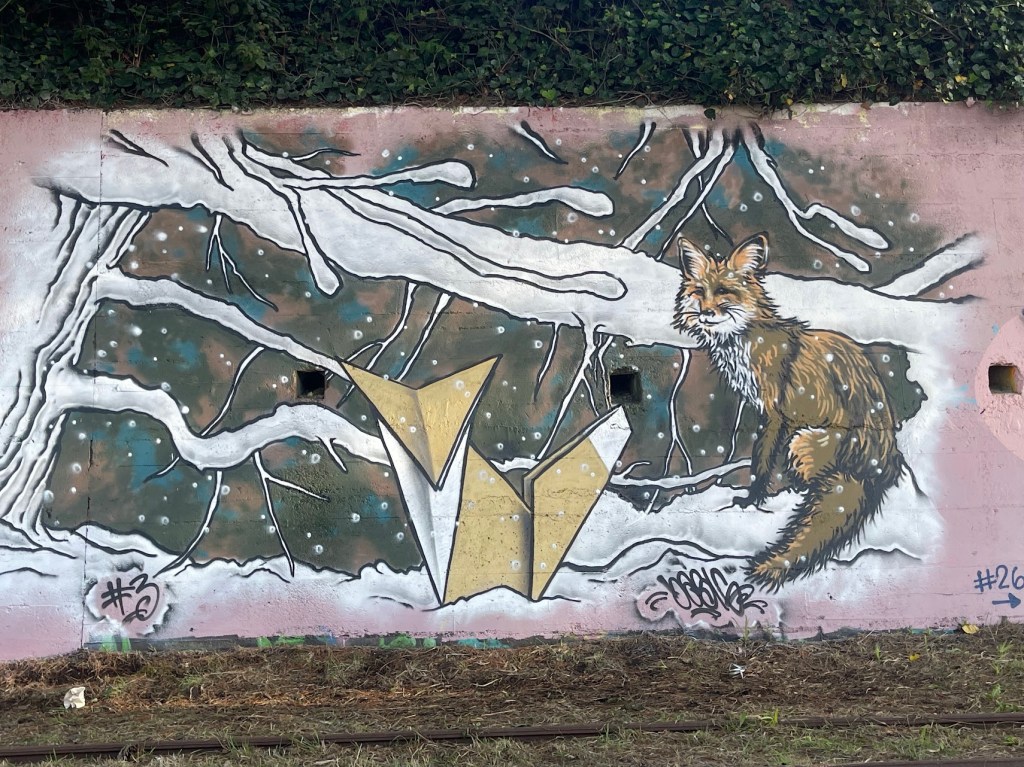


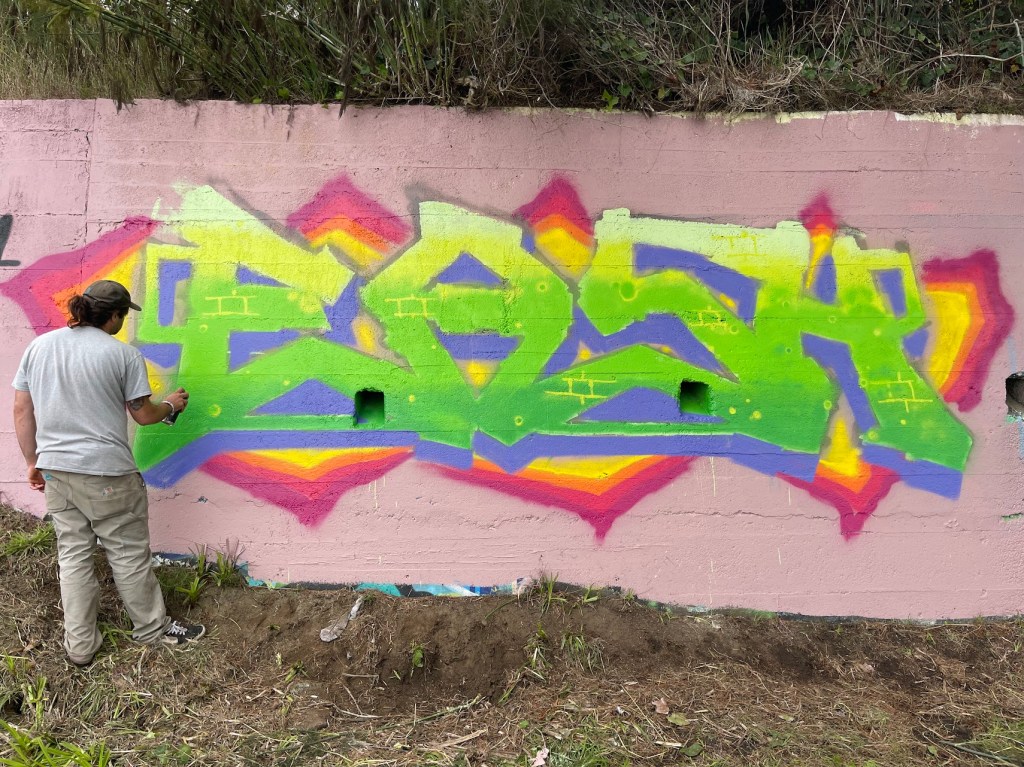
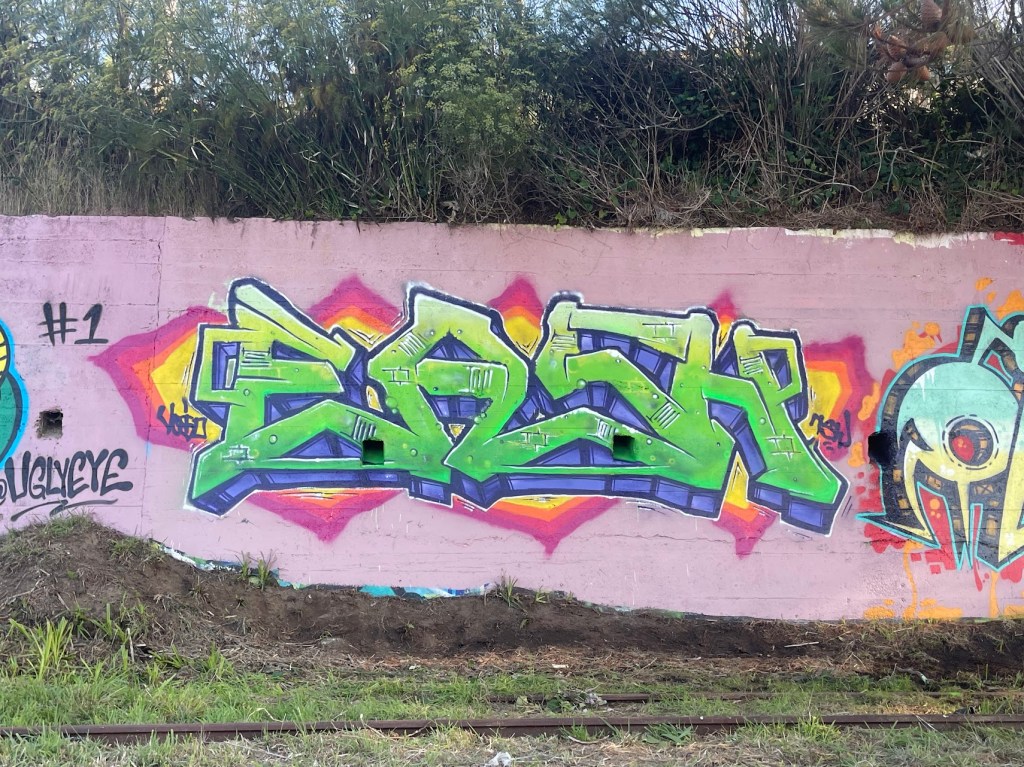
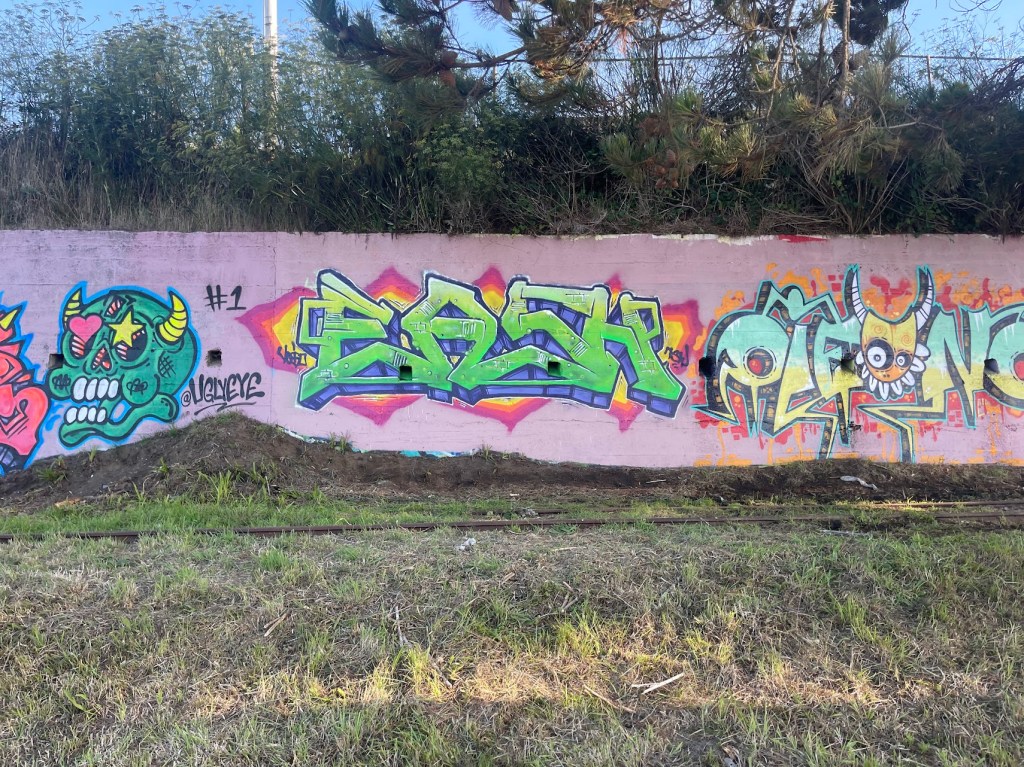

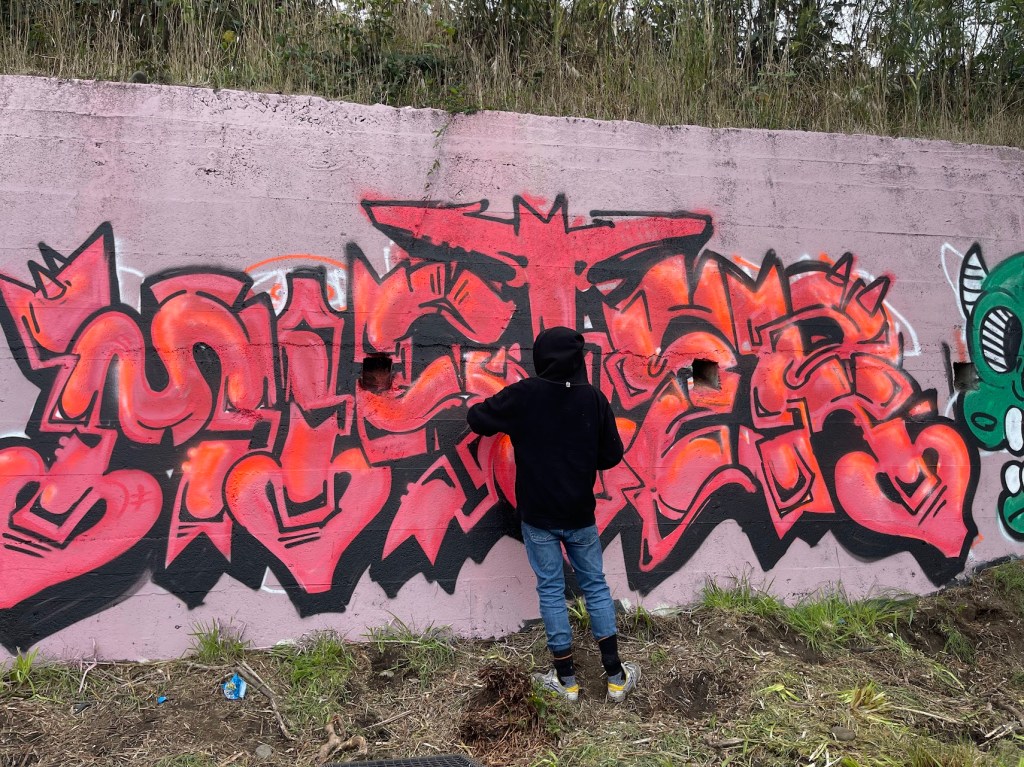
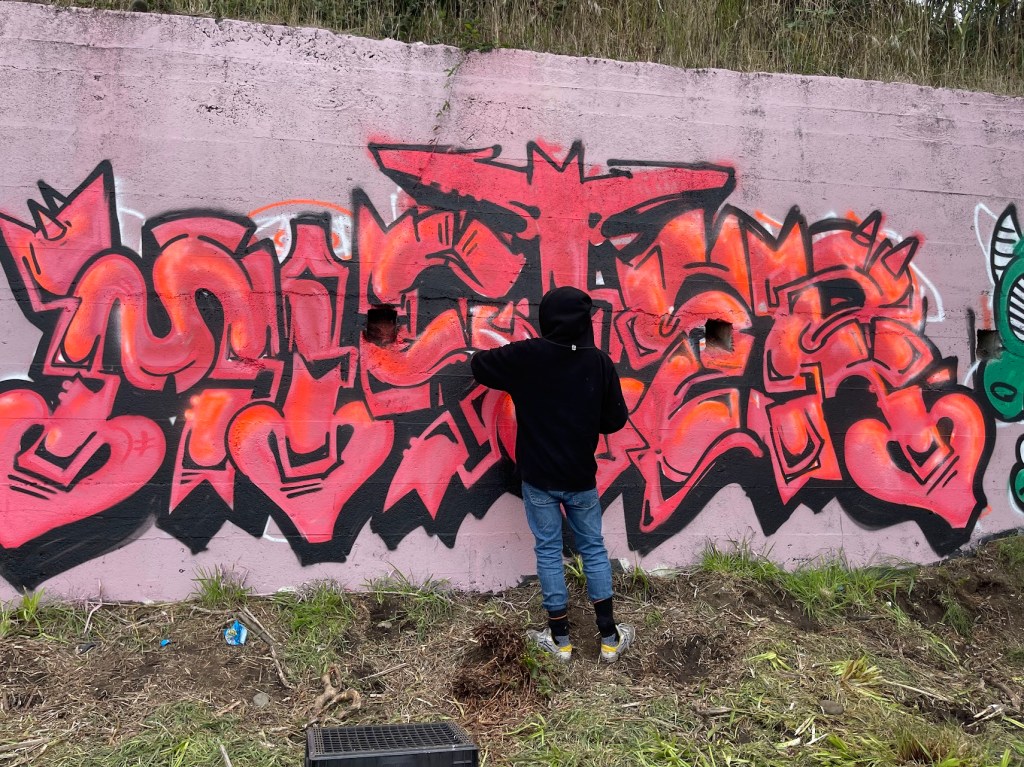


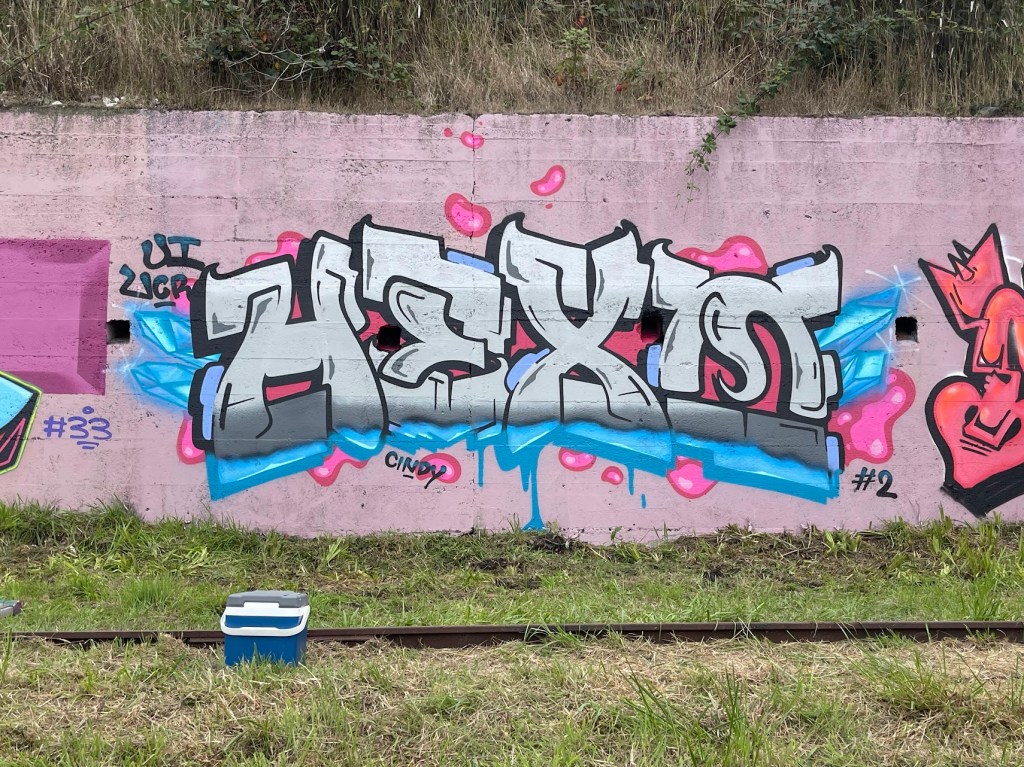
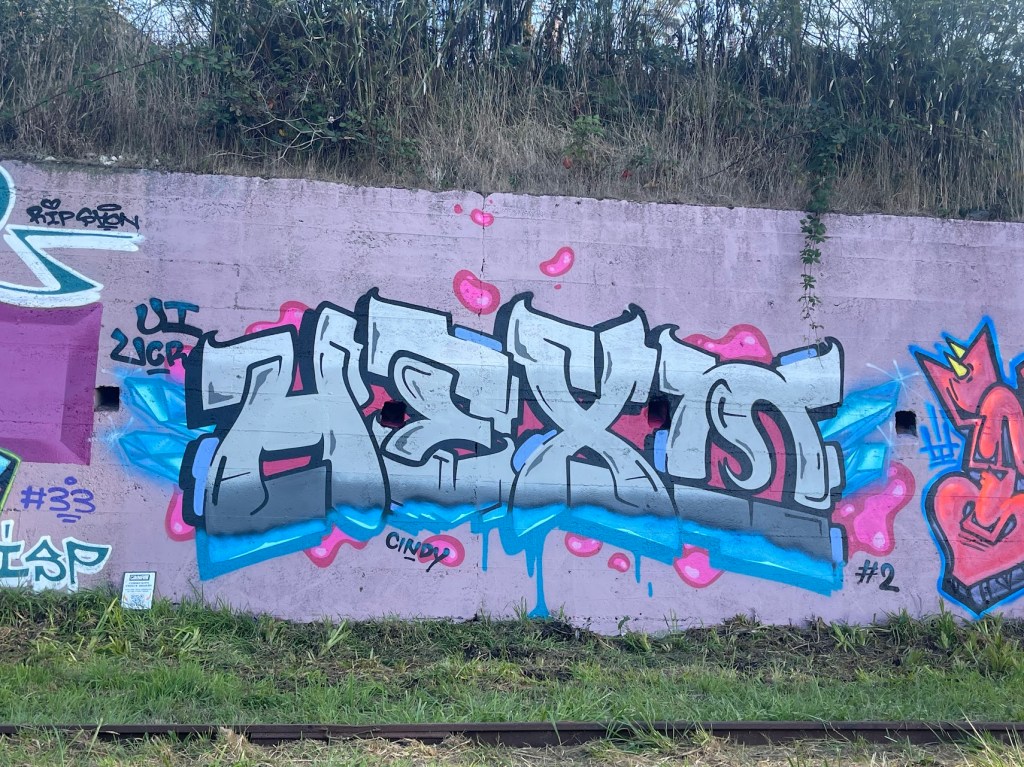
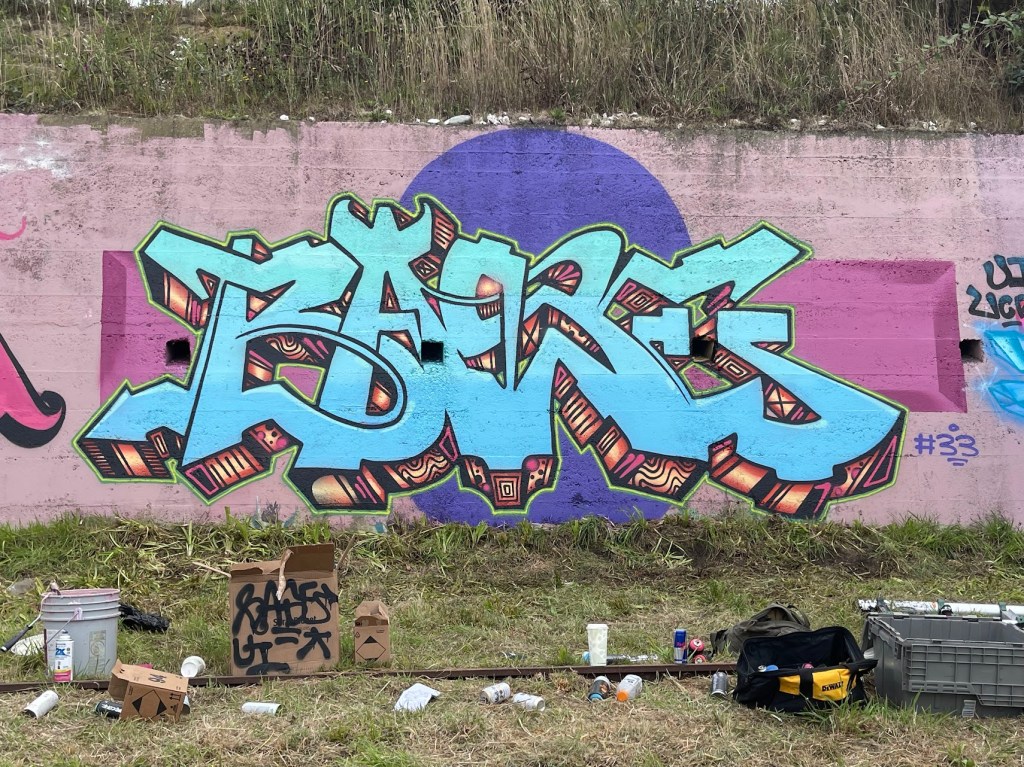


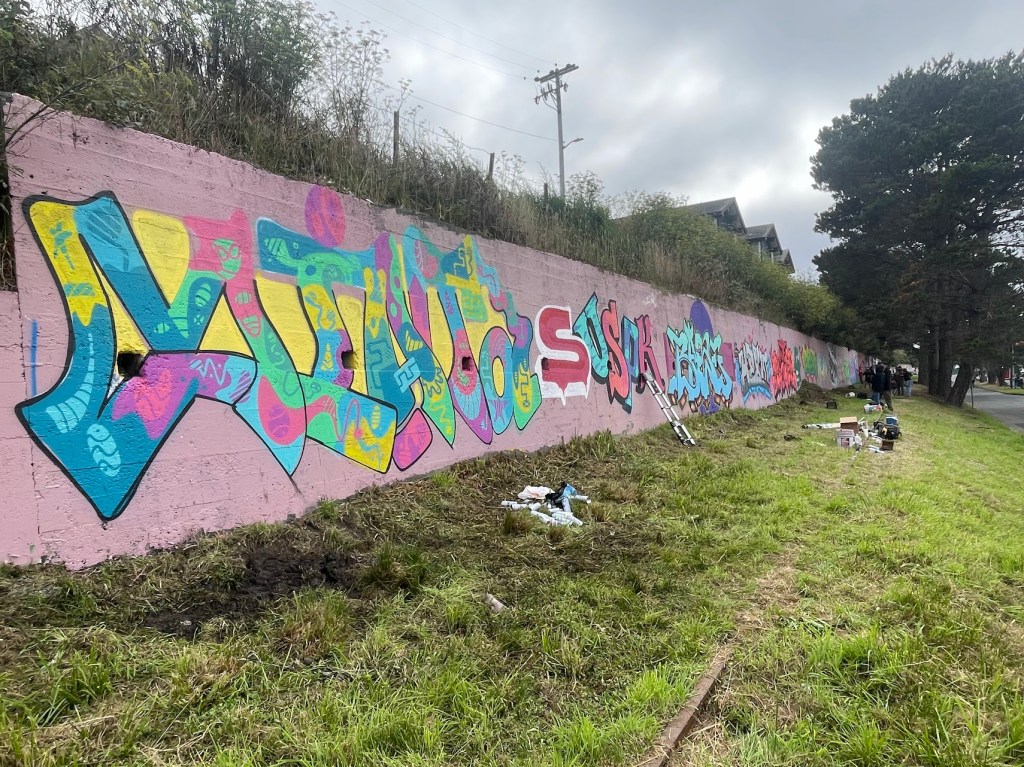
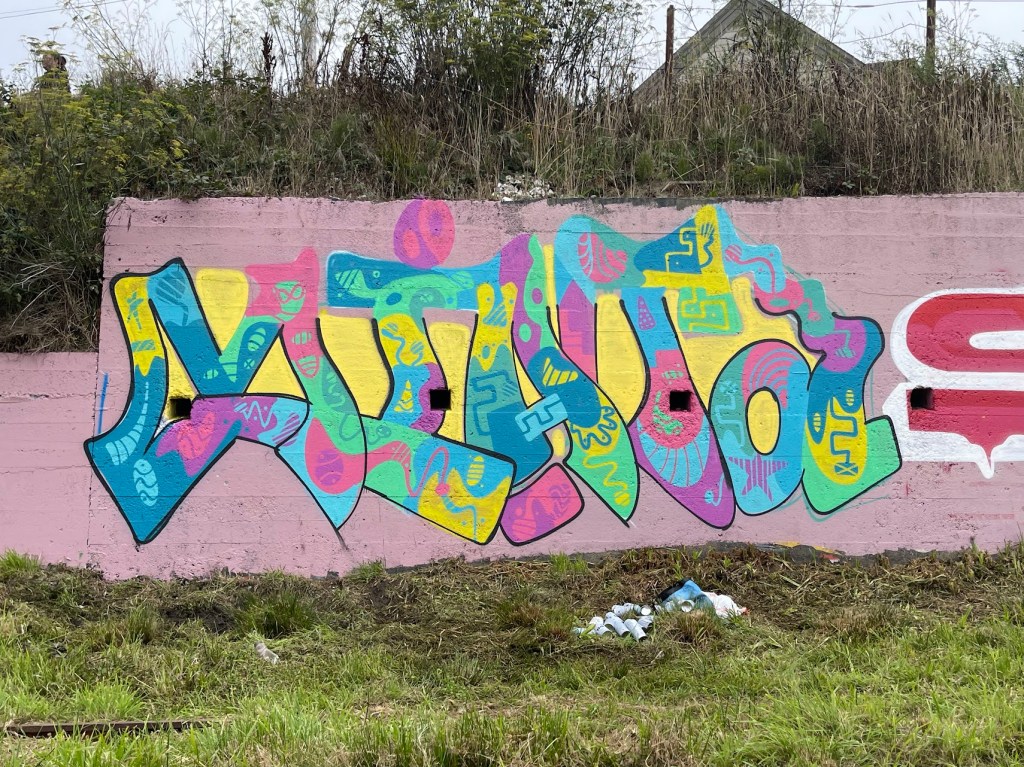


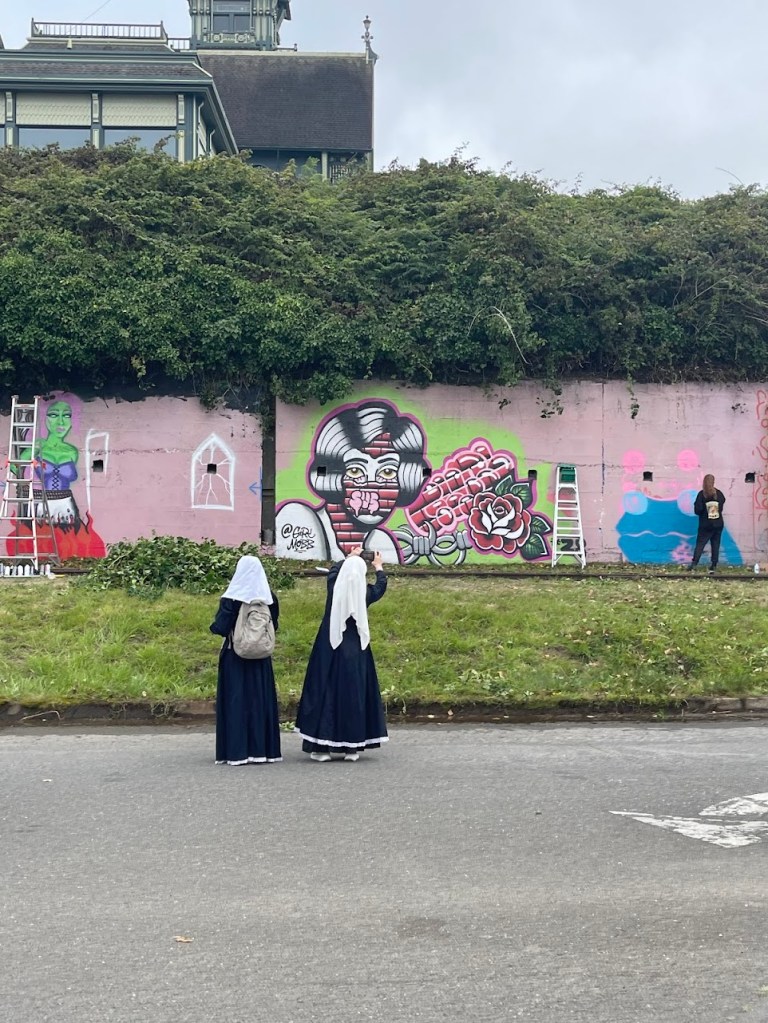


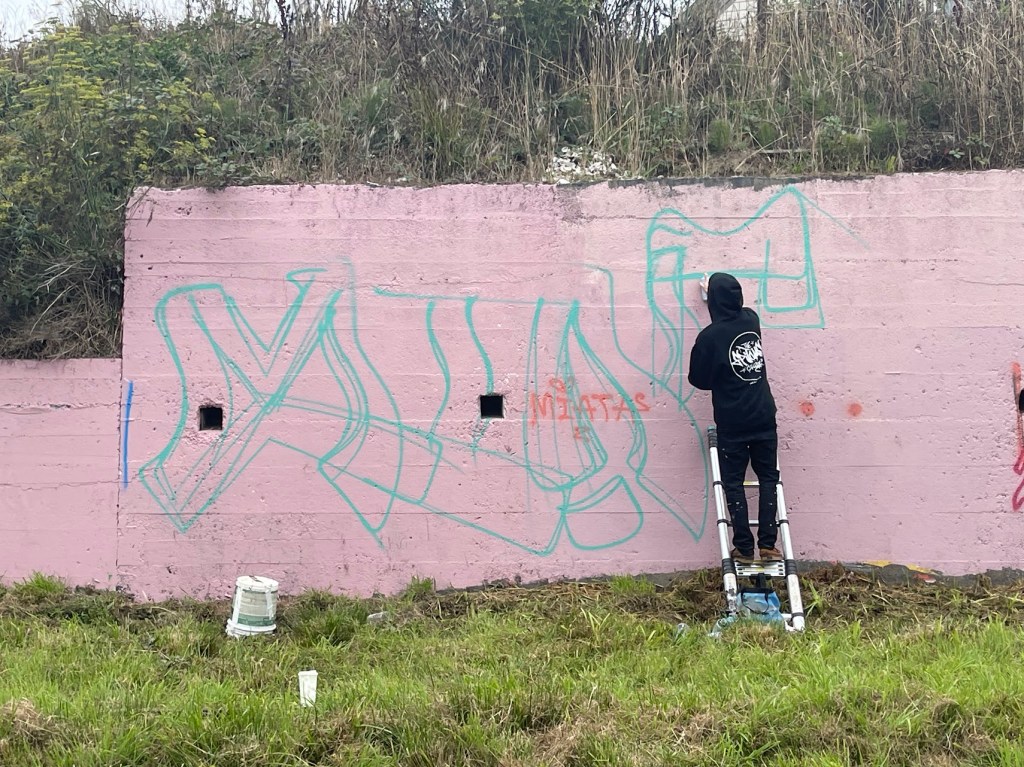


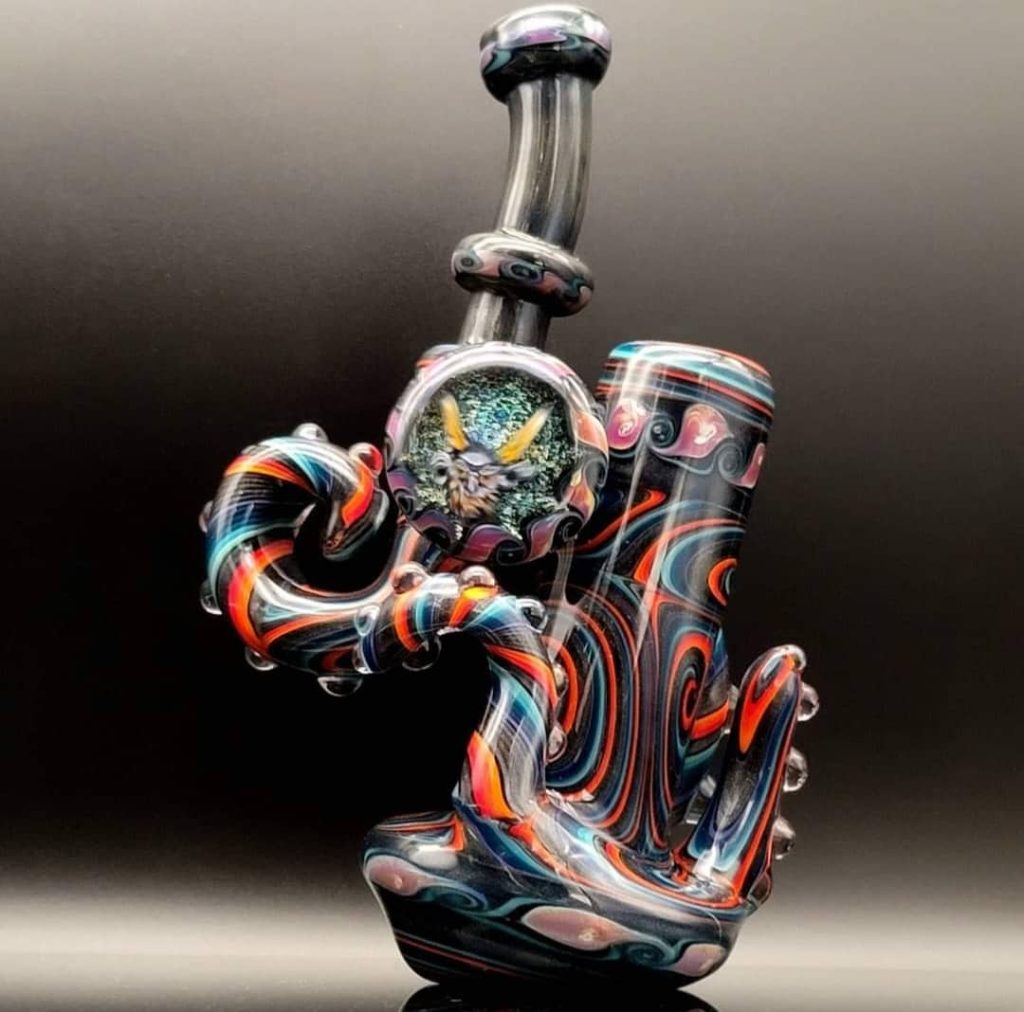


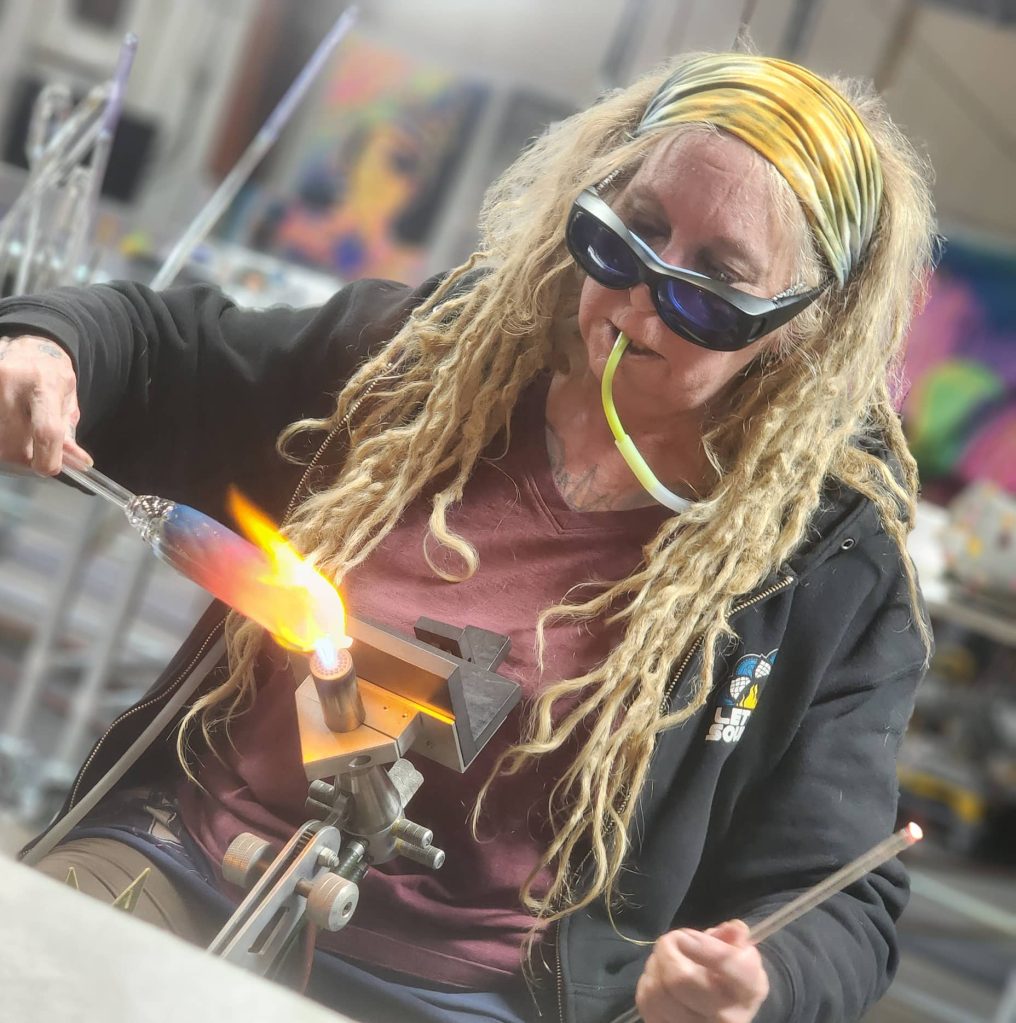

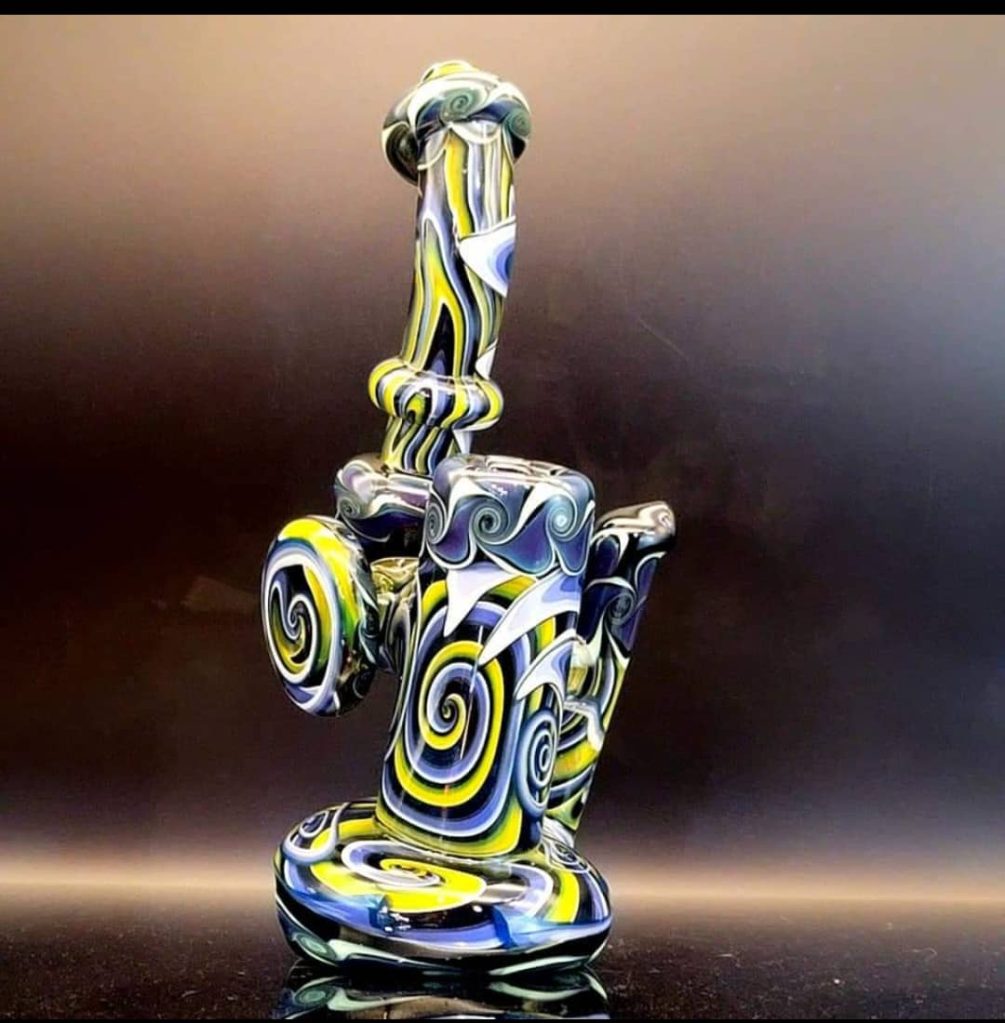




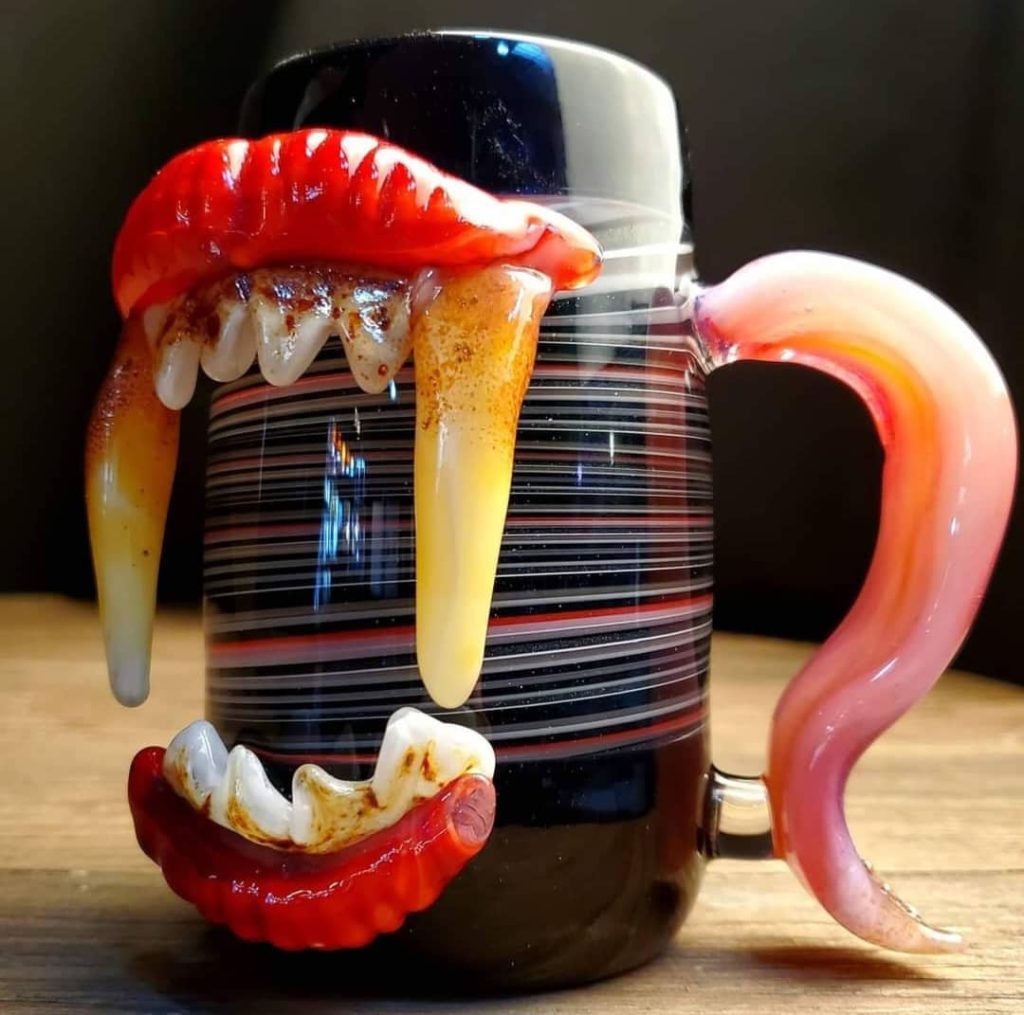



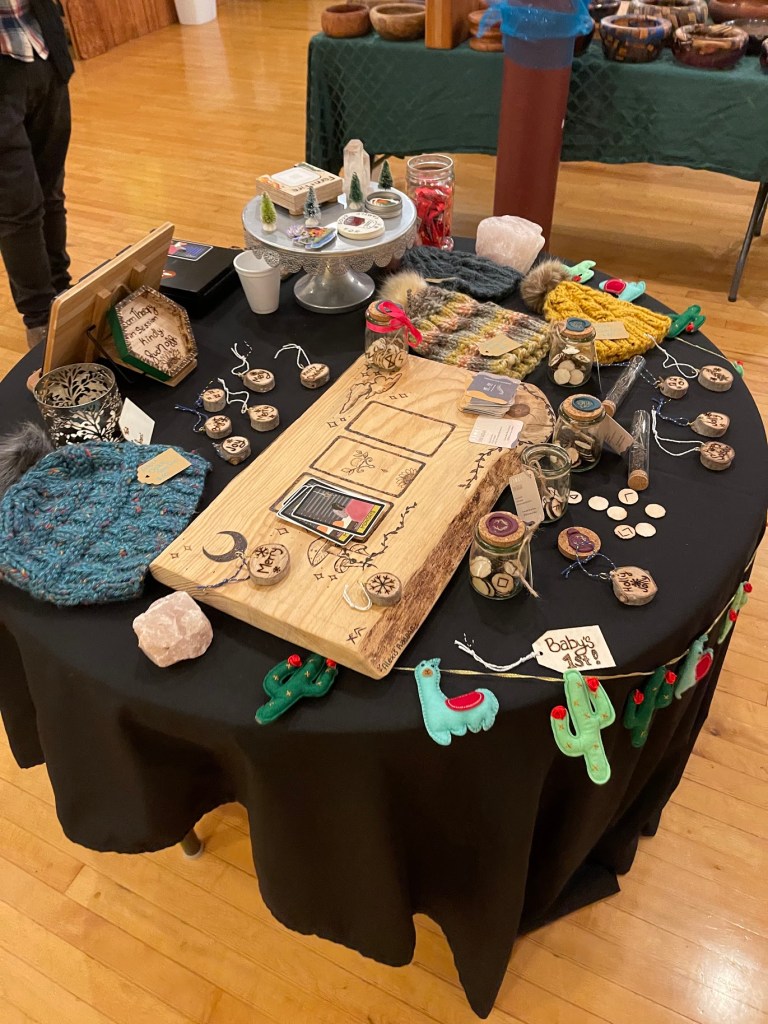




 Little Lost Forest