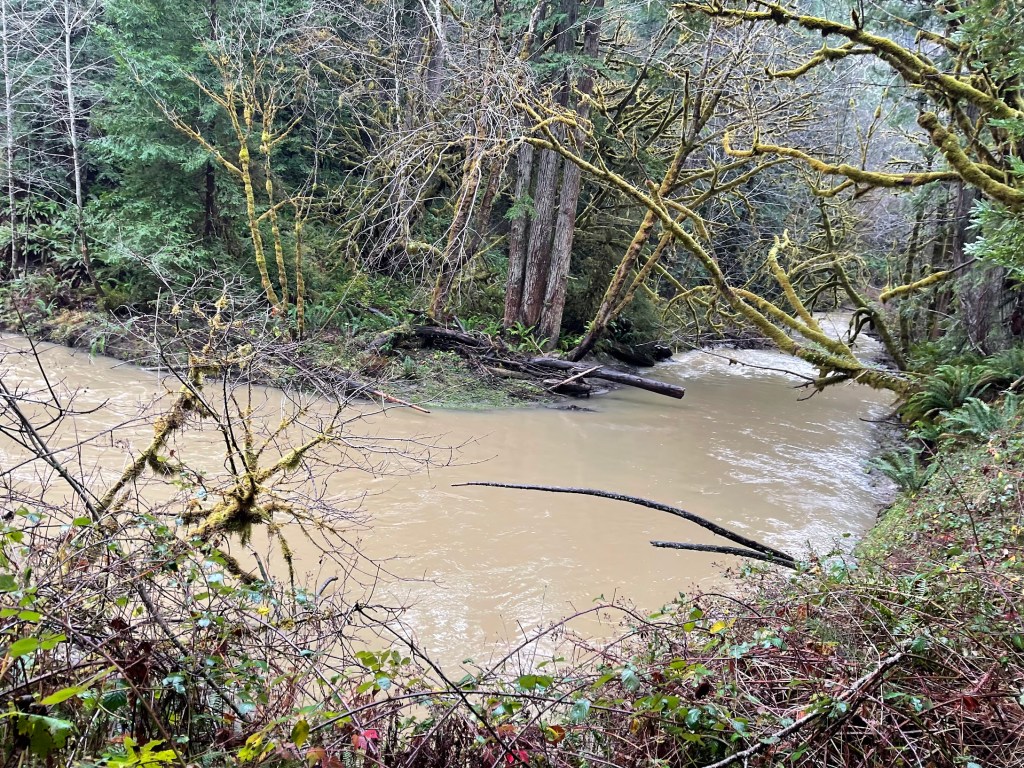
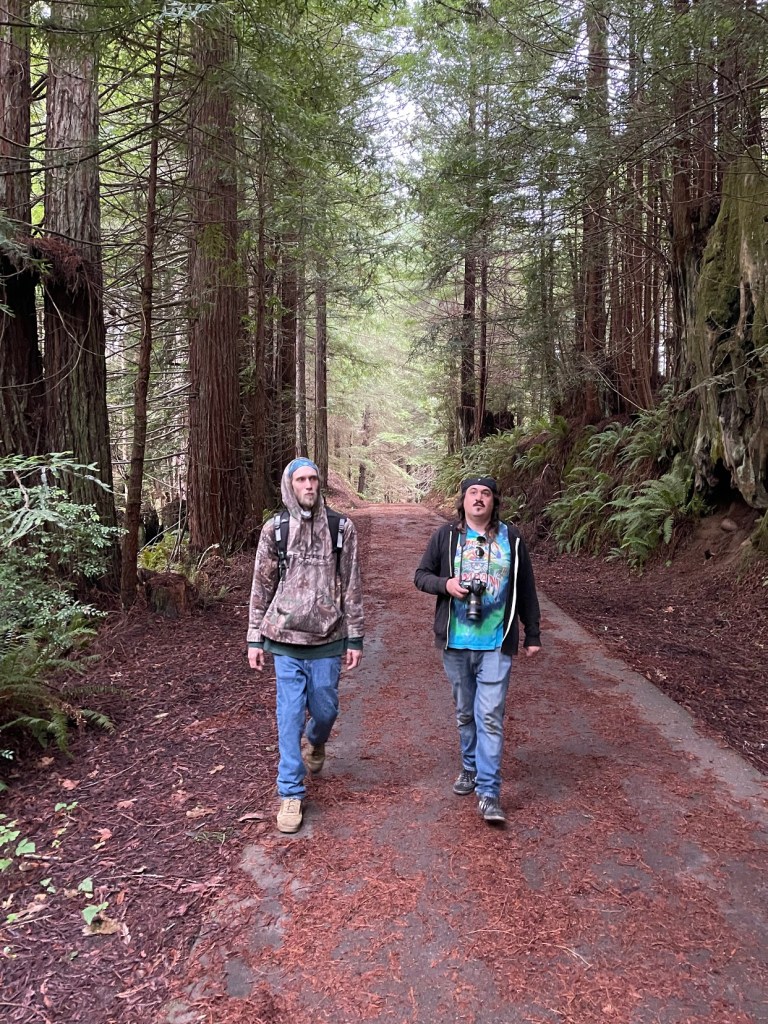
If you’ve been following my blog, you might know that Headwaters, in Eureka, CA, is one of my favorite hiking spots. After a good rain, it transforms into a mushroom paradise, with various types of fungi appearing all along the trail. The Eel River runs through the area, providing a home for anadromous salmon that use this sacred ground as their breeding grounds. The hike is alive with vibrant green vegetation, from towering trees above to the lush undergrowth below. Banana slugs cross your path while small birds flit about, their songs echoing through the ferns and low-hanging branches.
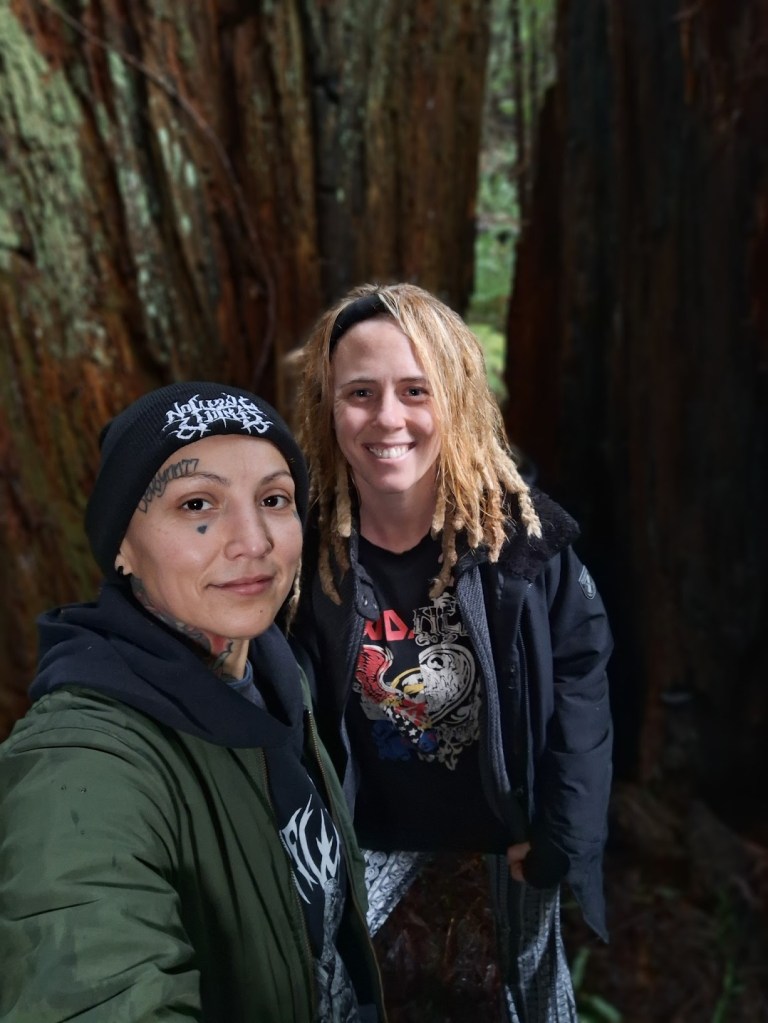
On this hike, I was joined by my friend Sevlynn, a talented photographer who captures stunning images of mushrooms along the West Coast. Everywhere we went, the sound of running water followed us, a calming rush that felt like a peaceful, yet energizing force.
Curious about mushroom exploration? The best part is—this time of year, you can’t miss them. Mushrooms sprout in clusters along the trail, whether you’re heading toward the water or trekking up the mountain. They’re everywhere, no matter which direction you take.
Did we pick them and eat them? Not quite—at least, not yet. We picked a few, touched them, and marveled at their unique qualities. We guessed which ones might be edible, laughed at the oversized ones, and examined the tiny black ones that were so small they were almost a curiosity in themselves. When you pick a mushroom, it releases spores, creating new mushrooms. While you shouldn’t pick every mushroom you see, touching them is an essential part of understanding them—feeling the texture, whether slimy or firm, studying the gills or spines, and noticing the changes in shape or color with age. I watched as Seveylnn carefully uncovered mushrooms hidden under layers of decayed foliage. It’s amazing what can be found beneath the forest’s blanket of leaves and moss.
Mushroom identification can be a fascinating and rewarding experience, but it requires careful attention to detail. When you’re documenting a mushroom, take clear pictures of the cap, gills, and stem to capture its key features. It’s also helpful to note important characteristics like the color and texture of the mushroom, whether it has a skirt or ring, and the type of gills it has—are they attached, free, or decurrent? For a more thorough observation, you can cut the mushroom in half and examine what it looks like inside. These details will help you better understand the mushroom and make identification easier.
Another step in the identification process is collecting spores. This can be done by creating a spore print, which is a simple yet informative method. First, remove the mushroom stem and place the cap, with the gills facing down, on a piece of paper or foil. Add a drop of water to the cap to encourage the spores to fall, then cover it with a glass or a paper cup. Leave it undisturbed for anywhere from one to 24 hours. When you gently lift the cap, you’ll see the spores left behind on the paper or foil. Store the spore print in a cool, dry, and dark place, sealed in a bag to preserve it for future reference. [More experimentation with spore prints will offered in a future post.]
If you’re interested in growing mushrooms at home, spores can also be collected using a spore syringe. This method involves placing your spore print inside a plastic bag, injecting a few drops of sterile water into the bag, and then gently rubbing the print from the outside to release the spores into the water. Once the spores are suspended in the liquid, use a sterile syringe to draw up the spore water. This makes it easy to use the spores for mushroom cultivation.
Whether you’re identifying mushrooms in the wild or collecting spores to grow them at home, safety and cleanliness are essential. Always work in a clean environment to avoid contamination, and take your time to carefully document each step. The process can be both fun and educational, giving you a deeper appreciation for the incredible diversity of mushrooms.
Let’s dive into some mushrooms we encountered.

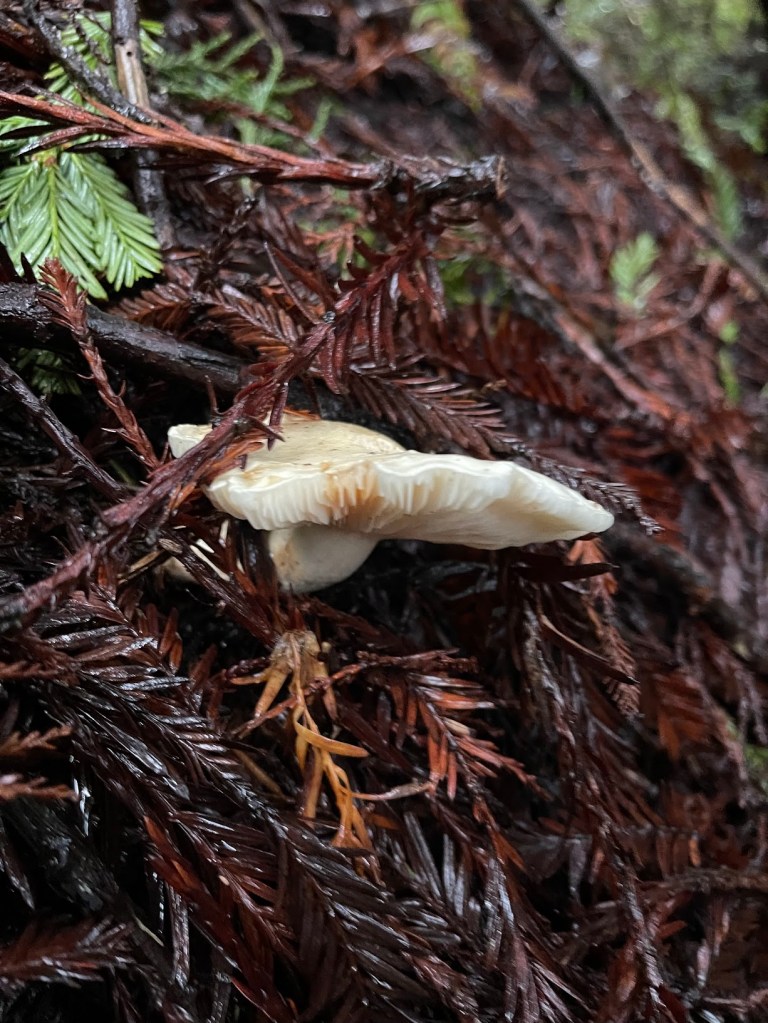
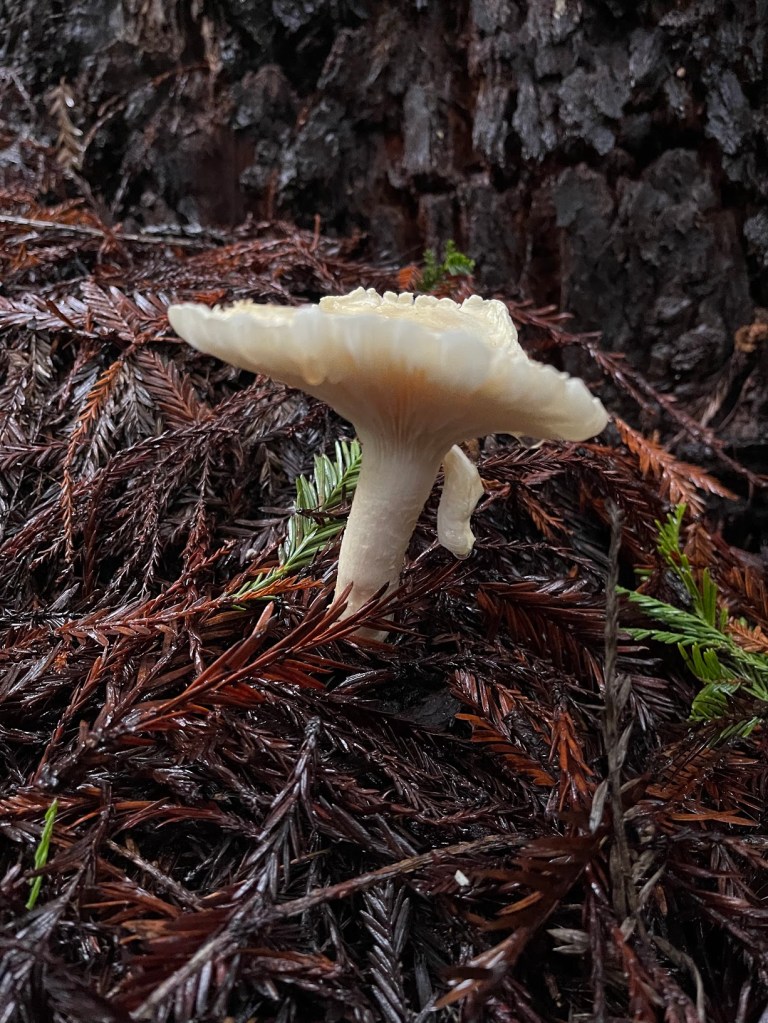
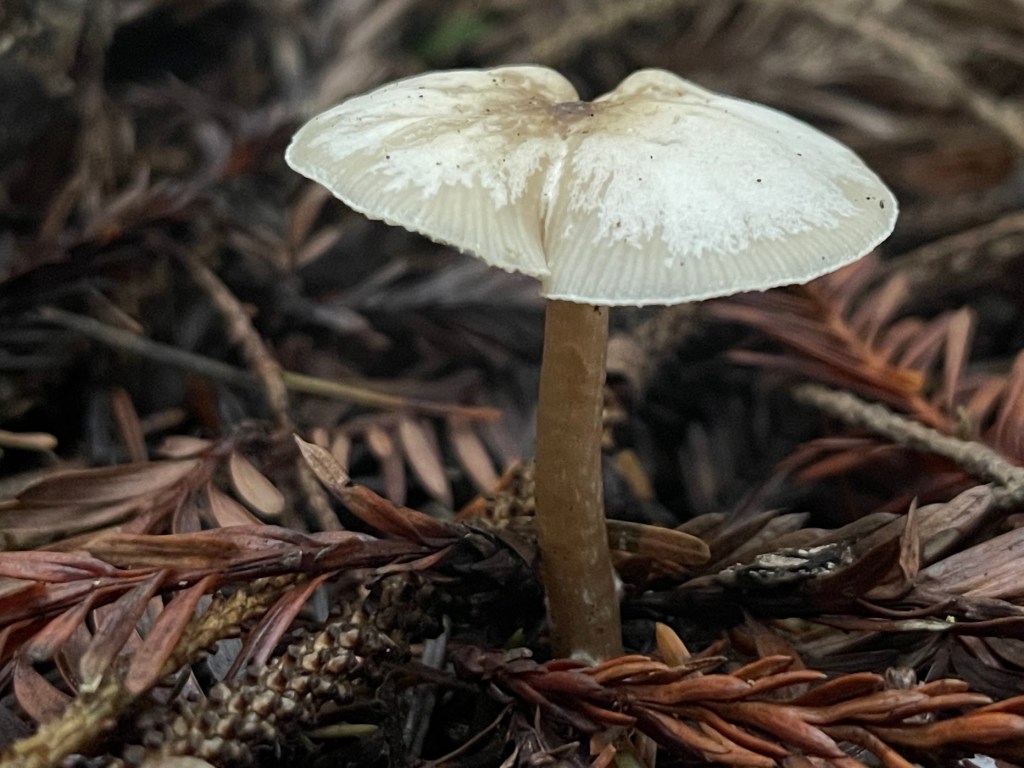
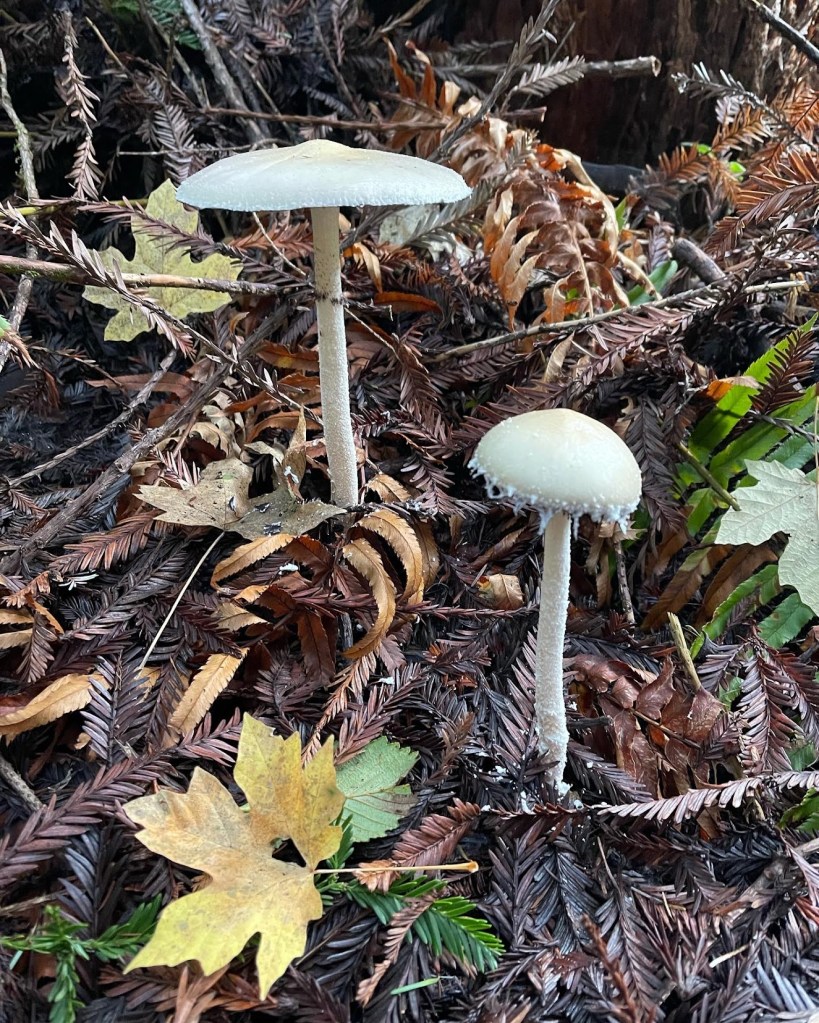
Inocybe geophylla (White Fibrecap) – This poisonous mushroom can be found under both conifer and deciduous trees in summer and autumn. It’s common in North America and Europe, so be cautious when exploring.


Psilocybe cyanescens (Wavy Cap) – Known for its potent psychedelic properties due to psilocybin and psilocin, this mushroom is not considered dangerous in terms of physical harm, though it should be approached with care and knowledge.
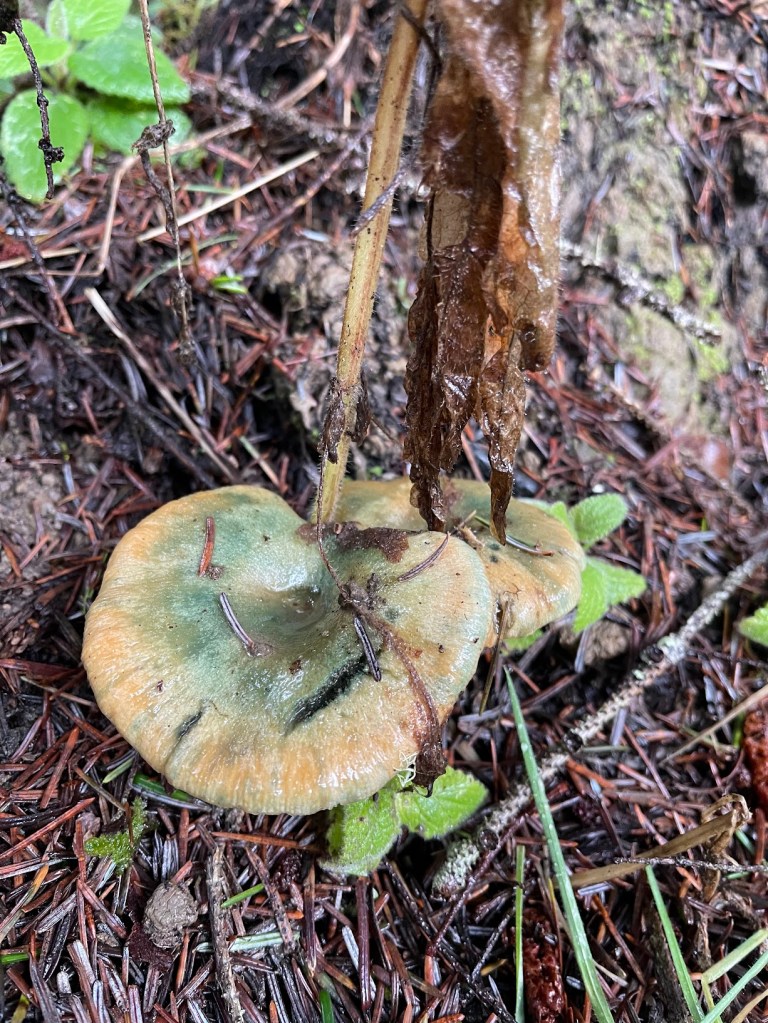
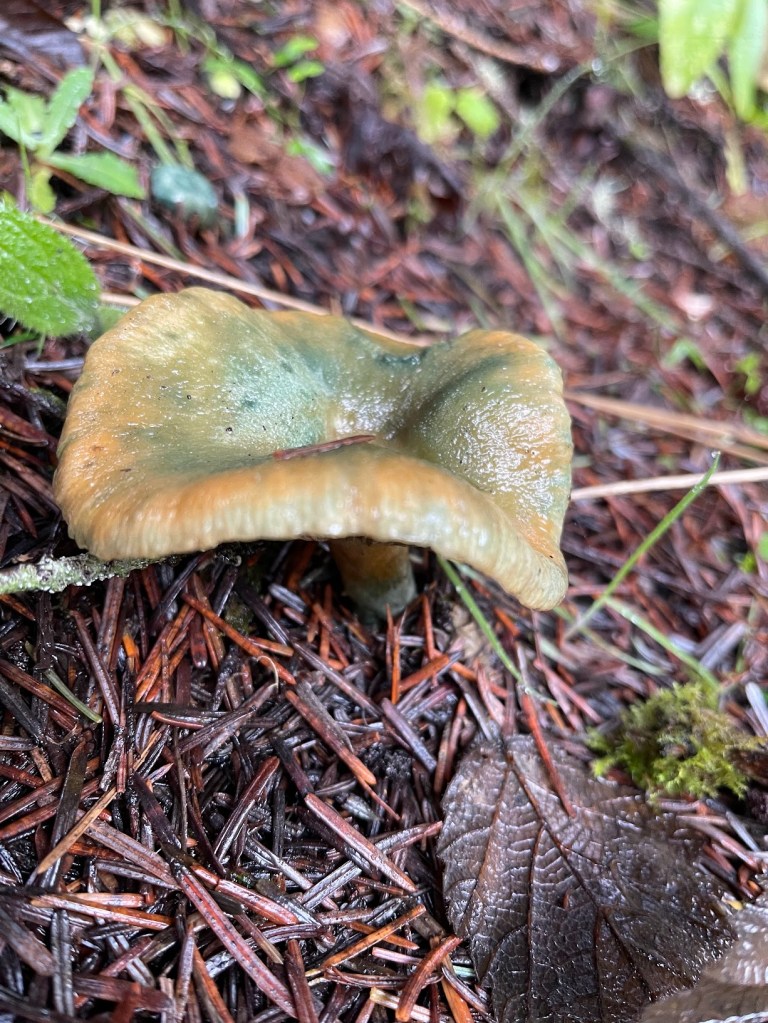
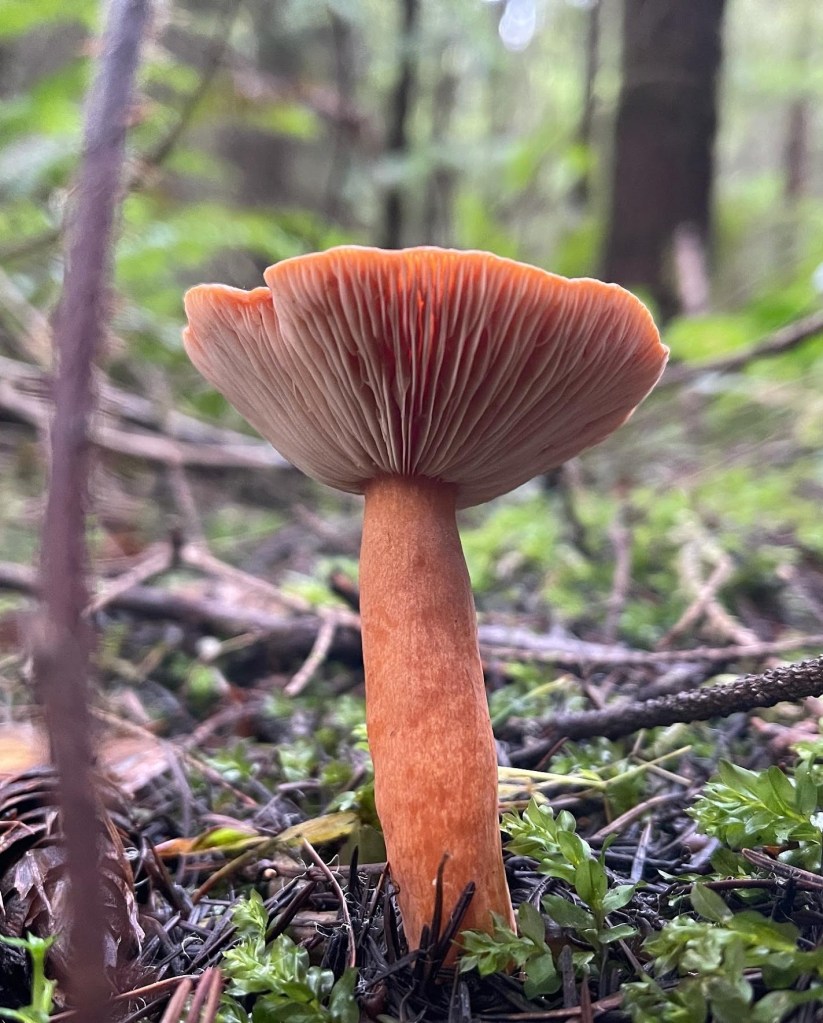
Lactarius deliciosus (Saffron Milk Cap) – Found under pine trees, this mushroom is edible and known for its distinct orange cap and gills that exude a greenish latex.
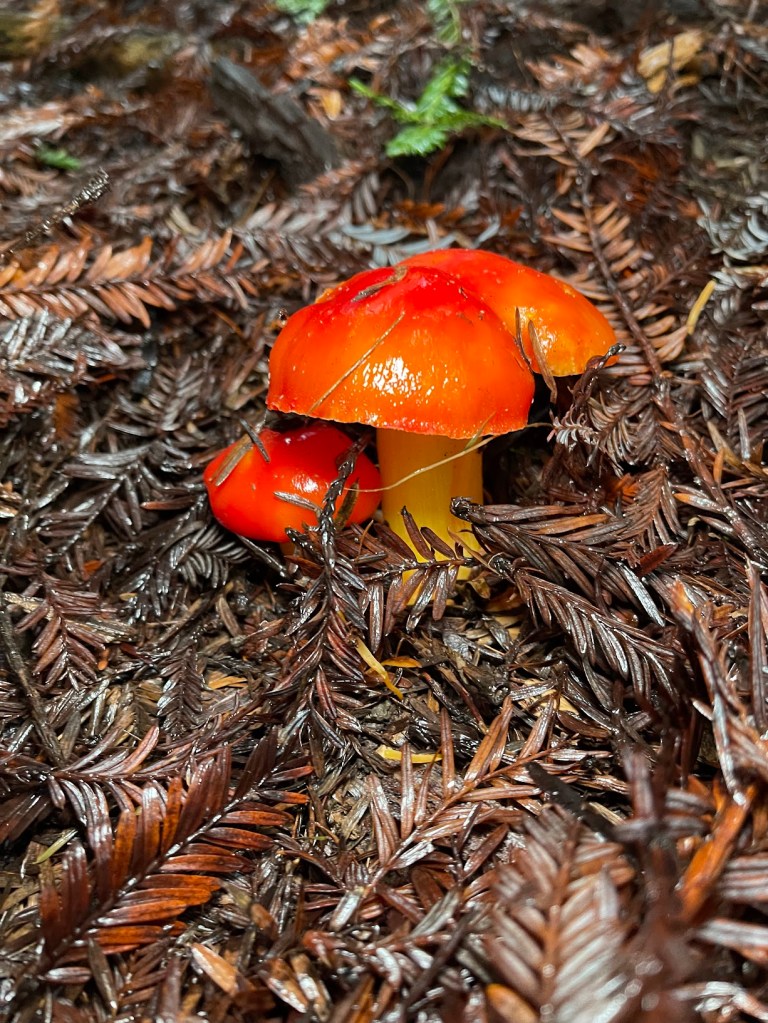
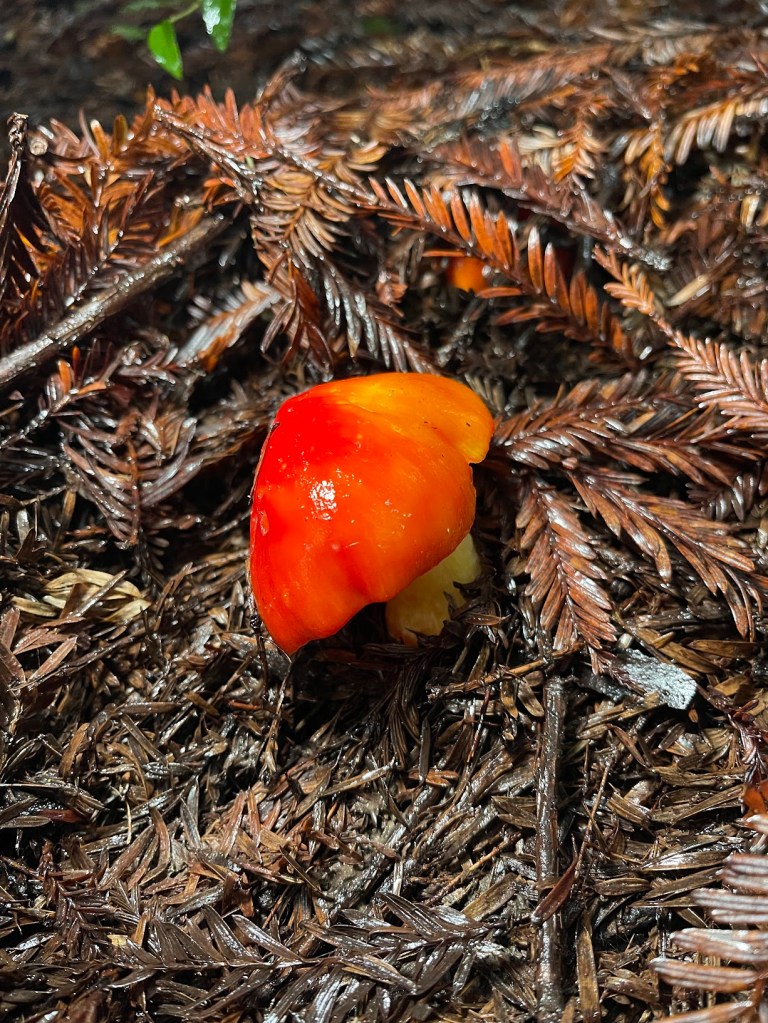
Hygrocybe coccinea (Scarlet Waxy Cap)- If you’ve been following this blog, then the Scarlet Waxy Cap (Hygrocybe coccinea), also known by its former name Hygrophorous coccineus, will likely be familiar to you. This vibrant mushroom stands out in the woods with its striking red appearance, making it a favorite for both mushroom hunters and nature enthusiasts alike.
The Scarlet Waxy Cap has a conical, smooth cap that shines in various shades of scarlet to deep blood red. When fresh, its surface is moist to the touch, giving it a glossy, waxy look that truly lives up to its name. The gills beneath the cap are a brilliant reddish yellow, broad and closely spaced, though they can become almost distant as the mushroom matures. The edges of the gills are delicate and thin, further enhancing the mushroom’s fragile beauty. These gills are attached to the stalk, and the entire structure, though thick, maintains a light and waxy feel.
The stalk of this mushroom is equally captivating—orange-red in color, it gradually becomes lighter towards the base. Its moist texture is consistent with the rest of the mushroom, and like the cap, the stalk is hollow. The spore print is white, and the spores themselves are smooth and elliptical, adding a finishing touch to the Scarlet Waxy Cap’s delicate yet vibrant nature.
This mushroom is typically found growing on the ground in mixed woodlands during the warmer months, from July to October. Its colorful and eye-catching appearance makes it a standout during foraging expeditions. However, while beautiful, this mushroom is not typically sought after for culinary purposes. Its main role in nature is as part of the intricate web of decomposers, helping break down organic matter in its environment.
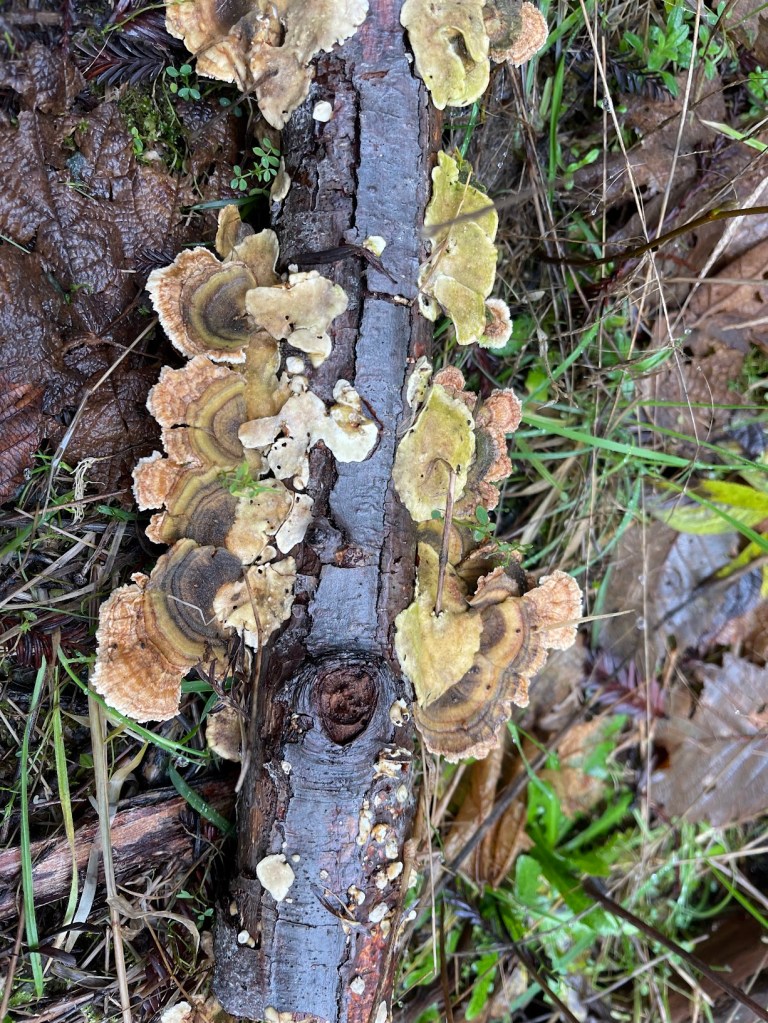
Trametes versicolor (Turkey Tail) – A bracket fungus that grows in concentric rings around tree trunks, Turkey Tail is used in traditional wellness practices and has potential medicinal benefits.

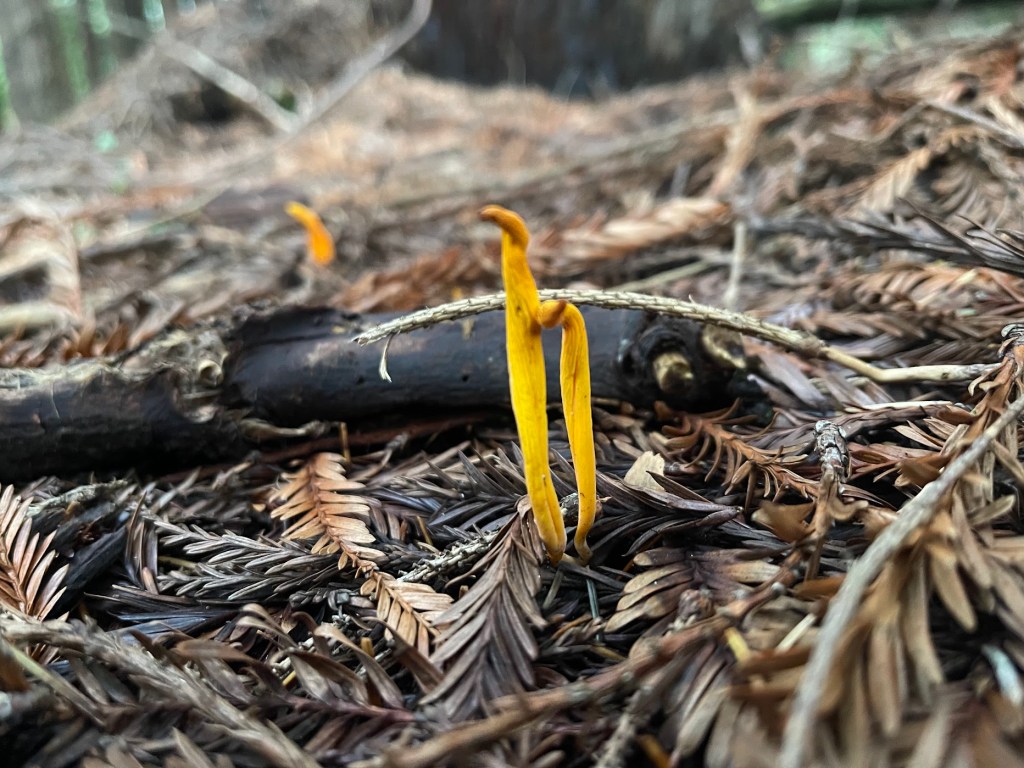
We also spotted (above) Clavulinopsis helvola (Yellow Club), a small, yellow mushroom often found in grasslands or woodland litter, and Bolbitius titubans (Yellow Field Cap), young specimen can be easily distinguished by its yellow, egg shaped cap (below).

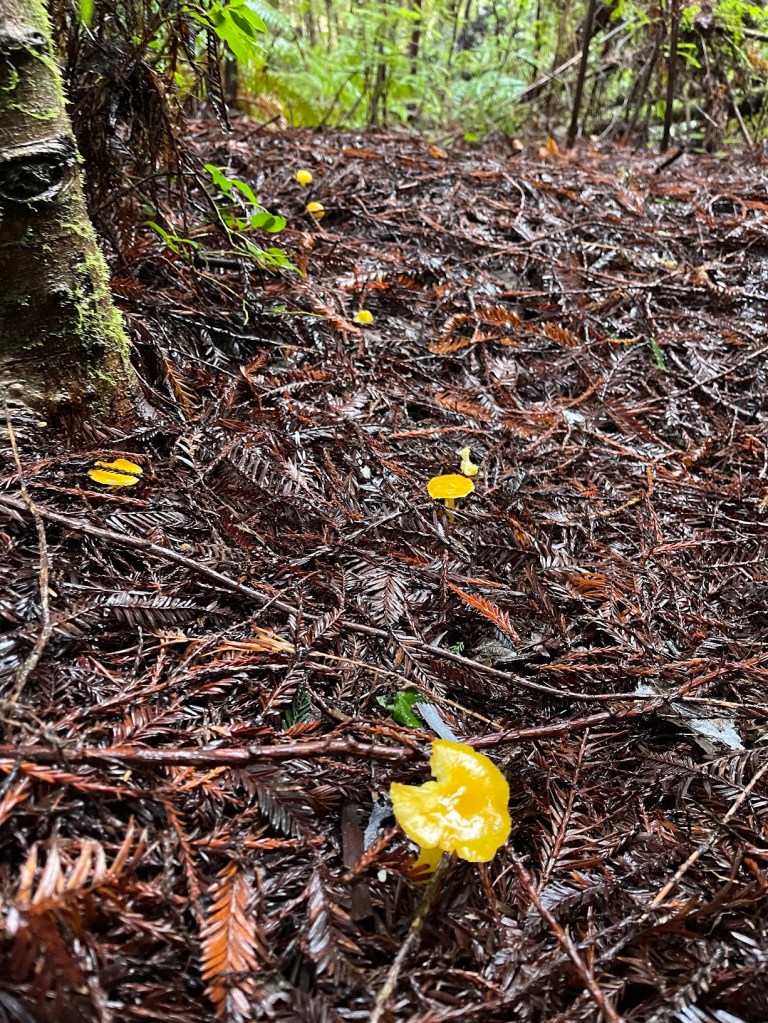
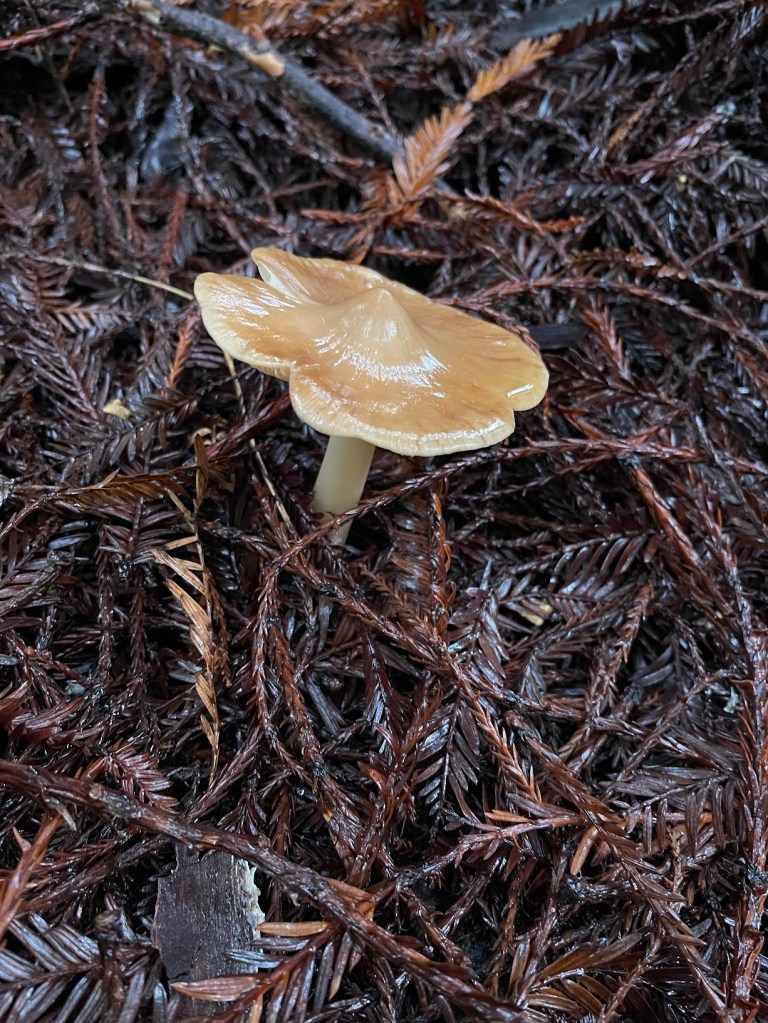

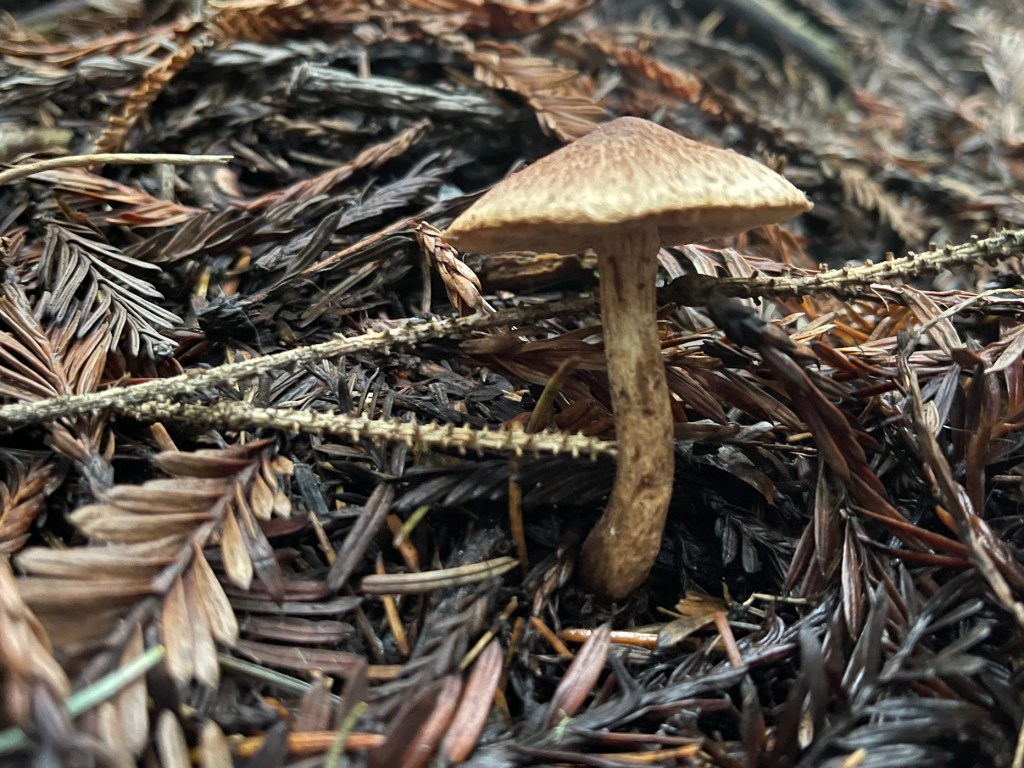
As we continued along the trail, we found more mushrooms like (above) Caulorhiza Umbonata (which you can see from the brown pointed hood) and (below) Hygrocybe punicea (Crimson Waxcap), with its vibrant red cap.

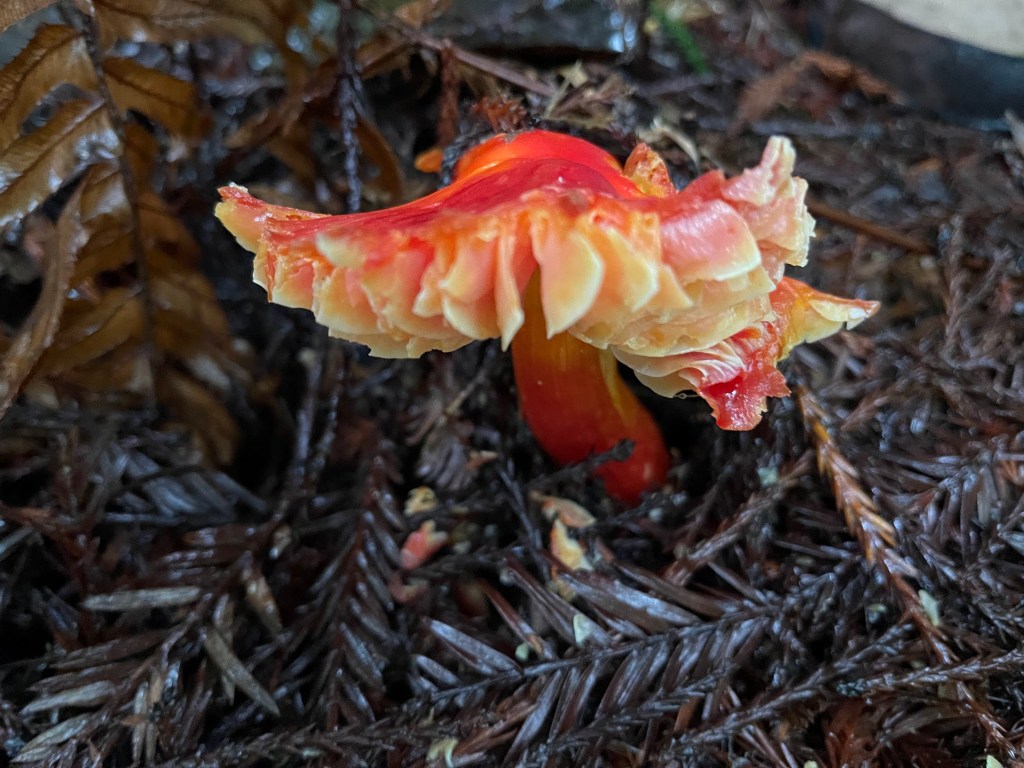


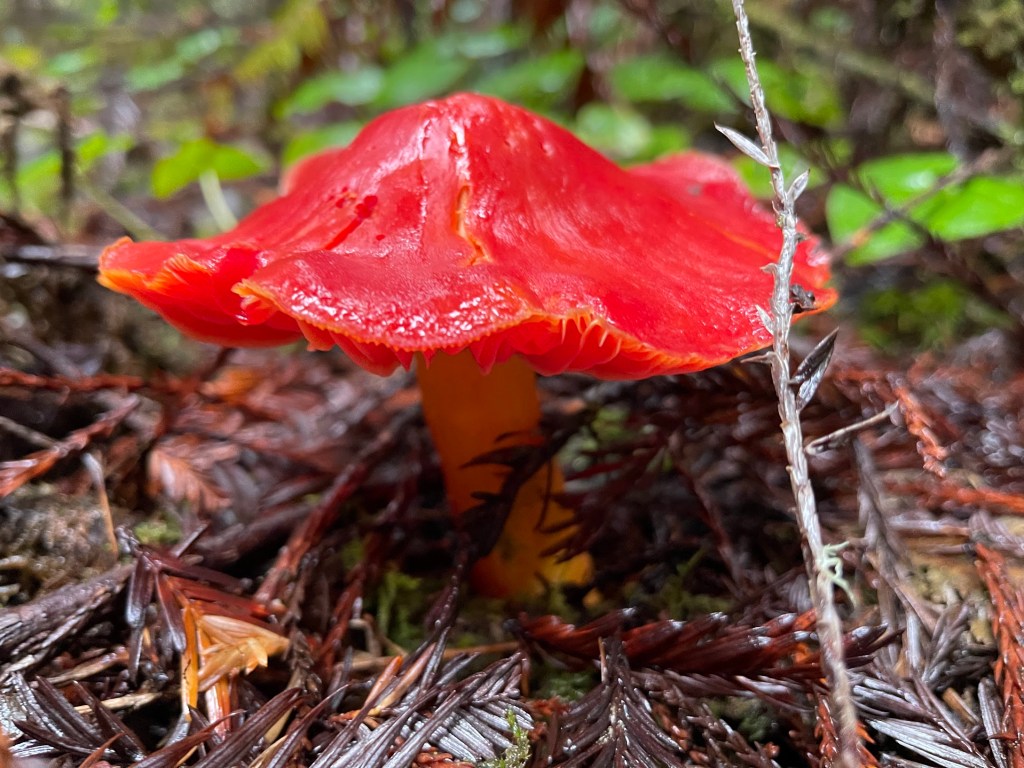
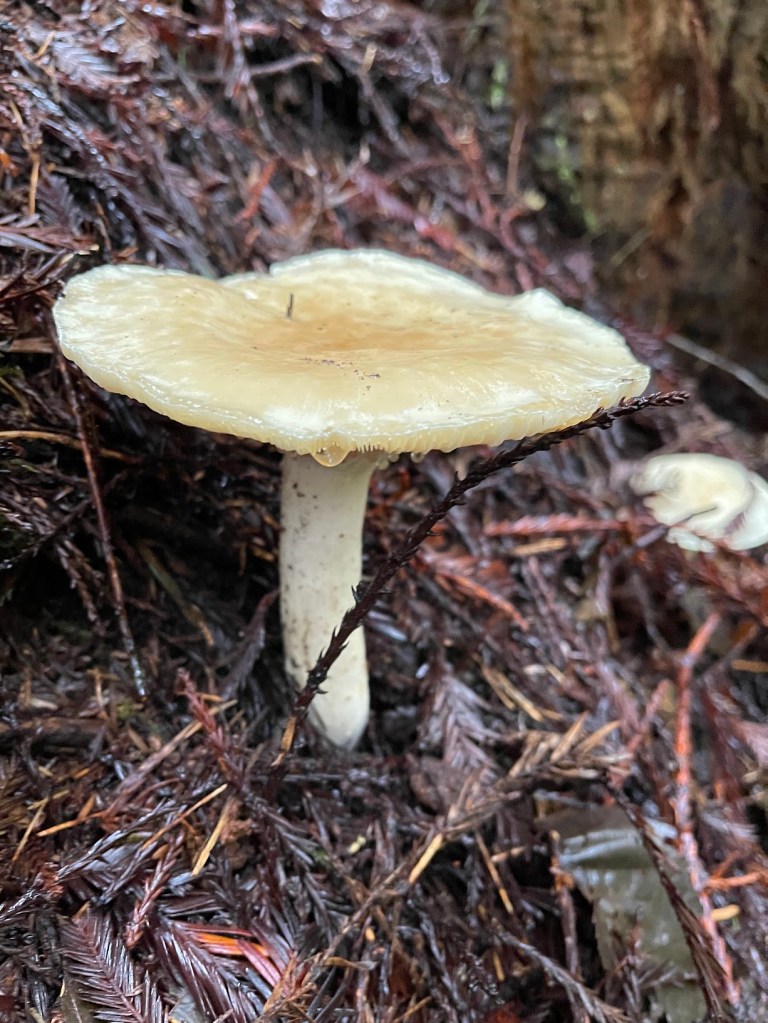
But not all mushrooms are harmless. Amanita ocreata (Death Angel) is one to watch out for. It’s a deadly mushroom that closely resembles edible varieties, making it particularly dangerous. Always be cautious when foraging.

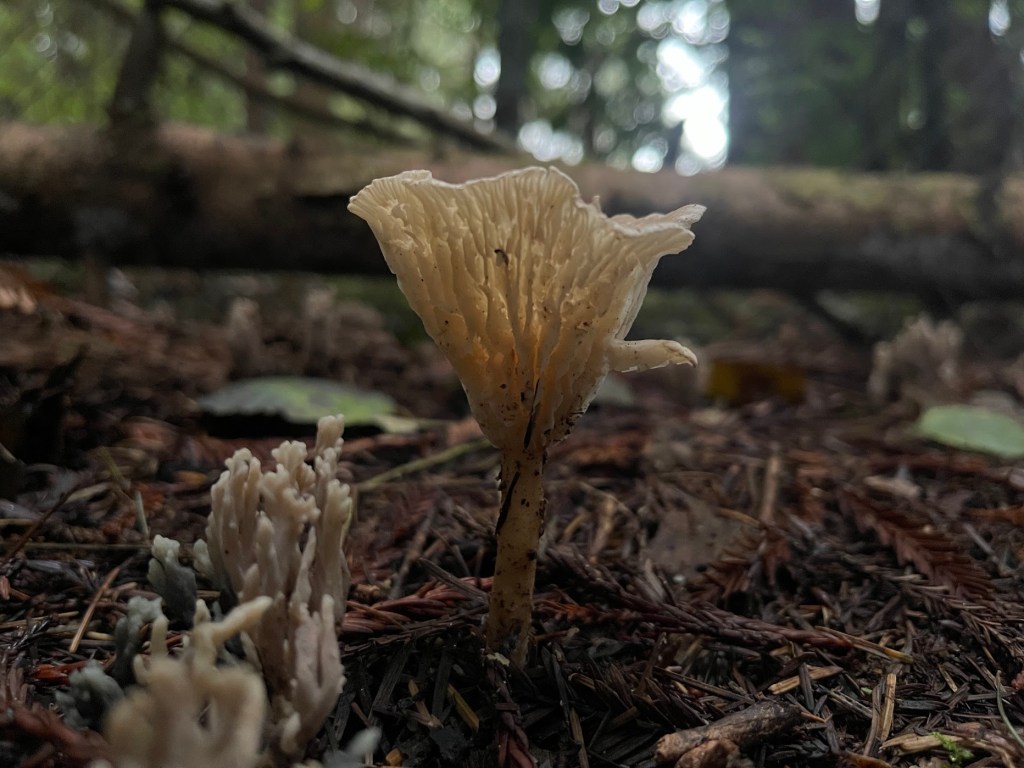
We also discovered Turbinellus floccosus (Scaly Vase), a beautiful chanterelle with orange-red caps and unique ridges on its underside. Its appearance is striking, but it’s a reminder of the diversity found in these magical forests.


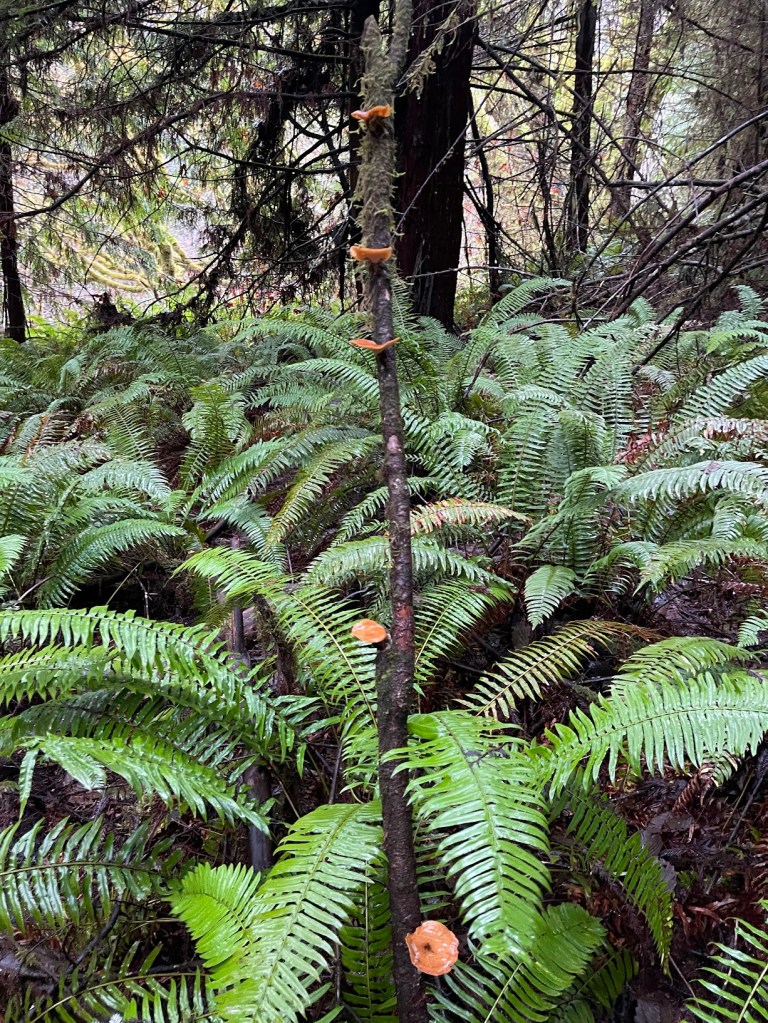
Known as the black-footed polypore or black-leg, Picipes badius is a striking mushroom with a deep connection to its environment. Its name derives from the Latin word “badius,” meaning reddish-brown, which aptly describes the dark, earthy tones of its cap. The mushroom’s most notable feature is its dark stipe (or stem), which contrasts with the lighter, brownish cap.
In its early stages, the cap starts out convex before flattening as it matures, often becoming kidney-shaped or lobed with a wavy edge. The cap’s surface begins smooth and glossy but becomes wrinkled with age, typically darker in the center and lighter towards the edges. The stipe, dark brown to black, is velvety and covered in longitudinal wrinkles as it matures.
Although Picipes badius is inedible due to its tough, woody texture, its ecological role is essential. This fungus is a saprobe, meaning it feeds on decaying organic matter, and is particularly fond of hardwoods. It thrives in temperate regions of Asia, Europe, and North America, where it contributes to the breakdown of decaying trees, playing a key part in the natural cycle of forest ecosystems.
Under the microscope, this species reveals a fascinating structure. Its spores are smooth and translucent, while its hyphal construction is dimitic, containing both generative and skeleto-ligative hyphae, which give the mushroom its sturdy texture. These tough tissues reflect the mushroom’s role in decomposing wood, as it slowly breaks down and returns nutrients to the soil.
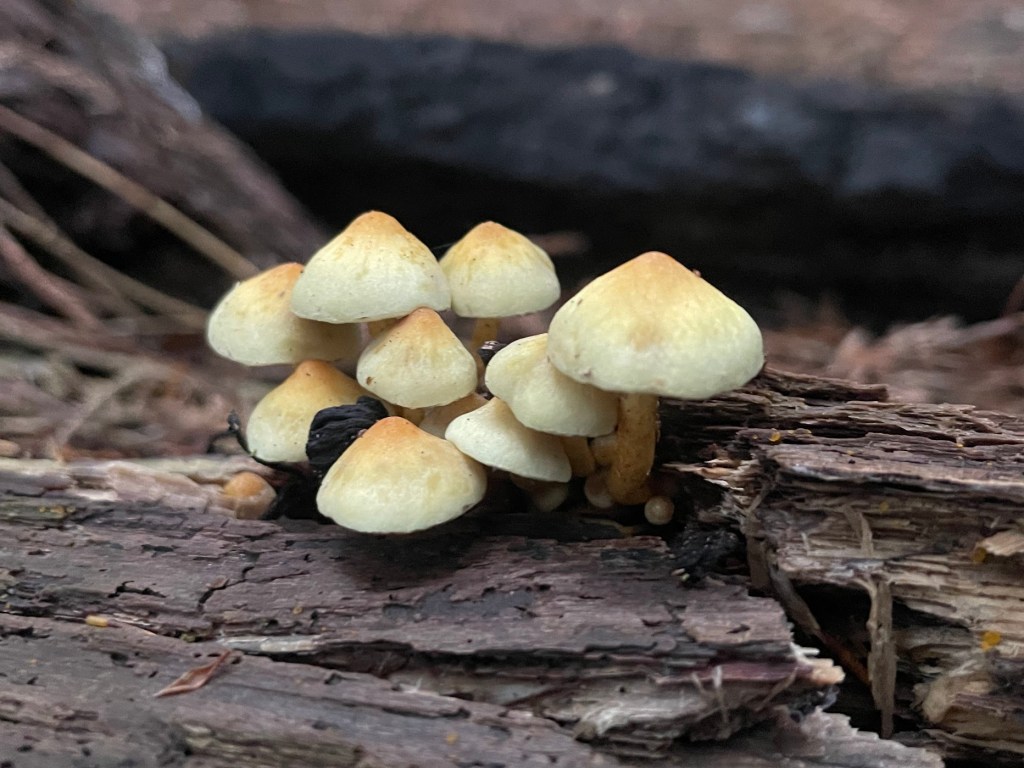
Coprinellus micaceus, commonly known as the mica cap, is another mushroom with its own set of captivating features. This species was once classified as Coprinus micaceus but was reclassified to Coprinellus in 2001 after phylogenetic studies provided a clearer understanding of its genetic relationships.
The mica cap is a small yet beautiful mushroom, often found in dense clusters. Its cap starts off oval or bell-shaped and expands as it matures, eventually becoming convex. The cap’s surface is initially covered in shimmering, mica-like particles, which give it a glistening appearance. As the mushroom ages, these particles are lost, leaving behind a smooth cap that can range from tan to yellow-brown in color, often darkening toward the center.

What sets Coprinellus micaceus (shiny cap, the mica cap or the glistening inky cap,) apart is its unique process of autodigestion, or deliquescence. After picking, the gills of the mushroom begin to dissolve into a black, inky liquid, a process that allows the spores to spread. This transformation happens rapidly, and the mushroom can be eaten only before the gills begin to blacken. It’s this delicate balance between being edible and quickly deteriorating that makes C. micaceus such a fascinating organism.
This mushroom thrives in environments rich with decaying organic matter, particularly in rotting hardwood stumps and logs. It prefers wood that has already begun to decompose, contributing to the final stages of wood decay. Though it’s an important part of the ecosystem, feeding on the bark and softened wood, it’s also quite adaptable, often growing in disturbed areas like gardens, roadsides, and even indoors in humid conditions.
Despite its small size, C. micaceus has some impressive qualities. It is edible and often used in cooking, particularly in dishes like omelets or as a flavoring for sauces. However, due to its fragile nature and tendency to degrade quickly after picking, it’s important to handle it carefully and cook it promptly. The mushroom’s delicate flavor makes it a treat, though it can be easily overwhelmed by stronger ingredients.
The Importance of Fungi in Ecosystems
Both Picipes badius and Coprinellus micaceus demonstrate the fascinating roles fungi play in our natural world. While Picipes badius might not be edible, its role in breaking down dead wood and returning nutrients to the earth is invaluable. On the other hand, Coprinellus micaceus offers a unique combination of ecological function and culinary delight, with its ability to break down decaying wood and its brief window as an edible mushroom.
These fungi remind us that mushrooms are more than just food; they are vital players in the web of life, contributing to the health of forests and ecosystems across the world. Whether you’re an avid forager or simply a lover of nature’s wonders, the next time you encounter these mushrooms, take a moment to appreciate their beauty and their role in the environment.
The forest at Headwaters is rich with life, from the towering redwoods to the tiny mushrooms underfoot. Every hike offers something new, a deeper connection to nature, and a chance to witness the delicate balance that sustains the ecosystem. Whether you’re a seasoned mushroom hunter or just starting to explore, there’s always more to discover in this lush, thriving world.
Until next time, keep exploring and always tread with care.
Happy mushroom hunting!
Disclaimer: I am not a professional mycologist, and the content on this blog is for informational and educational purposes only. While I strive to provide accurate information about mushrooms, I cannot guarantee the accuracy of mushroom identification or safety.
Harvesting and consuming wild mushrooms can be extremely dangerous and should only be done by individuals with proper training and expertise. Misidentification can result in serious illness or even death. Always consult with a qualified mycologist or local mushroom expert before consuming any wild mushrooms.
By using this blog, you acknowledge and agree that I am not responsible for any harm, injury, or loss that may result from your actions based on the information provided here.
Foraging responsibly means prioritizing safety first!










 Little Lost Forest