Little Lost Forest presents the Tea Lounge at Eclectic Farms, providing a donation-based tea and cuddle puddle space.
Eclectic Farms is a Northern California event located in the mountains of Titlow Hill, a multi-generation oasis for underground music events. The lively EDM scene hosts multiple stages and genres, artists, and play areas for performers, carnies, and lovers of nightlife. Located an hour from Cal Poly Humboldt, people aged 18-99 from all over the world and different walks of life gather to dance under the musical umbrella. Supporting local talent, Eclectic Farms is a community-made event that showcases local DJs, musicians, painters, interactive art pieces, paracord trampolines, farm living, and is placed in the heart of the Redwoods. Lasers, concert visuals, premium sound, pole dancing, aerial performers, fire dancers, and go-go dancers all enhance the main stage, while two garage stages played live music and more trap-style EDM. This year, the Mush Love Crew hosted a second stage lit with black lights, neon decor, and bodypaint with a pop-rock dance vibe. If you dare enter the tea lounge, Little Lost Forest hosts a relaxing space in a bell tent covered in local art, cushy pillows, and delectable tea.
The past three events have been out of this world. You might be familiar with some of the talent coming through Eclectic Farms. DJ and live artist Joe Mallory opened the first party in June with psychedelic ambient music. June’s headliner was Rammun, a couple from Willits who played spiritual funk rap. While Narion worked the mixing board, Luna rapped conscious, mind-expanding lyrics. Maggie fire-hooped with Humboldt Circus, and her performance was both mesmerizing and inspiring. Something about the relationship between the dancer and the fire creates a trance-like ambiance on the dance floor. LoCo Flow Fusion is a central Humboldt-based fire troupe. Bartending and performing is the incredible Boofy the Clown. Mushroom cocoa and niche tea blends offered by Ana’s Herbals. Deep, intercate tarot readings channeled by TOAD and art and firespinning by local artist @psychicmisfit.
When asking Mush Love Crew to make a statement for the blog, they gladly told us a little about themselves:
“Our June show was our first all-night outdoor party as Mush Love Crew, so that was super special. Our deco coordinator is Stacia Weener at @Staciaflowersolutions on ig, she absolutely deserves to be mentioned because our stage only looks that good because of her. We also did that one as a collaborative effort with Siskiyou Psytrance. At that party we had an international dark psy duo called Promnesia play. We also had Feral Selector from SoHumSyndicate, Agent 37 from Siskiyou Psytrance.
Our July party we collaborated with our sister crew Fractal Factory out of Oakland. Our headliner was Tugadoom, a brilliant live experimental dark psy act from South Africa originally. Also from the crew was Luzidtrip who played an outstanding forest set.
Mush Love Crew’s resident DJs are Melting Vision, Pymander, and Joe-E. I founded this crew on New Year’s Eve of 2023 with the goal of building a home for psytrance in Humboldt County. Hope this is helpful, and I’m happy to provide any more info! We’ve got another party in the works for early November!
Stacia is renowned as a found and foraged artist, creating her works using materials she finds around her. She emphasizes reusing, repurposing, and utilizing nature as much as possible. Her unique vision aligns perfectly with our Psytrance crew. Additionally, she’s very welcoming to other artists who wish to collaborate or get involved.”
I highly appreciate their ability to bring high-energy dancing and a neon atmosphere to the event. The DJs bring high-quality psytrance back to the dance floor.
Our Tea Lounge is a new addition to the Eclectic Farms parties. Our goal is to create a place to relax, revive, and connect with the community. The Tea Lounge dome tent came from a grant for the Festival of Dreams in Eureka, where many of our crew members participated in the “Wigi Dome” project. The Tea Lounge displays art by local artists, offers donation-based tea and sweet treats, and has a plethora of pillows, blankets, and small tables. I enjoy offering tarot readings in the tea lounge, along with live painting outside of the lounge. Some of the aesthetics might be familiar to those who know Little Lost Forest, with themes of the forest, the human body, and otherworldly creatures. As a team, we collaborate on art projects and strive to create immersive art so others can join in the experience of creation. In July we featured Cal Poly Artist Jolie.
This Saturday 8/10/24 we will be back on Titlow Hill. Tealulah will be joining us with @tealullahstravelingtealounge. We look forward to serving unique tea blends that stimulate or relax the mind. I expect to be showcasing ceramic sculptures by Jackalope Studios. Jackie is a Cal Poly graduate, ceramics studio artist and painter. We display paintings by Natascha and Jeremy Pearson. Natascha has been painting at EDM events since 2012 with San Diego crews Triptych, Soul Works and the Cool Cat Cafe. Jeremy is a local cannabis grower with twenty years of experience, currently working @primeexotics_dispensary off broadway in Eureka. @Orioncooksit is our team chef, who specializes in health conscious and energizing organic options. Our newest team member @disenchantedcreations is our rave mom who is embarking on a van life adventure and world schooling. Together we make the Tea Lounge a place for you to enjoy.
I just came back from an amazing vacation traveling cross country with Rose @disenchantedcreations and her son, Malachai (3), and my son Malakai (2.5.) She had made the trip to New York six months prior and was inspired to begin a van life adventure. I’m also very drawn to the road so after a month of planning we came up with a sort of solid idea for our trip, with our final destination being Bernett, Texas for the Texas Eclipse 5/8/24 and the Texas Eclipse Festival. Most people probably would not have been comfortable with the loose plans we had had time to discuss and the looooong drive ahead, but we did not mind. We had four days to get to Texas from Humboldt County to be in time for the festivities. Nothing could stop us.
We packed up the van with car-camping supplies; stove, pot, pan, utensils, flashlights, floaties for the lake, propane, soap, sponge, and dishrag. Clothing for us and the kids; including diapers, cosmetics, and swimwear. Toys for us and the kids; coloring books, flow toys, toy cars, beads and tools, bingo, tablets. We also brought a children’s potty, mattress/bedding, jumper cables, and bungee cords. We used yellow totes to hold up the mattress and a few rectangular storage containers to go along the sides. At the back(trunk) was a large cloth container that contained toiletries, easy-to-access alcohol, snacks, and eating utensils. The mattress folded in at the back so the car seats fit perfectly in the middle aisle with the cooler in between the two (with enough room for the kids to look over at each other.) It took both of us to close the trunk every time it was opened, because the memory foam mattress stuck out about a foot. To say the least, the car was stuffed to the point of almost bursting, but being together with the kids on a wild adventure made it all worth it.
Malachi began the trip with “My best friend Malakai.”
You would think two toddlers would ring each other’s necks after an hour in the car in a tight space, but that wasn’t the case at all! We started at night and drove from Humboldt to Calaveras arriving at a friend’s house. This stop wasn’t on the way but the comfort and joy of seeing friends who don’t live close by began our trip on an upbeat note. The kids played in the blacklight lit art space till the wee hours of the morning until we put We’re Back: Land Before Time onto the projector and cuddled up on the couch. We knew we’d have to leave at a decent time in the morning and our time together was short, so we sucked up the time together in exchange for sleep.
The next morning the kids took their wizzes (Malachi is potty trained but Malakai is still learning) and we hopped in the car and continued our adventure. We made a pact that we would not eat fast food on this trip (the go-to for people on the road.) And this proved easy to carry out because neither of us likes fast food and we both love salads!! So we stopped at a grocery store and got an item and drink for everyone. We did not want to overfill the car with food that would go bad so buying small portions was important to us. Also, buying fruit was a must. We had a never ending supply of grapes to snack on in the middle console.
We drove to Barstow where we would make the sharp east turn toward Nevada. We stopped for Mexican Food and sat at the table for a much-needed rest. Rose and I would split our meals when we ate out, exploring each other’s likes and finding a middle ground between our dislikes. After, we hiked along the Pacific Coast Trail along the freeway. The sun was setting behind the mountain tops and I carried my son who was exhausted from the night prior. We found a metal box with a log and hand sanitizer along with many hidden cartons of water.
Back in the car, we drove into Nevada, just barely missing a friend I wanted to visit and hit a truck stop in Arizona. The truck stop was full of floodlights, and even though I considered parking between two trucks we decided to park up a road past the truck stop on top of a hill that overlooked the street. Rose was ultimately worried this first night that illegally camping on mountain tops would bother me. After the first night she knew she didn’t have to worry about my roadsleep morals. We unpacked the car seats, left them outside and placed all the other backpacks and bags on top of the bed into the front seat. The first time we did this it must have taken 30-40 minutes but with time this unpacking would go faster and faster.
We had a night of not being bothered. Sleeping very close to the ceiling of the van would seem claustrophobic but it wasn’t. We enjoyed the baby snuggles and having this time together. We packed up the car in the morning and continued to drive. It was around this time that Rose would take morning shifts and I would take night shifts, exchanging throughout the day if necessary. We drove 8.5-hour days on the way there. Stopping for an hour’s walk along the way. There was very little disagreeing and the kids were pampered by the mother not driving.
Getting into Texas we were excited for the Texas Eclipse Festival. We slept on a dirt road that night, which we figured was surrounded by farmland. We were awoken at 5 am by a man whom we begged for forgiveness and told him we would move on. He kinda laughed at us in our PJs puddled together in the car with our kids. We picked up some food that day for the weekend and checked the tire pressure, then we were ready to go into the event. The kids kept saying “Party! Party!” When we pulled up there was a line but it was moving steadily. Rose jumped out of the car and tried to hustle a ‘Family Car Camping Pass’ but the line was moving too quickly, we almost lost her. Security waved us right through not opening a door or luggage. Finding a camping spot was hard. By Friday everyone was already camping on top of one another. We had to squeeze ourselves in to fit. We did push our way into the extended family camping, we thought this was important that we were around other kids and not a bunch of wooks. After all, we are bringing our toddlers into a 40,000-person rave, it would be nice to have a safer campsite to go back to. While we were setting up camp there was no room for the pop-up, so we had to makeshift the pop-up on top of the car and utilize the little bit of space around us to put our kitchen and chairs. We immediately made friends with the people around us. A single mom was camping next to us with two children, one a toddler, and the kids hit it off and played as we settled in. Within the first hour of arrival, someone gifted us glamping passes (no we did not think to move camp) which offered us unlimited showers. This was a big win because the Browners station had a big crowd and a long line, which would have surely overstimulated my Malakai. The showers ultimately helped with our children’s cleanliness and breathing which by the end of the festival, I was concerned about Malakai’s hack.
We went out together on Friday, bringing the kids in my wagon that had wheels meant for the dirt. Right at arrival we were surrounded by young rave girls and wooked out men who gushed over our “rave babies” offering them kandy bracelets and stickers. The kids were already covered in dirt and wide-eyed. My Malakai kept trying to jump out of the wagon and was hard to keep up with. Our neighbor turned around at the top of the hill as we continued to trudge our way in. It was a very large map and the stages were incredible, art installations all along the way, pop-up tents with astronomy studies, food trucks, and art galleries. The foot traffic picked up and my Malakai would not wear his ear muffs or come when called by name. I had to call it a night as soon as the night began, while the other Malachi danced away at the sun stage, soaking it all in.
By the time Rose came back, we traded spots, and I was able to go out while she slept with the kids. I roamed around really taking an interest in the art and the tea lounge which had live music and multiple tea-serving spaces.
The next day we did this routine again, feeding the kids, walking into the festival together, and taking the kids in the wagon. I enjoyed dancing to the Desert Hearts Takeover and Malachi passed out resin gifts his mother crafted to everyone he could. While my Malakai spent his time napping in the wagon. At night I was able to see my favorite DJ Ahee and reconnect with my Triptych community.
It is different going to the festival with kids. There was a lot less partying with friends and more focus on the children, but that was okay. We’re exposing our kids to an environment they may very well seek later in life and showing them that they can make connections not on drugs and enjoy the festival from the eyes of a child. After all, children can easily be compared to an adult on L or mushrooms if you think about it.
On Sunday we went to the quarry and swam in the lake. My Malakai hadn’t done much swimming before that. He wouldn’t let go of me but also didn’t want to get out. These silly memories are so precious. When we towel-dried off there was a group next to us. I gave the three of them Tarot readings and they looked up at me wide-eyed in awe. Malakai walked around picking up rocks and throwing them as I watched to make sure they didn’t hit anyone around us. The hecklers encouraged Malakai’s naughty behavior.
Malakai and I also got some alone time at one point. We danced at kids’ camp, climbed the rickety structure, and went into the dome where a piano player played a gentle heart-lifting tune while images of astrology signs were projected against the ceiling. Malakai laid on me, surrounded by community, while looking up and cooing at the designs. Holding him in my arms I was okay with missing the psychedelic speeches, the yoga sessions, and the crowded stages. This was a time for us to be together, I no longer needed to go find the next thing, my thing was right here sitting in my lap.
Exodus on Monday morning was not expected and shocking. It was so abrupt I couldn’t think. “Tornado warning, everyone must leave!” And only hours before the eclipse. We packed up the car and debated meeting up with our friends who we hardly had any time with or some we hadn’t seen at all. But once we were in the car we were pushed out of the festival in the forever moving line on the way out. Were we going to risk the chance of being caught in a tornado with the kids? Without the kids, you’d have to drag me out of the party but with the kids… We were already on an adventure, us being together was the adventure. So fuck it, we moved on!
Outside of the venue we stopped at a gas station and found a tornado shelter (I would not have known what this was if Rose hadn’t told me) to sit on top of with the children. There were lots of festival-goers around us. We took out our glasses, popped a bottle of mead and cheered! The energy of the eclipse was heavy. We were told that animals (and children) might act strange. Malakai was fascinated with the moon, “the moon, the moon” he would say as I held his glasses and he pointed at the sky. It was all rather lovely but then the moon started traveling to the left of the sun and yes my Malakai began to misbehave, sliding down the storm drain and running around in the brush. I sat him in the car almost in tears. Was it because we left the festival frantically? Was it the eclipse? Was it the feeling of lacking the festival experience because I brought my kid? Or was it self-hatred, uncertainty? But that’s what it brought on. I sat in the car for a minute and self-reflected. It would be a long drive after this. It was time to recollect.
We stayed the night near a lake on our way to White Sand. We set up our table after putting the kids to bed. We drank and beaded rave bracelets even though it was post-party. I made a handful for my family to give out when I got home. In the morning it was so beautiful waking up parked next to the water. Maybe van life is for me. The car next to us, even though we were hours away from Bernett, had also attended the festival. The gentleman was from San Francisco and considered himself an eclipse chaser. He was so kind and friendly, another reminder of the eclectic types of people that the festival scene draws in. He also moped for us when we left, finding some of the kid’s toys and sending me a text to pick them up from San Francisco the next time I visited.
We continued on our adventure. Driving and hiking, and staying in a hotel one night for a much-needed shower and to indulge in the pool. We hiked Pyramid Mountain, and up in the snow of New Mexico. We searched for caves and found a wonderful quiet and free camping spot in the woods. We never once paid for our van camping spot outside of the festival. On the second to last day of our trip a strap was loose on the roof of the car and no matter how many things we rearranged we could not make the loud obnoxious rattling go away. This is when things became tense and we adults began to grow frustrated and butted heads. Once we pulled over safely and were able to fix the problem we came back to our senses and were able to discuss what the issue was and how to respond better next time. A big part of traveling is communication. In a small space, both parties need to admit faults and grow from the experience. It’s a utopia to believe you can get along with your road dog 100% of the time.
But, I’m proud to say we got along 95% of the time through positive reinforcement, sharing responsibilities, and strong communication.
The last night we were around Santa Rosa, 4 hours away from home and it was time to sleep. We drove 30-45 minutes off the freeway past neighborhoods and as close to a hiking trail as we could get. We unpacked the car close to midnight and as soon as we closed our eyes the rain began to pour. I couldn’t help but stress in my head that the car seats were soaking up outside. In the morning I jumped out of bed and started getting things ready. We took off the car seat covers and put them in a bag. We covered the seats in blankets and repacked the car at our fastest speed, 20 minutes. It wasn’t nearly that bad.
We ended our trip with a wonderful breakfast. I am so thankful to have spent this time with my friend Rose and her Malachi. I have done a handful of camping trips with my children and a few festivals with my oldest when she was as young as five but never have I ever taken my toddler to what can easily be considered a massive that took us through four states to get to. I am so gracious that Rose was willing to share this experience with me and that she had a nag for hiking, healthy food, and in-depth conversations. This was truly a magical experience and I encourage all families to take the plunge and travel the world outside of their comfort zone.
Sunday March 17, 2024. Natascha drove down to Red Bluff in Southern Humboldt County, with her father and son to meet up with Soulshine on their property to talk glass. Inspired by their work she had seen at Summer Arts and Music, as well as their last shop in Eureka, and their fun-ky Facebook podcast. Her quest was to find out ‘What’s next?’
Natascha: Thank you for meeting with me today. I’m Natascha from the Little Lost Forest blog. I’m excited to learn more about Soulshine and your new space here in Southern Humboldt. How are you guys doing today?
Ember: I’m doing awesome.
Willow: Yeah, we’re really, really enjoying this spring day.
Natascha: Ember and Willow, welcome back from Wisconsin. How was your trip?
Ember: We were in Wyoming. [They mentioned they did have a studio in the past in Wisconsin, Natascha messed up.] And the trip was awesome.
Willow: It was awesome. We were there for, like, six weeks.
Ember: We really enjoy going to different studios, which we got to do in Wyoming. We got to teach and help them develop classes and product and then we also got to blow glass of our own. So, it was just a really awesome situation. Sam and Alicia, they’re awesome people. We had a great time.
Natascha: That sounds like so much fun.
Ember: Hoping to do more with them in the future. So that’s kind of fun and exciting for us. So, moving in more than one direction. But at the same time, we’re going to get to blow glass, we’re going to get to teach. So, a couple of our passions.
Willow: Yeah. Lots of exciting things.
Natascha: Right on. I watched a video on your website. It mentioned that you’ve been blowing glass for 19 years. Is that still accurate?
Willow: Uh, I have been blowing glass since 1994. So, this is 30 years this year.
Natascha: Wow. Congratulations. Woohoo! How about you?
Ember: I’ve been blowing glass. I actually took glassblowing in college. I don’t know if I should even say what year it was. It was a very long time ago. But I also, at the same time, had three kids living on the mountain and really got into that for a while. And I think I’ve been back into glassblowing full-time since 2010.
Natascha: What’s your process like? Do you sketch out your artwork before creating it, or do you prefer to work spontaneously?
Willow: I think both. Sometimes you’re making things that have to fit in a box, because it’s an order for something. And other times you’re making things, where you have to share a vision with other artists and you have to be able to kind of have a plan for that. It can just flow as it go(es) kind of thing. But everybody needs to understand the same kind of end goal. So, that each person can find where they fit into that collaborative team. It’s hard to do that. You know, when you’re by yourself and you’re just going for it, making shit, then you can just be open and free.
Ember: I think that’s one of the things that you’re really good at is in a collaborative class teaching situation, you do, he does a great job at actually drawing out the plan, organizing people so that everybody’s got a part, and a job. And it’s kind of somewhat defined as- not as far as what artwork they’re doing, but where that part will be on the piece. And that, I think is a talent of yours. It’s super helpful in teaching and collaborating with other artists. Yeah.
Natascha: Lovely. Your artwork features brilliant and smooth colors. What’s your favorite palette to work with?
Willow: I think I have some crazy ideas. I think the best color palette we get are the ones where, uh, where I let Amber pick the colors.
Natascha: Ooh.
Willow: Wait, you know, not even that. I like when she just drives the ship. She’s like, this is what it’s gonna be. And I love it because then I…
Ember: We, like, you know, go back and forth, we go…
Willow: Back and forth like we always battle between; I like bold black line outlines, you know what I mean? Like, I like everything to look like a traditional tattoo, you know, with a really fat black outline and a bold image, like a sticker, like you would see a bright poster image.
Ember: I like all the colors between.
Willow: So, she wants it like, white and, like, she wants white in between every line.
Ember: I don’t just like white, I like all the colors!
Willow: And I want black in between every line. And so somewhere between white and black, you have to find a balance, you know. But as far as the colors together, I don’t really have a good sense of that. Like, she definitely influences that unless I know like I’m gonna do a fire water palette, but then I know. Well, all right, I’m gonna pick the fire colors and then the water colors and then- But otherwise if I don’t go with what she says…
Ember: I love color.
Willow: If I don’t go with what her plan is then…
Ember: -If it has purple and fuchsia. Yeah, right. You know, bright, beautiful green. Oh, yeah. Just the drippy, yummy stuff that just makes you want to kind of drool a little at the mouth and makes your eyes just kind of pop and your heart like, whoa.
Willow: You can’t argue with that. You gotta be like, fuck yeah, right. This is the perfect blend, right?
Ember: Throw some sparkles in there.
Willow: If it was up to me, it would be like; yeah, it’s black and white and purple and blue and yellow and green and like, holy shit balls. You know what I mean?
Ember: We have fun with color together. Yeah.
Natascha: I dig it. What is the learning process like for mastering glassblowing?
Willow: Hours is powers. [pause] It’s how you get to Carnegie Hall, right? You got too hours with powers, right? That’s the same thing. It’s like. Hours is powers. If you want to do anything. It’s not really about how talented you are or how smart you are, or how dumb you are or how cool you are, it’s about how much do you want to do that thing, and how much are you willing to dedicate your life to doing that thing.
Ember: So, passion, passion does come in there because hours, you still have to have passion for that medium. Uh, I like think about glass all the time and how much I actually love the medium. Like I was just, for some reason, thinking about it the other night. And I was thinking about how I look at it has changed over the years. And now, where at one time I was afraid, kind of, for when I’d get the glass so hot that it would just flow and move. Now I get off on that. I like, love it. I love how it gets so soft and movement and I can control and make the movement happen. It’s really symbiotic feeling. I love that feeling of symbiosis with the medium. I think that is really…
Willow: Yeah. It’s like an extension of your hand.
Ember: Or your whole body. More, more beyond that. Yeah. Your passion.
Natascha: What are some of the dangers and risks associated with glassblowing?
Willow: Uh, you get addicted to glassblowing. It’s just like.
Ember: It’s like it’s addicting.
Willow: Kind of like crack or heroin or any of those kinds of drugs, really.
Ember: Let’s refer to it as bitten by the glass bug. It’s a little bit nicer. It’s happier, I like it.
Willow: It’s really hard on your bank account. You gotta be dedicated and willing to bust your ass. And so, you gotta be willing to be rich, be poor, be rich, you’re poor, you’re rich, you’re really poor, you’re rich, you’re poor. And that’s like how it is. And if you’re lucky, there’s a you’re rich part that’s like enough to save enough money that you can, like, actually buy groceries. You know, like it’s a commitment that you’re like, this is what I’m gonna do. And some people, they just have another job and they just do that on the side. And those are some people that got a pretty good idea sometimes because it’s hard. It’s hard. And so, it’s hard on that. You know I don’t think like other risks. Like you’re not going to blow your ass up. Maybe. People get burned, but I, I think the pizza taking pizza out of the oven is way sketchier. I don’t know. I get a lot of little cuts that like, they’re just tiny little cuts, you know, but they’re in like a shitty spot and then you get them, like, all over, and then suddenly you have like 8 or 9 and you’re like, I have some kind of curse of the 10,000 cuts and these. That sucks really bad.
Ember: You know what? I get cut, I get burned, and I, I don’t know, it’s still like, somehow, I hardly even feel it. I just want to get back and do it more.
Willow: You get superpowers.
Ember: Yeah, yeah.
Willow: You just like, gotta push through it.
Ember: Yeah. I got the worst burn on my hand right here.
Willow: Oh yeah, that hot graphite.
Ember: I dropped a graphite tool. And I tried to catch it because I didn’t want it to break on the floor because, you know, they’re expensive.
Willow: It didn’t, it didn’t break.
Ember: It didn’t break, but it burned my hand pretty bad.
Willow: That graphite. Don’t fucking play. That graphite like, just fucking hurts.
Ember: But aloe is a wonderful thing. Aloe and a little lanacane.
Willow: And weed.
Ember: And weed.
Willow: I’ve heard, that weed is really good for that.
Ember: I don’t know.
Willow: I heard that, yeah.
Ember: I think so. I yeah, I smoked, I did try, I used it, it seemed to help.
Natascha: Talking about budgets, what aspects of glassblowing tends to be more expensive and are there ways for beginners to start on a budget?
Willow: Ooh, glass is expensive.
Willow: I think that (where) there is a will, there is a way. I think you can totally start on a budget. Willow will kind of say the opposite. He’s like, buy the giant torch, spend all the money right away. But I don’t feel that way. I feel like starting out at your comfortable spot and working your way that direction. Because even if you buy yourself a small torch, I think buying yourself the largest, the best, hottest, small torch or a torch that you can work with, I don’t know. You’ll have to get out there on the glass classifieds and look for somebody who’s no longer interested or upgrading. People upgrade all the time.
So starting out small with a torch that you can afford and working your way up. As you get better, you’ll be able to sell more things and put that money back into your glassblowing. Just like if you had any type of business or something passionate that you were about you would take whatever money came that way and put it back into it, you know? So, I think that is a really good thing to do with glassblowing because you can start out and if you’re really strong and passionate about doing this, you’re going to find a way and you’re going to make those really awesome pendants, those little things, those sculptures or those small pieces that make you happy. You’re going to go out there and you’re going to show them to people. You’re going to share your love, your passion for what you’ve made, and people are going to want part of that. And then you’re going to be able to build your kind of pocket full of things you can do, and that you have, you know, to get through life with. And put that back into your business and get more color, get a bigger torch, and keep moving forward. Because just like life glass is a journey.
Natascha: Wonderful. Can you share some advanced techniques that you guys have mastered?
Willow: We do a lot of sectional montage and linework techniques. Ember does a lot of incredible sculptural pieces that we bring together, like the two a lot, and that has been some of the best kind of things we’ve been doing lately.
Ember: Yeah, I love when we just, like, come up with an idea and I get to sculpt some amazing picture that came into my mind and make it three-dimensional out of glass. I love it. It’s amazing. And then we get to put that together with some amazing shapes that Willow comes up with color and we work together.
Willow (whispers): She picks the colors.
Ember: We do some awesome stuff together at the same time. Like, my love for glass doesn’t stop at lampworking. I really love working out of the furnace and making big pieces of glass work, which involves a lot of body movement. It’s a whole nother part of the medium. And it’s one of the awesome things about the medium is I feel like it’s endless learning. So, if you’re one of those people who likes to be challenged, you love learning. I feel like I could keep learning about different parts and areas of glass my whole life and still not feel like I’ve touched everything. So that’s exciting.
Natascha: Yeah, it’s humble coming from such a master. Super cool. Is it possible to accidentally burn the glass during the blowing process?
Ember: Mm mm. Interesting. Yes. Depending on the type of glass, you can.
Willow: You can boil the glass by heating it with two forceful and hot of a flame or whatever you’re heating it with at one time. And you’re blasting it so hard that the surface boils before the heat can radiate into the core of the piece, like thermodynamics. Right? It’s like a pot pie. It stays hot in the middle, and it cools from the outside, but it has to heat up the same way, because glass is an insulator and it’s going to pull its heat into the core. That’s what makes it gather into a round ball or something like that. And so any flame that you put to it, it’s gonna get hot and it’s gonna melt. But if you like, heat it on high, it’s gonna boil the rice, you know, and you don’t want to boil the rice, and you want to simmer the rice really slowly. And so when it can hold that water in and absorb that, you know, then you have that perfect rice. And it’s the same thing with the glass. It wants to be heated in the right kind of flame for the situation. Even different kinds of glass, different…
Willow: –colors.
Ember: Different colors. Yeah. Uh, have different chemicals or reactive properties that sometimes you want to boil. You want to boil the rice, sometimes a little bit that you get to break the rules or bend the rules. And then there’s other times that you want to like activate the system and you heat the glass and when you heat it, in a different kind of flame, different shit happens, you know what I mean?
Molecules inside the matrix get to float to the surface and create different colors or different effects. Right?
-Ember
Ember: Yeah.
Willow: Kind of like that.
Natascha: Yeah. That was a really good answer.
Willow: Is it too sciency?
Natascha: No, that was so cool.
Willow: Fucking science shit’s awesome.
Natascha: I think so too. Yeah. What’s your favorite type of piece to create?
Ember: I love creating sculptural pieces. I pretty much do a lot of sculptural pieces that I would want to put on functional pieces. And I do a lot of sculptural pieces. I like to make pendants so that people could wear them.
Natascha: What kind of themes do you like to use?
Ember: Um, mostly themes from nature. I love everything about the world in nature, and I love flowers, I love animals, I love trees, I love, yeah. And I actually get really inspired by colors of nature, I don’t know.
Natascha: How about you, Willow? Favorite type of piece to create?
Willow: I like to work with line work, and what that means is that I make a tube that’s a hollow tube but has like encased different colors all around it. So, it’s a lined tube that’s hollow. And I make that first, and then I pull that out, and when I pull it out, I get about four feet of that same color, really dense color, lined tube. And then I take that one piece and I rip it up into like 30 smaller pieces of line tubing, and then I twist them all together in different ways and then reassemble them back together in different ways often on like a 90 degree off-axis. And then there’s all this math that goes into it, and, uh, I get really into shape with the math formula of taking the spirals and stacking them together and reassembling the sections to make more patterns. And then if I make this many here and, you know, three, three, three, anyway, you know what I mean? It gets all mathy. But I like to create patterns like through that with the lines, by reassembling the lines and create really elegant forms. I think I really like extreme flat like transitions, you know, like, I don’t know, instead of slopey bubbles. I like to be, like, cut shapes. Yeah.
Natascha: Ember, now I hear what you mean about the shapes.
Willow: And it’s all math, though. That puts that back together again. That’s the… I don’t know, I sucked at math in school.
Natascha: I did too, I’m not good at math.
Ember: Math’s not my favorite thing at all.
Natascha: But now you’re using math in a different way and it is how you connect with it now.
Willow: That’s how I see math, I guess, all along.
They [teachers] didn’t show me that, like, hey, you can take a spiral and put three spirals together and it makes this other spiral.
-Willow
I’d be like, oh shit, there you go. I get the math. I’d have gotten an A. [laughter] They just didn’t teach me like that. They just taught me the other way. Yeah. You know they taught me the other math.
Natascha: And we talked a little bit about your inspirations being nature. Are there other inspirations that come through in your design work and your art?
Ember: I mean, if we’re going to do something like a collab piece, there’s different things that’ll create inspiration. If we’re going to do lighting for somebody’s house. Okay. I love doing that, too. [dream-like] What’s going to make their house look beautiful, you know? Yeah.
Willow: That’s always fun. Envisioning color palettes in lighting. They’re made in layers. So, we start with white on the inside, and then we put down other colors. And then we put down other colors over that. And then the light is inside shining out. So, you’re seeing that radiate out. So, you’re really seeing this like matrix of layers of glass and transparent colors over opaque colors over different other colors, you know, with spaces and gaps in between. So, you can create something that’s like, really cool and create a whole effect in somebody’s house. You know, I think that was really a fun thing to do. You can really, uh, really it ties the room together, you know?
Ember: Well, and it’s just also knowing you’re making this functional piece that’s going to be part of people’s lives every day and light their world… In glass it looks amazing.
Willow: Yeah, I love glass.
Willow: Um. Uh oh. I almost knocked the bong over.
Natascha: Before getting into glassblowing, what other forms of art were you guys involved in?
Ember: I think that I did all kinds of art growing up my whole life. My dad’s a really awesome artist and a painter and sculptor. And my mom had us involved in doing all kinds of arts and crafts. That’s how our family communicated. That’s how our family got along. I don’t know, I feel pretty blessed that was my world growing up, because I think that carries over into my life and my kids’ lives that I get to share that love with them. And I’ve always said if I wasn’t working in glass, I’d be working in another medium. Whatever’s available out there, I would grab and want to make stuff with it. So, I don’t know. I feel like I’m really blessed to get to work with glass, but also working with anything that’s out there in your world that you can see, like you can make art out of anything, everything. And that’s one of the amazing things about it, just go outside and look around you. If you can’t make it outside, look around your house, make art out of something you have. I, yeah, I think that I guess.
What did I do before? Let’s see before. Right before I got into glass, I was making jewelry using glass beads, and I was like, fuck, I want to make my own glass beads. I don’t want to use other people’s glass beads. These beads were from all over wherever, you know, and I wasn’t feeling conscious about that. I was like, I want to make my own glass jewelry with my own glass beads. So I took, uh, glass bead-making class in college. And back then, I mean, there wasn’t hardly any glass classes or anything hardly going on. It was like, uh, this couple came over. He had designed some, like, head for the map gas. And we all, like, used map gas to make beads. And we stuck them in vermiculite and, um.
Willow: Low tech.
Ember: Very, very low tech. So that’s why when people say, oh, I don’t have enough money to set up a situation to blow glass, I kind of feel like, just like that. Go back to that first time that I blew glass, and, it took nothing; but it took a metal rod, some bead release, some vermiculite and a metal bucket and a little Mapp gas with an airhead on it and I made glass beads. And that’s because I think that there’s that whole situation. If you really want to do it, don’t wait, don’t wait till you have that big, thick thing of money. Don’t wait. Take that little bit and start and let it grow.
Ember: Crazy.
Natascha: Cool. So, do you guys sell your artwork in Wyoming as well?
Willow: Yes, we did.
Natascha: Are there other locations where you guys display your art?
Willow: Let’s see, we have our artwork at Ph Glass, Plaid Hemp Company. They have five locations in Wyoming. You can buy some of our functional pieces and we sell our other work. On our Facebook page or off of our Instagram.
Ember: Yeah. I have a proto line that I’ve sold to different shops.
Ember: They have 19 stores throughout Washington and Oregon. Ash Denton has some of my pieces he picked up at Vegas.
Willow: Xhale City. They have 29 stores in Georgia, and they have a bunch of our glass.
Ember: So, I think it’s all over the place. It’s all over.
Willow: But if you want, like, you can just hit us up in the DMs. That’s what the kids say. Yeah. And we’ll be happy to make something for anybody. And we’re almost ready to have people out taking classes.
Ember: Yeah. And we’re happy to start doing custom orders.
Willow: Custom orders, all this stuff.
Ember: And we should be doing classes, hopefully. You know, I think it’s going to take us probably another few weeks. 3 or 4 weeks, I would say. And then we can maybe start doing class. Actually depends on the weather. If we get a lot of rain, it might be too muddy. But if the weather stays gorgeous like this. Yeah, that’ll be amazing.
Willow: If it dries out a little bit. It’ll be perfect.
Ember: But eventually that’s our big plan, you know, that we see in our future is being able to set this place up so people can come out here. We especially want to start a community out here where maybe we’re working with underprivileged youth and kids at risk and being able to have kids out here where they can be part of nature, relax and maybe get in touch with their spiritually motivated passions, and art forms that we can see all around us. And being able to share that with them and hopefully get them in the glass shop, experiencing that as a medium. One of the things I love about it is that we can make it super fun, super simple. You don’t have to play the concert right off. You know, you can make some just really happy, fun things that just bring you joy. And I want to share that with people.
Natascha: I love your passion for the community. Right on. You kind of talked about this, but I recall your previous location in Old Town, Eureka. It was a glass shop with a studio in the back. What motivated you guys to move into this current space?
Ember: We’ve always had this dream about having Glass Camp, so we had that place in our studio over there in Eureka for ten years, and it was an awesome spot. We’re super, proud of everything that we got to do there and make happen, and all the classes and people that came through. We still feel really connected to that. But also at the same time, after the ten years we were there we felt like we could offer more. I think that us having this dream of Glass Camp and still sharing our passion when this place came up and was offered, we thought this was just the best place to grow a glass camp because it’s beautiful. It’s really not that far outside of many towns around here. We’re 20 minutes from Fortuna. We’re still only 40 minutes from the old glass shop. All that’s going to happen is you’re going to come out here instead of the place in town, you’re going to breathe fresh air. You’re going to relax and I feel like you’re just going to be able to get more in touch with that artist side of yourself, you know? And I don’t know, for me, I think it’s just bringing that good quality to life, to ourselves, our friends, our family, and sharing it with the community.
Natascha: You have the Eel River right here in the backyard?
Willow & Ember: Yeah, yeah, yeah.
Willow: We got riverfront.
Ember: In the summer. We’re hoping to make a path down to the river. People can picnic, you know, and enjoy the water.
Willow: There’s kind of a path now.
Ember: We’re working on it a little.
Natascha: I admire how you’re growing everything from the bottom up. It’s too cool.
Willow: We were when we got here. It was like camping. We were camping here. It was. It was crazy.
Ember: Yeah, it was awesome.
Natascha: Can you give me a verbal visualization of what the new studio space might look like.
Willow: Oh, let’s see, right now it’s a 46-foot by 8.5ft wide. Refrigerated Safeway semi-trailer truck. Awesome, right? So, we put the shop in there. It’s ugly too, by the way. It is not a pretty one.
Ember: We’re gonna paint it.
Willow: She’s ugly, but you gotta have the vision. The current state on the outside is like, wow, that truck’s seen some miles, right?
Ember: We’re taking artistic designs right now for the outside of the truck. You never know. It could be like some amazing mural that we’re gonna put on there. That’s magic.
Willow: That’s exactly. The vision inside of there is, the very back is like a co-working room where we can do lapidary and polishing and cold cutting with the saw and all that kind of stuff. Ventilated, separate back area. And then there’s a spot where Ember’s torch and my torch are right together in there. And then there’s a spot where the lathe will go right next to that. And then after that, it’s kind of like another [Marvin. Leave her alone. (Talking about the dog)] Another long table where we’re going to have room for classes up to four people at a time. And then after that, on the end is hippie Chris. He has his spot right there. And so, there’s another side of the shop [Ember: That, Dave’s in there], and Dave’s in there as well with his torch.
Ember: We’re gonna bump it out…
Willow: We’re bumping it. Right. So that’s all on one side of the truck on the other side is pretty much an open wall, except we have our color rack somewhere in there, but we don’t know exactly where it goes. But we just got a sliding glass door that’s seven feet wide by 80in tall. So that’s pretty fucking tall, right? And it’s a sliding glass door. [Talking about the dog: Marvin. No, Marvin. He’s really. He’s really. Yeah. He likes people.] Uh, anyway, uh, yeah, it’s seven feet, seven feet wide. We got this big ass sliding glass door. And then, uh, right next to that, we have this other giant windows like we have in our house there, that eight foot wide by 2.5ft tall windows. We’re gonna put that right in next to it. And so we’re gonna then build a deck out there. But we have two trucks, right. You can’t see the other one. We have another one that was a Salvation Army, donation truck. She’s 32ft. That one actually has paperwork, man. It’s a pretty fucking nice truck.
Ember: We had a way to drive it. We could take it places. She’s a pretty nice truck. That’s part of a dream further down the line, now that…
Willow: -Now that the rain is over. Right. So, like, what we’ll do is where they’re at. They’re just parked parallel to each other. But we’re gonna move the salvation truck out of the way, take the big truck and slide it down like 10 or 20- as many 20fts as we can do down that way. And then we’re gonna turn the Salvation Army truck the other way. So it’s back end is like that, and it makes like a L or a T or wherever the fuck it fits. Right. And then…
Ember: –we can have a nice big deck.
Willow: Now we’re in that L pocket, we can hang out.
Ember: People can even hang out and watch glass blowing through the big sliding glass door or window.
Willow: Yeah, with the deck outside it.
Ember: You know, people want to go out and smoke. You can still watch us. You can still gather out there, create a really nice space.
Willow: With like a covered area. So that way people have an outdoor (area). Even in the winter, it might be pretty cool. And then we could even have an entrance into the other truck from the other side of the alley, you know. But they’re still trucks, so they’re temporary and they’re on wheels, and the decks won’t be attached to the buildings. They’ll be two inches apart.
Ember: Right next to it.
Willow: So, they’re temporary. And the county, you know, we’ll follow all the county guidelines because we’re like in a floodplain. So, we can’t like do build like that. We’ve had to kind of figure out all these other ways what’s allowed, what’s not allowed. We wanted…
Ember: -we wanted creativity.
Willow: …shipping containers, and then have an upstairs and all that. But then the county was like, no, you can’t have shipping containers. So, we had to get rid of our shipping containers. And then we got-
Ember: I know we’re lucky they took them back.
Willow: -semi trucks- I know.
Ember: We bought them locally, luckily. We wouldn’t have been able to do that if we bought them you know (big corp)…
Willow: And the people were super cool. They helped us find the semi-truck.
Willow: And the truck driver guy. He even went and got the semi-truck trailers and brought them here for us in the rain. And it was like right when the trucker parade was, yeah, Kenny, Kenny Howard, he’s awesome. And Travis and Cousin Travis, they both had an excavator and a semi-truck, and they got this.
Ember: They got the big rig stuff.
Willow: Yeah, they brought them in here and it was already Mud City. And Kenny got his big-
Ember: They moved our houses.
Willow: Yeah, they moved our houses. We couldn’t be over there because of the neighbors. So, Travis has, like, a big thing with a flatbed that moves, and we cut our houses in half because now they’re ten by 12, so they’re 120ft² under. You know, you guys can’t be over 120ft² without a permit.
Natascha: So, you’re following all the rules.
Willow: We cut them in half. Now we have 220ft². And Travis is awesome [Ember: I know]. He brought them all the way over here and put them back on the pure blocks.
Ember: Anyway, the shop’s going to be awesome when we get it together. Yeah, but it’s-
Willow: But it’s on wheels.
Natascha: It’s a party I wanted to attend. That sounds really cool.
Ember: Yeah, yeah. We’re gonna have little Christmas lights. It’s gonna be really nice.
Natascha: Does Soulshine have a motto or a guiding principle?
Willow: Oh, she’s got all those. You got all the good ones. Be the ripple. Uh, what was your?
Ember: Be the ripple.
Willow: Let your soul shine.
Ember: Why dream small when you can dream big? Yeah. And it’s I don’t know if you know. Remember, I don’t know. We have a lot of, um.
Ember + Willow: Lot of them. Shoot.
Willow: Stay lit.
Ember + Willow: Stay.
Willow: Stay lit, folks.
Ember: Yeah.
And, you know, don’t settle for the life that you have.
-Ember
If you don’t love it, you know, that’s part of dreaming big. What is the best vision of your life that you can envision? And when you see that, follow it, find that, follow it and don’t give it up. Just keep that in your vision. And I believe that it will keep unfolding in every, every fold that happens is like another part of that. So, you can see it. You can see it happening, you can see how close it is. Just wait. It will keep getting closer. And the other part of that is, is that’s going to keep changing. Just staying fluid in your art and staying fluid in your life and not just sticking to one thing, because there’s going to be times when you need those other things that you know and have learned and experienced or want to. Being able to stay fluid makes those new places happen.
Natascha: Those words resonate with me. Can you share some of the challenges you face in the glassblowing process or even within the business?
Willow: Glassblowing is just part of the business. Everybody thinks, oh, if I could learn to blow glass and I could learn to do this technique or make that kind of product, I could just be rich or I could make it and be successful. But really you have to be smart. You got to be a business person first. The glassblowing part is important and is why you do it. It’s what you’re passionate about, but it’s not what makes it happen.
You know what makes it happen is being a smart business person and knowing how to market yourself.
-Willow
Uh, a great artist with a shitty marketing department is not going to make it or is not going to really make it, you know, in any kind of way that’s able to put the kids through college and pay their bills. But crappy artists with a great marketing department and a really good photographer are gonna go far, you know, it’s just the way it is. And so, you have to find balance in what you want your life to be, or else you have to have good partners or friends or whatever to handle. You have to have a team, you know what I mean? And that takes different kind of business sense.
Ember + Willow: It’s hard.
Ember: It’s a hard job being an artist. You have to have a lot of hats.
Ember + Willow: There’s a lot of-
Ember: Hats, a lot of hats to wear.
Willow: A lot of pieces to the pie that all have to be able to come together – where the rubber meets the road, you know what I mean? Like, can you buy food? Can you buy gas? Can you live a way that you feel like you’re comfortable, whatever that level is that you need? You know, like I’ve seen artists find all those things. Like everybody, it’s different for every person. Some people just want to go out in the garage and make cool things and be inspired, because it doesn’t matter who you are, whether you’ve had a 30-minute marble-making class and you’re sitting there on the torch staring at that fire, trying to keep the little ball of goo from falling on the table or whatever the fuck. Or you’ve been doing it for 30 years and ten-million hours behind the torch or behind the fire in some way or another. That experience that high, that whatever- Like that experience. That ride is the same thing. That’s the same rush, that’s the same euphoria or catharsis or whatever.
I was having a really shitty day. I was really depressed. And then all of a sudden I, like, juggled the ball of goo and I can’t even remember why I was upset. And now I’m just like, whoa, look, I didn’t drop the ball of goo, right? And it’s like, it’s so simple, you know what I mean? But, like, it doesn’t matter why you blow glass or why you do that. Because if you juggle the ball of goo, you’re gonna feel that kind of experience. And it’s always the same. And I think that’s pretty cool. It transcends- glassblowing is like a staircase. Everybody’s on the staircase. Some people just started moving up before you. And some people do it every day for ten hours a day. And some people do it once a week or once a month, and everybody’s on that staircase. But everybody’s like, feeling that same feeling every time they go up the next step. Right? That same rush, that same, it’s fucking amazing. That’s if you can find a way to do that and pay your fucking rent, drop the mic right there. And it takes a lot. It takes a lot, I think. I think it’s like that with any art though. You can’t just expect because you can make cool art, that you’re gonna be able to sell it and make a living. And I’m gonna have a nice house and a picket fence, and their dog’s gonna be cute, and everything’s gonna be cool, you know what I mean? Like, yeah, I think that’s a great idea.
Natascha: It’s hard.
Ember: That’s just a fairy tale thing. Yeah, you know, it is. Life is hard work. If you really, really want something and it’s worth having, then you have to work a little bit for it. Yeah, maybe you have to work really hard for it and you-
Willow: –gotta keep working.
Ember: And maybe you have to work harder than you’ve ever worked in your whole life, but eventually you’ll get past that and it’s worth all that hard work.
Willow: And then you might have to start.
Natascha: I saw that when I met you guy. You put a lot of work into your relationship and into your art and to your business, and I see that.
Willow: It’s pretty amazing. You gotta really want something really bad. You know? You gotta really want something.
Ember: I think it takes that to make it through like those hard times, you know?
Willow: That’s the secret sauce right there. You just gotta really, really want that super bad and just do whatever it takes every day. You know, the successful artists aren’t the one that make a really badass piece of art. You go to like, the, we go to Glass Vegas, right? This big boiler silicate flameworking show all the big artists, everybody, all the everybody’s there. Big guys, small guys, famous guys, every guy, every guy, every girl, every amazing glass artist that’s in the scene. They’re all there. And there’s like a whole area in the beginning when you walk in with all this crazy ass amazing stuff, you’re like, holy fucking shit, right? Blows you away. And the best artists aren’t the ones that can make something like that. The best artists, the ones that can, like, make something and then on Monday morning, go back in the studio and make something again. And then in the morning, go back in the studio and make something again. And you know what I mean? Like, that’s what makes it, your ability to make art and then go back again and make something again. Whether it’s like coming up with another incredible idea that you’re passionate about for a whole new project that you’re gonna start all over again or what?
Ember: That’s where the whole world and whole community of glass comes in. I think that there’s many cogs on the wheel that in, like, art, it’s not one way, it’s not one person. It’s many ideas and many people and all of them are valid, and all of them have value and are amazing because, like, some of those big art pieces are truly, truly works of art. That person had a vision and they probably drew it out and they got together with multiple people and they made that dream happen. They made that come true. And so when we do go to that place in World Cup of Champions and of glass, you know, anywhere, and there’s so many of them, you know, in different types of glass. Yeah. Uh, admiration and, you know. No thought of you know what, what does that person actually do to make their money? I’ve just, like, in awe of, uh, how somebody can just dream their dream and make it in their medium. And it’s a piece of beauty that just makes me feel inspiration to be able to make people feel that and everyone gets to admire that. I think that’s what keeps helping them push us all forward in our medium. Wherever you’re at, if you’re wanting to just do proto if you want to do, you know, big art pieces or you just want to do your little thing. Either way, that inspiration of what can be is out there for us to see. And that’s what keeps pushing our community of borrow glass workers forward. It keeps pushing not just our artists, but it also keeps pushing, more than that; our tools, our colors, it all keeps moving forward, you know, and that is fucking community of glass. That is not just one person, not ten. It’s a huge worldwide community. And it is amazing.
Ember + Willow: Yeah.
Ember: Magic. There’s magic.
Natascha: You really hit my next question on the head, I was going to ask about the glassblowing community. Is there anything you wanted to add about the glassblowing community to help somebody that’s not in it, understand what that community looks like?
Ember + Willow: Mhm. Ah.
Willow: I think there’s a lot of people that see people from the outside looking in in the beginning, like artists that have been successful for a long period of time. And they seem to set wierd milestones based on what they see from artists who maybe have been doing it for 40,000 hours of time. And here somebody starts something and they have a good talent, but they get frustrated because they can’t compete with somebody that has 40,000 hours of practice ahead of you. And so I think that there’s a lot of like highs and lows in setting realistic expectations. Like if you want to blow glass to make money, you could blow glass for about three weeks. Learn like a set few things like how to make a little pendant, how to make a little marble, how to make a little league, you know, doodly bopper. And like, you could open up a pendant marble doodly bopper fucking mega domain on the internet and pay your kid’s college education, right? If you want to blow glass because you’re passionate about it, you just want to learn and grow and improve, and you don’t set those kinds of barriers to your own learning in front of you, then it’s a better ride. You know what I mean? Like, I don’t know, uh, because I think, I think a lot of people, they just see, like, all these things, I want to be able to do this or I want to be able to do that, and that’s all cool. You could do that and you could maybe make money doing that. But you can also do these really easy this, this, this and this make a bunch of money and then you can pay and afford to be able to do whatever your heart (desires).
Ember + Willow: Yeah.
Ember: Because all those little things are your practice. Yeah. Those are your small practice. It’s like your small meditation every day. That really comfortable zone where you’re like relaxed, you’re comfortable, and meditation starts happening. It’s that way for the glass when you’re starting, and it’s just comfortable with that small pendant and doing it again and again and again. And pretty soon meditation is happening and you’re not really thinking about so much what you’re doing. You’re just-
Willow: –just meditating. Meditating is huge. Breathing is-
Ember + Willow: -big.
Willow: Breathing with the glass.
I think once the glass starts moving, learning to time your rhythmic breathing in with the glass as you’re working, I find is really important for me, breathing through it.
-Willow
Otherwise, I notice I’m like getting really into something and I’m holding my breath and I’m like. And I’m tense and my shoulders are turning and my arms are working and my neck is tense as fuck. All in this contorted, really weird position. Or maybe I’m trying to use gravity in different ways, so I’m contorting my body and all kinds of angles in order to push the glass one way or the other. And if I don’t breathe out, I’m like, otherwise, I’m holding my breath and gritting my teeth and it’s-
Ember: Like, you don’t breathe, you could faint.
Willow: Yeah, you could go down. You saw that one go down. That guy go down one time. But he was kind of a dick.
Ember: Oh, yeah.
Willow: That guy went down anyway.
Ember + Willow: Wasn’t breathing.
Willow: No, he just was holding his breath. It got too hot. He was kind of a jerk. So, it happened.
Ember: Too many heats.
Ember: But that was in the, uh, in-
Willow: the hot shot. It was really hot that day.
Willow: Anyway.
Willow: We tried to tell him to breathe.
Ember + Willow: Shit.
Natascha: I think you got a full circle around the community. Thank you. [laughter] Yeah.
Willow: The glass community is all different people, though. There’s a lot of different people. There’s so many kinds of glass. There’s a million different…
Ember + Willow: -directions.
Willow: You can go. And each one involves a very deep fucking rabbit hole that you could suck you in for your whole life. Each one. Or you could pull out and say, I’m gonna be the jack of all trades, and I’m gonna, like, go down this rabbit hole and this one and this one, and then I’m gonna start combining rabbit holes together.
Ember: I’m a rabbit.
Willow: And so, it just depends on how many rabbit holes you want to go down. But there’s a different community for every rabbit hole. And then there’s a bigger, broader community of glass, and then there’s a bigger, broader community. It just depends on what you’re looking for. Some people just want to hang out in their garage and make cool shit. They’re gonna get the same high as the other people. Whatever you’re looking for in life, if you just look for it.
Ember: It’s a big community of people who are just people. Yeah, just like when you go out in the world, you’re going to meet all kinds of people. It’s like that in the glass community.
Willow: Yeah.
Willow: Not everybody likes licorice. Some people like licorice. They really like licorice.
[Natascha looks really confused]
Ember: You gotta think about that one.
Natascha: As talented of artists, as you guys are yourselves. Are there any other artists you particularly admire in this trade?
Ember: I’ve, I personally, girl fan out on some female glassblowers because it’s a male-dominated medium.
Willow: It is definitely a boys club.
Ember: I’ve noticed throughout the time I’ve been with glass that it is a boy’s club. It’s hard to even get in. It’s hard to even learn as a female glassblower. It’s getting, it’s changing and it’s changed, I think, a lot in the last ten years. But before then, it’s been really difficult for female glassblowers to not only be respected, that’s been lacking and still does in our community, but also sharing is different. Sometimes a lot of guys get together and, you know, maybe they can communicate together, but communicating with, uh, female that you’re kind of sometimes not in the big circle of, of everything. And so that’s been, I think, really challenging. As a female glassblower, I enjoy teaching because I want other women who have experienced that to experience more freedom. I want female community glassblowers to share. I would like to see there be more of a female glassblowing presence together and stronger. And there is that small group, but it’s really like a part of a little bit of a, you know, echelon group, which are, you know, people that I fan out on. So, you know, it’s okay.
Natascha: Can you name a few (female glassblowers)?
Ember: I really love Windstar. I, right now, I hope I don’t slaughter her name, Sibelley. She hasn’t been blowing glass very long, but she was able to move really far in the glass world. And I admire that about her. And I like that she’s moved around a lot, and she’s doing well. And she recently got a job teaching at Corning. And, fuck, I think it’s amazing. And she’s pretty young also. All different glass of flowers that I, like, admire. I love Kelly Howard, who has the Lincoln City glassblowing place right there in Oregon. I love what she did, and I love that she is a female glassblower. It’s fucking empowering.
Natascha: Okay. We only have one more question and this is the silliest. This is the one that I came up with last night before I printed everything and drove out. So, this one’s just for fun. If you see a shift of consciousness already happening in our world, what is it?
Ember: Uh, shift of consciousness is, I see it as a change in community. I think people are moving into from a physical community to an online communities. And so, I worry about the importance of being- eye contact, one-on-one, the importance of touch, the importance of hug, the importance of knowing people, truly knowing them. Because when we sit across from each other and this one-on-one, or even multiples, when we sit across from each other and we talk and we communicate and we share, we get to share so much more. We’re not only using our voice and our ears, but we’re also using what body language people use. The eye contact, just even the vibe, the feel, the energy that moves between us all; life, everything is energy. And I worry about us missing that. And that’s part of us wanting to have a community space and glass that we get to share. And, you know, we’re like- really- open to having all kinds of art and artists also sharing. So, you know, it moves beyond in creating more of that one-on-one community with each other. I think there’s a reason why we move in and out of each other’s lives. I think noticing the importance of that and the value in that, I think creates a bigger and better love for the community and each other. And I think that that’s what’s starting to move out of us all. And I don’t want that.
Natascha: Beautiful. Anything to add? Hello? Nope. It’s okay. You don’t have to.
Ember: What are we talking about again?
Natascha: The shift in consciousness.
Willow: Well, I think people are waking up. Some people are waking up and other people are resisting because their focus is maybe not ready for change, but I think there’s a lot of people waking up. I think there’s a lot of big things that are going to happen. And I think. Yeah. You got to be a warrior, though. This is great weed, right?
Natascha: Yes.
Ember: Maybe you’re in for the long haul, but that the part that really is, is not, not that you’d be at war, but that you be at peace. That you be at love, that you be open. Yeah. That you be open to the universe. To be open to love, share love, give love. One fucking smile can change somebody’s life in one moment. In one moment, that person could have needed that. Just one small gift didn’t cost you a penny, but you gave it and they respond back. Man, you know you did something. You know you changed something. The energy of that one person, they give back to you when they notice that your energy, you vibe, that energy, I don’t know. But the energy of being in touch with that energy of us all being together. That buzz, that fucking beehive.
Willow: What she said. Yeah.
Ember: Love, love.
Natascha: Well, thank you so much, Soulshine, for offering me your time, trusting me with your space, and sitting down for this interview. I hope that the Humboldt County community gets some really great information from this. And thank you to everyone who comes to visit my blog.
Today we will discuss perspective, perspective in art, and cosmic perspective.
Tarot Card: Choose a card and tell me how the card relates to you today.
Quick warm-up; neckrolls, touch toes, etc.
Breath in 12345, Hold 12345, Slowly Release 12345
Breath in 12345, Hold 12345, Slowly Release 12345
Breath in 12345, Hold 12345, Slowly Release 12345
Breath in 12345, Hold 12345, Slowly Release 12345
Breath in 12345, Hold 12345, Slowly Release 12345
Thank the elementals of the North, in your mind’s eye picture elements of the earth.
Thank the elementals of the East; in your mind’s eyes picture elements of air.
Thank the elementals of the South; in your mind’s eye picture elements of fire.
Thank you elementals of the West; in your mind’s eye picture elements of water.
Thank Pachamama, the earth and ground we sit on,
Thank the cosmos above,
Thank yourself for showing up here today. Sit with the bright light that fuels your soul, the same bright light that fires the sun.
Thank the sun,
thank yourself,
acknowledge your light.
Imagine you are in a dark cosmic space,
In a rush, like a rapid river, you come into the earth, as if out of a womb, to the light.
Where are you?
Notice your surroundings, rather it be inside or outside,
picture the town you are in,
the state that town resides in,
the continent that holds that state.
Now imagine the planet that, that continent calls home.
And the galaxy on the planet lives.
Bring your mind’s eye higher to the Universe that the galaxy is a part of.
Take a deep breath and look around you.
You are never alone.
Say it out loud; I am never alone.
Okay, thank you for allowing me to guide you to this place. Sit here for a second, look around you. What do you see?
This is inside you, and every one of us.
Acknowledge the vastness, that exists within you and within me.
The complexity of that cycle is infinite and continues to exist, exist in you and in me.
Now lift yourself into a flying position, and travel back to your planet, where you came out of the darkness and into space. This is your safe space. Do you remember it?
What is around you? Are there people?
Are you in a city? Are you on a mountain? Near a Lake?
Are you around people? What are the people doing?
Are you around animals? What are the animals doing?
We’re going to paint this space, so sit with you for as long as you are comfortable. Explore the details of this space.
Now while you are in this safe space, take a mirror, and look into the mirror. In the mirror is a problem. A problem that has been bothering you for a very long time.
How do you respond in your day-to-day life to this problem?
Do you scream at it?
Throw objects because of it?
Do you experience hate for others because of this problem?
Self-hate because of this problem?
Self-doubt?
Do you feel unrest because of this problem?
Has it kept you up at night?
Today we’re going to accept this problem for what it is. You can’t hate a problem you accept. You can only move forward once you’ve accepted a problem.
After you have chosen to accept this problem, we are going to explore ourselves by using this problem.
Looking at this problem in this mirror, talk to the problem. Have a conversation with this problem. Ask it questions, express your thoughts, and listen to the answers.
We are going to sit in silence for approximately five minutes.
When you feel satisfied with the conversation, we have had with the problem take a pair of scissors and cut any strings that attach you to this problem This problem is no longer serving you are you are ready to move on. After you have cut the cords, say goodbye to the problem and wish it a safe travel into the light.
Place down the mirror and look at the space you are in. Is anything different?
Do you notice more in the space?
What details stand out to you?
Please hold onto this imagery as you open your eyes.
When we experience uncontrollable rage, we view it from the perspective of the self rather than the global consciousness. This doesn’t devalue your rage. Your rage may or may not be valued. But even great leaders have not solved their problems by running into battle, but rather by placing their pieces deliberately and playing their cards strategically.
Now let’s get into perspective in art:
To understand perspective in art we start with the viewer,
The viewer sees infinitely far away, this is the horizon line. On the horizon line is a vanishing point. A single vanishing point is called one one-point perspective.
Now let’s add a second vanishing point, in most cases the vanishing points are slightly off the frame.
Now lower the horizon line, now the viewer is looking up. Add a third vanishing point above off frame. This is called a three-point perspective. We can also take the horizon line and move it up, now we are looking down.
Now take an object and put it far in the distance, the object will become smaller. Bring that object closer and it will be larger.
Take note that there is a relationship between size/ distance and eye level.
Now imagine a river or a car going from angle to another, you see the slope?
Now put that same river, or that same angle into the distance, the line is going to look horizontal. Distance forces horizontal lines.
Distance forces horizontal
Now quickly let’s talk about light and shadow. We discussed this in detail in our last class.
We have the foreground which is closest to the viewer, then the midground, and the background. In the foreground, we can see the shadow of the sun easily. As well progress into the background the shadow will be less. In the foreground, there is a variety of color and values in the shadow. In the midground, the depth of colors are brought to the cyan-blue colors. In the background, there are simple changes in colors. The sky does not go from yellow to blue but rather the yellow influences the blue and the blue fades into yellow. Color happens due to light, so the light family reserves its colors more than the shadow family. Yellows get filtered out because of the atmosphere.
Take your notebook and start sketching your scene. Remember we are focusing on perspective. This will not be a portrait but rather a landscape.
Where are you looking toward the horizon line? Up, down?
Place your horizon line onto the paper.
Are you looking toward the left? the right? the center? Plot your vanishing point. If the vanishing point is a three-point perspective than plot your vanishing points off the frame. Now draw your chart lines.
Where do the buildings, trees, and objects fall on the horizon line?
What objects overlap? Buildings overlapping other buildings? People overlapping the ground? Boats overlapping walls of trees? Not overlapping shapes take away from your scene. Populate your painting. Put basics down, this is a tree, this is a person, etc., and fill the space. We will audit later. Tweak the lines to lead to the vanishing point.
As you may have heard, I have started teaching Acrylic Expression classes at Willow’s in Eureka. This is an all age class where we talk about our shadows and it’s relationship to art. Our shadow is the part of us that we deny attention, rather we be ashamed, or not ready to face that the ego isn’t always as perfect as it makes it’s self out to be. Many times the community asks me, where do you get inspiration for your art? And my answer is through meditation. When I sit in meditation I am able to conceptualize things clearly and then I take those ideas and I use them in my artwork. In this class we begin introductions with a tarot reading. Everyone chooses a card and relates that card to their lives, without knowing anything about tarot. You may be surprised how much the imagery makes strong suggestions to what the tarot card means, but almost always the newcomer is able to relate the card to it’s intended meaning.
Next we sit (or lay) in a 30min-1hour meditation. During this meditation I guide my participants to the otherworld, but first we thank our directions and ourselves for showing up. When were in the other world I create a safe space that is different for each participant. Once that safe space is created we face our shadow selves, this can be negative traits of ours, problems we may be facing day to day, or with other people. We confront this shadow, talk with it, accept it and then let it pass. Then we return to the safe place and take note of all the details within it. Throughout this experience we draw inspiration to paint in our art session. When the participants wake up from the session we go into an art lesson. The themes are posted on the flier. Our first theme was Light and Shadow. I am going to post the lesson plans on here so you can do this guided lesson at home. Feel free to leave me a tip through the link to my etsy store. If you prefer a video I have also linked a video to my youtube channel so you can participate in the guided meditation at home.
Why do I put these lessons up for free? The class may never come up again in the same manner. These classes are experiences that are unique each and every session. I can’t promise that one session will be just like the other. To get the full experience it is highly recommended that you come to class in person. The classes structure will change after the series is done, next I would like to do a class targeted to pregnant moms, and new moms so they can explore their unconscious reactions to motherhood and paint it on canvas.
For this class we offer high quality, golden paints, a small canvas, a journal that you can take notes on, sketch paper and drawing tools, as well as cookies, and beverages.
This class takes place every other week. Below is the flier. Thank you for reading and I hope to see you in class.
Light and Shadow
6:15pm Introduction
Introduce class, who I am, the shadow and light physically and metaphysically and its relationship to self.
Introductions, Names, what brings you to art class today, What inspires you? What are you working on?
Talk about safe space, letting people speak, and not sharing other people’s stories outside of class.
6:30pm Lesson
Ask we progress through this lesson sketching is encouraged.
There is no light without shadow and no psychic wholeness without imperfection. -Carl Jung
The shadow is everything which one has no wish to be. -After Skool
Persona, social mask. Taboo to talk about our hardships and failures. hiding behind the persona.
The shadow is limitations, biases, fears, traumas, oppressed fears, and untapped potential.
The shadow is often seen in dreams. When the shadow is confronted, we can understand our potential and ideal self.
Similar to the Ying and Yang, we need both the light and the shadow to make a whole.
The shadow is seen as the enemy when really it is knowing what bad one is capable of. The shadow only gets hostile when it is ignored or misunderstood.
If working with a partner, set your intention on your relationship with that person; if you are on your own, focus that energy on your own lights and shadows.
Go over Light and Shadow and what that means to you. The shadow self. How our art doesn’t always come out the way we expect it.
Meditation: 7:00 pm
Deep Breathing Meditation
Something that brings us light.
Something that takes us into the shadow.
Imagine the color of light brought to you.
Imagine the shadow color you hide in the box.
Behind every negative action is a positive intent.
Look for the positive intent and reframe it to yourself as an adult. Heal it and acknowledge it so you can move forward.
The inner child but not limited to, lacks needs and has scars. Or at any point in life, these traumas could have occurred.
Rewrite your perception, I have become successful because of these traumas.
Drawn to the light what color do you see? What is the light? What do you see?
Now hidden in a chest is another color is illuminating from inside. When you open it what do you see?
Now, these two images draw them together in the shape of a Yin and yang.
Talk about what the colors are and the things and what this may represent to you.
How can I redirect the darkness to support the light?
Confront your dark side.
Light From Above
Average Light
Half Tone Light
Average Shadow
Cast shadows- an object casts a shadow: will shadow adjust to object form shades.
Form Shadows- When planes turn away from the light. The shape is determined by the curve of the shape.
Halftone- Inbetween light and shadow. Control the halftone by choosing colors closer to the average light.
Pick two colors on your palette paper. Blend the colors slowly into one another. Also, make a line to depicting colors from white to dark. See how they correspond on the color wheel. Use only these two colors for your painting.
7:30pm Start Painting
Shadows are darker or lighter than light? Darker obviously
So remember shadows are darker than lights…
Talk about your painting.
8:20 Accept and Redirect
You can’t be in acceptance and resistance at the same time. Truly accept your circumstances in the now. This can pertain to the painting, and this can pertain to real life. Your worst nightmare can no longer be your worst nightmare if you accept it. By accepting this fault you are no longer feeding into resistance.
Perceive how the mishap is a blessing in disguise. We write the narrative of the mishap to paint a brighter future that makes you unique because of your experiences.
Narrow down how to make your future goal meet your needs and discard the situations that no longer serve you.
Josh Roller and Natascha sip on iced green tea at a table in Ramone’s Bakery in Old Town. Natascha excitedly plays with the voice recorder to ensure it is working.
Natascha: Is it working? Test. Test. Red button on. Hello. Today, Natasha with Little Lost Forest is interviewing Josh Roller. Did I say that right, Josh? Awesome. A ceramics artist participating in the Festival of Dreams, August 25th to the 27th in Eureka. Hey, Josh. How is your week going?
Josh: My week is going good. Very busy with creating.
Natascha: What are your pronouns, Josh?
Josh: He. Him.
Natascha: Thank you. What do you have brewing up for the Festival of Dreams?
Josh: I am going to create or currently, I’m creating, intuitive sculptures made from stone, stoneware, and ceramics. It fires up to cone-ten usually, which is really hot, high fire. My process really is not having an actual idea or goal. It’s really very intuitive. It’s very feeling the moment.
Natascha: Josh was one of many artists that got a grant for the Festival of Dreams. They supplied local artists with $40,000 of artist grants. Josh, how long have you been making ceramics for?
Josh: I have been doing ceramics since I was actually a senior in high school. I learned how to throw on the wheel back then and did a little bit of hand-building. So, it’s been quite a while, but I’ve actually been away from it for ten years. I kind of just stepped away to do other stuff and found myself back with my hands in the dirt.
Natascha: What high school was that that you learned?
Josh: I went to Eureka High School in- In Eureka.
Natascha: Super cool. I bet you that program is still going on, and other kids are seeing your art and being inspired to continue making ceramics after high school. What inspired your pieces for this festival? You said it’s a kind of intuition and feelings. Can you tell me more?
Josh: Yeah. So basically, a couple of months ago, I recently got back into ceramics. I had a few sketches in my sketchbook, so I had goals of some things that I wanted to make. But as I was trying to make them and trying to shape the things that I was going for, I just kind of lost interest. I got kind of bored trying to, to duplicate something or translate this particular thing.
So, I just- maybe- I stepped away for a day or so, and I came back and just kind of went with it and I just started making a coil pot and just went for it and was just having fun. It’s all about- it’s all about the process and the fun, for me.
(Interview with Josh Roller)
Natascha: How does this process reflect your everyday lifestyle?
Josh: I would say that I’m- I’m a very like, I don’t know, go with the flow sort of person. Not that I don’t like plans because I think plans for your everyday life are pretty important, but at the same time, you know, it’s all, it’s all in how you feel at the moment. Like you can plan on doing something tomorrow, going somewhere, doing something. But if you don’t feel like it, whether you- whether you go for it or not, I’m trying to, to feel good. I’m trying to be confident and understand that, that it’s really all about feeling good. And I think that’s kind of like my new way of looking at things, because before I would do a lot of a lot of stuff that I didn’t really want to do, and I’m tired of that.
Natascha: Well, that’s a beautiful lesson. Yeah. When you consider yourself empathic.
Josh: 100%. Yeah, absolutely.
Natascha: Can you tell us a little bit about your childhood and how that could be reflected in some of your art?
Josh: Yeah. I was a spaz. I was very energetic, very all over the place. Very loud. Um, yeah. So, I feel like that kind of, the whole play aspect, has become a really important thing to my art. Because before, like I said, when I was trying to, copy things or make certain things, it was just like more frustrating and less freeing. And so, when I think about me as a child, just kind of just out there roaming, doing, doing whatever. Being kind of crazy and all over the place. That’s what translates in my art through that intuitive nature that I enjoy.
Natascha: Awesome. Yeah. Who are some of your artistic influences?
Josh: That’s a good question. Since I have been away from the art world for so long, I’m not really good with names. So, I don’t have, like, particular names. But lately I’ve been really into music and, and kind of seeing that crossover with musicians doing other art forms. So, people like Erykah Badu and, Andre 3000. Like those, those kind of eccentric folks who are very musically talented. But it’s cool to see them, like dabble into other things, dabble into fashion, dabble into painting and doing weird-just, just doing their weird, eccentric things- I find things like that to be very fascinating and inspiring.
Natascha: By any chance, are you a musician, too?
Josh: Um, of sorts.
Natascha: That’s wonderful. I like the cross between the two. The artistic brain. Where do you envision your art going in the future?
Josh: That’s a really good question. I’m not too sure because of that intuitive nature, that is the most fun. I don’t know if I really see a direction or goal for it, but I know that I want to keep on doing it. I won’t stop doing it because it feels, it feels good to do. But it is also very nice to have people recognize and be interested in it too. And I think I’ve been away for so long that I haven’t, I haven’t gotten that for a long time. It’s really cool to see other people interested in it, asking questions, and curious. And I think that kind of drives me to, to keep going. I think that as long as people are interested then I’ll keep wanting to put myself out there because it’s, it’s definitely a thing that I’ve shied away from in the past. This is kind of my first, first go for it.
Natascha: When was a time when your art took you by surprise?
Josh: That’s a very good question. Think lately almost every piece has taken me by surprise because of that, that nature of not having an initial idea. And basically just like taking a couple of steps and, and taking steps back and looking and kind of talking with the clay and, figuring out, what do you, what do you want to be, you know? So, I feel like that has, has been always surprising when, you put a coil up to one side and you’re like, wow, that actually looks really cool there. Let’s… let’s just do that. Because if it messes it up, I could always make another one. And I think that’s something that I never had instilled in me before. I was always like so afraid to make the next move because it would ruin the best thing that I’ve ever made. But now it’s like, no, this, the base of this didn’t take very long. Like, I’m just going for it so I could always do it again, you know? So.
Natascha: What advice do you have for a younger or a beginner artist?
Josh: My advice is super simple. It’s just to do it.
If you feel like doing it, just do it.
(Interview with Josh Roller)
Because it doesn’t, it doesn’t matter- ultimately. It’s for you do the art for you. Don’t try not to do it for other people. And just keep going because, you know, the more that you put it off, the more you’re probably going to want to do it. But it kind of creates an anxiety that you’ll stay away from. And I think really the advice to my younger self also would even just be to, to just do it. Stop talking about it and just try it.Because the more that you fail, the better you will be, because failure isn’t scary, It’s- it’s learning.
Natascha: Check out Josh and his art and ceramics at the Festival of Dreams August 25th to the 27th at Halvorsen Park Pre-party with us August 13th as we parade through Old Town Eureka. Thank you, everyone, for reading and thank you, Josh, for the wonderful, amazing interview.
On March 6, 2023, Interview with historian Josh Buck at the Clarke Museum in Eureka on the Wigi, Humboldt’s Bay. Natascha’s goal is to educate herself and her community on the Wigi (pronounced with a hard g) in preparation for the Wigi Dome Project.
Natascha: Okay, Awesome. Thank you, Josh. Cool.
Josh: So, Humboldt Bay. It used to be called Wigi, the Wiyot name for Humboldt Bay. This poster here summarizes the cultural importance of Wigi to the Wiyot people. It was both a place that supplied ample resources to sustain their way of life and a place described as their place of origin. I’m sure you’re familiar with Tuluwat, also known as Gunther Island, also known as Indian Island. This island is infamous for multiple reasons, to the Wiyot Tribe.
Tuluwat is a place of ceremonial and spiritual significance. Every year, ideally, there would have been a ceremony in the form of a dance held on the island. And this occurred until the massacre of 1860, during which several residents of Humboldt County who had moved here post-1850 took a couple of boats out to the island. And they used, as they put it, “silent weapons.” They used hatchets and knivesand targeted them at a specific time when they knew most men would be away. Men were still on the island, although many of them were elders of the tribe. The estimated number of those killed that day varies between 80 to 250. Tuluwat was not the only location here in Humboldt that was attacked that day.
If you take a look at this map right here. Wiyot villages and places of cultural significance surrounded Wigi’s shores. And here on the south spit, where people call the South Jetty now, there were attacks on the Mad River. And these were atrocities that were committed by a few. And I can get much more detailed on the events that led up to that in terms of involvement on the part of both the state and federal governments who took it upon themselves to solve the quote-unquote “Indian problem.” That being said, the Tuluwat Massacre was incredibly disheartening to many local residents.
Leading up to the attack, there had been federal troops stationed in Eureka, specifically Fort Humboldt, and around Humboldt County. There were once many military fort installations throughout the county, including Fort Seward, Camp Curtis, and now Cal Poly Humboldt. Ulysses S. Grant, the 18th President of the U.S., was stationed at Fort Humboldt for a time prior to the Civil War. He noted in his memoirs that it was not the settlers so much that needed the protection as it was the Native Americans that lived here. With the introduction of settlers post-1850, the way of life for the Wiyot people and all the local tribes was upended. They went from having abundant resources to sustain themselves to having situations where raw materials and staple food groups became challenging to acquire, one example being overfishing.
One of the staples of their diet, acorns, suddenly became very hard to access because the settlers brought hogs. And, of course, the hogs will eat just about anything, including acorns. So local tribe members were starving and having a challenging time adapting to the new economy that was forced on them. Native Americans of California were treated very similarly to African-Americans here in the country at the time; they were treated as lesser people. They had a word for Native Americans, locally and abroad: “diggers.” And I don’t think you must stretch your mind too far to imagine the connotations here.
Genocide was sanctioned at the state and federal level. I will say that for the federal troops here before the Civil War broke out, the objective was not to exterminate Native Americans compared to the Home Guard. Because when you see the Civil War get introduced, all the federal troops here in the county suddenly were pulled east to fight the war. This left an opportunity for a state militia to be formed in the form of a home guard. Now, this home guard had watched the federal troops for years and years, waiting for them to, quote-unquote, do the right thing and either force Native Americans onto particular reservations or exterminate them outright.
The settler’s perspective was, well, they’re attacking my homestead, and they’re stealing our cattle. Settlers inflated the number of robbed or killed cattle drastically. They would write to the California governor and report false claims in that respect. And you can read primary source material on this that shows that they would claim hundreds and hundreds of cattle would be killed by local natives and that something needed to be done about it. The governor responded in kind by installing more and more troops in the area. I don’t have the name of the fella that was governor at the time, but you can see that even at the state level, it very much, though, could be considered state-sponsored extermination. But I want to give you a bit more backstory on the introduction to settlers in the Humboldt Bay region. I could tell you a bit about the origin stories for Humboldt Bay itself, according to Yurok and Wiyot legend. According to Wiyot legend, there was an individual named Southwest Young Man. Now, Southwest Young Man fell in love with a woman named Butterball, and Butterball frequented Wigi. And one day, he confessed his love for her, and she did not reciprocate. Well, he became jealous and decided to urinate in Wigi. They say that the body of water now known as Humboldt Bay has been salty ever since, implying that at one point, Humboldt Bay may have been a freshwater lagoon rather than a saltwater bay.
This is interesting because the Yurok people to the north of us have a similar legend. Their origin story says that there was an individual named Earthquake who had a companion, and he would travel around the county and said, “You know what? I can make the ground sink at any particular spot in the county.” And one of those locations, according to Yurok legend, is Humboldt Bay. It’s also the mouth of the Klamath River, and also, if you were to go north, two rivers further north out of the county, then it would have been there as well. Sümeg (aka Patrick’s Point State Park) is another one of those locations where Earthquake made the land drop significantly within a short period. This is interesting because geological evidence suggests that that did happen. We don’t exactly know when, but it is possible that the amount of erosion that took place, especially from a significant cataclysmic earthquake here on the West Coast, made these locations drop. But it’s just interesting to take the legend and then compare it to the scientific evidence that goes with it.
This is a painting of Humboldt Bay or Eureka, as it looked in approximately 1854. So very early on. It’s an incredibly rural area, coastal redwoods. This is likely very close to Bucksport; It used to be Buck’s Port, and Fort Humboldt would be in the further reaches. Going back to 1806, so many world-famous explorers sailed by Humboldt Bay. The first European individuals to enter Humboldt Bay from out of the area entered it in about 1806. They were on a ship called the O’cain, a Russian fur trading vessel.
They had been making their way south, charting and mapping. Now they decided to land just outside the entrance to Humboldt Bay. And you might be wondering how individuals like Sir Francis Drake and Alexander von Humboldt, how did they manage just to sail right on by, which is one of four significant bays here in California. And the answer is, it’s a very narrow entrance here off our coast. And it’s also very foggy around here, as you know. So, without getting incredibly close to that entrance, there is a lot of potential, A, for accidents to occur because of all the variables involved with sailing that close and not being able to see it.
So, Trinidad Bay was discovered much sooner, in 1775. And when I say discovered, what I really mean by that is European settlers and individuals traveling along the coast, whether it was the Spanish, the Russians, or later on, U.S. citizens. But the Wiyot people have been in Humboldt for over a thousand years, and plenty of evidence indicates that. So, if you’re interested in exploring more on that topic, I highly recommend a book by Ray Raphael and Freeman House called Two Peoples One Place. It dives into the specifics of Wiyot culture.
Following the expedition of the O’cain. And this is a map of that expedition. The second quote, unquote discovery of Humboldt Bay, took place in 1849. The Josiah Gregg party had made their way east to the Trinity mines, and they were tasked with trying to find the tail end of the Trinity River, if not a bay that they had heard about from local Native American guides. And it’s disappointing because Josiah Gregg was the leader of this expedition, and he wrote a diary during this ordeal. But he was the only one who was killed due to that expedition. And we don’t have his diary anymore. As far as I know, the only individual who wrote something was L. K. Wood. And that might be a familiar name, as Gregg and L.K. Wood have place names here in Humboldt that have been named after them.
“They [The Wiyot tribe] said that the body of water between the north and south spit of Humboldt Bay is deeper than the redwoods are tall…” -Josh B.
This party faced severe hardship, making their way from the east, and they ended up right along the coast. And they found the beach and made their way south. They ran into members of the Wiyot tribe, who took them to what is now the north spit of Humboldt Bay. So right, right here on this map. And they warned them ahead of time. They said that the body of water between the north and south spit of Humboldt Bay is deeper than the redwoods are tall, and they did not take them at their word. They decided to see it for themselves. And they ultimately concluded that they were right. There wasn’t going to be any way for them to really make it across from the. North Spit to the South spit without a vessel, which they did not have access to. They were the first Europeans in Humboldt, what is now Humboldt County. And they had a good experience with local Native Americans.
Now, when they decided to leave the area, that was when the trouble started. Getting here must have been an absolute nightmare. For example, you have to search for food and fresh water constantly. You’re in uncharted territory. There were so many variables that made this expedition grueling and unpleasant. There were a lot of disagreements that took place during this particular expedition.
And when they got south out of Eureka, what is now the Eureka area, and made their way towards the Eel River. The party decided to split up in two; L.K. Woods’s party decided to head for Sonoma County, whereas Gregg’s party decided they would be going towards Sacramento. Now, somewhere along the way, Gregg, we don’t know exactly what happened. He may have angered the people he was with and very well may have been killed for some decisions he had made. But what is more likely is that he just starved. He was on his horse and fell from it and probably sustained an injury from falling off that horse and ultimately died as a result.
L.K. Wood didn’t fare too much better. He did not lose his life. But on that way down, they ran into the California grizzly bears, which were very big here in the county back then. And at one point, he had two grizzly bears going after him. One of them had his jaws down on his head. The other one had his feet. So, he’s getting pulled and strained by these two massive grizzlies. And if you’re interested in reading more about that expedition, I recommend The Discovery of Humboldt Bay by L.K. Wood. It’s a primary source that does much better justice to the story than I am currently.
With this discovery, word gets out that there is this bay. Right around this same time, the California gold rush is kicking off. People want to go east to the Trinities and hear, ‘Hey, hold on a second. We don’t have to go by land up through the middle of California to get here. We can sail into Humboldt Bay and then push east towards the Trinity mines. It’s much easier.’ So someone must find this bay, ideally via sea, because if you sail north from San Francisco, you need a port.
Sure enough, Captain Henry Buhne and the Laura Virginia in April the following year, 1850 was the first U.S. vessel to enter Humboldt Bay. Henry Buhne was a prominent individual here in the county. He would go on to have a series of general stores. And if you look on top of the triplet case over there, we have one of the signs belonging to one of his many businesses; he’s another individual with a whole lot of property in the county named after him.
I also recommend this movie, which the Humboldt County Historical Society made. It’s available on YouTube but called The Disasters of Humboldt Bay. They put together a distinguished panel of experts who will give you specific information on Humboldt Bay’s history, especially from the Wiyot perspective, as several individuals on the panel are all Wiyot. Post-expedition Humboldt becomes a landing zone for people hoping to strike it rich.
The first real place name city in Humboldt is Humboldt City, which is long gone. Shortly after that, Union springs up. Union stuck around much longer than Humboldt City, but it became Arcata. And in 1854, we saw the development of a long wharf that jutted out into what is now Arcata Bay. And if you go to the marsh, you can see the pilings that used to jet way, way out into the bay was well over it was like 11,000 ft into the bay. And why did they do that? Well, they did that because as you approach the bay shore, the bay is very shallow and becomes a tidal mudflat.
Humboldt Bay is treacherous. But even when you enter it, it’s not ideal for landing craft. It just hasn’t been forever. Now, the only way to get goods from the ships was to build this incredibly long wharf and then have boats anchor off the coast here within Arcata Bay. And then, they developed the very first railroad in California, the Union Plank Walk and Rail Track Company.
Now, this wasn’t a railroad in the conventional sense. A wooden rail system ran from the tail end of that wharf right into the community of Union. And this is how the settlement goes from very small to very big. You can suddenly land everything you need that you can’t get from out of the area in this spot. So, Union grows exponentially, and you see the development of Arcata. Then you see Eureka get developed. Eureka becomes the true county seat, and things just explode from there.
People came for gold. They thought they would strike it rich when it came to making their way east and finding an immense amount of gold that would line their pockets for the rest of their lives. What people ultimately stayed for, though, was the redwood gold that they found. The vast swaths of redwood trees that were thousands and thousands of years old proved to be a commodity that people wanted. Now, the local tribes of our area were not only the original stewards but also the original… loggers of the area, but they were much more ethical, I think is the right word I’m looking for.
When it came to sourcing the material needed to make things like Redwood Canoes, they would pick a tree that was dying because the tribes here recognized that everything around us has a spirit and that they would do their best to be able to sustain the earth rather than plunder it for fortune and for building up and amassing these massive cities that we would see being built.
The timber stands in Humboldt became even more popular when the catastrophic earthquake of 1906 occurred in San Francisco. That cataclysmic event tore the city asunder and resulted in a great blaze that moved throughout the city, reducing much of it to ash. And we see this sudden demand for redwood timber skyrocket because they need to rebuild San Francisco now. So, the redwoods of Humboldt County end up rebuilding San Francisco, and every single one of those loads before 1914 will be going out via a sailing ship, much like the ones you see here. Now, many of these vessels were built in the county. There were a few shipyards. There was Bendixsen. There was Rolf’s, and many more. All of these were made using Redwood Lumber. What better way to build a ship than having the material you need here? These ships are going to be transporting lumber to San Francisco all over the world. And Redwood becomes the go-to commodity of Humboldt County. And it lasted that way. And to this day, we still have a significant lumber mill.
We have Schmidbauer Lumber. We have Almquist Lumber. But the number of lumber mills that there used to be by the 1940s, you see hundreds and hundreds of logging operations in the county. And now we’re moving into the territory of less than a dozen. As you move closer to the present and that’s not due to monopolization so much as it is changes in demand. When we are introduced to compete with the Canadian market and the East Coast, we see demand shift to those resource areas rather than here. But it’s also environmental regulation that takes place in California.
There’s always been a recognition that redwood trees stand out, and you see these pioneer groups like Save the Redwoods League that championed them and made it a primary effort to save them, even in the early 1900s. So, while those groups exist, we don’t see a true stoppage of this massive lumber industry here in the county until much later. We do see groves get preserved. But as far as the grander scheme of the county, it’s minimal. Over 90% of the old growth here in the county was ultimately cut. And we have beautiful examples of pristine thousand-year-old or older redwoods in the county. But to compare it to what Humboldt used to look like is shocking. If you drive through the streets of Eureka and on any given spot, you can occasionally see these massive redwood stumps sitting right in somebody’s front yard.
And those are remnants of a time long gone where Eureka has changed significantly since 1850. Ships that are coming in and out of Humboldt Bay they’re facing a variety of issues. Of course, as I mentioned, the fog is the big one. The entrance to Humboldt Bay is less than half a mile wide. By contrast, the Golden Gate Bridge is the narrowest point on San Francisco Bay. So, you can imagine which one you would instead navigate through.
If you go out to the north and south jetty, as illustrated in this photo, you can easily spot the other side if you’re standing there on either side. Not only is it narrow, the bay itself is only dozens of feet deep, whereas the entrance to San Francisco Bay is hundreds. Humboldt Bar, just off the coast, just outside the mouth of Humboldt Bay, is incredibly treacherous. If you don’t time it right, two tidal changes occur daily on Humboldt Bay. And if you don’t time that right, especially back then, you’re going to have issues. If you’re caught up in a squall or if you’re caught up in a significant storm, it’s going to be a horrible time for those on the ship. If we move over here, this is an excellent representation of how deadly trying to get in and out of the bay was. Dozens of shipwrecks occurred both north and south of Humboldt Bay. But if you look at that, you can see that dozens of shipwrecks take place at Humboldt Bar. It got to the point where locals are demanding that some kind of federal or state assistance arrives here on the bay to ensure that in the event of a catastrophic shipwreck, we have a team of people ready to go out and try and save them. And that leads to the creation of the lifesaving station here in the county. This was built right on the Samoa Peninsula in 1878.
Now, the federal government sponsored this project, and they supported the creation of the lifesaving station here and along the Pacific Northwest coast. They chose particular locations, though. They had the data available to them to indicate, okay, if we’re going to invest this money, we want to make sure that it’s somewhere where there are consistent wrecks, and we can do something to address them. And that’s precisely what they did. They identified Humboldt Bar as a severe problem. So, they built this station, and at first, it was all volunteers, believe it or not, and it only could handle about six volunteers in The Keeper at the time. They were all referred to as Surfmen, and their whole responsibility was to stand by and wait for an emergency.
And that they did. And they had plenty of opportunity to be able to show what they could do as far as rescue efforts go. It wouldn’t be until 1915 that the Coast Guard is going to be developed, and they are the official federal program that took over responsibility from the Surfmen. It wouldn’t be until much later that we would get the facility you can now go to on the Samoa Peninsula. There is the Humboldt-based station now, and I’m hoping that in a month or so, we’re going to have a field trip out there so people can have the opportunity to see the inside of it. But yes, this new facility could house many more people. And now you have paid individuals working here in the county, which is excellent. And ever since then, the Coast Guard Sector of Humboldt Bay has developed further and further. And now not only do they have the ability to save individuals with vessels like the Coast Guard cutters, but they’ve also got helicopters now, which I’m sure you see routinely flying around Humboldt, and that’s the United States Coast Guard Sector Humboldt Bay that’s responsible, specifically the air station located in Mckinleyville. In addition to the lifesaving station and the Coast Guard station, you also see the development of lighthouses here in the county, a favorite subject for many folks.
If you go to the Samoa Peninsula, very close to Bunker Road, you will find the footprint of Humboldt County’s oldest lighthouse. It’s long gone. It’s nothing more than brick in the sand at this point. But it is the first lighthouse built here in the county to try and address all of these variables these incoming and outgoing ships had to face. That particular White House was built in 1855. And there’s a photo of it there on the left in 1912. Within a few years of building that facility, they figured out that it would be too low during really heavy fog for the beacon to benefit incoming ships. So, they start looking for a place with a higher elevation. And that will manifest itself as a table Bluff lighthouse, which was built in. I will get a date for you on when that was created. It was at least about two, not quite two decades afterward, but it was the second of ultimately five that would be built. As time passed, you would see more and more White House activity. You’ll see one in Trinidad, pop up, one at Cape Mendocino, and one at Punta Gorda near Shelter Cove, right on the Mattole River, or rather just south of it. You can still visit a lot of these. The only one truly gone is the Humboldt Harbor Light House in Samoa.
You can see the Table Bluff Lighthouse. It will be on Woodley Island, right next to the restaurant there. And all the ships that dock here just off the shore in Eureka. You can also see the Punta Gorda Lighthouse. It is still sitting out there, although all the outbuildings surrounding it are gone. It makes for a great hike, especially along the Lost Coast trail. The Trinidad Head Lighthouse is the only one still active and in its original spot. The Cape Mendocino Lighthouse was picked up and moved, just like the one at Table Bluff, and it wound up just inland on Shelter Cove’s coastline. So, if you go to Shelter Cove and right down to the beach, you can see this lighthouse now moved there. It’s not in operation, but it’s still cool to see.
Suppose you want to see the original frontal lens that used to be in Humboldt Harbor and subsequently transferred to Table Bluff Lighthouse. In that case, you can see that at the Maritime Museum in Samoa.
The Clarke is a living museum. This will only be on display for about four months. But the Maritime Museum in Samoa has an outstanding collection. They have pieces of ships and shipwreck memorabilia that we will never have, and they have a fantastic amount of photographs about maritime history, especially the Coast Guard.
This case highlights the variation in the types of ships that frequented Humboldt Bay, especially the early ones. All of these range in date and time. But if you move here, you can see these examples of these tall three-masted ships that frequented Humboldt Bay the most in the early days. Then you’re going to see a transition to steam schooners, which became more popular for local tugboat use and getting people from point A to point B. Over here, these are all examples of the shipwrecks that have occurred both on Humboldt Bay and near. For example, there’s a photograph of the Corona, one of the more infamous shipwrecks in the county. She wrecked just off of Humboldt Bar in 1907. And if you go to the North jetty these days, you can still see the remains of her mast sticking out of the sand. She’s moved further and further inland, just with repeated waves pushing her closer and closer to shore. But I like that shipwreck because it’s one you can still see in our area.
The most infamous shipwrecks that occurred here in Humboldt were in 1916 and 1917, respectively. The United States was dragged into WWI and leading up to that, we had a lot of tension building. There were three submarines, state-of-the-art vessels that were patrolling the California coast. They had been tasked with entering every one of the ports as a military exercise. Now, the H3 Submarine was the third sub of that group, and it was the last one to try and navigate its way into Humboldt Bay. So, it had a nickname amongst its crew, The Hoodoo, because she had had many problems over her use.
The H3 sub mistook a light off the coast for the lighthouse, ran aground just off the coast of Samoa, and got incredibly stuck. And the story of trying to get those men off of a sub while the surf constantly came in and out was a significant ordeal. So, finally, local contractors told the federal government…we will get your submarine unstuck. We will drag it up on the shore, which will only cost you $18,000. They looked at that and said, ‘That’s a nice proposal. But really, I think we’ll just do it our way.’ So, what did they do?
Well, there was a cruiser named the USS Milwaukee, which was built in 1906. An enormous vessel, State of the Art, will cost $4 million to make in 1906. And adjusted for inflation, that’s hundreds of millions of dollars. Well, they brought the Milwaukee up to try and latch on to the sub and drag her back out. And when they did that, they brought the Milwaukee up and one other naval ship. And the name I don’t have on me at the moment. I can get that, though. The way it was set up, the sub is on the shore. The Milwaukee is just off the coast with a line running to the Milwaukee, and then behind the Milwaukee, there was the second naval ship tied off to the Milwaukee, and then a tugboat tied off to the Milwaukee.
Well, once they got here, they were sitting there resting off the coast, and suddenly, the storm hit, and those two ships had to let go of Milwaukee. And in the process, Milwaukee ran aground. So now, not only do you have the submarine stuck. You’ve got this massive cruiser also stuck. So what to do about that? Well, it was going to be more complex than local contractors saying we can just drag this up on the beach-no way.
Ultimately, what ended up happening was Mercer Fraser, a local company that’s been around since 1870, was given the contract to haul the sub out of the water, just like they had initially planned to do. Meanwhile, the Milwaukee had to be stripped of all its vital components and reduced to very little. It was a complete and utter loss, though all of her arms and armament ended up going to Mare Island here in California, where they were repurposed. But the teak decking, the very top layer on the ship, was stripped.
And then a lot of it was either given or sold to local high schools for the woodshop kids to work on. And a piece of that teak decking is on display right now. I can’t tell you how much of this is still out there at this point, but the historical society somehow got ahold of pieces of it and ended up selling it as a benefit for the historical society in 2012. But these are all photos that highlight the timeline of that event. Moving through with the H3 sub washing up on shore shortly after that, the Milwaukee in 1917, early 1917. They had to build a whole new extension on our local railroad just to be able to reach the Milwaukee. And they had to build on the beach, which I can’t imagine was easy. Some daring individual climbed to the top of the mast here and snapped this incredible photo of the Milwaukee kind of keeled over.
These are two spectacular pieces. The one on the left is a bulkhead clock from the wrecked Milwaukee. A fisherman swam out to the ship, recovered this clock, and brought it back. And I don’t know the story behind the ceramic mug, but it was also recovered along with that lantern right there. So, there are pieces of this that still definitely exist. If you go out to Samoa, though, and look for a big rock about halfway to Bunker Road just on the side of the road, that is the memorial to the loss of the Milwaukee. No one died during this event, but it was an incredible loss in terms of monetary value.
Many people in the newspaper painted Humboldt County as at fault for what happened with the Milwaukee, even though it was not a Humboldt Bay that it wrecked in. It wrecked off the coast of Humboldt Bay, just very close to its entrance. I don’t know if people were troubled with the county and the loss of this ship during a time of war. But Humboldt played its part in regaining its good standing with the public.
The shipbuilding that had become a vital feature of the county and especially of the bay suddenly changed gears, and they wanted to develop ships that could carry goods and people for the war effort. This is the very last time you see wooden warships being built, which were made right here in Humboldt. These are all photos of the different types of ships made at Rolfe’s shipyard and Hammond Lumber Company’s shipyard. One of these, in particular, the Conqueror, was huge.
Unfortunately and fortunately, depending on how you look at it, these vessels were created late in the war. It reached the point where the West Coast turned out a boat like this about once a day. It was getting impressive. They were cranking them out like crazy. And then, the war ended in 1918. And now you have all of these wooden vessels that the federal government ordered, and now they have no war to participate in. So, many of them wound up going south to kind of a ship graveyard. And the outlines of many of these vessels can still be seen as a tourist attraction in the southern United States. But it’s just kind of crazy to think that all of this redwood timber and these resources were ultimately kind of for nothing. And it was dubbed, very fittingly, a fleet to be forgotten in the grand scheme of things.
WWII s a similar event in that shipbuilding was still a prominent feature here in Humboldt. The Chicago Bridge and Iron Works was an out-of-area company, of course. Still, they selected Humboldt because it was an ideal location for building these massive dry docks and these incredibly tall floating cranes that would be used for the war. Now, why did they pick Humboldt Bay over San Francisco Bay? At the time, Humboldt was the only bay in California that wasn’t obstructed by a massive bridge. So, you could build these vessels as tall as you wanted, but that way, they wouldn’t have the opportunity to plow right into a bridge. So, they did.
It was the most significant commercial project ever to take place here in the county by a particular company. This is an aerial view of that operation. Both men and women worked for this company. And if you were to go down near Costco, that’s approximately where all this occurred. There’s very little sign to indicate that this was ever here. There’s no memorial or recognition of the services of the men and women who did this. But it is still a vital feature of the country’s history. If you’re interested in more information, I recommend Jack Burrell’s senior thesis on when WWII came to the county.
There’s also a guy named Ray Olson who made an incredible YouTube video about the shipbuilding and the bunkers located on the North jetty. Now, you can still go to these bunkers if you want to. There are under 15 of them out there. But they were all built to store ammunition. There was a lot of concern over a Japanese invasion of the US mainland, even though it never occurred. People were still gearing up and becoming ready for it.
The closest thing that ever happened to that was to the north of us in Brookings, where a submarine, the I-25, had a plane that could have its wings folded down into the inside of the submarine and be launched with a slingshot. Well, the I-25 launched this little plane carrying a pilot named Fujita. And Fujita’s objective was to fly over the coast in Brookings, Oregon, and drop incendiary bombs to try and start a massive forest fire. They didn’t count on the fact that the Pacific Northwest is so heavy with fog and dew. So, the bombs that they dropped had minimal impact.
You can still go where the bombs fell on the Brookings Bomb Site trail. Still, it is one of the lesser-known stories of the Second World War that the US mainland was attacked. Still, we never actually saw a full-on invasion anywhere along California’s coast or the Pacific Northwest mainland. But there are certainly remnants of an imminent attack. There were blackouts throughout the county where everyone was ordered to kill their lights at night. Humboldt State was painted camouflage to blend in with the trees around it. A blimp base in Samoa was there to help patrol the waters off the coast and try and spot Japanese submarines and other vessels.
And, of course, the Japanese did target, especially fuel tankers, off the coast. This is a photo of the Emidio, the first Pacific Coast vessel torpedoed during the war after the attack on Pearl Harbor. And this came after the attack on Pearl Harbor. Very shortly after that, on December 20th, 1941. If you want to see the remains of the Emidio, all you have to do is go to Crescent City. And in the Harbor district, they have the very front, most of the Emidio.
This case is all about the whaling industry here in Humboldt County. Now whaling is a practice in the United States that dates back much further, but whaling took off in the early 1940s here in Humboldt, especially during the war. There were a lot of uses for whale oil and whale meat, especially when it came to rationing during the Second World War. Sources I’ve read indicated that with the rationing of specific goods like meat, they suddenly started turning to alternatives. And what are you going to do? Well, we’re going to hunt some whales.
This whole case is filled with remnants of that era here in Humboldt, which few people are proud of. But it happened. There were several facilities in the county for whaling, the most prominent of which was the Fields landing whaling station just south of Eureka. This is an overhead shot of it, and this series of photos just illustrates the process of capturing and hunting these whales.
There were four vessels post-World War two that were well-known in this area. The Donna Mae, the Alan Cody, and the other two names escaped me, but they were all ex-World War II freighters. They had been converted into whaling ships, and each vessel had a massive gun on the bow that would be used for hunting. From what I’ve been told, these ships hunted in pairs. One of them would have the harpoon, and the other would have a compressor on board because these whales are darn near as giant as the vessels going after them. So how do you get them back? Well, you fire that harpoon, drag it closer to the ship, and pump oxygen into it to keep it afloat. And that’s how you get it back to the processing center. And that’s what these photos are. Drag the whale up, and process it.
And, boy, let me tell you, the smell was just absolutely horrific. People in Fields Landing the neighbors of this facility complained so much because it just reeked out there. And not only do you have a facility like this in field landing, but you also have one in Trinidad. Hauling in whales was a natural spectacle. Humboldt never really had a Disneyland-type attraction aside from the redwood trees, but it drew big crowds when a whale came ashore, whether they were tourists or locals. And that’s been captured in a series of photographs that people took. I particularly like this one, which shows this little girl standing in the mouth of this massive whale they brought ashore in the early 1940s. And all of these photos have been colorized as well.
This is Trinidad and their whaling operation. And then here, in the case, we have examples of Flensing knives. Processing the whale was a dirty business. You needed some particular tools for the job. And a variety can be seen on display here at the Clarke. I’ve got an example of a whale vertebrae.
This particular harpoon was not used here locally. But it is an excellent example of the fight that can ensue. When you hit a whale with something like this, each one of these harpoons had an explosive tip. So, when it made an impact, ideally, it would have killed it instantly. But that only sometimes happens. And these whales are mighty.
So strong that it can bend thick pieces of metal like this harpoon toward them.
The last whale to be hunted here in the United States was near San Francisco Bay, one of those ex-WWII vessels converted into Whaling ships, which went south out of the area. When the whaling industry in Humboldt ended in the 1950s in San Francisco Bay, whaling continued, and it wasn’t until ’71 that the very last whale to be killed by a company was spotted and fired upon with that harpoon right there. So it is the very last harpoon to be used in a successful whale hunt in the United States. And it’s on loan from the collection of Larry Swingseth.
But that is more or less through the whaling industry. And here are a few of those vessels. I was referring to the Winona as the Dennis Gail and the Winona, and there was the Donna Mae and the Alan Cody. Those were the four primary vessels.
Of course, fishing here in the county since time immemorial for the local tribes has been a cornerstone practice for sustaining their way of life. And that is, of course, continued with the introduction of European settlers in the area. The problem lies within the fallout from the timber industry and overharvesting, leading to practices like clearcutting and erosion, which actively fill up creeks and rivers. And lead to a decline in population and just overfishing as a practice. And there’s an old Native American legend that says that at one point on the Eel River, you could walk from bank to bank on the backs of the salmon. This is because there were so many fish. But now you’re fortunate to see the Salmon in the Eel River. You can still see them in the Klamath River, but even there, the runs are different from what they used to be.
There were several canneries here in Eureka. Lazio’s was a massive cornerstone industry here in Eureka. They had a restaurant and a cannery that processed fish and shipped it out. And a lot of this stuff, just like the redwood lumber industry, is continued, but not nearly to the point it once was. In all cases, whether it was regulation or overfishing over cultivating trees, all that stopped for one reason or another. And these are just all examples of scenes on Humboldt Bay. All the many shifts that are now still there. This is these are much earlier shots, though. I’m trying to think if there’s anything I still need to include in particular.
There are many different ways to catch fish, especially in areas like Trinidad Bay and the beaches there. Smelt fishing is vast and hugely important, especially for the Yurok tribe. This is an example of a surf net that was used. Unfortunately, not many photographs could be considered prime examples of not staged material when people with photos eventually did come to be ethnographers for the area. But there are two that we have here on display.
This same photographer would stage a lot of things. The guy named Edward Curtis and his images are widely available online. Still, he’s gotten, I guess, a bit of a bad rap because he staged a lot of the material that he otherwise absolutely did photograph local Native Americans. Still, he would ask them to do things that only sometimes represent daily life. But this means a better example of the work that he carried out because it is much more in line with what actual practice would look like in action. And both of those were taken very close to Trinidad.
Let’s see. Is there anything else I should cover?
Are there any particular questions you have for me on these topics?
Natascha: Yeah. Thank you so much for educating me so much, and I do have a few questions.
Josh: Yes.
Natascha: Um, I wanted to know when was the bay the most populated?
Josh: I would say probably these days because it depends on what time period you’re looking at. If we’re looking at pre-contact, Wiyot villages surrounded the entire bay. Still, the Wiyot tribe was never particularly massive compared to Humboldt’s current population. Humboldt’s always had a relatively small population, especially Eureka. If you walk around, many of the buildings first established here in Eureka are still everywhere. And that is due, in significant part, to the fact that our population has only grown so much over the years. So, these days, the amount of traffic you see on Humboldt Bay is probably darn near an all-time high. You could make a case that fewer ships are coming to transport goods and lumber out of the area. But that’s an interesting question. It depends on what lens you’re looking through. If you’re looking at it from a commercial perspective, it indeed has declined. But we’ve also recuperated that with the introduction of cruise ships coming into the area—or just tourists in general who ride the Madaket or other commercial vessels.
Natascha: And Boy, do you see any effects on the bay with the increase in population?
Josh: I would think so, yes. Over the years, there’s been a lot of effort to focus on the environmental impacts of maritime activity here on the Bay. There are a lot of natural events that make Humboldt Bay challenging to access. For example, the Eel River has the highest level of sediment turbidity here in the United States for a river of its size, which means that the erosion on either side feeds into the river. Then the river carries it right to the mouth of Humboldt Bay, leading to the development of that sandbar offshore. So, you must constantly dredge all that to keep up with it. And that one impact is that dredging has been a long-standing practice on the bay to keep ships coming in and out. I know very little about the history of toxins on the bay. Still, with all the lumber mill activity, whether Hammond Lumber, Simpson, Georgia-Pacific, or Louisiana-Pacific, there was a lot of runoff from those facilities. And I wouldn’t necessarily quote me on that one, but a lot of industry has especially come and gone on the Samoa Peninsula. And when it comes to fishing, I need the stats to indicate that the fish population has declined severely over the years. But the main one that has dropped is the salmon population. That’s a vital example of a significant change in take your fish that has just declined in people over the years, whether because of filling in creeks or leading to worsening conditions n rivers, or overfishing as a practice.
Natascha: You were talking about Europeans coming by boat, and I know that many otters were affected by that. Do you think that there was a change in the ecosystem when the otters were fished for their skins?
Josh: I don’t know much about that through this specific lens of the otter population, but I wouldn’t doubt it either. A lot of change has occurred, whether you look at it from the perspective of the grizzly bear here in Humboldt County or the California condor. One is wiped out, and the other one just got reintroduced. The Yurok tribe recently released 2 to 4 condors. We have an example of a condor at the end named Charlie. And he represents the last of his kind here in the county, aside from those just released. We believe he was found in about 1899. So, with the introduction of poisonscavenger birds like Charlie would ingest, it reduce their population significantly. So, yes, the animal population here on the bay has changed considerably since 1850—no doubt about that.
Natascha: What would it be if you could make an orison for the Humboldt Bay?
Josh: Make a what now?
Natascha: A wish.
Josh; Oh, a wish for the bay. (Pause) I would like sustainable commerce and way of life to be a common practice again. I think that local tribes were stewards of this land, and we’re learning a lot from them. We’re listening and trying to replicate practices. Things like prescribed burns are returning that will lead to the management of these areas. And there’s a middle ground to be had. But I hope that the life we’ve seen over the years on the bay will return, and the ecosystem will continue to flourish. You see these beautiful herons that grace the shores of Humboldt Bay, blue herons, and all these different birds at the marsh in Arcata. It’s just wonderful to see wildlife returning while still finding enough economic enterprise to sustain the capability of managing these areas to a point where, you know, human activity still takes, if you want to say, a front seat but a coexisting seat with the ecosystems of our area.
Natascha: Thank you so much, Josh. I appreciate your time.
Humboldt County is a wonderful place to visit because of its rich history, abundant wildlife, artists, cannabis industry, casinos, and community. After taking the 101 or 299 into Humboldt from San Francisco, or Reno, the drive during the day can relax the mind with picturesque rolling mountains, lakes, and deep forests. Don’t forget to stop by the Legend of Bigfoot to get the gist of the lore or Confusion Hill where things go up when they should go down. When coming from Oregon or Crescent City down the 101 you might find Humboldt a change of pace, an exciting city life, or maybe you decide to take the off-the-grid paths to Shelter Cove or King Range Wilderness to hike the PCT. You may pass by a giant statue of Paul Bunyan and the Blue Ox at the Mystery of Trees. And Eris, forbid, you took a flight in and you find your next flight weeks out or canceled due to bad weather, then you have plenty of time to view the amazing art displayed in the ACV (Arcata Aiport).
Humboldt Country is home to the Redwood trees, some of the oldest and tallest trees in the world. Hiking through the Emerald Triangle includes trails in Trinity, Avenue of the Giants, and Fern Canyon. These trails will bring you to the brink of the otherworld where magical creatures wander and you find the little lost forest, feeling in unity and in tune with nature. Fishing in the Eel River or the Mad may take some experience but they are frequently replenished with fish. Ocean fishing is also a sport that can be done by the daring. Don’t forget to get your California fishing license and read up on the laws. Hiking the Headwaters Reserve or Manila trails you will find an array of mushroom species and moss-hung trees. Make sure to not pick the mushrooms without identifying them first and only as many as you need. Canoe down the rivers and enjoy your time basking in the sun during the summer months.
Humboldt has a long history of outlawed cannabis growers and the infamous Murder Mountain. You can find your leafy greens at dispensaries and smoke lounges on many street corners. Hit the gravity bong at EcoCann or if you’re in a rush drive through Humboldt Premium. Maybe you are further south and want to check out Cookie’s Lounge or for a nightlife environment there is Crisp! in Eureka! Live rosin cartridges, edibles, bubble hash, and premium cannabis are on the shelves, calling all adults. For an overnight experience check out Riverbar Pharms for good food and cannabis-friendly rooms.
The casinos are popular stops for great music, drinks, food, card games, and slot machines. Bear River Casino is located in Loleta and is a Rohnerville Rancheria to the Mattole and Wiyot Tribes, as well as other surrounding tribes. Blue Lake Casino is a Rancheria to the Wiyot tribe and is notarized by the white house as the “Climate Action Champion.” To learn more about the native tribes visit Clarke Museum currently showcasing a history of the Wigi, also known as the Humboldt Bay. Or you can stop in at the NCIDC American Indian Art and Gift Shop to see the beautiful Native art displayed.
It is impossible for me to list all the amazing things to do in Humboldt County, but I welcome you to come visit and check out the festivities happening in my town!
Tarot has been an impactful tool to explore my reflection and objections of self and a life path guide. Sometimes I will draw cards on my past, and the card will put things into perspective about how I channeled my energy at that time. Other times the cards will map out a future path and remind me of what I should avoid or be wary of or what I should accept and be open to. I interpret the cards, and part of that interpretation is an inside intuition, and that is the psychic within.
(All links in this article are Affiliate links or lead you to my Etsy. Thank you for exploring and supporting my writing by purchasing through these links at no extra cost to you.)
Tarot, the suit cards, 21 trump cards, and the matto card (aka “the fool”) were played as a game in the 1430s, originating in Italy and spreading throughout Europe. Roma gypsy people took this deck of cards and began the divination fortune-telling Tarot we know now. They believed Tarot was a tool for psychics to interpret symbols for divination, realization, and understanding.
I started with tarot cards when I was in high school. I became interested in witchcraft and began with the traditional starter deck Rider-Waite Tarot. I liked this deck because the images represent the card’s meaning more evident than most. All tarot decks come with a book for reference. Studying the book wasn’t something I was drawn to at first. Instead, I would pull a card and read up on it as I went. I would sit with that card and see how it resonates with me and my life at that moment. At this point, I was not ready to read for other people, but I was prepared to pull a past, present, and future Tarot spread. After shuffling my deck, I choose to discard my first card or not to discard depending on what came naturally to me. There is no rule on what is right and what is wrong. It’s about flowing with you’re own practice. Thank yourself for showing up and putting forth effort. It is unimportant if you forget to discard the first card before putting out your spread, but it is an option. If the cards are reversed, it is your choice to take this as an opposite meaning or to think of it as upright. You should take into consideration the other cards surrounding it. Either way, go with what flows naturally to you. Don’t be disappointed to receive reversals; if it’s easier for you, flip it upright.
Then at Lucidity in 2015, an artist I treasure, Gabriel Welch, let me read his cards using his deck. His deck resembled the Druid Animal Oracle Deck, and I remember pulling some prolific birds that predicted a vibrant ongoing career along with obstacles that could arise. I could have been a better tarot reader, but I remember this as a special moment. He took the cards very seriously, considering the images and meanings.
Later I met my husband, and we traveled to Shasta, where we lived in the woods, this time for about three months. He had the Egyptian Tarot Deck, it was very worn, and I could tell it was full of his energy. I did not have a tarot deck at this point, and I used his for divination. This gave me a lot of hope and guidance as to what our futures looked like and what I could expect. It even foresaw a struggle we would endure that would change our life paths. I was forever thankful for this deck and my time with it. Even though it wasn’t the deck that called to me as my own, it resonated strongly with my husband. It’s a superstition that tarot decks must be gifted to their beholder, but the magic remains the same if it is bought or gifted as long as the deck resonates with the owner. As you can see, there are many different tarot cards, and the symbols may be completely different. The card’s symbols are meant to bring meaning to the card, but there can be different perceptions of cards, such as the King of Cups. Where someone might see the King of Cups as fulfilled and abundant emotions, they might use a deck with the image of a king with a crown and staff holding a cup full of water and his kingdom behind him, or it might be a man at the beach meditating with a singing bowl and starfish like this Light Seer’s Deck. The tarot reader must choose a deck that resonates most with them so they can get the most meaning from the images. This also helps the reader decipher the card’s meaning without looking at the book.
My current deck is the Mystic Manga deck. I got it for my birthday four years ago and enjoyed the imagery and the manuscript with the description of the cards facing forward and reversed. I made this tarot deck cloth; you can purchase it at my shop. I also really like this Past, Present, and Future spread cloth from Tamed Wild and their beautiful Moon phase deck.
Whichever deck you use to explore your deviation ventures, be easy on yourself. I thank you for researching Tarot and spending the time to explore not just this psychic art but also this bridge to you and the otherworld.
Is the “Sacred Love Circle” deemed mature content that needs to be monitored in a family-friendly art museum?
As a secretary for the Redwood Art Association, I see art come through our doors trying to convey a message. It may be the common theme of tranquility and nature or an abstract piece with bold lines dancing in splatters across the page. Art is to the eye of the beholder, but the message is conveyed by the artist. Nudity is a common theme in the gallery, and body appreciation art has always been encouraged. A picture has been displayed called “Sacred Love Circle” by Stella Molina. The idea of censoring this piece was brought up by members. This photograph depicts the bottom half of a woman on her blood cycle. This picture is important to me and should be displayed in the art museum for the following reasons.
The women’s cycle should be honored. This should be taught to our children that a girl getting her period is a rite of passage and shouldn’t be considered taboo. By censoring a vagina on its period, we are telling young women that this is something to be ashamed of and that there is no safe place to look at a vagina on its period. It must be condemned, hidden, and labeled mature content. When a girl begins her period, she is not yet old enough for mature content.We should encourage and educate girls to accept their blood cycle instead of treating it with fear. We evoke the fear and inappropriateness of the women’s cycle when we censor this theme in our museum.
No age is too young to admit the women’s cycle is part of our everyday reality. When a woman reaches a certain age, the cycle will begin and later cease. When we can’t communicate these things to our children because we make it taboo, we teach them that the women’s cycle is something to be ashamed of, something we must not talk about, something that will get you shunned from society. When we begin to honor or cycle, young women can welcome their cycle, appreciate their bodies, and be prepared to honor and care for their bodies during the cycle.
This isn’t an issue about censoring nudity at the Redwood Art Association, I believe this is the censorship of the female rite of passage, and this enforced taboo on the menstrual cycle needs to be addressed. The more we talk about these concepts, the more we can educate our children on them, stop self-hate and change the idea of a “curse” of the body to a monthly celebration and rest period. If this piece of art brings up that conversation to the general public, then it should be kept up, and the conversation should be had.
What does “Sacred Love Circle” mean to you? Please comment below!

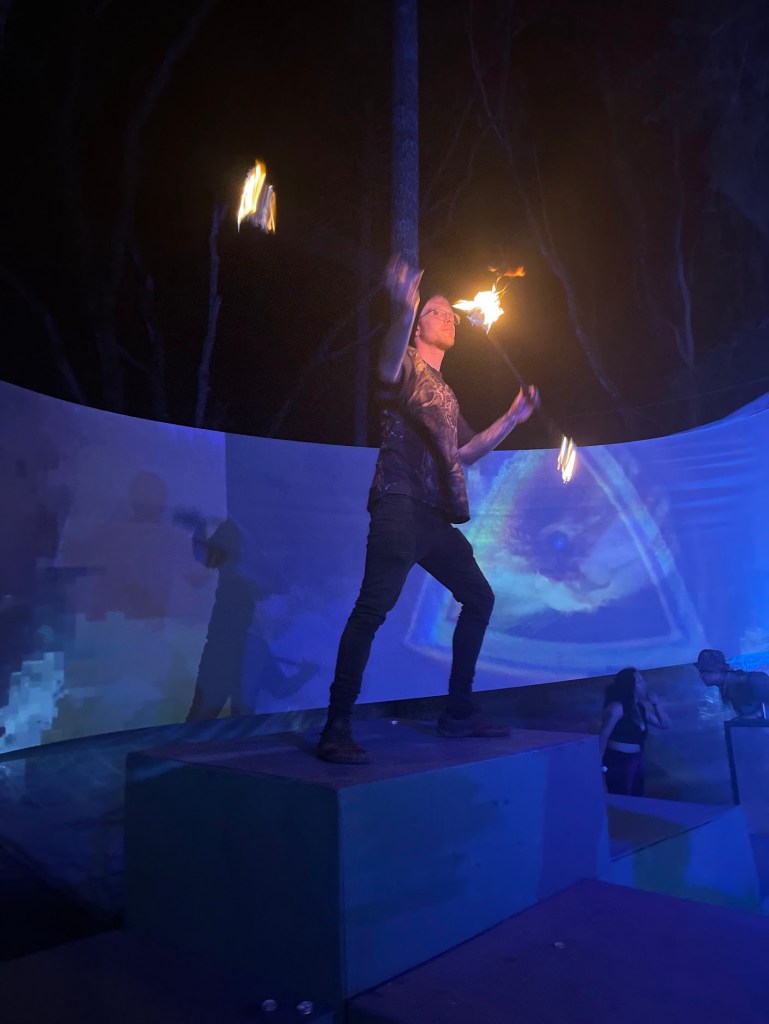


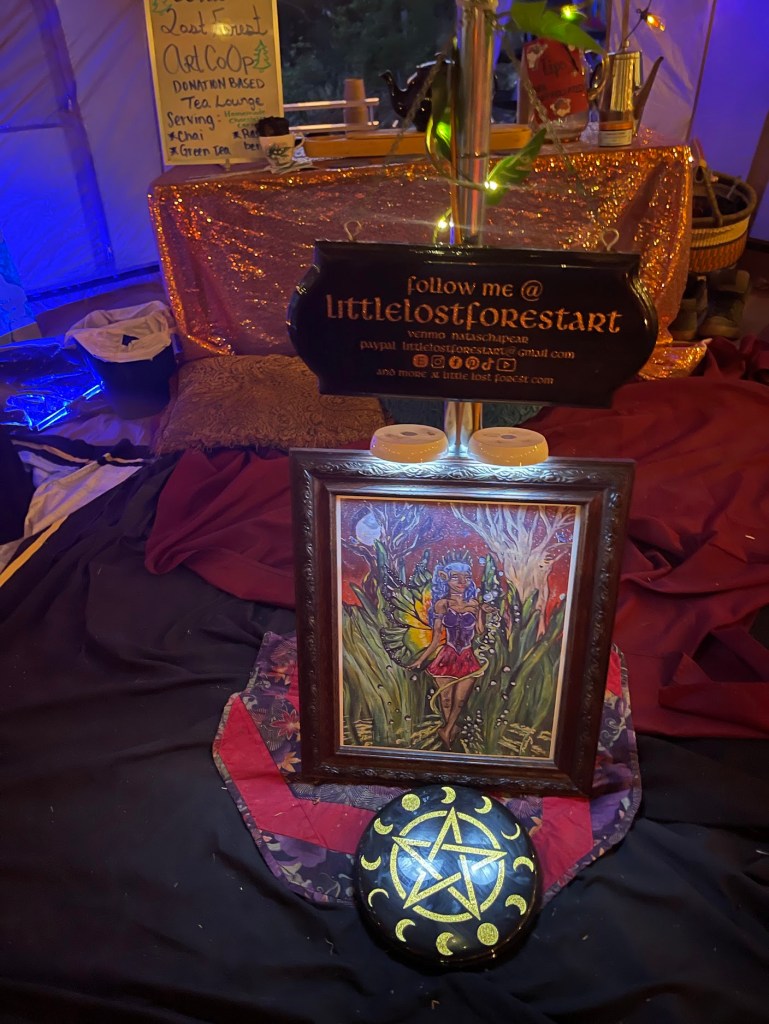
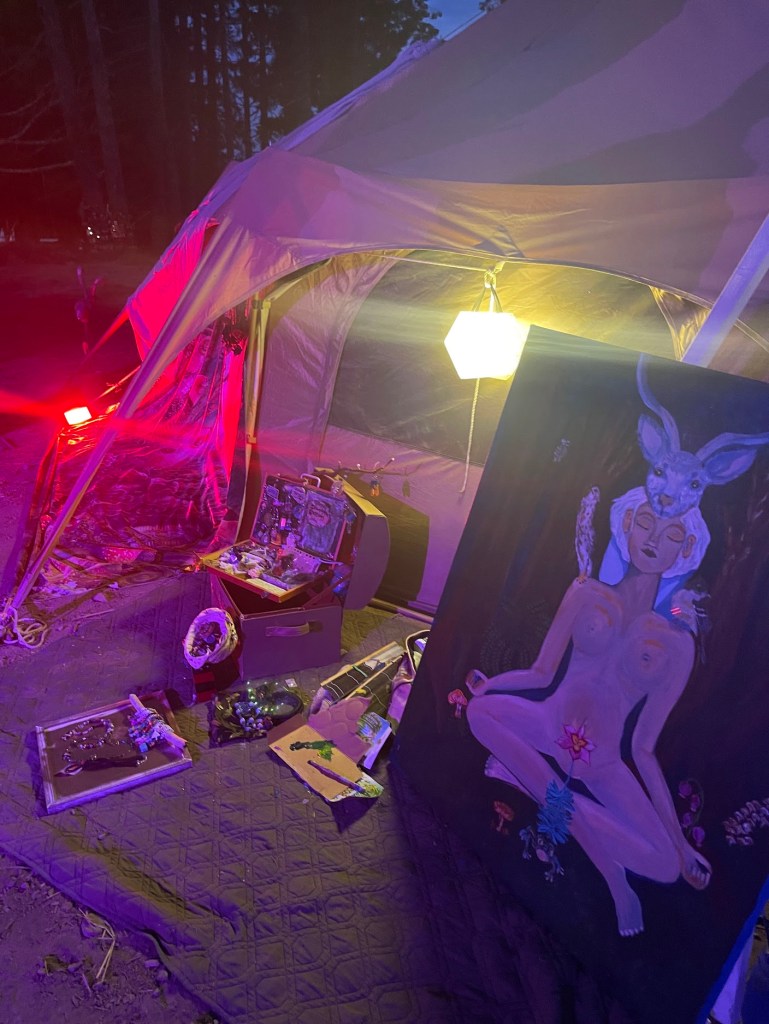


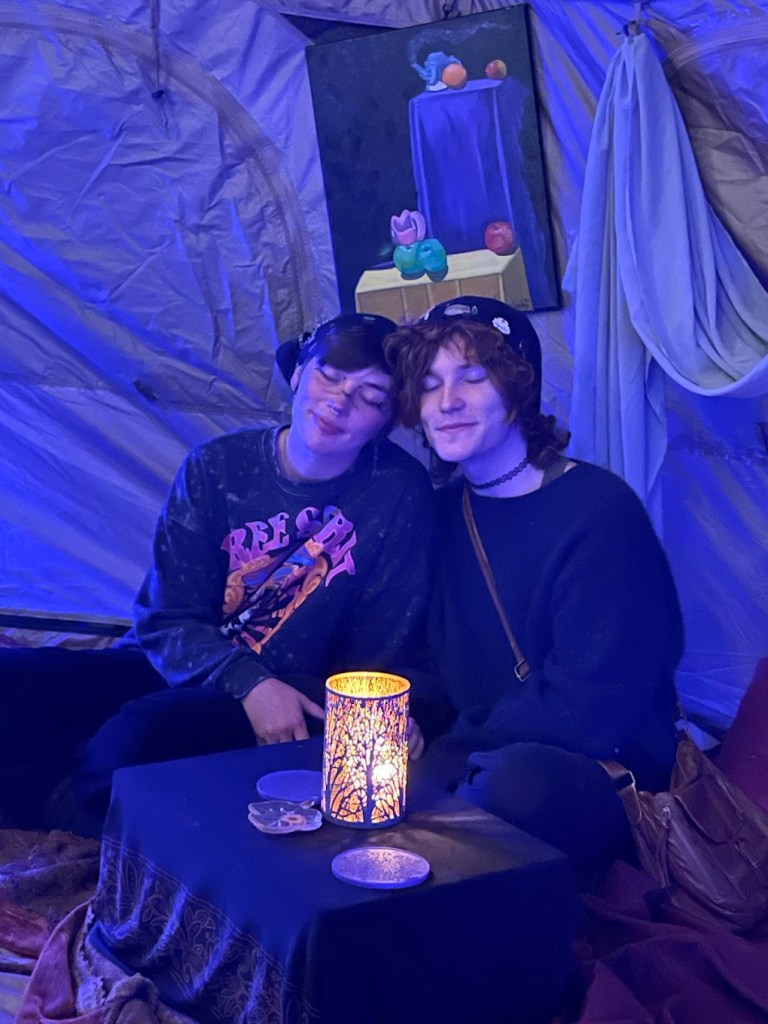


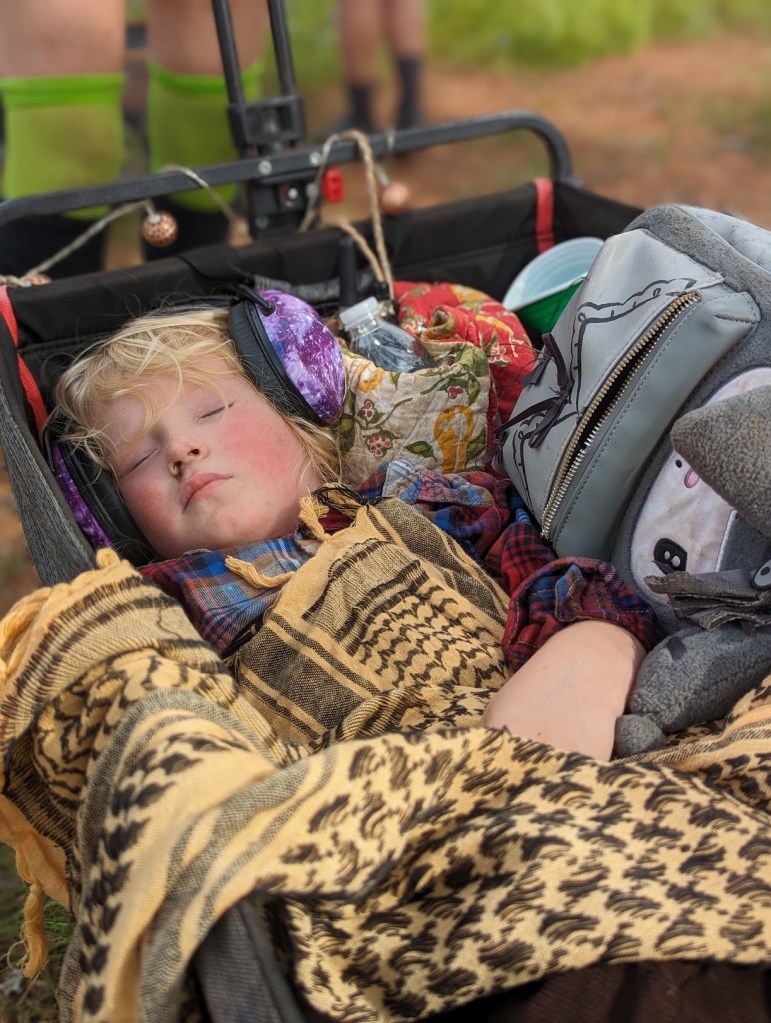
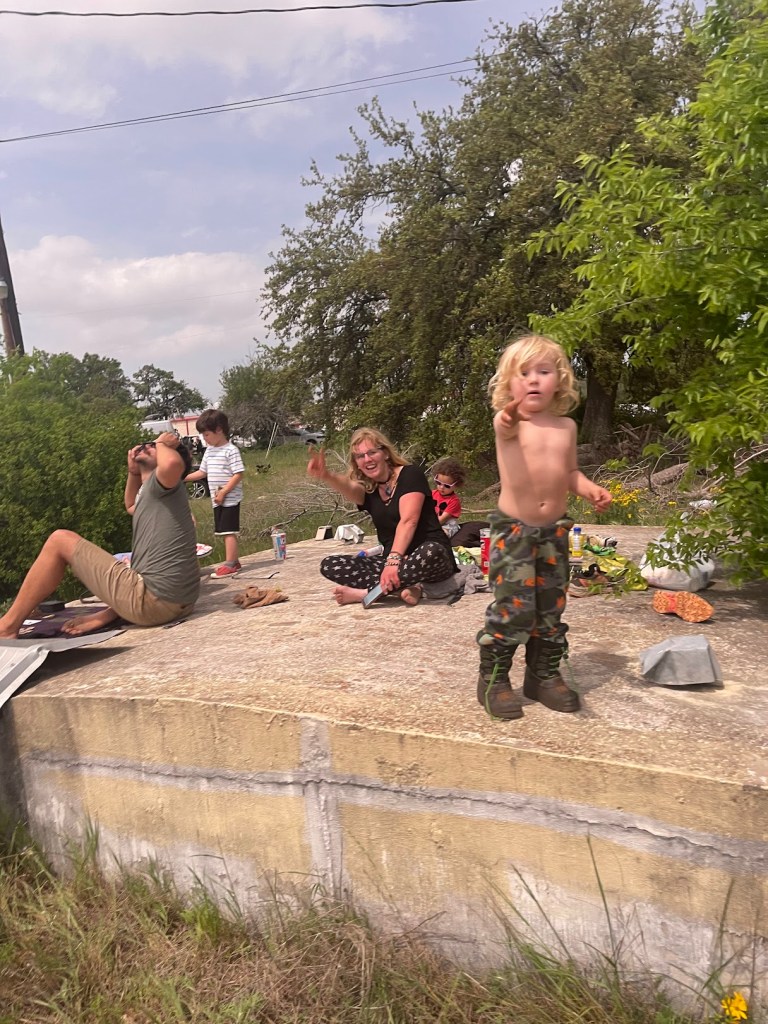


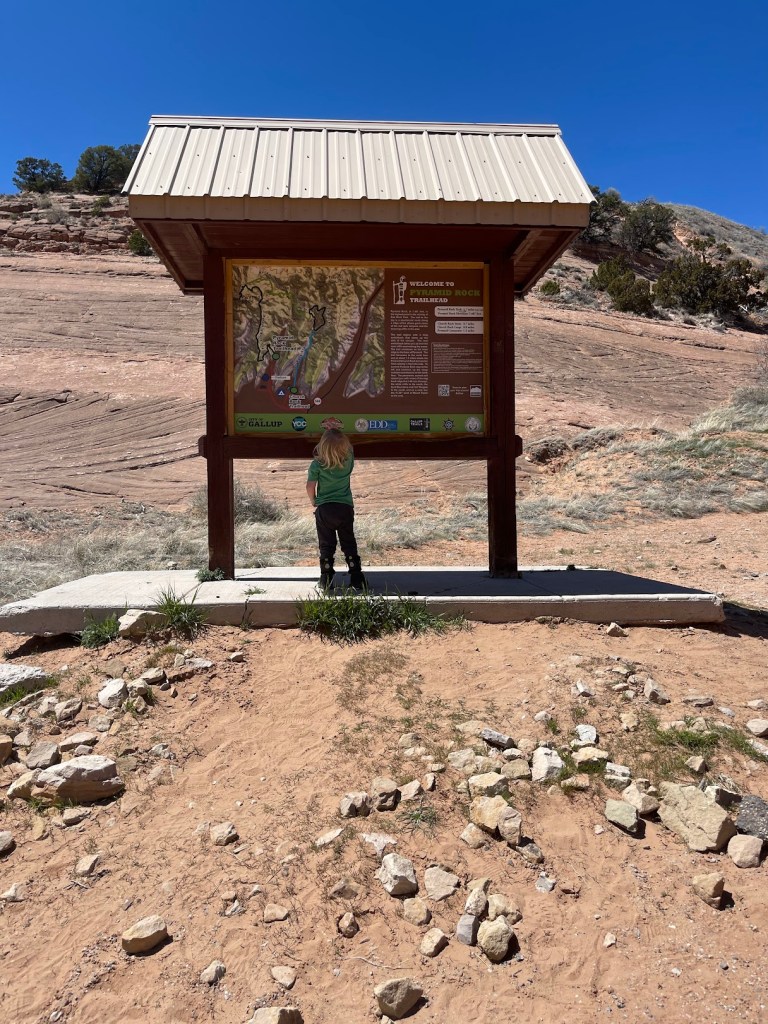


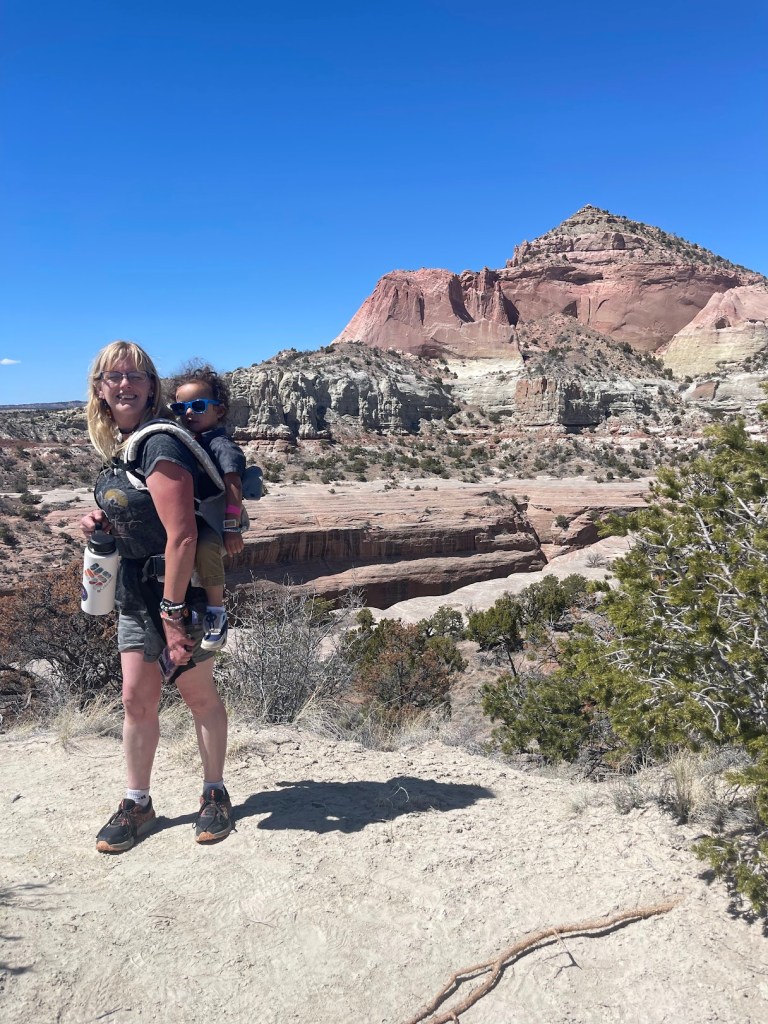


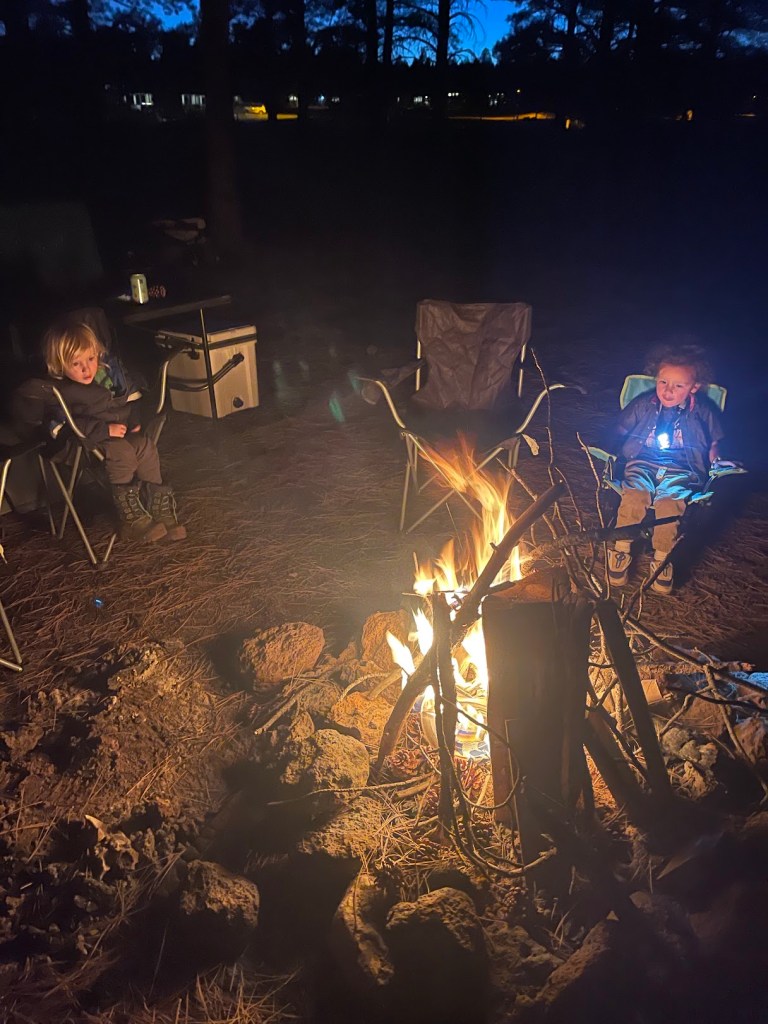

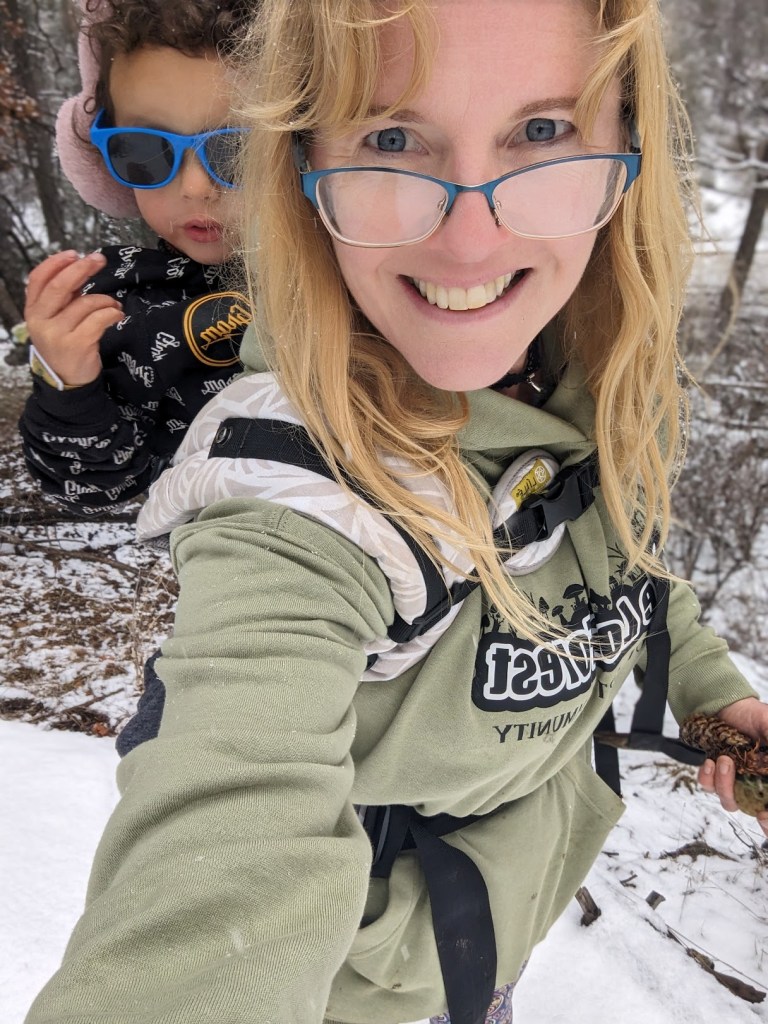

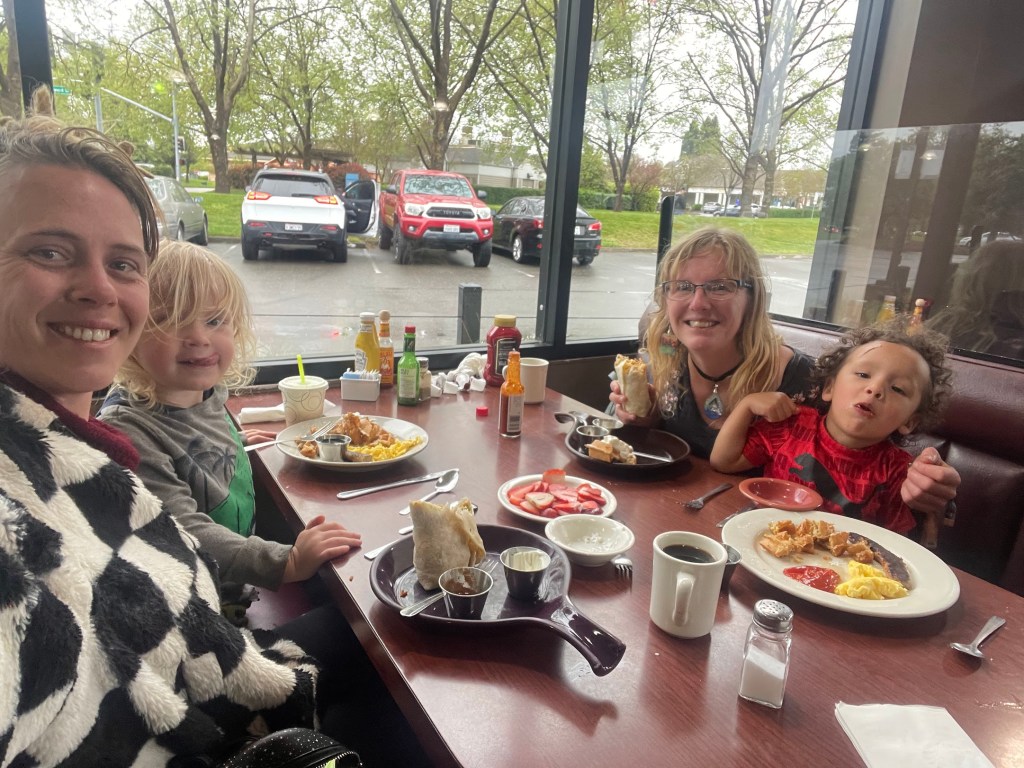


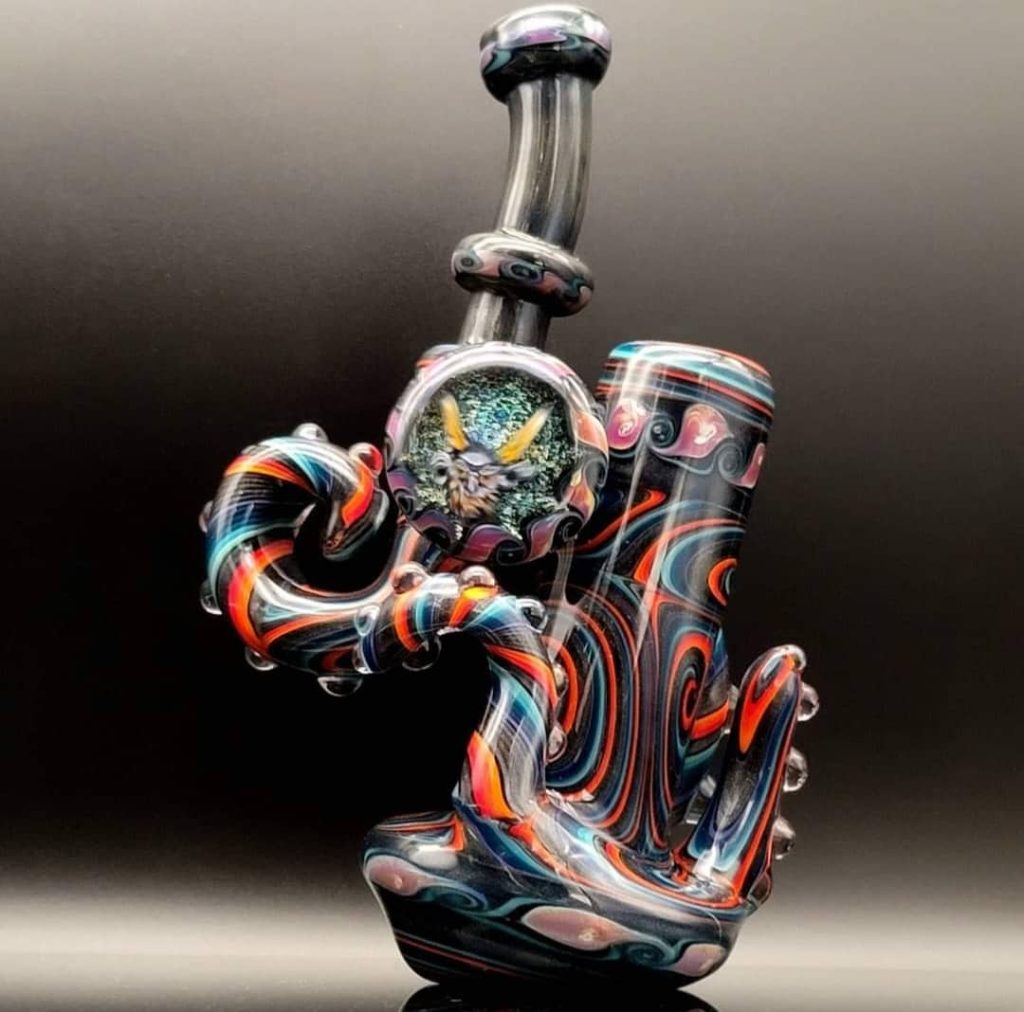


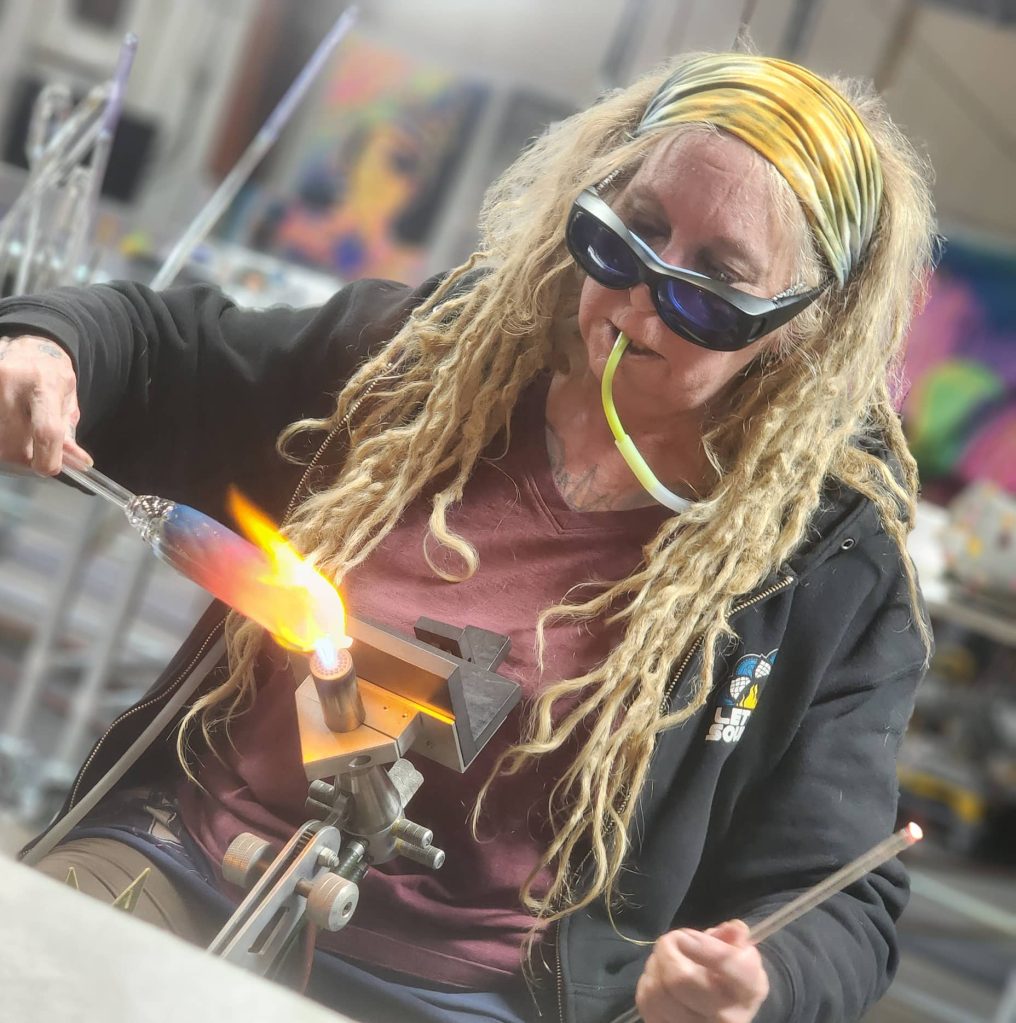

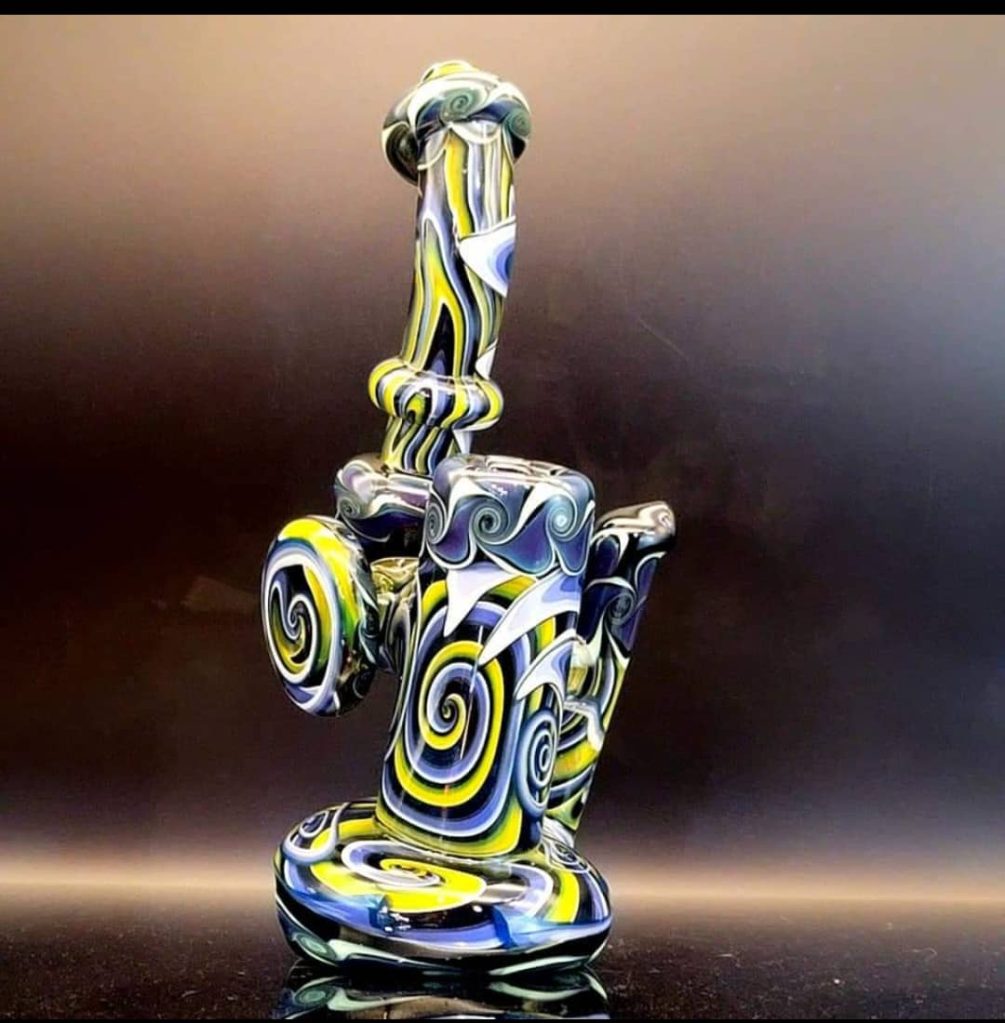





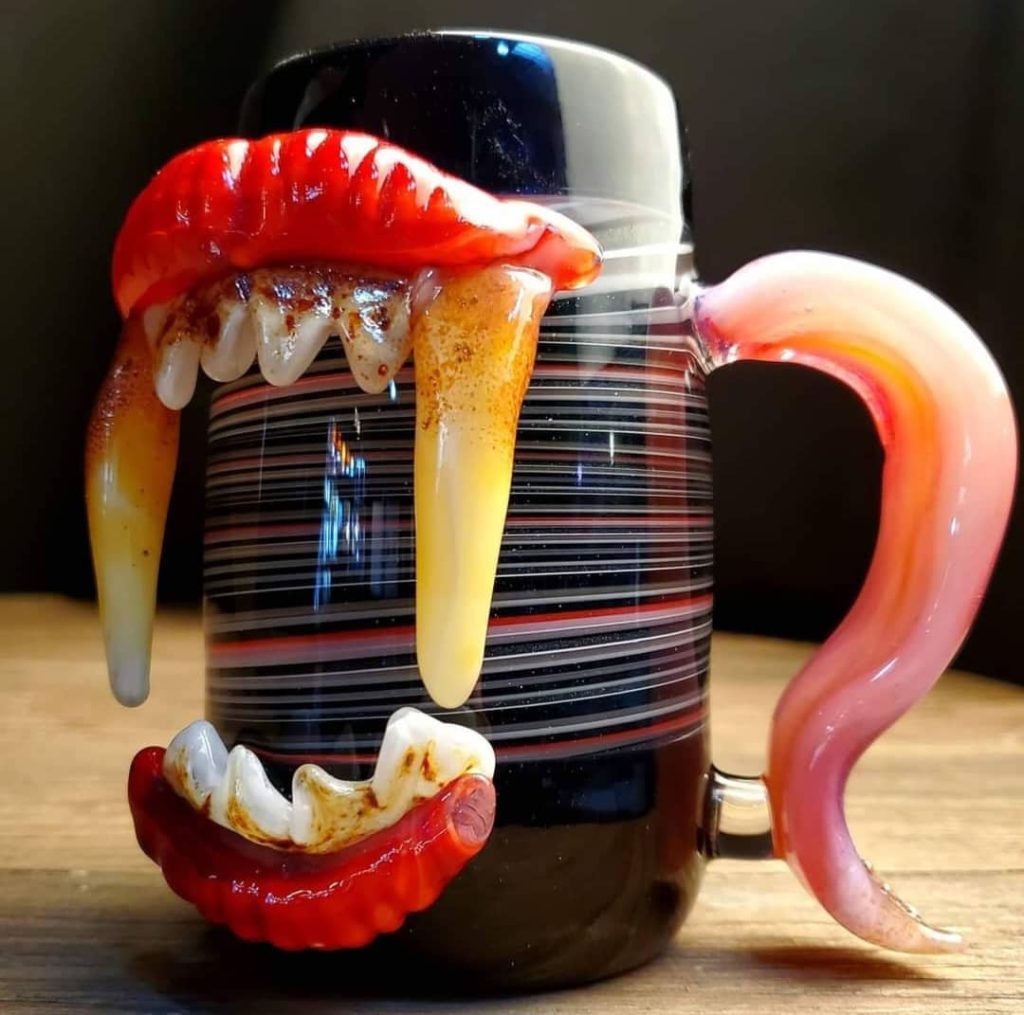

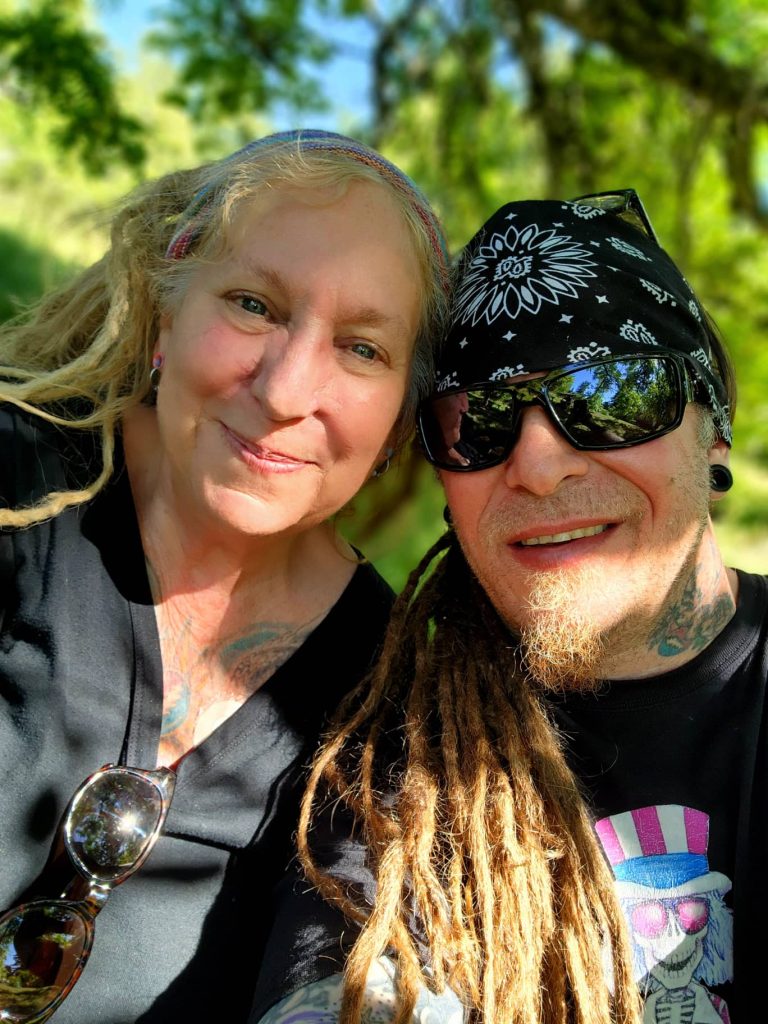
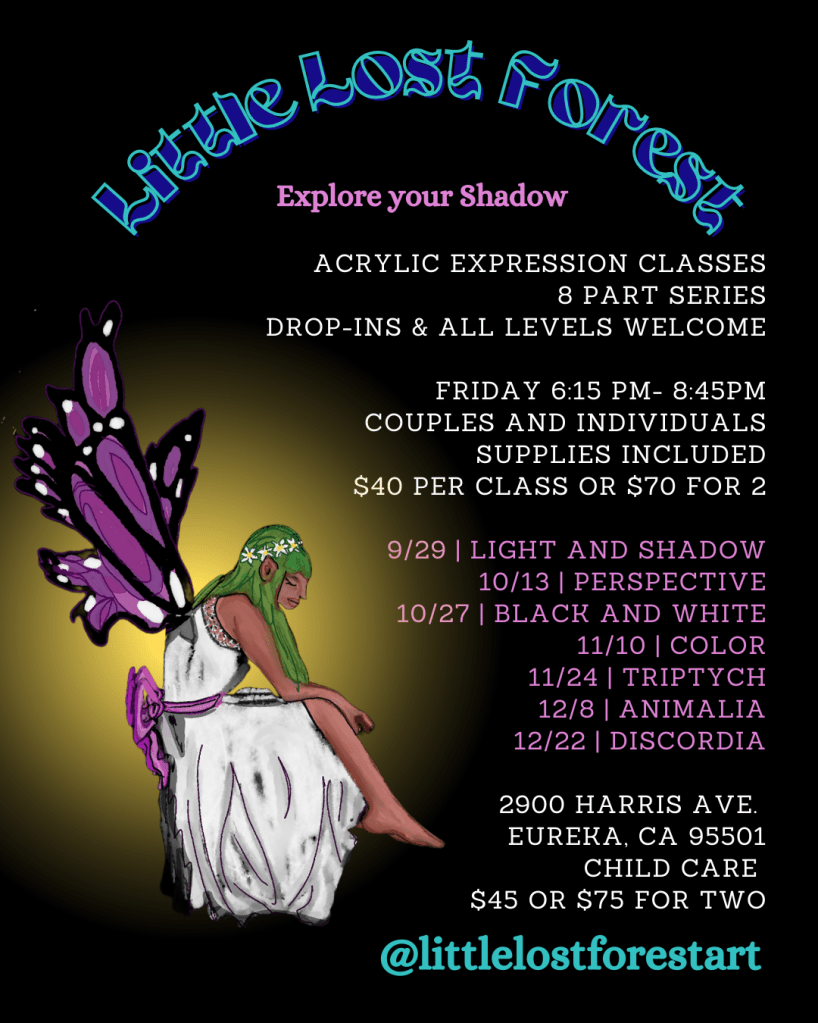



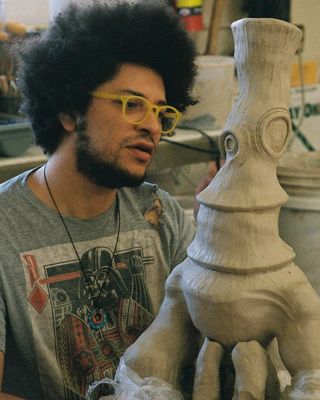


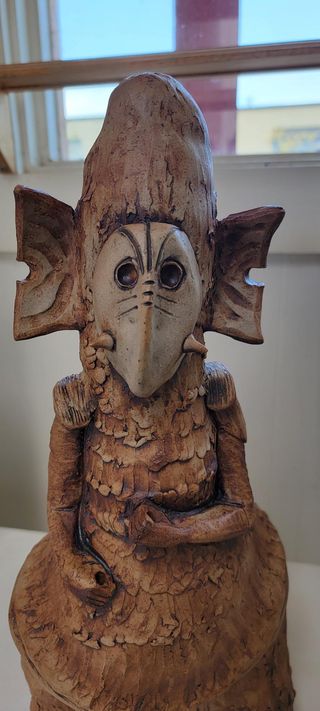

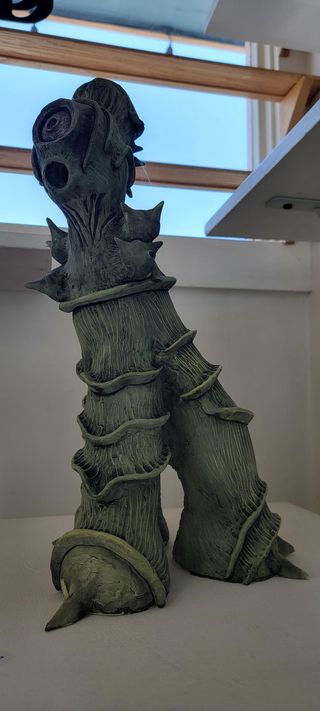

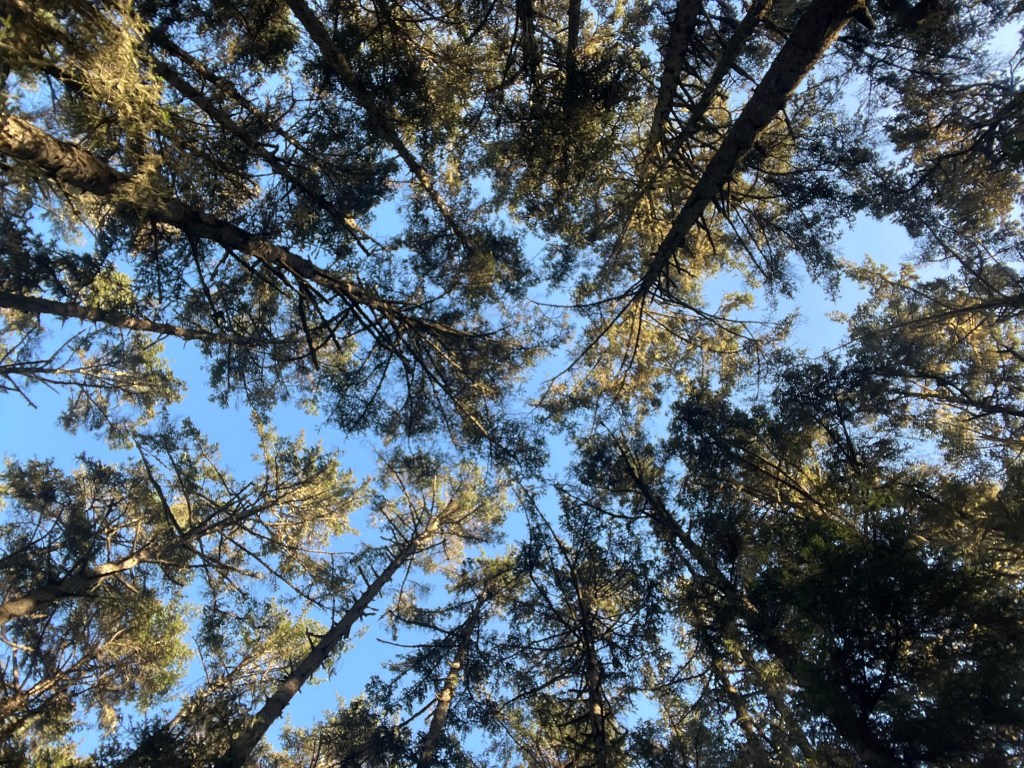

 Little Lost Forest