Interview with Heather Against Forced Children Vaccinations

The interview with Heather was conducted over the phone. Here is an insight from a mother who has first-hand experience with the consequences of vaccinating her child as her pediatrician recommended.

Parents have more power than you believe. You need to be your child’s voice.

-Heather

Natascha: Hi Heather,
Today we will be discussing child vaccinations. I believe you are against forced vaccinations, is that right?

Heather: I believe that where there’s a risk there should be a choice. There is always a risk when vaccinating your children because you never know what the reaction can be.

Natascha: Thank you. Can you tell me a little about who you are, your background, and if you have kids of your own?

Heather: Well, my name is Heather. I’m from southern California. I’ve spent most of my life in Missouri. I have a nine-year-old son, and I am currently pregnant with my second child.

Natascha: Congratulations, woohoo!

Heather: Thank you.

Natascha: So you know all about the fears of getting your child vaccinated and being pressured to get your child vaccinated, especially when you’re pregnant. That’s when this subject came to me, being pregnant and after having a baby and getting these vaccinations but not finding a lot of information about it.

Heather: Ya definitely. When I was vaccinating my son or whenever I was pregnant for the first time, I didn’t think anything about it. I was just doing what I was told, basically. You know, the doctor is always right.

Natascha: Exactly, and I’m starting to realize that it is not always the case.

Getting started, I think that one of the major concerns of vaccinating children is if it is worth the risk of injuries such as long-lasting shoulder pains, paralyzation, and even death. Do you think the risk is worth your child having any of these kinds of injuries?

Heather: When I thought vaccinating my son was the right thing to do, I thought I was doing everything right. When I brought up my concerns about my son’s delayed speech and behavior issue, the pediatrician thought it was normal. I knew it wasn’t normal because, you know, mothers know their children, and I knew something was going on. So when I first moved to California in 2016, I started doing more research on vaccines, and then I found a group on Facebook called “Stop Mandatory Vaccinations.” There were a lot of parents on there that were talking about the MTHFR gene and how if you have this gene, your will be more than likely to have a bad reaction to vaccines. So I had my son tested for that gene, and he has that gene. My son growing up-, I had his voice in a lot of situations. So if I knew the information I know now when I was younger, I would have delayed vaccines or not done vaccines at all. I do have friends that vaccinate their children, and they are healthy, and they live normal lives.

Natascha: I am so sorry you guys had to go through that. If vaccines have curred common diseases, is there a healthy medium to waiting to vaccinate children? I know you said that waiting is something to consider. What would you do now as a pregnant mother?

Heather: I personally am not going to do any vaccines while I’m pregnant at all. I don’t feel that they are necessary while being pregnant. I don’t feel like they’re necessary. Your baby is safe in the womb, and if they plan on vaccinating your child for all the things they vaccinate you while you’re pregnant, then what is the point?

Natascha: Absolutely. What about after you have- is it a boy or a girl?

Heather: I’m not sure yet.

Natascha: Oh, how exciting!

Heather: I need to get an ultrasound. My first appointment is on the first. I’m 16 weeks, but I guess a lot of people are pregnant, so I haven’t been able to see a doctor yet, get an ultrasound, those kinds of things.

Natascha: I think it took me till 22 weeks to find out the sex.

Heather: It’s really packed out here.

Natascha: Congratulations, yay! Do you think you will go through with vaccinations once he or she is born?

Heather: Yeah, definitely no.

Natascha: Good.

Heather: Yeah, my experience with my son changed my outlook on everything. I just don’t feel comfortable. I don’t feel right doing it. Basically, I was told that it was normal, and I knew that it wasn’t normal. My son was healthy. I did everything whenever he was supposed to. There was no reason why that happened.

Heather: Another thing that I believe is that they are scheduling the vaccines too early. I feel like it is too much on a little body that hasn’t been here that long. You can always do a delayed vaccine schedule, and you have to find the right doctor that is willing to do that because a lot of doctors won’t even do it. The MMR vaccine is one that I recommend delaying. This is one vaccine that most kids have an issue with. Vaccines are given way too early and too many at a time, and that can be the cause of many of the reactions that the children are experiencing. I do have friends that have done the delayed vaccines, and their kids are fine too.

Natascha: What would be a solution to opening our school to vaccinated and unvaccinated children so that way we don’t have to force these decisions on parents?

Heather: Yes, I honestly don’t know what the school’s deal is when opening the schools to vaccinated and unvaccinated children. Some parents who are vaccinating their children feel that unvaccinated children are putting their children at risk. But that’s not the case. From personal experience, some parents who vaccinate their children aren’t interested in listening to parents who don’t vaccinate their children. So from the parent’s side, I don’t know. From my experience, they don’t care. “Oh, you don’t vaccinate your children? You should vaccinate.” But why, why should I?

Natascha: This is a response I get a lot, especially conducting this line of interviews. If we force vaccinations on people and children, how does it affect a person’s freedom of choice?

Heather: There’s no respecting a person’s freedom of choice if you’re forcing them to vaccinate their children. Like I’ve said before, where there is a risk, there should be a choice. A lot of people feel like it’s not a big deal because the unvaccinated people are putting the vaccinated people at high risk, so that leads them to feel like they should be forced to do something that they don’t want to do because they are putting other people at risk. That’s really what it is. I always say that if you’re vaccinated then you should be protected, right? What does me being vaccinated have to do with you? It’s a lot.

Natascha: Knowing that some kids have severe reactions to vaccines, how do you feel prioritizing the lives of children without reactions and accepting that some will have severe reactions for the benefit of the greater good?

Heather: If someone wants to vaccinate their child, that should be up to them. It shouldn’t be something that we do out of fear. The parents who don’t vaccinate their kids have reasons. They’ve done the research they experience sleepless nights and hospital visits. It’s not something that they just do one day. It’s something that you had to go through or know someone that has had to go through it too.

Natascha: What are the best ways to keep unvaccinated children away from diseases?

Heather: I am a big fan of herbal medicine. I’ve been giving my son herbs since he was four years old. I believe that children who are unvaccinated and children who are vaccinated have about the same risk of getting the same disease. Because vaccines stop you from getting a disease, and it doesn’t make it less severe. That’s just not something you can predict. You can’t predict how someone’s body is going to react to disease if you’re vaccinated or not. Even a doctor will tell you that it’s not going to stop you from getting the disease. They’re going to tell you that it can make it less severe. But they don’t know that either. Because everybody is different, you can’t say how someone’s body is going to react. You just can’t do that.

Natascha: What kind of natural herbs and medicines do you use to keep your child from getting sick.

Heather: I am a big fan of sea moss. That is a sea vegetable with tons of minerals in it, gives them energy and boosts their immune system. Elderberry has been around for a long time. If you go into stores, you will see elderberry gummies and a lot of elderberry supplements. Especially at Sprouts, Clarks and Wholefoods you’ll see that type of stuff. I make elderberry syrup that has elderberry, mullen leaves, wild cherry bark, ginger, cinnamon, cloves, and star anise. Those are all powerful herbs that help with mucus, cough, and congestion. I give that to my son all the time. If there is something going around at school, I give it to him. I had COVID. I had COVID twice, actually. But my symptoms weren’t; I was sick for probably two days, but my son never got sick. He tested negative. Everybody in the house tested positive besides him. I was giving him herbs and stuff the whole time, and he never got sick.

Natascha: You need to be taking care of yourself as well as you do your son!

Heather: I know that is how I feel! And then, when I got pregnant, I thought I needed to step my game up. I am better with that. It’s hard whenever you have kids. You feel like you have to take care of them better than you take care of yourself.

Natascha: I know it.

Heather: You have to remember to take care of yourself because if you’re not here, you can’t take care of your kids. So, I have to tell myself that.

Natascha: Thank you so much. It is really nice to have the view of someone in the medical field and with kids. People need to hear this, and I appreciate you taking the time.

End of interview.

Heather proceeded to inform me that if you have your kid tested for any disability and fall into the category of an IUP, they do not have to be vaccinated to go to a public school. You can schedule an IUP meeting through your school.

You can find Heather on Tik Tok @hmonroe2.

Please stay tuned, next week I will be interviewing a teacher that sees the advantages of vaccinating your child and strongly pushes every mother to follow a pediatrician’s guidelines to vaccinate children despite misinformation.

Children Vaccinations Article 1

After getting my child vaccinated for the third time, I couldn’t help but notice it was the same vaccines he got his last three visits consecutively, and it made me wonder what is going on here? Have I educated myself enough on vaccinations to be accepting each one the doctor offers me? I realized I needed to do more research, so I took to the internet to see what I could find. 

After listening to a mother who has dealt with consequences and trauma from health defects caused by vaccinating her child, I wanted to dig even deeper and hear what real-life people I know think of getting vaccinated. Google anti-vax, and what you’ll find is many websites debunking anti-vaxxers. The most pro-anti-vax I could find were mediation grounds where both parties discussed their viewpoints. 

I knew that Facebook has a lot of groups and topics on this subject, and I figured this would be an excellent place to find more information and hear from both sides. 

Facebook probably thought I was ridiculous since I had already vaccinated my child, but I wanted answers, and I would do whatever it took to find them. With the information provided for me, I had a lead. It is eye-opening to hear from these passionate parents and people who work closely with children to listen to what they have to say. Both vaxxers and anti-vaxxers contributed their thoughts, and below is a brief look at the research I have conducted. Instead of giving you a two-hour spiel on all my research and studies, I will be conducting interviews over the next few weeks. I will be interviewing both sides of the coin so that moms from all over can have more information on what it means to vaccinate their children. Please stay tuned. 

Vaccines have eliminated some of the deadliest diseases that have ever affected humans, such as polio, smallpox, and a significant decrease in rubella. Even though millions of people’s lives have been saved because of vaccines, children face the dangers of having critical, long-lasting shoulder pain (SIRVA), paralyzation (polio vaccine), and can even cause death. For any parent, this raises the question, is it worth risking my child’s well-being? 

Even though vaccination has cured deadly diseases, the rise of chronic illness in children corresponds to the usage of vaccines. The government has protected pharmaceutical companies by redirecting all injury lawsuits to a government program called, The National Vaccine Program. These programs use this to protect pharmaceutical companies from going bankrupt and no longer being able to provide vaccines to the masses. It may also take off the pressure to reevaluate their products and respond quickly to dangers and tainted vaccines. 

We protect the community from massive outbreaks by forcing children to get vaccines. Yet, this doesn’t mean that vaccinated children cannot carry or spread these diseases. Yet when we push parents to vaccinate their children, we also take away their freedom of choice, and those who will not vaccinate cannot bring their children to school. 

I feel that alternative options should be researched. How to keep an unvaccinated child safe from disease and that there needs to be a community effort in allowing these kids to have an equal opportunity to grow and learn amongst their peers. There should be easily accessible information on the rise of vaccines and chronic illness in children. Numbers should be crunched, and parents who don’t want to vaccinate their children should be heard, especially those who have experience in their child undergoing terminal illnesses due to vaccinations. I don’t think there should be a greater good mindset and that every child’s life should be considered when getting vaccinated. Meaning, when I go to get my child vaccinated, the doctor doesn’t just say, “I think you should get this, this, and this because it has proven to be effective.” Instead, they would follow through with, “but in severe cases, reactions from this and that virus have caused (specific) pain, death, and injury.” The risks are underplayed, and I hope to expose some of this information in my upcoming interviews. 

My baby is so small, and these side effects are so dire. After my research, I am glad I vaccinated my child, but now I am considering waiting a few years (school age) to continue with the remaining vaccinations. I look forward to gaining more knowledge and information in the next few weeks and sharing it with you. 
8 Year Sibling Age Gap

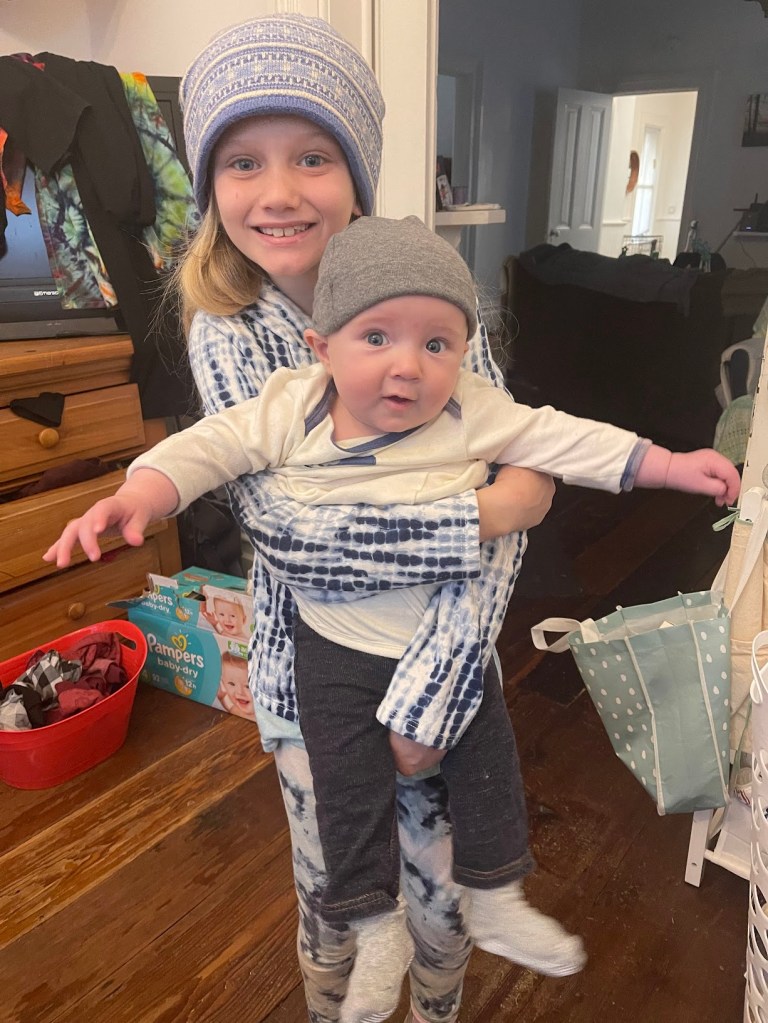
It’s incredible having children eight years apart. I get to enjoy raising a child from a different perspective. I already know that studying and reading are crucial development skills and that gentle words can be better than any discipline. Better than that, my eight-year-old has an appreciation for being an older sibling and loves being helpful when interacting with the baby.

I adopted my daughter in 2018. Long before then, she asked me for a sibling. I fed into her fantasy that was surrounded by barriers like having a big enough home. In 2021 we settled into a house in Humboldt county where it was possible to expand our family, and so we did! Bringing baby Malakai into the world was a lot of fun for all of us, even if I chickened out on letting Halaya, my daughter, watch the actual delivery. Since then, it has been the biggest blessing to have such a helpful big sister.

I prepared Halaya the same way I prepared myself. Talk to the baby, make birth art, and write letters to the future of you and baby. When the baby came, well, no one can prepare you for that.

I practice EC (Elimination Communication) with my son; it’s an infant potty training method. At first, I was so embarrassed putting him on the toilet at random times that I found fitting; and then he wouldn’t “go.” My daughter is who got me into it. She would do pee dances and make the sound of whooshing water. She would make funny grunts to indicate him to go poop. She fell out of this habit, but I wouldn’t have had the confidence to do EC training if it weren’t for her.

There were doubts and fears at first. I was paranoid. I didn’t want my daughter picking up my son and walking with him, which lasted for about three months. She could hold him sitting down, and that was it. I don’t know if she has gained arms of steal or was always capable of keeping him, but at Malakai’s age of six months, she is more willing to hold and help with the baby than some adults in the house.

When I work nights or need some extra sleep after being up with the baby for most of the night, my daughter will come into our bed and watch my son as I sleep. She enjoys watching TikTok on my phone while holding the baby. She has helped me sleep countless times.

My daughter knows how to play with my son. While I lack a sense of “play,” my daughter can relate to my son and the types of toys there are for infants. She makes his play area entertaining and draws his interests with funny impersonations, dances, loud songs, and movements.

It’s hard to share the attention as an eight-year-old, so we encourage her to play with friends and join sports. We do what is affordable to us, and when funds are tight and can’t be invested into curricular activities, I take it upon myself to visit her friends and go to the park, even with the newborn.

Now that we started feeding the baby, I want to encourage Halaya to make baby food. We are introduced to moms with similarly aged babies (there does seem to be a boom happening), and I think it would help her development by making organic food that she processes and jars for friends and family. I think it will help her have a more significant appreciation for organic fruits and vegetables and eat them as they are.

My best friend, who has an eight-year gap between his sister and self, says, “It’s really great!”

If you are expecting a child or want to conceive and you have an older sibling in the house, here are some great things to consider: you have help from a child that can do their chores, reading books becomes a family sport again, and your older child is developing and learning so much with their sibling. A lifelong friend is a good answer: How will my eight-year-old perceive my newborn?

Cannabis: Edibles, A look into a Small Business Start-Up

THC Almond Butter Cups in Toffee, Coconut, Coffee, Strawberry, Regular

Since college, I have been a big fan of making pot brownies. Later, I’ve noticed that it is more of a medicine than a party favor. Edibles are a less harmful way to intake THC and CBD than smoking. Edibles can get a seasoned cannabis smoker high again. A more significant amount of Delta-9-THC goes into your liver when digesting an edible and converts to 11-hydroxy-THC. This form of cannabis intake is noninvasive to your surroundings and environment, with no smell to latch onto your clothes or linger in the air. Edibles are discreet and offer a relaxing high. While it may take a while to kick in, it’s long-lasting. The benefits of eating edibles, according to healthline.com, include treating “poor appetite, pain and weight loss in cancer patients, reduce pain and muscle spasms, relieve nausea and vomiting, enhance sleep quality, and improve anxiety.”

My goal would be to offer affordable, high-quality edibles that focus on health and healing, compared to your average sweet treat. The brand highlights dark and earthy tones, reflecting on my Celtic heritage and the change of the seasons.

The primary base for my 420 edibles is coconut oil. Coconut oil is saturated fat like butter. It is a plant-based alternative. Coconut oil helps the body assimilate fat-soluble vitamins. According to research from Hightimes, coconut oil distracts THC second best to butter. It also attributes to weight loss, “coconut oil contains a high amount of MCTs, or medium-chain fatty acids, also called triglycerides. These MCTs are harder for our bodies to store as fat and easier for us to burn off compared to long-chain fatty acids. “

I make a variety of chocolates, including almond butter cups, white chocolate bars with rice crispy, and coffee-infused cocoa. Chocolates are good for menstrual cycles, depression, and anxiety. They come in bite-size, squares, and cups. I add natural ingredients for deluxe treats like green tea, toffee, strawberry chunks, and coconut shavings.

420 Hot sauce has been my favorite for a while. You can check out my blog Caribbean style hot sauce here. Even though my hot sauce in the past has come out like a paste, my brother is in the craft hot sauce business in San Diego, and he will be assisting me in making coconut-based hot sauces that keep their liquidity. Hot sauce is low-calorie and easy to store and use on the fly.

My newest addition to making edibles is the green bars. Green bars are a healthy mix grain bar that includes dates, pistachios, pumpkin seeds, hemp seeds, and spirulina. This bar will not only contain medical benefits but will also give you energy.

Are you interested in opening a cannabis edible business? I assume I’m not the only one. My friend sent me these classes I am interested in attending at College of the Redwoods on building a business in the marijuana industry, https://www.redwoods.edu/communityed/Detail/ArtMID/17724/ArticleID/6299/Cannabis-Business-Training-Program. I’m considering taking these classes if I can afford them. You can make a donation on my home page. I will make sure to blog about my experience.

I haven’t even thought of a name for my edible company yet. After years of being associated with the cannabis industry, I would like to see how I can share natural healing edibles with my community.

***DISCLAIMER EDIBLES ARE NOT FOR SALE. THIS IS A START-UP COMPANY THAT HAS NOT YET BEEN LICENSED. Investors may send inquiries to littelostforestart@gmail.com***

REFERENCES:

https://www.healthline.com/nutrition/eating-weed#:~:text=Edible%20cannabis%20products%2C%20such%20as,9%20%2C%2010%20%2C%2011%20).

https://www.vice.com/en/article/bj5mza/edible-high-vs-smoke-high

Finding Time to Work with your Newborn as a Writer

Finding time to yourself with a newborn can be challenging, let alone to write.

As a mom that writes, I have to be very cautious about where my time is going. The days flew by in a blur, and I found myself trying to catch up on last week’s tasks that were catch-ups from the week before. As a new mom finding time to maintain a pre-pregnancy way of living is impossible but creating a work-flow schedule isn’t! It might be helpful to take a step back and evaluate how you are taking the time to execute your plans.

Here are a few tips I found helpful to get back on track after falling behind in my work studies, especially my writing tasks!

Don’t overload yourself. The minute you put too much on your plate, you will find yourself back where you started. With businesses in need of workers, if you decide to go back to work, consider part-time as a new mother and maintain your focus on a single line of work instead of keeping the side gigs you picked up during pregnancy. If you have multiple projects at home, focus on finishing one task.

Wake up early. Laying in bed awake since 7 am with the baby is not the same as getting up and ready. An early start will get your body in motion to excel in your tasks. Making your bed will motivate you to be productive instead of laying back down on the sheets.

Baby’s first nap is an excellent time to write. This nap may only be twenty minutes, but this is the time the writing mom has to jibe. It can be hard to find the motivation once the baby wakes up and later throughout the day. It is also a good time for a friend or neighbor to sit with the baby so your work can be finished.

Now- in my case- the rest of the day flies by, and I’m holding the baby. I can place the baby on the floor for tummy time, and someone will come by and comment on how cute the baby is, pick him up, and pass him to me a minute later. At this point in the day, it is a constant flow of baby and me, even if I try to put him down.

When the baby is feeding, I will find the time to read. Reading helps stimulate the brain after hours of baby playtime. It’s calming and relaxing.

The next chance I will get to set a productivity time is at 6 pm when I go to work. Working for 5-8 hours will give you enough time to sleep and also allow you to spend precious moments with your baby during the day. Working at night can also complement your partner’s schedule if they work during the day. Going to work helps keep a feeling of self and individuality apart from the baby.

Now to keep up with a schedule and do not give up! The schedule might be challenging, and there will be times when you want to not show up, but surrounding yourself with an encouraging team to make sure that you have your eyes on the goal will help you when times get tough.

Write down your goals and watch them be crossed off by following these simple steps.

Co-sleeping as a Team

My husband asked me what an equivalent feeling to breastfeeding would be for a man and I would like to say- co-sleeping. 

IG: @the_glowing_expectant

To me, co-sleeping is hands down my favorite activity. Co-sleeping is not meant for everyone and that is okay. There are potential dangers to co-sleeping and it has to be something you are comfortable with. Co-sleeping is perfect for my husband, my baby, and me. I am a light sleeper and use intoxicants in minimal amounts. Our bed is a king-size bed with plenty of room to fit the three of us. Our older daughter is only allowed to sleep in the bed if she is not directly sleeping next to the baby and usually for short periods throughout the night. I am always aware of my baby, and we need each other in our arms to enjoy a whole night’s rest. 

In the beginning, we used a dock, but the baby would cry when we placed him in it even if we were right next to him. Then I’d set him in the crib, but again he would cry agitatedly. I tried to wait till the wee hours and then place him in his own nest, but it wouldn’t take long for the tears to come again. I co-sleep now with my baby at four months old he doesn’t wake up in the night and breastfeeds first thing in the morning. When he was waking up frequently during the night, I could breastfeed him and put him back to sleep with little action. 

At first, my husband had to correct my posture. He said my arm would be too close to his face or that I was cradling him with my body too much. There was a time or two when I had to push my husband away from getting too close to the baby. Whatever we did, it must have worked because the baby is healthy, and we all sleep together like champs. 

So why do people fear that co-sleeping is associated with SIDS (Sudden Infant Death Syndrome.) Some factors may be overheating from sleeping next to two adults, the sheets covering the baby’s face, or that a fast asleep adult could roll over the baby. Well, the fact is co-sleeping prevents SIDS. A tired mother trying to rock a baby asleep can be more dangerous than a well-resting mother that co-sleeps with their child. The most common reason for SIDS is when the baby doesn’t awake to a life-threatening occurrence such as trouble breathing. When sleeping next to my child, I am aware of his breathing and react accordingly. Dr.Sears (parenting.com) claims the carbon dioxide from my breathing can also stimulate my child’s breathing. By co-sleeping, we become one unit that works together.

Co-sleeping is practiced all over the world. In many countries where they don’t use cribs, co-sleeping is the only option, and once there was a time when co-sleeping was the norm. Even though there has been a bad stigma on co-sleeping, more parents find co-sleeping to be beneficial to infants. Creating independence is important and will come with time, no need to rush your baby out of the bed.

So what are the seven safe practices of co-sleeping:

  1. Be a sober mom. Avoid all intoxicants.
  2. Sleep with the baby at your breast and the blanket under the baby’s neck.
  3. Keep baby on his back.
  4. Dress baby lightly. Diaper only is okay!
  5. The bed shouldn’t be too soft or too small.
  6. Be aware of any cords or gaps. I use pillows along the sides.
  7. Keep pillows and sheets from covering his head.

For a safe co-sleeping experience check out these affiliate links for a lounger or a bedside sleeper.

Co-sleeping is so rewarding to me, but how long do I think it will last? Everyone has unique practices, and there is no right way to do it. Before my baby is a year old, I believe I will adjust him to sleeping in a crib so he can gain independence, and my husband can once again exclusively have my cuddles. I don’t plan to breastfeed for much longer than a year. I struggle with my breast supply, and at some point, my baby won’t be attached to my breast throughout the night and day. For now, coming home and sleeping with my child after an eight-hour shift helps me feel closer to my baby. When he wakes in the morning, I can respond, change his diaper, unclog his nose and breastfeed until we both fall back asleep. Co-sleeping helps me respond to him quickly and allows me to indulge in the most beautiful snuggles I have ever imagined. 

Foraging Mushrooms in Humboldt County

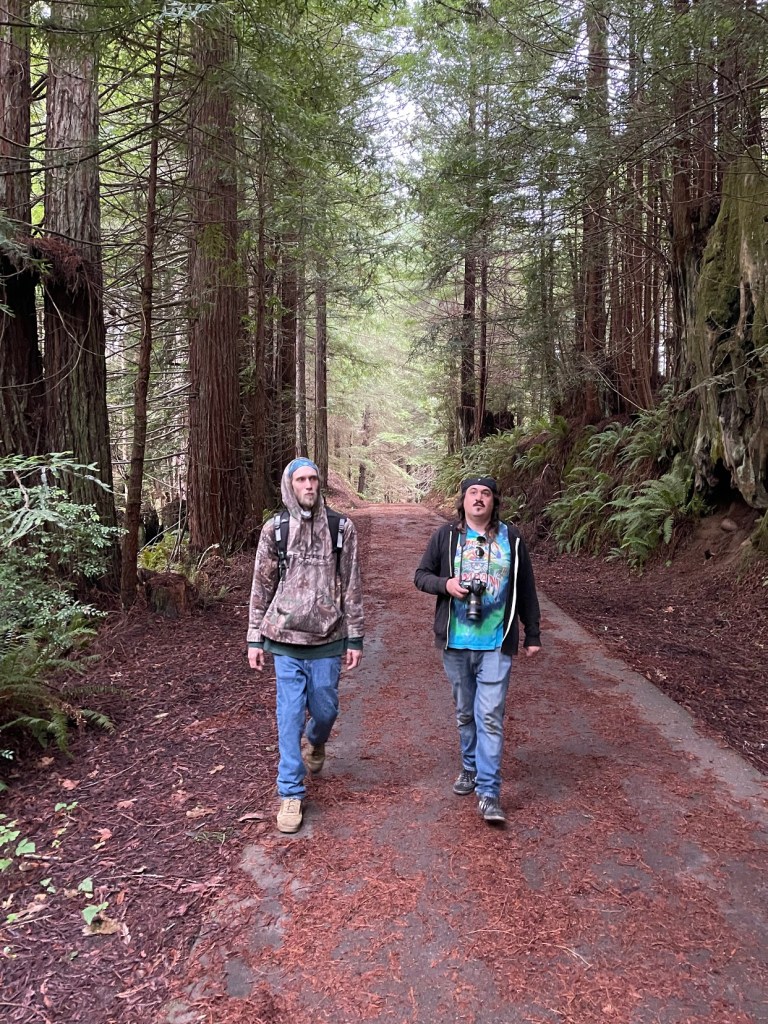
If you’re familiar with my blog, you might have read my post “Places to Hike in Humboldt County.” Headwaters Reserve. This beautiful salmon spawning preserve has more to offer than meets the eye. Take a trip along the dirt paths that branch from the cement road, and a trained eye will see a whole ecosystem full of mushrooms.

Why forage mushrooms? Mushrooms are a fungus that grows from mycelium. There are miles of mycelium under the forest floor, a massive white fiber that communicates with trees and the rest of the duff. Mycelium grows mushrooms for different purposes, from decomposing dead material to forming partnerships with plants. Mushrooms vary in characteristics and design. Some are poisons, some induce hallucinations, and others are great in meals. When picking your mushrooms, be careful which you touch, which you eat, and which you use for medical purposes.

Are you interested in mushroom foraging but don’t know where to begin? There are a few simple steps you can take to start your mushroom adventures!

Amanita muscaria

The best time to look for mushrooms is during the rainy season. Mushrooms grow in different habitats. Some thrive on trees, while others can be underneath ferns or in the dunes and your backyard. In Humboldt, Porcinis form close relationships with pine trees. You may find these and Chanterelles also under spruces. Oyster mushrooms like to expand on dead and dying alder trees. Ways to identify mushrooms is by using a book such as Mushrooms of the Redwood Coast by Noah Siegel. Other ways to identify mushrooms are taking pictures and using an app or a Facebook group. At first, it might be overwhelming. I don’t recommend searching for a specific species unless you know that it will be growing in a particular area. In identifying mushrooms it is also important to recognize the surrounding trees.

Humboldt County is a mecca for mushroom foraging. There are many trails and forests where you can find all types of shrooms! The mushroom community is supportive and will help guide you in safe foraging. While mushroom hunting, you should only take what you need, don’t take all the mushrooms (!), and leave no trace. It is bad ju-ju to sell natural resources, including mushrooms, so do it for fun and your community! My neighbor blessed me with chanterelles that we put on our steak, and it was the best meal I ever had! These kinds of actions not only put a smile on someone’s face but create memories that are not easily forgotten. Mushrooms foraging is a family sport, so grab your loved ones and head to the woods to see what you can find! You are continuing the mushroom life cycle just by walking through the terrain.

Lactarius aestivus

Please follow habitat guidelines. It is strictly noted not to walk off-trail at the headwaters preserve. Stick to the dirt trail!

My Christmas Wish

Amid the holidays, I would like to touch on the subject of acceptance. Now more than ever, our nation is divided due to different beliefs, and I’m not talking about religious beliefs; I’m talking about, I’m right you’re wrong beliefs such as Vaccinated VS Unvaccinated, Trump VS Non-Trumpers;  not only that but divorced families that can’t stand being in the same room together, controlling lovers that won’t allow their partner time with friends, or people trying to share their opinions on Facebook and being chewed out for it. I know this isn’t just my experience, but one many of us can relate to. 

People have opinions- I’m sorry they’re not always wrong or right. The Buddhists teach a way of acceptance. When a thought pops up, it must be recognized, and it will pass because that is all it is, a thought. When there was an essential disagreement in a native tribe, they sat in peace circles and allowed everyone a chance to speak without interruption when holding a totem. Today, an opinion can cause a riot because the discussion is not part of the plan.  Can we slow down a little and look at how we, as a community, are contributing to the problem? Did you judge and slander someone for being anti-vax or a trump supporter? Does your opinion matter more than anyone else? During the Nazi regime, the German forces thought they were serving their country by committing Genocide. Can we agree that listening to all opinions can help open our eyes to things we might have been blindsided to? 

I know it’s not the same, I know you are absolutely right. I find myself more submissive and agreeable to most, even my friends. Only my partner would know my voice on controversial matters. So here we are crumbling our thoughts into dust so they can float into the universe unseen, or we are pushing our beliefs so far down people’s throats that they can’t breathe, let alone mutter what they have to say. 

Where’s the safe path?

 Well, this ties around to a concept that I have been willing to preach for a long time now. How is acceptance going to happen on a mass level without it happening in our own homes? There’s a Christian saying I learned in my youth that I’m having a hard time rephrasing, so here it goes: “Honor thy brother and sister.” The hate you’re putting on your partner, your brothers, and sisters, family, and exes or partner’s exes- Guess what?- it bleeds into the bigger picture, directly. When there is so much negativity floating around in our everyday conversations, walls that are put up, families that are separated, and children that can’t spend the holidays with both their parents because they can’t get along, it’s hard to lead by example when you’re living in separation yourself. 

I would do anything to have my mom and dad at a holiday gathering together, with their partner’s acceptance and company. I would love to have my friend over for Thanksgiving without her husband blowing up my phone, worried that she won’t make it home safely. I would have loved to have both my husband’s parents at our wedding when they both contributed so much to our lives. I hate seeing on Facebook that someone can’t talk about children getting vaccinated in schools in a MOMs group, “The place to talk about this is with the school directly. This group will chew you up and spit you out.” I wish I would be more acceptable to concepts that I think are discriminatory or unjust because who am I to judge someone else’s opinion? For this holiday season, I test myself, and I dare you to take the challenge, to not judge people’s thoughts and ideas, to not close our doors to family and friends, and to remember throughout the stress of the holidays to breathe and practice acceptance.

From its origins in India, Buddhism has had an appreciation for reasoning and debate skills. The profound purpose of Buddhist debate and reasoning is to clear away a wrong conception of our own natures and thereby to become free of suffering and even death.

Perdue, Daniel. “Tibetan Buddhist Debate.” Asia Society. https://asiasociety.org/tibetan-buddhist-debate

Cloth Diapering 2021

I am three months into cloth diapering, and I don’t want to say I know everything about it, but I do support cloth diapering, which has a positive impact on the environment. I’ve been told I am doing it wrong, I have had pee cover the baby and the bed while the diaper was on, I’ve had to clean tar-like poops with a scrub brush, but with all the negatives, I still see some incredibly healthy positives that make cloth diapering worth it.

Eighteen billion diapers fill our landfills in America, with an estimated 95% of parents using disposable diapers. It takes approximately five hundred years to decompose diapers in a landfill. Disposable diapers are convenient, but they are no easier to use than a cloth diaper, and the clean-up for a cloth diaper impacts the environment less in the long run.

Cloth diapers come in all styles and are comfortable and cute. They stand for environmental awareness and sustainability. While using cloth diapers on the run, you can discard the dirty ones in a trash bag within your diaper bag and clean them when you go home. Cloth diapers and children’s laundry can be washed every 2-3 days in small loads. Below is my cloth diapering process.

I started with Thirsty diapers for $139.50 for five and a cloth liner at twelve for $18 I place the liner inside the diaper and fit it to a newborn size (making it tight around the thighs.) I later upgraded to Pacific Neutrals seven for $65, which were cheaper, softer, offered more padding and protection. It also came with an insert to place the liner in, I use the Naturally Natures liner, which fits the Pacific Neutrals perfectly. You can get twelve inserts for $29. These bamboo inserts are more natural and sustainable. I still use all the diapers and inserts leaving me at seventeen and forty-eight inserts at $410. Last I got these very thin liners which I don’t personally use, but you can place this liner inside the diaper if the insert is in the insert pouch. This is for extra protection, but doesnt protect the diaper much from contamination.

The clean-up is as hard as you make it. I have two small plastic tubs I got at the dollar store. I fill the pink tub up with laundry, take it to the laundry room sink and fill the blue tub up with hot water. I add one cup of Oxi Clean Stain Remover or a tablespoon of bleach. While filling, I separate the clothing from the diapers and place any peed-in liners and diapers into the filling bucket. I put aside any diapers that are pooped in. I take the filled basket onto the top of the washing machine and place the dirty clothes into the pink bucket. Then I scrape all the poop off with a scraping tool into a lined trash can. I then use a dollar store scrub brush to scrub the diapers under hot water (be careful you don’t give yourself a shit steam bath, lol. I then place that into the blue bucket with the rest of the soaking diapers and inserts. I let it soak for over an hour, sometimes overnight, drain all the water, and wash it in the machine.

I feel like cloth diapering is rewarding. After throwing away so many disposable diapers, clarity came, and I realized the impact of cloth diapering on the environment. I think disposable diapers are great for travel and nights to prevent leakage. I highly encourage anyone traveling and using disposable diapers to dispose of them in trash cans and not to leave them out in the world. Have fun shopping for cloth diapers. Their styles are so cute! Be confident that what you’re doing has your baby’s and the world’s best interest in mind.

The so-called, “Billion Dollar Industry”

The Unjust Pay System in the Marijuana Industry

As an observer of the marijuana community, a question pops up all too often that has everyone wondering, where is all the money at? We have hard-working employees, males, and females, who work long hours, which are not afraid to get their hands dirty. So, where is the profit with all the planting? As COVID brings marijuana sales to a record high while dispensaries remain open as an essential business, why do farm workers remain at the bottom of the pay scale?

The real reason the grower and the owner can’t see eye to eye. A worker goes on to a farm, helps them turn their harvest to an abundant green yield, and in the end, their pay comes late, scarce, and more work is expelled without a full payout up to that point. Bonuses are promised but never seen. What once was a decent paying job, the worker finds themselves waiting for their pay, unmotivated to work, and easily replaceable with the next willing participant. Where did this mom and pops, family valued, hippie ‘ love and peace,’ grow community, one might think they are stepping into, go? It went to corporate America.

Yes, the men with ties and suits are to blame. Even if the owner thinks they are the big shoot, spending outside of their means on music equipment, big cars, and overextended vacations, here’s the catch- that money isn’t there. Corporate America is making the so-called billions in the billion-dollar industry. So much of the profit goes into taxes that the once hippie-dippie landowner is now hanging with rappers, sporting an image they can’t afford. While white market owners can’t value their pounds half of what the black market can, none of this money dwindles to the grower. The lead grower is being worked to the bone, and his profits directly reflect the owner’s value in people. As the quality withers, prices and pay drop slowly, the farmworkers starve while the owner keeps his appearance.

Marijuana was legalized in California in November 2016. Growers didn’t have great expectations for this. It was expected to take away thousands of pot dealers’ jobs by bringing the marijuana industry into businesses. What did this mean to the grower? What many Americans might have assumed would keep thousands of pot growers outside of jail, growers had to face a new reality, now they had to follow the rules, regulations, and worse of all, pay taxes or be subjected to raids and fines. As growers race to get permits, many growers end up taking the easier way out and remaining black market.

So how does this affect the ones growing the weed? White/ Black, “whatever” market, growing weed isn’t like working at Carl’s JR, but the pay of a lead farmer isn’t far off from the income of being hired off the street at a Carl’s JR. The skills of the marijuana grower are being undermined in an industry that is holding onto nickel and dime compared to pre-legalization, where the industry was about helping the little guys out, not using them. Farmers with years of skill are treated like basic laborers, and even the white market players are getting away with not paying their employees what their worth is.

So how to fix this problem? Illuminate the greed and go back to the root. Project owners should appreciate the person growing their weed. We’re not talking about a robot. The farmhand is a human being growing medicinal plants to help people heal. The handling of marijuana influences its outcome, and if we grow weed like we farm our meat, we will all end up glutenous.


Happy Cows come from Happy Farms. Happy Plants come from Happy Farmers.


Staffing companies pocket 20-30 percent of the worker’s pay in exchange for legal paperwork, including paychecks, benefits, and HR work. The farms might have their employees covered, but those employees don’t see the benefits. Their pay becomes minimal, and they are once again replaceable. To solve this, farm owners can’t just be suits and jackets. They have to have humility and care for their workers. Their workers, in return, will care about the outcome of their product. And how do we get the owner to care for their worker? By lowering taxes so that they are not stretched so thin, they too are just looking for the next dollar to keep the farm afloat. Let them keep their facade image, which may never change, but do it so that they can pay their farmer and put food on the table for their families. Then, add a structured pay scale for positions on farms. As the government recognizes this industry, its positions should be recognized and compensated adequately. Like any business, starting laborer shouldn’t be paid the same as long-term workers, transparency about weight and numbers should be available, bonuses shouldn’t just be a dream, and lead farmers should be paid for their skills and knowledge, not the equivalent of a fast-food worker with no experience. Last of all permanent employment shouldn’t be waved in front of staff like a golden ticket, without any winner.